


From Leaf Crisps to Pudding, India’s ‘Super Food’ Millet Finds Its Way onto the G20 Dinner Menu

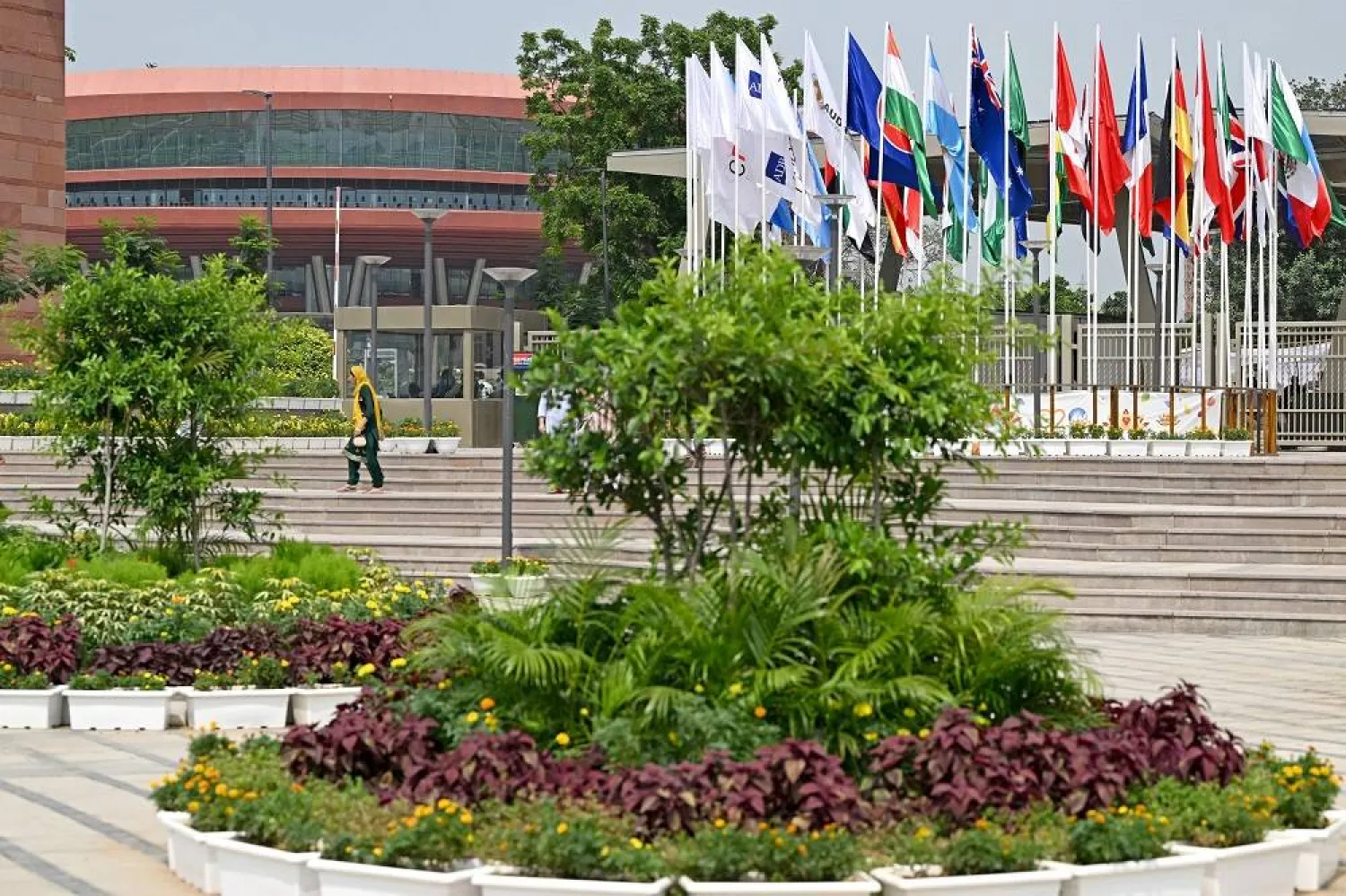
The International Convention Center "Bharat Mandapam" the venue for the upcoming G20 Summit scheduled to be held next month, pictured in New Delhi on August 31, 2023. (AFP)
TT

From Leaf Crisps to Pudding, India’s ‘Super Food’ Millet Finds Its Way onto the G20 Dinner Menu

The International Convention Center "Bharat Mandapam" the venue for the upcoming G20 Summit scheduled to be held next month, pictured in New Delhi on August 31, 2023. (AFP)

When the leaders of the Group of 20 arrived in host country India, they were feted by a classic Indian formula of Bollywood song and dance on the tarmac. Now as they tuck into dinner, they are in for yet another cultural treat: dressed-up versions of a humble, earthy grain that's a staple for millions of Indians.

Millets are a group of grains India has been championing as a super food — versatile, climate-friendly and, if prepared right, presumably delicious enough for world leaders. And after a grueling day of discussions at the summit that saw the African Union added as a new G20 member, delicacies made from it will be rolled out in various forms.

The world leaders will gather for the meal at the Bharat Mandapam building, a sprawling exhibition center in the heart of New Delhi, which twinkled with blinking lights on Saturday night.

Among the vegetarian delicacies are oxtail millet leaf crisps topped with yoghurt and spiced chutney, Kerala red rice tossed with millet crisp and curry leaf, and a cardamom scented barnyard millet pudding with fig and peach compote, according to the menu seen by the Associated Press.

Prime Minister Narendra Modi declared 2023 as the Year of Millets, and so did the United Nations. Even the White House took note of the grain — in June, plant-based courses of millet were on the menu for some 400 guests invited to a White House state dinner for Modi, who is a vegetarian.

The focus on millets is seen as an effort to revive a hardy and healthy crop that has been cultivated for millennia but was largely cast aside by European colonists who favored corn, wheat and other grains.

Rich in proteins, potassium and vitamin B, and gluten-free, the grain's fans tout its flexibility — you can knead it into rotis or flatbreads, make a batter out of it for dosas or savory crepes, or just boil it, like you would rice, and serve it with spiced lentils, or dal.

Over centuries, millets have been cultivated around the world — including in Japan, Europe, the Americas and Australia — but their epicenter has traditionally been India, China and sub-Saharan Africa.

In total, there are about nine types of millet, and India — the largest producer — grows all of them. The South Asian country accounts for 80% of millet production in Asia and 20% globally, according to a report from the ORF.

Millets are more tolerant of poor soils, drought and harsh growing conditions, and can easily adapt to different environments without high levels of fertilizer and pesticide. They also don’t need as much water as other grains, making them a sustainable option especially in dry and arid regions.

Under Modi’s rule, the grain has found a resurgence of sorts. At the G20 meeting focused on agriculture in June, he said India's food and agriculture policy was a mix of “back to basics” and “march to the future.”

Millets, he said, exemplified this. They are not new, they've been cultivated for thousands of years, "but markets and marketing had influenced our choices so much that we forgot the value of traditionally grown food crops.”

After a thrust by the government to promote the grain, various startups across India have rolled out cafes — some even on wheels — that sell only millet-made snacks. On Instagram, chefs and Bollywood celebrities are promoting the grain by sharing recipes, with some focusing on millet's nutritional value and how it helps in weight loss.

Indian ministers are also making sure the humble grain is recognized by global guests.

Prominent among them is billionaire tech mogul and philanthropist Bill Gates, who during a visit to India this year tried his culinary skills at making millet khichdi, an Indian stew typically made with lentils and rice.


Syrian Culture Minister Applauds Saudi Pavilion at Damascus Book Fair

The 2026 Damascus International Book Fair is held from February 6 to 16 - SPA
TT

Syrian Culture Minister Applauds Saudi Pavilion at Damascus Book Fair

The 2026 Damascus International Book Fair is held from February 6 to 16 - SPA

Syrian Minister of Culture Mohammed Yassin Saleh visited the Kingdom’s pavilion at the 2026 Damascus International Book Fair, held from February 6 to 16, where the Kingdom is serving as the Guest of Honor.

He commended the efforts of the Literature, Publishing and Translation Commission in showcasing the rich diversity of the Saudi cultural and literary scene. The pavilion features exhibitions of manuscripts, a Saudi fashion corner, and archaeological replicas, SPA reported.

The minister reviewed the commission's Tarjim translation initiative and Saudi literature comics.

This participation at the 2026 Damascus International Book Fair showcases Saudi creativity and fosters cultural dialogue, supporting Saudi Vision 2030’s goals of knowledge exchange and cultural leadership.


Saudi Arabia, Syria Underline Depth of their Cultural Ties

Syrian President al-Sharaa receives the Saudi minister of culture and the accompanying delegation at the Conference Palace in Damascus on Thursday. (SPA)
TT

Saudi Arabia, Syria Underline Depth of their Cultural Ties

Syrian President al-Sharaa receives the Saudi minister of culture and the accompanying delegation at the Conference Palace in Damascus on Thursday. (SPA)

Saudi Arabia and Syria underlined the strength of their cultural relationship during high-level meetings held in Damascus on Thursday, on the sidelines of the opening of the Damascus International Book Fair 2026, where the Kingdom is participating as guest of honor.

Syrian President Ahmad al-Sharaa received Saudi Minister of Culture Prince Badr bin Abdullah bin Farhan at the Conference Palace in the capital.

Earlier the same day, Prince Badr met with his Syrian counterpart, Minister of Culture Mohammad Yassin Saleh, during an official visit to attend the fair. T

he Saudi minister congratulated Syria on hosting the exhibition and expressed his wishes for continued prosperity, progress, and stability for the Syrian government and people.

Both meetings highlighted the depth of cultural relations between the two countries, the importance of expanding joint cultural cooperation across various fields, and the alignment of positions on issues of mutual interest in a way that serves both nations.

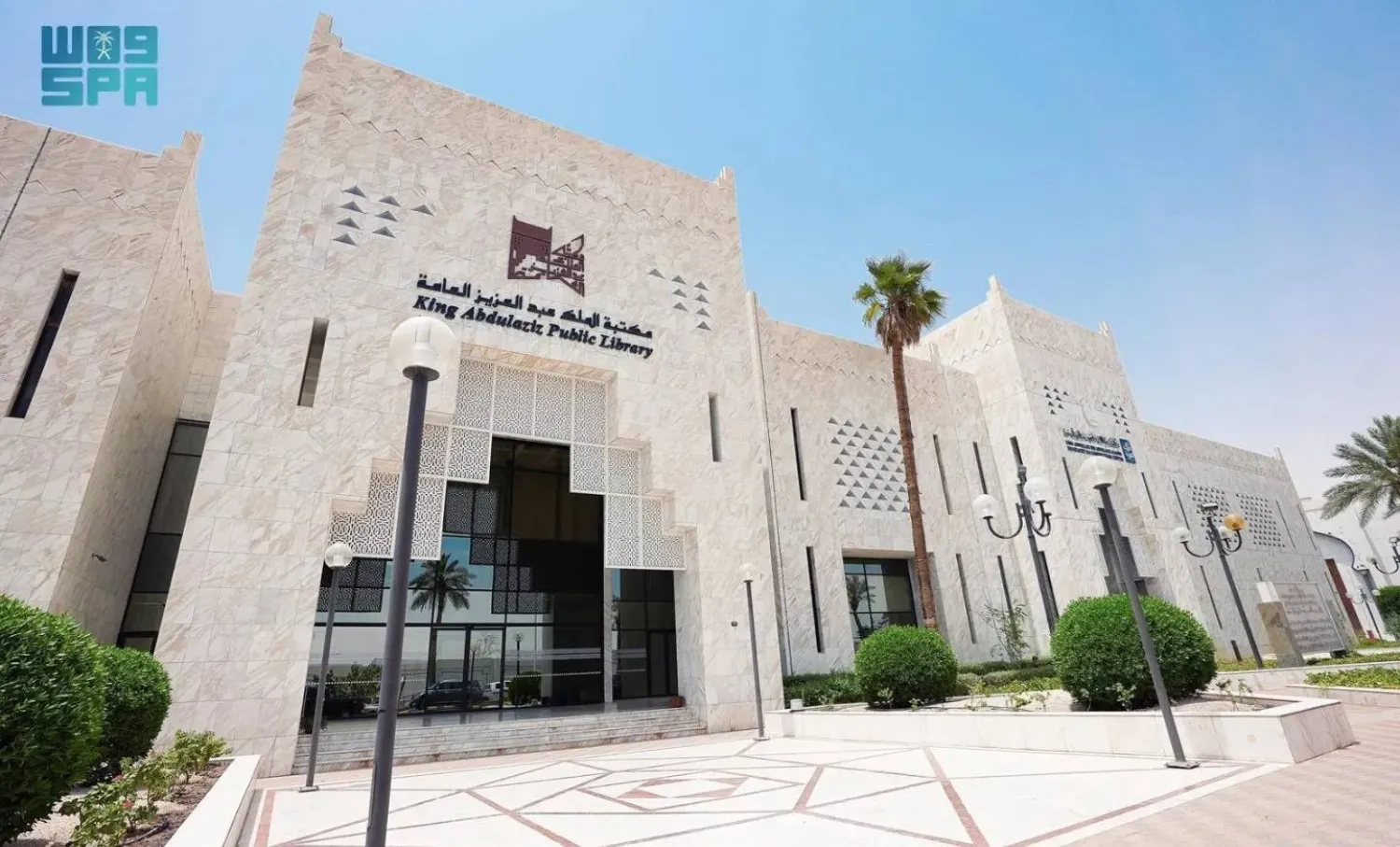
The Saudi delegation included senior officials and advisers, among them representatives from the Royal Court, the Ministry of Culture, and the King Abdulaziz Public Library, reflecting broad institutional engagement in the visit.

In the evening, Prince Badr attended the opening ceremony of the fair’s special session, held under the patronage and in the presence of al-Sharaa. The event drew wide official and cultural participation, including Arab ministers, political and intellectual figures, and a distinguished group of writers and cultural figures.

In a post on the X platform, Prince Badr thanked “our brothers in Syria for their generous hospitality and their efforts in organizing the Damascus International Book Fair.”

The minister also inaugurated the Kingdom’s pavilion at the fair in the presence of the Syrian minister of culture and the Qatari minister of culture.

Saudi Arabia’s guest-of-honor participation continues until Feb. 16 and reflects its growing prominence and leadership in the Arab and global cultural landscape.

This participation aligns with Saudi Vision 2030, which places culture at the heart of national development, viewing it as a space for dialogue, a bridge for civilizational communication, and a tool for strengthening ties among Arab peoples.

The Saudi Literature, Publishing and Translation Commission is leading the Kingdom’s participation, highlighting the development of the cultural sector and reaffirming the central role of books as carriers of knowledge and awareness.

The Saudi pavilion boasts a comprehensive cultural program featuring intellectual seminars, poetry evenings, a manuscript exhibition, traditional Saudi fashion displays, hospitality corners, archaeological replicas, and performing arts that express the depth of the Kingdom’s cultural heritage.

On the sidelines of the visit, Prince Badr, accompanied by Minister Saleh, toured the National Museum of Damascus, which houses rare artifacts spanning prehistoric eras, ancient Syrian civilizations, classical and Islamic periods, as well as traditional and modern art.


UNESCO Honors Al-Bisht Al-Hasawi as Thousands Flock to Al-Ahsa Festival

Visitors can explore interactive displays, participate in live workshops, and witness the meticulous process of tailoring this iconic symbol of prestige - SPA
TT

UNESCO Honors Al-Bisht Al-Hasawi as Thousands Flock to Al-Ahsa Festival

Visitors can explore interactive displays, participate in live workshops, and witness the meticulous process of tailoring this iconic symbol of prestige - SPA

The third edition of Al-Bisht Al-Hasawi Festival is drawing thousands of regional and international visitors to Ibrahim Palace in historic Al-Hofuf.

Organized by the Heritage Commission, this year’s festival celebrates the inscription of the Bisht on UNESCO’s Representative List of the Intangible Cultural Heritage of Humanity.

The event showcases Al-Ahsa’s centuries-old tradition of hand-weaving and gold embroidery, a craft passed down through generations of local families, SPA reported.

Visitors can explore interactive displays, participate in live workshops, and witness the meticulous process of tailoring this iconic symbol of prestige.

With UNESCO's participation and representatives from six countries, the festival has evolved into a global platform for cultural dialogue, cementing the Bisht’s status as a world-class cultural treasure.