
Israel expects to launch a long and difficult ground offensive into Gaza soon to destroy Hamas, the defense minister said Friday, describing a campaign that will require dismantling a vast network of tunnels used by the territory’s militant rulers.
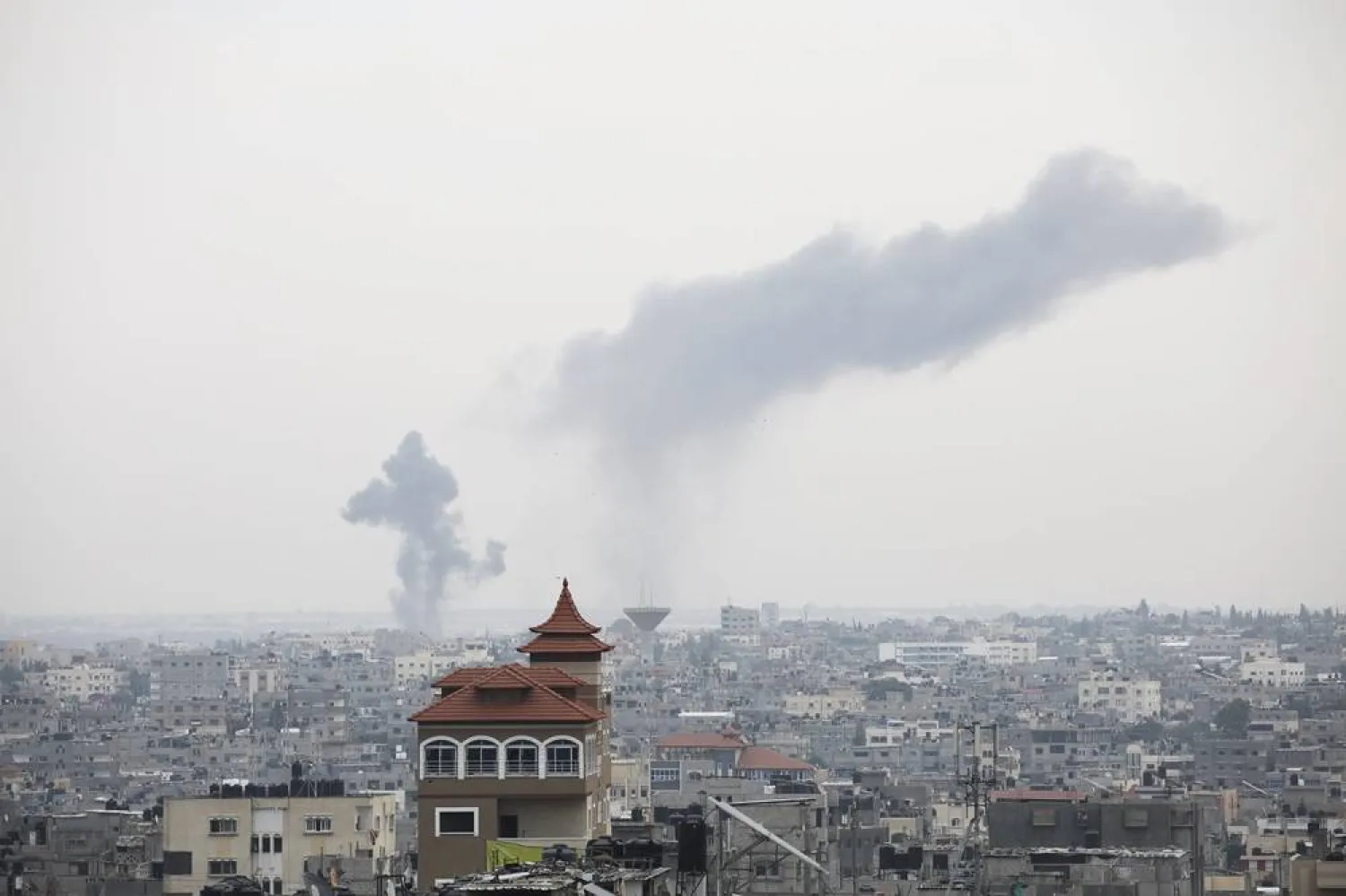
Defense Minister Yoav Gallant’s comments pointed to a potentially grueling and open-ended new phase of the war, three weeks after Hamas’ bloody incursion into southern Israel sparked relentless bombardment in Gaza. Israeli troops carried out a second ground raid into Gaza in as many days, striking the outskirts of Gaza City.
Gallant told a small group of foreign reporters that the invasion “will take a long time” and be followed by a lengthy phase of lower-intensity fighting as Israel destroys “pockets of resistance.”
Israel has said it aims to crush Hamas’ rule in Gaza and its ability to threaten Israel. But how Hamas’ defeat will be measured and an invasion’s endgame remain unclear. Israel says it does not intend to rule the tiny territory of 2.3 million Palestinians but not who it expects to govern – even as Gallant suggested a long-term insurgency could ensue.
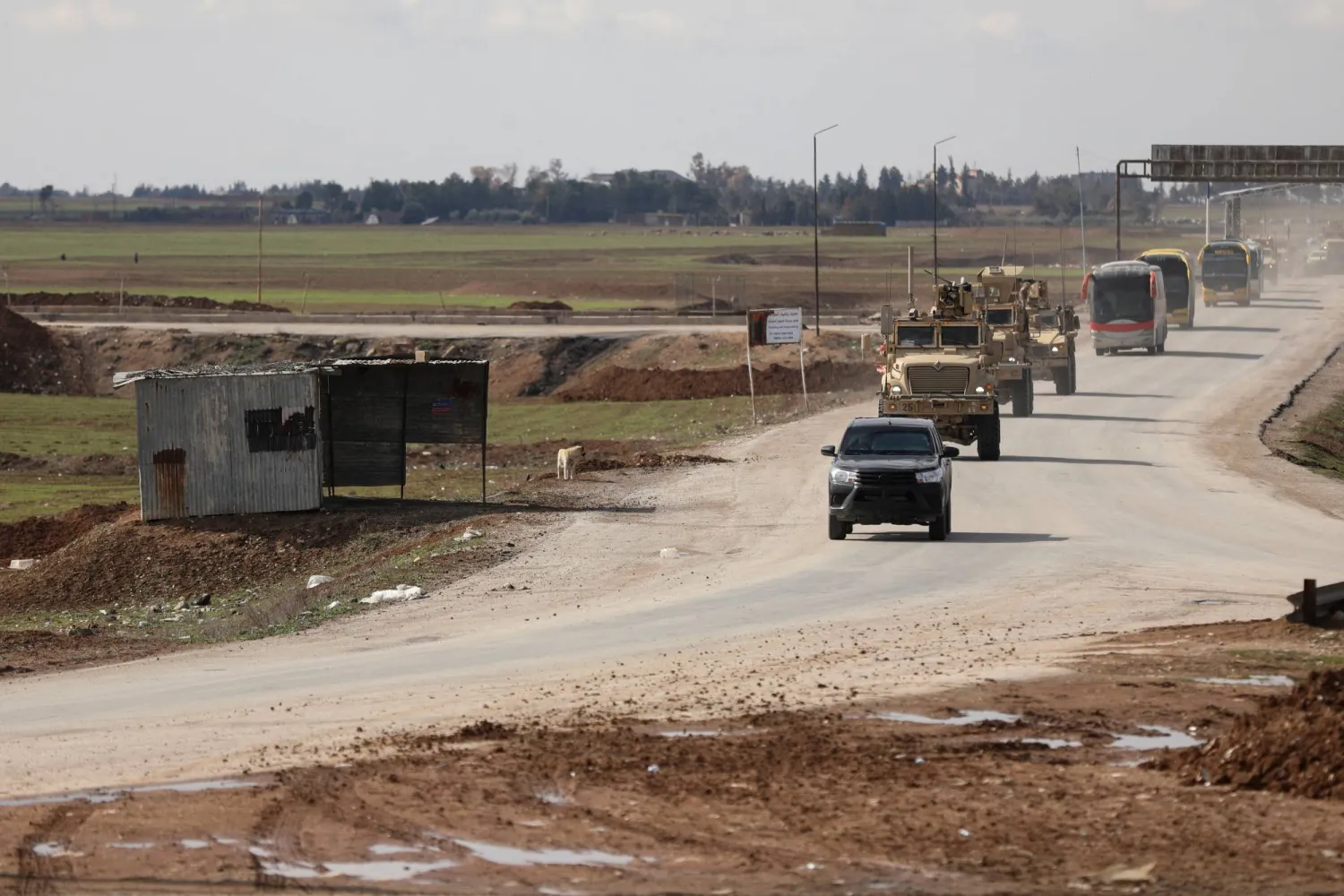
In a sign of rising tensions in the region, US warplanes struck targets in eastern Syria that the Pentagon said were linked to Iran’s Revolutionary Guard after a string of attacks on American forces, and two mysterious objects hit towns in Egypt’s Sinai Peninsula.
The Palestinian death toll in Gaza has soared past 7,300, according to officials there. A blockade on Gaza has meant dwindling supplies of food, fuel, water and medicine, and the UN warned that its aid operation helping hundreds of thousands of people was “crumbling” amid near-depleted fuel.
Gaza’s Health Ministry on Thursday released a detailed list of names and identification numbers of those killed, including more than 3,000 minors and more than 1,500 women.
More than 1,400 people were slain in Israel during Hamas’ Oct. 7 attack, according to the Israeli government, and at least 229 hostages were taken into Gaza. Palestinian militants have fired thousands of rockets into Israel, including one that hit a residential building in Tel Aviv on Friday, wounding four people.
The overall number of deaths far exceeds the combined toll of all four previous Israel-Hamas wars, estimated at around 4,000. A ground invasion is expected to cause even higher casualties on both sides as Israeli forces and Hamas battle each other in dense residential areas.
Gazan hospitals have been scrounging for fuel to run emergency generators that power incubators and other life-saving equipment after Israel cut off all fuel deliveries at the start of the war, forcing its only power plant to shut down.
Gallant said Israel believes that Hamas would confiscate any fuel that enters. He said Hamas uses generators to pump air into its hundreds of kilometers (miles) of tunnels, which originate in civilian areas. He showed reporters aerial footage of what he said was a tunnel shaft built right next to a hospital.
“For air, they need oil. For oil, they need us,” he said.
Late Friday, the army released photos showing what it claimed were Hamas installations in and around Gaza’s largest hospital, al-Shifa. Israel has made such claims before, but they declined to say how they obtained the photos.
Little is known about Hamas’ tunnels and other infrastructure, and the military’s and Gallant’s claims couldn’t be verified.
Senior Hamas official Izzat al-Rishq called the Israeli reports on al-Shifa “lies” to pave the way for strikes on the hospital.
Al-Shifa Hospital in Gaza City has been overwhelmed by thousands of patients and wounded. Also, tens of thousands of displaced residents have crowded in and around its grounds for shelter, the UN says.
About 1.4 million people in Gaza have fled their homes, with nearly half of them crowding into UN shelters. Hundreds of thousands remain in northern Gaza, despite Israel ordering them to evacuate to the south and saying that those who remain might be considered “accomplices” of Hamas.
Israel captured Gaza in the 1967 Mideast war and occupied the territory until a unilateral withdrawal in 2005. It has maintained a tight blockade over the area since Hamas rose to power in 2006 parliamentary elections and subsequently seized full control the following year from the internationally recognized Palestinian Authority.
The conflict has threatened to ignite a wider war across the region.
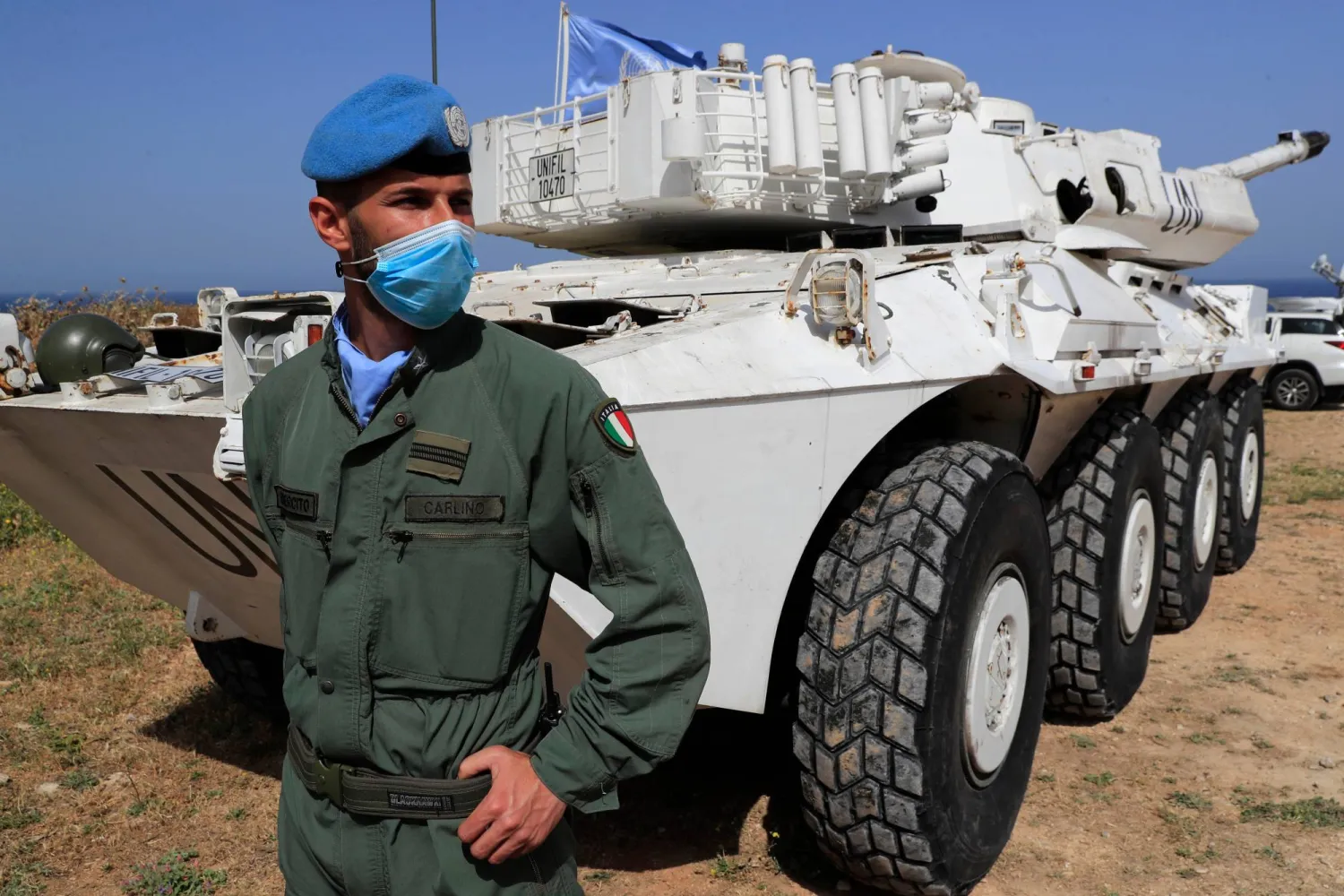
The United States has sent two aircraft carrier strike groups to the region in part to deter Iran and its allies from entering the war. Lebanon’s Iranian-backed Hezbollah has repeatedly traded fire with Israel along the border.
Last week, a US Navy destroyer in the northern Red Sea shot down three cruise missiles and several drones launched toward Israel by Iranian-backed Houthi rebels in northern Yemen.