


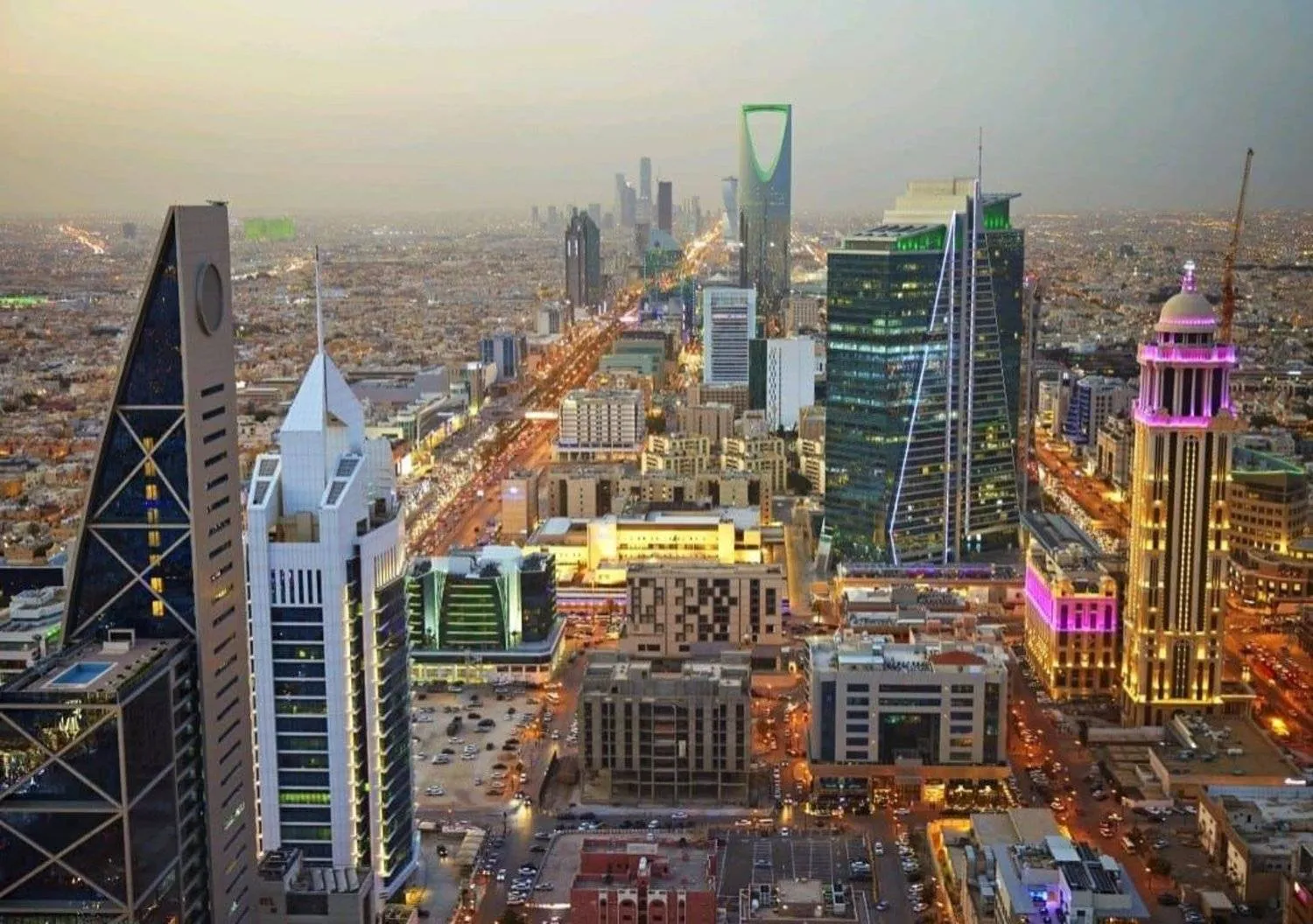

A recent report has highlighted Saudi Arabia’s economic growth, with non-oil activities rising by 3.5% in Q3 of 2023. The positive performance is mainly due to the non-oil private sector.
The report emphasized Saudi Arabia’s efforts to reduce dependence on oil exports and boost the local private sector, benefiting the national economy.
In October, consumer spending increased to SAR 179.1 billion ($47 billion), showing a 20% monthly growth and an 11.2% increase compared to the same period last year.
According to the report, the Kingdom’s Gross Domestic Product (GDP) decreased by 4.4% on a yearly basis, driven by a 17% contraction in oil activities compared to the same period last year.
This reduction is a result of the voluntary cut in oil production by one million barrels per day, expected to continue until the end of the first quarter of 2024. On the other hand, non-oil activities continued to grow, reaching 3.5%.
The report indicates a 0.8% yearly decrease in consumer loans, with a slight quarterly increase of 0.1%.
The main market index (Tadawul) showed a 4.6% monthly increase in November and a 2.6% rise compared to the same period in 2022.
Foreign investment inflow was reported at SAR 6.2 billion ($1.65 billion), decreasing by 20.7% monthly and 17.2% annually.
Moody’s Analytics recently predicted that Saudi Arabia’s non-oil GDP would grow between 3% and 4% annually until 2030, as the country increases spending to diversify its economy away from oil.
During an online seminar about the economic outlook for the Middle East and North Africa in 2024, Moody’s Analytics economist Catarina Noro stated that Saudi Arabia’s economy has shifted in the past decade, with the non-oil sector claiming a growing share of the GDP.


