


Online Retailer Shein Is Latest to Face Strict European Union Digital Regulations

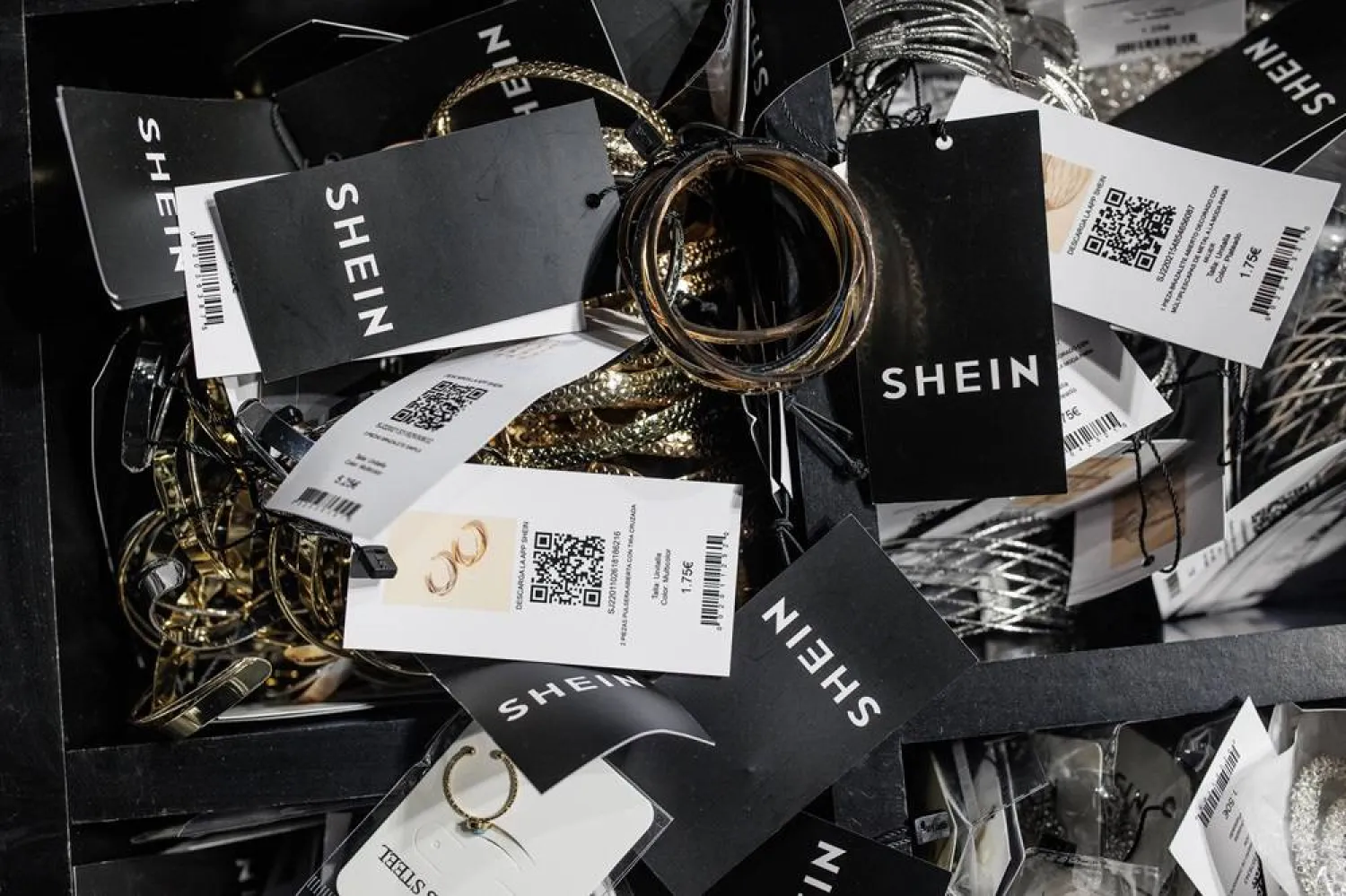
 26 April 2024, Spain, Madrid: Shein Accessories are pictured in an ephemeral store during its opening at ABC Serrano in Madrid. (dpa)
26 April 2024, Spain, Madrid: Shein Accessories are pictured in an ephemeral store during its opening at ABC Serrano in Madrid. (dpa)
TT

Online Retailer Shein Is Latest to Face Strict European Union Digital Regulations

 26 April 2024, Spain, Madrid: Shein Accessories are pictured in an ephemeral store during its opening at ABC Serrano in Madrid. (dpa)
26 April 2024, Spain, Madrid: Shein Accessories are pictured in an ephemeral store during its opening at ABC Serrano in Madrid. (dpa)

Online fast-fashion retailer Shein must face the European Union's strictest level of digital regulations, the bloc said on Friday as it added the company to its list of big platforms that need extra scrutiny.

The EU's Executive Commission said it formally classed Shein as a “very large online platform” under the 27-nation bloc's Digital Services Act, an expansive rulebook designed to clean up online platforms and keep internet users safe.

Shein is a low-cost online retailer that was founded in China but is now based in Singapore. It reaches customers mainly through its app. The company said it will “work constructively” to "deliver a safe and compliant environment for our online community.”

“We share the Commission’s ambition to ensure consumers in the EU can shop online with peace of mind, and we are committed to playing our part," Leonard Lin, Shein's global head of public affairs, said in a statement. “We also share a commitment to the principles of transparency and accountability that are at the core of the DSA."

Shein has had a meteoric rise in the West by offering low-cost apparel and household items, primarily targeting younger women through social media partnerships with online influencers and celebrities.

Because it has more than 45 million European users, Shein has to start obeying the most stringent requirements by August. They include taking specific measures to protect online users and assessing and mitigating any “systemic risks” from its services, such as limiting the sale of illegal or counterfeit products.

Shein's obligations also include adjusting its user interfaces and recommendation algorithms to prevent risks to consumer safety and well-being, and filing annual risk assessment reports evaluating potential harm to consumers, especially children, the commission said.

The EU already has 22 tech names including Facebook, TikTok, YouTube, Instagram, Amazon and Google Search on its list of the biggest online services that need the toughest tier of supervision since the DSA took effect last year.

Other online services operating in the EU aren't exempt - they still have to comply with the law's general requirements. Violations are punishable by fines of up to 6% of a company's annual worldwide revenue.



Nike Shares Rise as Apple’s Cook Doubles His Bet on CEO Hill’s Overhaul Effort

A jogger wearing Nike shoes runs along the Charles River in Cambridge, Massachusetts, US, March 18, 2019. (Reuters)
TT

Nike Shares Rise as Apple’s Cook Doubles His Bet on CEO Hill’s Overhaul Effort

A jogger wearing Nike shoes runs along the Charles River in Cambridge, Massachusetts, US, March 18, 2019. (Reuters)

Nike shares rose 5% in early trading on Wednesday after Apple CEO Tim Cook doubled his personal stake in the sportswear maker, raising his bets on the margin-pinching turnaround efforts led by CEO Elliott Hill.

Cook, who has been on Nike's board since 2005, bought 50,000 shares at $58.97 ‌each, according to ‌a regulatory filing. As of December ‌22, ⁠he holds about ‌105,000 shares, which is now worth nearly $6 million.

It was the largest open market stock purchase for a Nike director or executive and possibly the largest in more than a decade, said Jonathan Komp, analyst at Baird Equity Research.

"(We see) Cook's move as a positive signal for the progress under CEO Elliott Hill and Nike's 'Win ⁠Now' actions," Komp said.

The purchase comes days after Nike reported weaker quarterly margins and weak ‌sales in China even as CEO ‍Hill tries to revive demand ‍through fresh marketing plans and innovation focused on running and sports, ‍while phasing out lagging lifestyle brands.

He has also attempted to mend Nike's ties with wholesalers such as Dicks Sporting Goods to increase visibility among shoppers amid stiff competition from newer brands.

However, the strategy has strained Nike's margins, which have been declining for over a year, while its efforts to win back its ⁠premier position in discount-friendly China appears to be faltering.

Nike's shares have slumped nearly 13% since it reported results on December 18 and are on track for the fourth straight year of declines. They were trading at $60.19 on Wednesday.

Cook has been a lead independent director of Nike since 2016 when co-founder Phil Knight stepped down as its chairman.

The Apple CEO "remains extremely close" with Knight, Komp said, adding that he has advised Nike through key strategic decisions including Hill's appointment last year.

Board director and former Intel CEO ‌Robert Swan also bought about 8,700 shares for about $500,000 this week.


Etro Founding Family Exits Group as New Investors Including Türkiye's RAMS Global Join

L Catterton, a private equity firm backed by French luxury giant LVMH, will remain Etro's majority owner. Reuters
TT

Etro Founding Family Exits Group as New Investors Including Türkiye's RAMS Global Join

L Catterton, a private equity firm backed by French luxury giant LVMH, will remain Etro's majority owner. Reuters

The founding family of Italian fashion house Etro has sold the minority stake it still owned in the brand to a group of investors including Turkish group RAMS Global, the company said on Friday.

L Catterton, a private equity firm backed by French luxury giant LVMH, will remain Etro's majority owner and "will continue to actively support the brand's long-term growth strategy," Etro added, according to Reuters.

The new investors comprise also Italian fashion group Swinger International and small private equity firm ⁠RSI.

In addition to buying the stake, they all subscribed to a capital increase that will lower L Catterton's holding in Etro to between 51% and 55% from around 65%.

When including both the acquisition and the capital increase, the deal is worth around 70 ⁠million euros ($82 million), two sources close to the matter said. Etro did not disclose financial details.

Chief Executive Fabrizio Cardinali will remain at the helm, while Faruk Bülbül, representing RAMS Global, will become chairman of the board.

L Catterton bought a 60% stake in the brand known for its paisley motif four years ago, and it slightly increased the holding over the years.

The company, founded by Gimmo Etro in 1968, has ⁠been struggling with its turnaround. Last year it posted a net loss of 23 million euros with net revenues declining to 245 million euros from 261 million euros, according to filings with the local chambers of commerce reviewed by Reuters.

Rothschild advised L Catterton and the Etro family on the deal.

Rothschild had been hired in 2024 to look for a new investor who could buy all or part of the Etro fashion group, sources had previously told Reuters.


Paris Court Rejects Bid to Suspend Shein Platform in France

A customer holds shopping bags with a Shein logo in the first physical space of Chinese online fast-fashion retailer Shein on the day of its opening inside the Le BHV Marais department store, the Bazar de l'Hotel de Ville, in Paris, France, November 5, 2025. REUTERS/Sarah Meyssonnier/File Photo
TT

Paris Court Rejects Bid to Suspend Shein Platform in France

A customer holds shopping bags with a Shein logo in the first physical space of Chinese online fast-fashion retailer Shein on the day of its opening inside the Le BHV Marais department store, the Bazar de l'Hotel de Ville, in Paris, France, November 5, 2025. REUTERS/Sarah Meyssonnier/File Photo

A Paris court on Friday rejected a government request to suspend Chinese fast-fashion platform Shein in France after authorities found illegal weapons and child-like sex dolls for sale on the fast-fashion giant’s website.

Shein welcomed the decision, saying it remains committed to strengthening its control processes in cooperation with French authorities.

“Our priority remains protecting French consumers and ensuring compliance with local laws and regulations," the company said in an emailed statement to The Associated Press.

The controversy dates to early November, when France’s consumer watchdog and Finance Ministry moved toward suspending Shein’s online marketplace after authorities said they had found childlike sex dolls and prohibited “Class A” weapons listed for sale, even as the company opened its first permanent store in Paris.

French authorities gave Shein hours to remove the items. The company responded by banning the products and largely shutting down third-party marketplace listings in France.

French officials have also asked the European Commission to examine how illegal products were able to appear on the platform under EU rules governing large online intermediaries.