Saudi Arabia to Propose Investment Opportunities in Six Mining Locationshttps://english.aawsat.com/business/4996241-saudi-arabia-propose-investment-opportunities-six-mining-locations
Saudi Arabia to Propose Investment Opportunities in Six Mining Locations
Engineers explore a min in Saudi Arabia. (SPA)
The mining sector in Saudi Arabia is witnessing growth and development with more investment opportunities expected to be proposed in 2024.
Six locations will be the targets of the fifth round of exploration. They include gold, copper and zinc and span an area of 940 square kms.
Assistant Deputy Minister for Mining Enablement at the Ministry of Industry and Mineral Resources Abdulrahman AlBelushi told Asharq Al-Awsat that the ministry has granted over 500 exploration licenses.
Exploration has witnessed a qualitative leap and it is reaching new heights year after year, he added. This has paved the way for the development of new mines.
The development can all be credited to the amendment of the mining investment regulation, he stated.
Saudi Arabia’s mining wealth is estimated at SAR9.6 trillion (USD2.5 trillion), he went on to say.
He underscored the importance of the optimal exploitation of this wealth so that it can become part of national industries and so that its products can help grow industrial cities in target areas such as cars and planes.
On the Arabian Shield region, AlBelushi said the Saudi Geological Survey has carried out extensive work in the area, using various geophysical and geochemical tools.
Work is underway to develop accurate maps of this work, he revealed.
Saudi Arabia boasts massive mineral wealth, and it will be explored through every mean possible, he stressed.
Saudi Arabia has sought to develop the mining sector in recent years. It launched the largest and most modern geological survey in the world, covering an area of 600,000 kms of the Arabian Shield.
Saudi Arabia Leads G20 with 7.9% Growth Forecast in 2027
King Abdullah Financial District in Riyadh (Asharq Al-Awsat)
Saudi Arabia is projected to lead the G20 countries in economic growth forecasts for 2027, according to International Monetary Fund (IMF) estimates. The IMF projects the Kingdom's real GDP to grow by 7.9 percent, the highest rate among the group's economies, as shown in data published by the Saudi Ministry of Investment.
The Fund had previously raised its projections for the Kingdom's real GDP growth to 7.9 percent, compared to 5.5 percent in its July estimates, an increase of 2.4 percentage points.
This revision comes amid expectations of economic activity regaining momentum as regional conflict-related disruptions subside, and oil production and exports gradually return to normal levels.
India ranked second among G20 countries with a projected growth rate of 7 percent, followed by Indonesia at 5.1 percent, then China at 4 percent, and Türkiye at 3.6 percent, according to IMF data reviewed by the Ministry.
Argentina came in sixth with projected growth of 3.5 percent, followed by South Korea at 2.8 percent, then the United States at 2.3 percent. Projections for Brazil stood at 1.9 percent, Mexico at 1.8 percent, Canada at 1.7 percent, Australia at 1.6 percent, South Africa at 1.3 percent, and the United Kingdom at 1.2 percent.
Germany registered projected growth of 1.1 percent, Russia 0.9 percent, while projections for France and Japan were 0.7 percent each, with Italy coming in last at 0.6 percent.
Growth Forecasts Revised
In an assessment of the recovery path, the Fund noted that the diversification of Saudi energy export routes limits the Kingdom's vulnerability to geopolitical disruptions compared to some regional economies. This is due to the the East-West Pipeline's ability to divert some oil exports to Yanbu Port on the Red Sea, away from the Strait of Hormuz.
The IMF's estimates align with the World Bank's projections, which also raised its forecast for Saudi economic growth in 2027 to 7.9 percent, compared to 4.9 percent in its April estimates, while anticipating a 2 percent contraction in GDP during 2026.
Globally, the IMF expects the world economy to grow by 3.1 percent in 2026 before rising to 3.4 percent in 2027, placing Saudi Arabia's growth forecast at more than double the projected global rate for the coming year.
The Saudi Ministry of Investment said that the Kingdom’s leading growth outlook among G20 countries reflects the strength and resilience of its economy and opens up broader prospects for investment and growth.
This is supported by strong private-sector momentum and the expansion of non-oil activities, reinforcing the Kingdom’s shift toward a more diversified, sustainable, and investment-friendly economy.
Saudi Arabia to Host Global Water Innovation Conference in Jeddahhttps://english.aawsat.com/business/5331896-saudi-arabia-host-global-water-innovation-conference-jeddah
Saudi Arabia to Host Global Water Innovation Conference in Jeddah
Participants at a previous edition of the Innovation Driven Water Sustainability Conference. (Saudi Water Authority)
Saudi Arabia will host water industry experts from more than 140 countries in Jeddah from December 14 to 16 for a conference focused on harnessing innovation to tackle growing water security challenges.
Organized by the Saudi Water Authority, the Innovation Driven Water Sustainability Conference (IDWS 2026) is expected to draw more than 10,000 participants and 250 speakers, with an exhibition featuring over 150 international brands.
Bringing together researchers, investors, technology companies and water utility operators, the event aims to bridge the gap between scientific advances and the practical needs of the industry, helping promising solutions reach commercial markets.
Tariq Al-Ghafari, the authority’s vice president for research and emerging water technologies, described the conference as an opportunity to connect new technologies with financing and operational expertise, paving the way for wider adoption.
The gathering comes as pressure on water resources intensifies, creating growing demand for investment in infrastructure and technology.
The global market for water security and infrastructure management is estimated at $303.8 billion, while planned construction and engineering projects in the water and wastewater sectors exceed $1.2 trillion.
Meeting the UN Sustainable Development Goals for clean water and sanitation will require an additional $131 billion to $140 billion annually, highlighting the scale of investment needed to expand access and modernize infrastructure.
According to the World Health Organization and UNICEF, around 1.8 billion people live in households without water supplies on the premises.
Agriculture alone accounts for approximately 72% of global freshwater withdrawals, according to the UN Food and Agriculture Organization, underscoring the importance of improving efficiency in water-intensive sectors.
Against this backdrop, the conference will explore ways to expand treated wastewater reuse, promote circular economy practices and apply artificial intelligence, digital technologies and data analytics to water management.
Discussions will also examine how regulation, financing and workforce development can speed up the adoption of new technologies, while improving efficiency across the water cycle, from production and treatment to resource recovery.
The program includes the MiyahThon innovation competition, startup showcases and the fourth edition of the Global Prize for Innovation in Water.
These initiatives are designed to bring innovators together with investors and water operators, giving emerging technologies a clearer path from development to commercial deployment.
By connecting research with investment and industry needs, the conference aims to help turn promising ideas into practical solutions as countries seek more efficient, resilient and sustainable water infrastructure.
Arada Enters Saudi Property Market with $13.3 Billion Portfoliohttps://english.aawsat.com/business/5331886-arada-enters-saudi-property-market-133-billion-portfolio
Arada Enters Saudi Property Market with $13.3 Billion Portfolio
The Saudi capital, Riyadh (SPA)
Property developer Arada is entering Saudi Arabia through a partnership with local firm XTOPIA, gaining access to a SAR 50 billion ($13.3 billion) land and development portfolio as the Kingdom continues to attract international investment despite global economic uncertainty.
The new venture, Arada KSA, will launch its first project in Riyadh’s Al Rimal district, a SAR 14 billion residential development comprising around 3,500 villas and townhouses.
Arada KSA Chairman Mohammed AlDhabaan told Asharq Al-Awsat that the investment reflected long-term confidence in Saudi Arabia’s economic prospects, supported by Vision 2030 reforms, infrastructure development and growing housing demand.
The Kingdom’s clear economic policies, sustained reforms and improving investment environment provide the certainty needed for long-term commitments, he explained.
“Our investment in the Kingdom is not tied to temporary market conditions but rests on firm confidence in its future and the economic transformation driven by Vision 2030 with government support,” AlDhabaan said.
He described the Riyadh development as an investment in the future rather than simply a response to current demand, marking the beginning of a lasting commitment to the Saudi market.
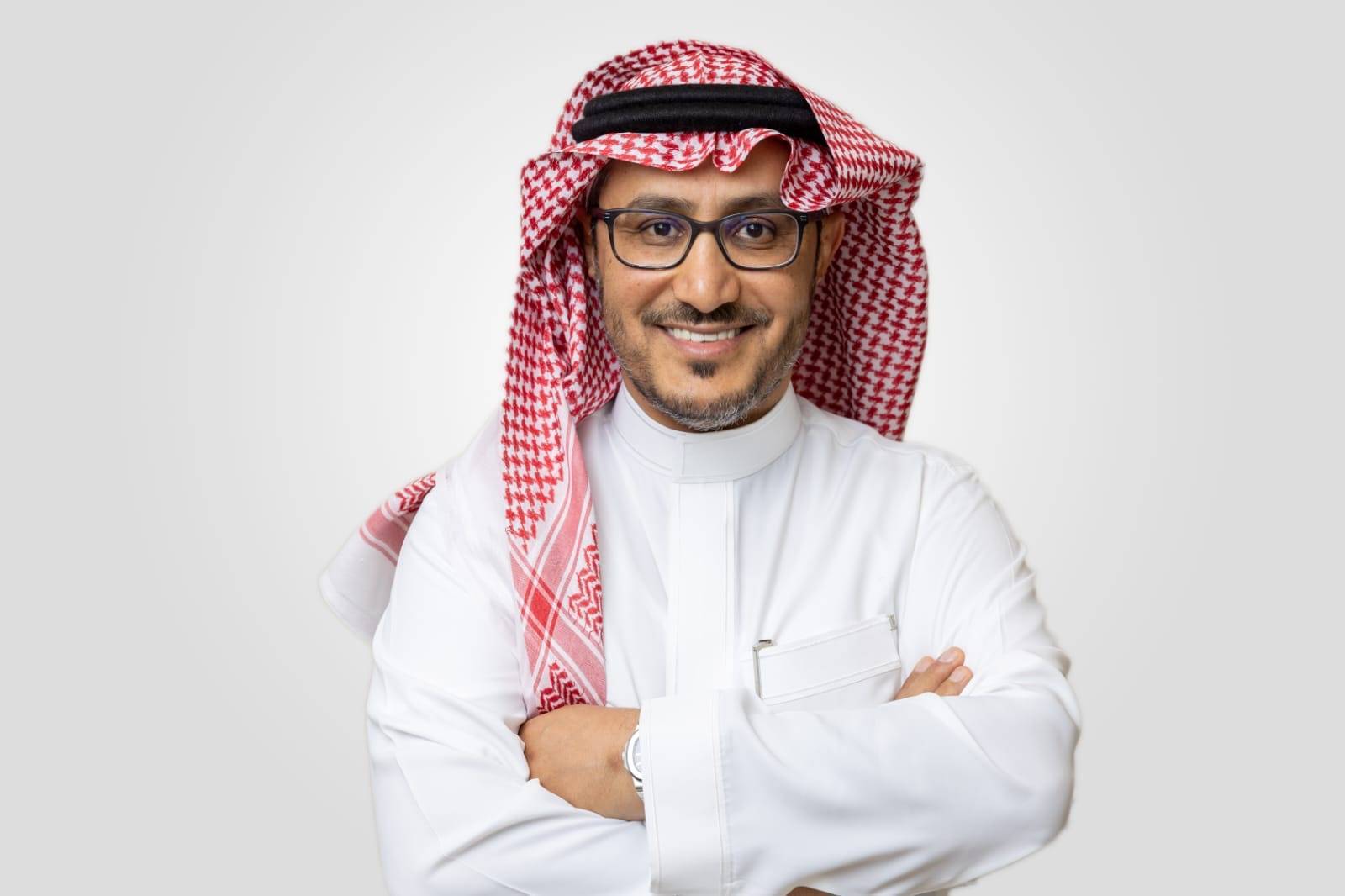
Arada KSA Chairman Mohammed AlDhabaan (Asharq Al-Awsat)
Housing demand and prices
AlDhabaan expressed optimism about the sector’s prospects, citing population growth, the formation of new households, urban expansion and government initiatives to increase homeownership and improve quality of life.
The next phase of growth, he argued, would be measured not only by the number of homes built but also by developers’ ability to create communities that meet residents’ everyday needs.
Location, affordability, access to financing, infrastructure and confidence in developers would shape demand, while land and construction costs would remain key factors influencing prices.
“No single project can determine market prices. They are influenced by supply and demand, land and construction costs, and financing,” he noted.
“However, increasing supply, diversifying housing products and improving development efficiency can strengthen competition and give buyers more options.”
Developers that combine quality design and construction with integrated facilities and reliable delivery would have a competitive advantage, he added.
First project in Riyadh
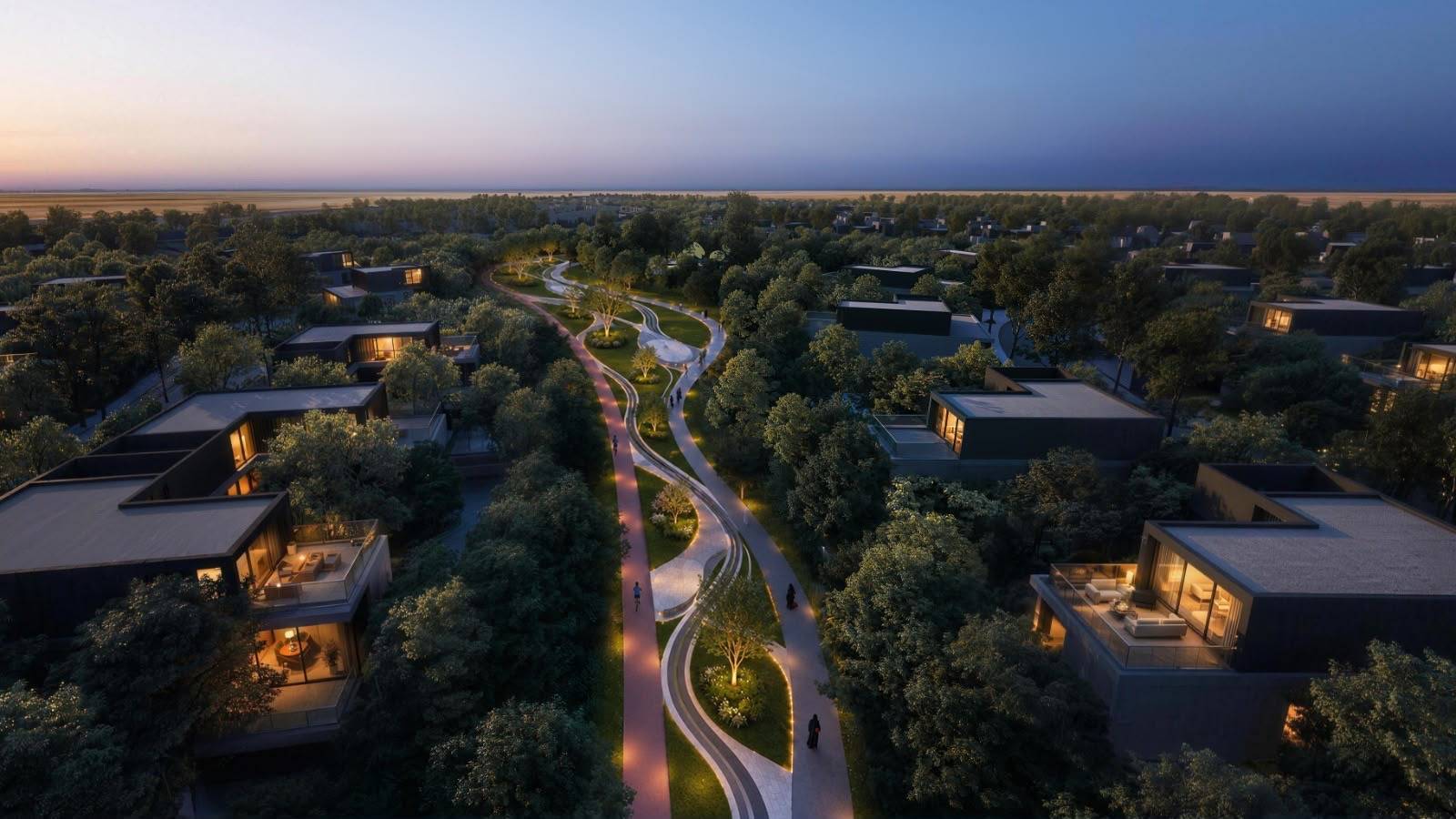
Arada KSA’s inaugural development in northeastern Riyadh will feature approximately 3,500 villas and townhouses alongside educational, retail and sports facilities, a community center and green spaces incorporating around 100,000 trees.
The company will work with relevant government authorities to prepare a master plan aligned with the capital’s urban development requirements.
The project will be financed through an investment structure regulated by Saudi Arabia’s Capital Market Authority and managed by a licensed financial company. Construction and sales are scheduled to begin in 2027.
Design model for one of the company’s projects in Saudi Arabia (Asharq Al-Awsat)
Partnership and expansion
Established with XTOPIA, Arada KSA will have access to a 10 million-square-meter land portfolio across Riyadh, Jeddah and Makkah, providing opportunities for further residential developments in the coming years.
AlDhabaan, who also chairs XTOPIA, will lead the new company, bringing together Arada’s international experience in developing residential communities and its Saudi partner’s knowledge of the local market.
He believes the combination will allow the venture to build a lasting presence in the Kingdom while contributing to Vision 2030’s housing and quality-of-life objectives.
The Saudi expansion forms part of Arada’s broader international strategy. Its development portfolio is valued at approximately SAR 189 billion ($50.4 billion) across five markets: Saudi Arabia, the United Arab Emirates, the United Kingdom, Australia and Syria.
The company has more than 70,000 residential units in its portfolio, including around 17,000 already completed, according to its figures.
Green Riyadh initiative
The Al Rimal development also aligns with Saudi Arabia’s efforts to improve urban living standards and expand green spaces.
Through the Green Riyadh initiative, the Royal Commission for Riyadh City aims to plant 7.5 million trees across the capital and increase green space per resident from 1.7 square meters to 28 square meters by 2030.
Arada’s entry comes as local and international developers compete to meet rising housing demand and offer buyers a wider range of residential options.
لم تشترك بعد
انشئ حساباً خاصاً بك لتحصل على أخبار مخصصة لك ولتتمتع بخاصية حفظ المقالات وتتلقى نشراتنا البريدية المتنوعة