


Saudi Coffee Co. to Open its First Factory in Jazan

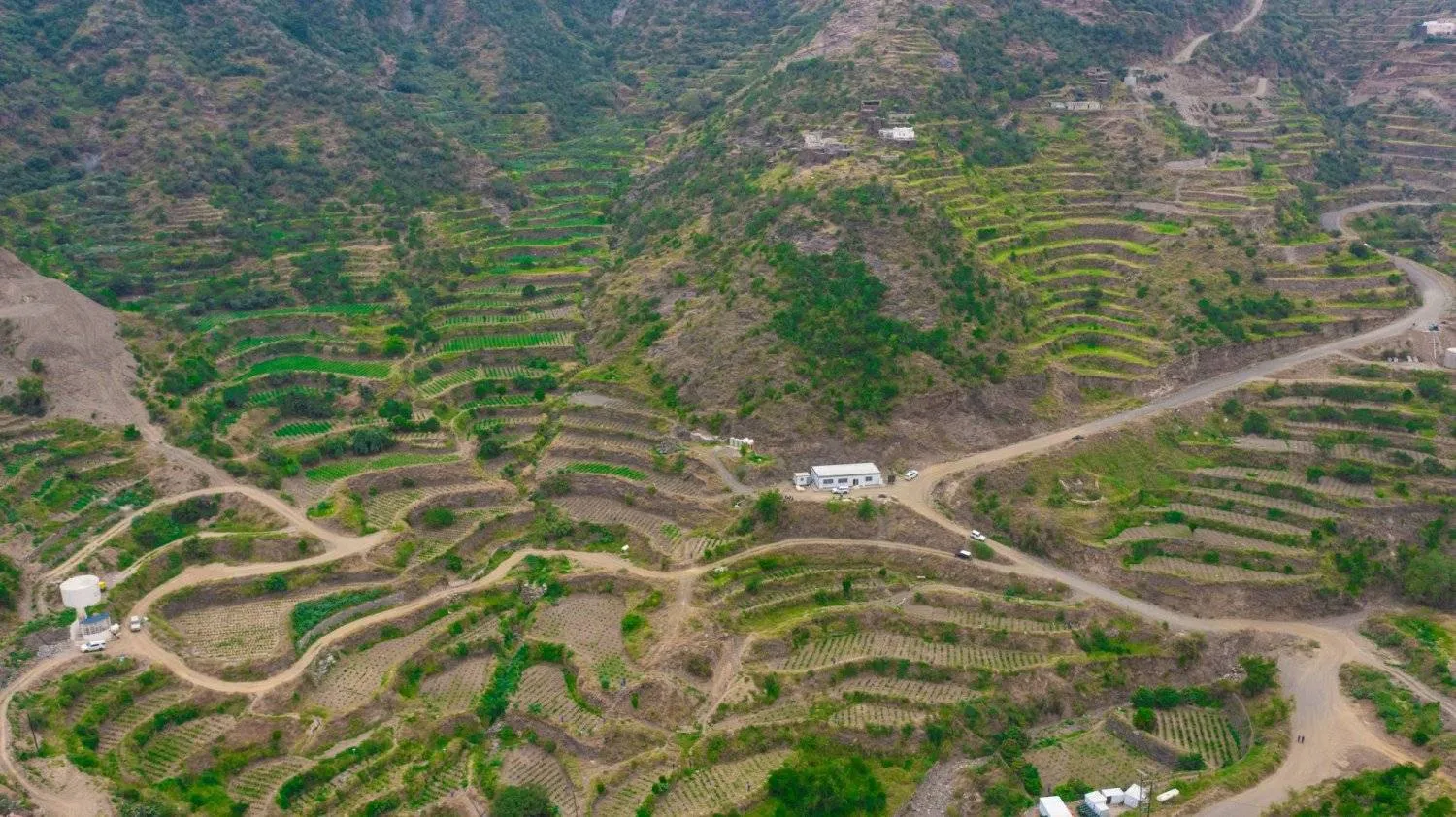
The Jazan region is known for the Saudi coffee plant. (Asharq Al-Awsat)
TT

Saudi Coffee Co. to Open its First Factory in Jazan

The Jazan region is known for the Saudi coffee plant. (Asharq Al-Awsat)

The coffee market in Saudi Arabia is expected to grow by 5 percent in the coming years, providing great investment opportunities for the Saudi Coffee Company, which is owned by the Public Investment Fund (PIF).

The company received approval to begin operations in Jazan, marking the establishment of the first production facility for the product in the Kingdom. The project falls within the efforts to empower the industry and promote the production and export of the national coffee worldwide.

Jazan is famous for its high-quality Saudi coffee plant, the cultivation of which represents an important source of income for the residents.

In remarks to Asharq Al-Awsat, Executive Director of Sales and Distribution at the Saudi Coffee Co. Rakan Hariri pointed to four elements that consolidate the role of the new factory.

They include strengthening the local economy by increasing production and empowering farmers, generating job opportunities in multiple fields such as agriculture, manufacturing, marketing, and retail, promoting local culture, as coffee is part of the Saudi cultural identity, and finally, encouraging sustainable agriculture and the use of resources in a way that preserves the environment for future generations.

The company’s priority is to meet the local demand for coffee, including distribution to various regions, with a focus on the quality of the product, Hariri added.

“To ensure the success of Saudi coffee in international markets, we will adhere to the highest quality standards in the factory and achieve compliance with international health and safety standards,” he remarked.

Hariri revealed that the company plans in the future to increase local production, through model farms, cooperate with farmers, through contract farming, and follow a program to empower coffee farmers to reach the target of 5 million trees by 2030.

He explained that the company is working on gradual geographical expansion based on market studies and careful analysis of demand, stressing that efforts are underway to invest in technology to improve production processes and increase efficiency. This includes modernizing equipment, improving farming practices, and adopting advanced management systems for quality control and traceability.

In November, the Saudi Coffee Co. signed four memorandums of understanding with leading institutions and organizations from the public and private sectors at the Jazan Investment Forum as part of its efforts to achieve a qualitative shift in the coffee industry sector in the Kingdom.


Saudi Industry Minister Says Kazakhstan Is a Trusted Partner in Critical Minerals

Saudi Minister of Industry and Mineral Resources Bandar Alkhorayef said Kazakhstan is a trusted partner in the critical minerals sector. (SPA)
TT

Saudi Industry Minister Says Kazakhstan Is a Trusted Partner in Critical Minerals

Saudi Minister of Industry and Mineral Resources Bandar Alkhorayef said Kazakhstan is a trusted partner in the critical minerals sector. (SPA)

Saudi Minister of Industry and Mineral Resources Bandar Alkhorayef said Kazakhstan is a trusted partner in the critical minerals sector, which is essential for energy transition, electricity, and advanced manufacturing industries.

He noted that mining partnerships between the two countries contribute to accelerating investment, strengthening supply chains, and creating sustainable industrial value, the Saudi Press Agency reported on Friday.

The remarks were made during a high-level panel discussion on global partnerships and the future of the mining and minerals sector, held as part of the Astana Mining and Metallurgy Congress in Kazakhstan. Government officials and industry leaders from around the world participated in the meeting.

The minister added that Saudi Arabia and Kazakhstan share similar economic and industrial ambitions, as well as a common vision of the importance of developing the mining sector and its role in supporting economic diversification, enhancing industrial resilience, and achieving sustainable growth.


IMF Cuts 2026 Euro Zone Growth Forecast with Higher Inflation

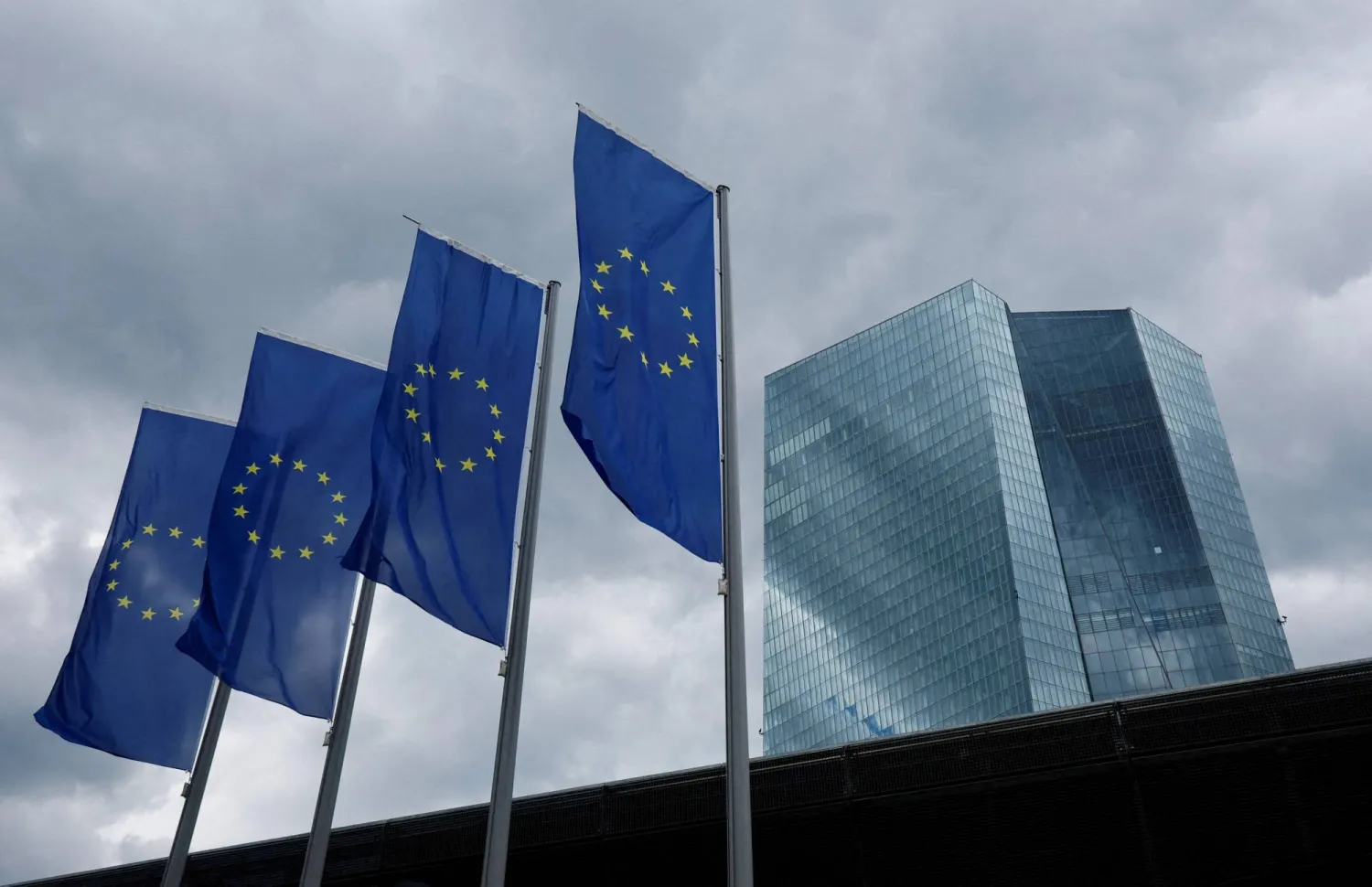
FILE PHOTO: Dark clouds are seen over the building of the European Central Bank (ECB) in Frankfurt, Germany, June 6, 2024. REUTERS/Wolfgang Rattay/File Photo
TT

IMF Cuts 2026 Euro Zone Growth Forecast with Higher Inflation

FILE PHOTO: Dark clouds are seen over the building of the European Central Bank (ECB) in Frankfurt, Germany, June 6, 2024. REUTERS/Wolfgang Rattay/File Photo

The International Monetary Fund cut its growth forecast for the euro zone on Thursday and raised its expectation for inflation because of the US-Israeli war on Iran, adding that the economic situation could worsen if high energy prices persisted.

In its regular report on the economy of the 21 countries that share the euro currency, the IMF said economic growth this year would be 0.9%, down from ⁠1.1% forecast in ⁠April while inflation would be 2.8%, up from 2.6% forecast in April.

The IMF's had already revised down its euro zone growth forecast in April from its January prediction.

"Following a period of growth at potential and inflation on target, the euro area outlook has weakened," the IMF said in a report presented to ⁠euro zone finance ministers, referring to the war in the Middle East as a "large but temporary adverse supply shock."

"An even more persistent energy shock could raise inflation and inflation expectations further, even as a drop in confidence or financial stress could weaken demand. A resurgence of the conflict in the Middle East or delays in repairing energy infrastructure, intensified hostilities in Ukraine, and further trade policy adjustments pose additional downside risks," Reuters quoted it as saying.

The IMF said the European Central Bank, which earlier on Thursday raised interest rates for ⁠the first ⁠time in nearly three years, was likely to raise rates again for a cumulative 50 basis points increase in 2026, with a third rate rise also possible.

The IMF warned euro zone finance ministers against rushing to cushion their economies against the impact of high energy costs. "Broad-based fiscal support is not warranted," it said.

Many euro zone members had already introduced measures, averaging around 0.1 percent of GDP across the EU on a GDP-weighted basis as of May 2026.

It said, despite their limited scale so far, the measures likely blunted incentives for energy conservation and that future measures should targeted more to protect vulnerable households.


Egypt Signs Deal to Transfer Shares in Wataniya 172 Fuel Stations to Taqa Arabia

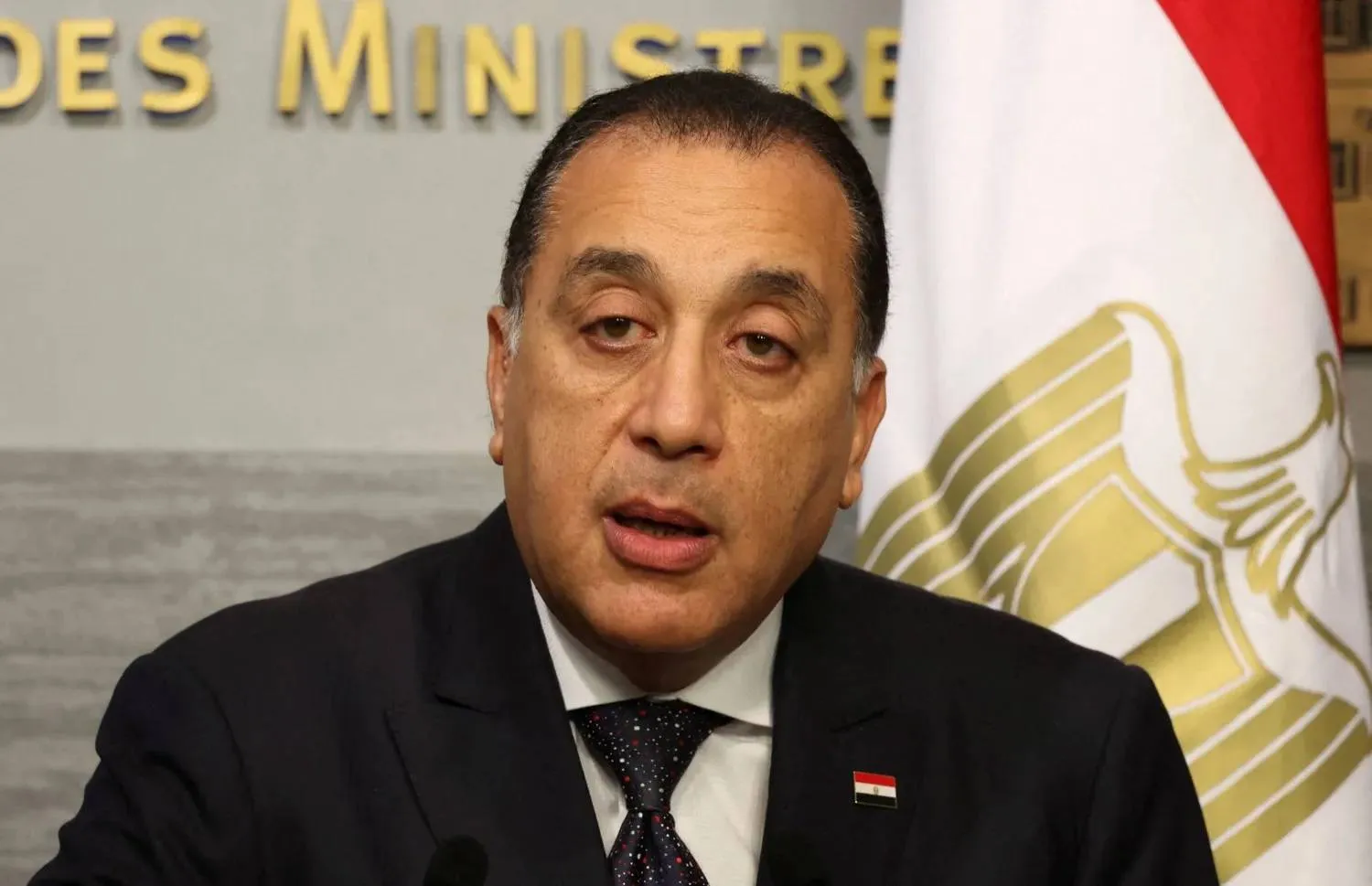
Egyptian Prime Minister Mostafa Madbouly. Reuters file photo
TT

Egypt Signs Deal to Transfer Shares in Wataniya 172 Fuel Stations to Taqa Arabia

Egyptian Prime Minister Mostafa Madbouly. Reuters file photo

Egypt signed an agreement on Thursday with Taqa Arabia to transfer ownership of a stake in 172 state-owned Wataniya fuel stations through a newly established company, Quick Fuel, according to a ⁠cabinet statement.

Under the ⁠agreement, Taqa Arabia will acquire a 10% stake in Quick Fuel and will also have ⁠the option to acquire an additional 15% stake when the company is listed on the Egyptian stock exchange, Reuters reported.

Egypt said last year it would offer stakes in military-owned companies, which included Wataniya Petroleum, through ⁠its ⁠sovereign wealth fund.

The IMF has made increasing the role of the private sector in the economy a requirement for Egypt's $8 billion loan program.