


Lull in Gaza Fighting Despite Blasts in South

17 June 2024, Palestinian Territories, Khan Younis: Palestinians walk among the rubble of houses destroyed in the Israeli bombardment of Khan Younis, in the southern Gaza Strip, on the second day of Eid al-Adha. (APA Images via ZUMA Press Wire/dpa)
TT

Lull in Gaza Fighting Despite Blasts in South

17 June 2024, Palestinian Territories, Khan Younis: Palestinians walk among the rubble of houses destroyed in the Israeli bombardment of Khan Younis, in the southern Gaza Strip, on the second day of Eid al-Adha. (APA Images via ZUMA Press Wire/dpa)

Israel struck Gaza on Monday and witnesses reported blasts in the besieged territory's south, but fighting had largely subsided on the second day of an army-declared "pause" to facilitate aid flows.

The relative calm came as Israel's Prime Minister Benjamin Netanyahu dissolved his war cabinet, reflecting the country's political fractures.

David Mencer, spokesman for the prime minister's office, said the body had been disbanded following the resignation of centrist leader Benny Gantz, who had required a war cabinet's formation in order to join a unity government.

Mencer said the war cabinet's duties will be taken over by the pre-existing security cabinet which had finalized decisions proposed by the war cabinet.

Israeli media said the move was meant to counter pressure from far-right politicians seeking a greater say in decision-making.

The daytime "pause" for aid deliveries around a southern Gaza route, announced at the weekend by Israel's military, appeared to be holding on Monday.

The health ministry in Hamas-ruled Gaza said it had recorded 10 deaths over the previous 24 hours, in one of the lowest daily tolls since the war began.

- 'Catastrophic hunger' -

Hamas's unprecedented October 7 attack on southern Israel triggered the war and resulted in the deaths of 1,194 people, mostly civilians, according to an AFP tally based on Israeli official figures.

The fighters also seized 251 hostages. Of these, 116 remain in Gaza, although the army says 41 are dead.

Israel's retaliatory offensive aimed at eliminating Hamas has killed at least 37,347 people in Gaza, also mostly civilians, according to the territory's health ministry.

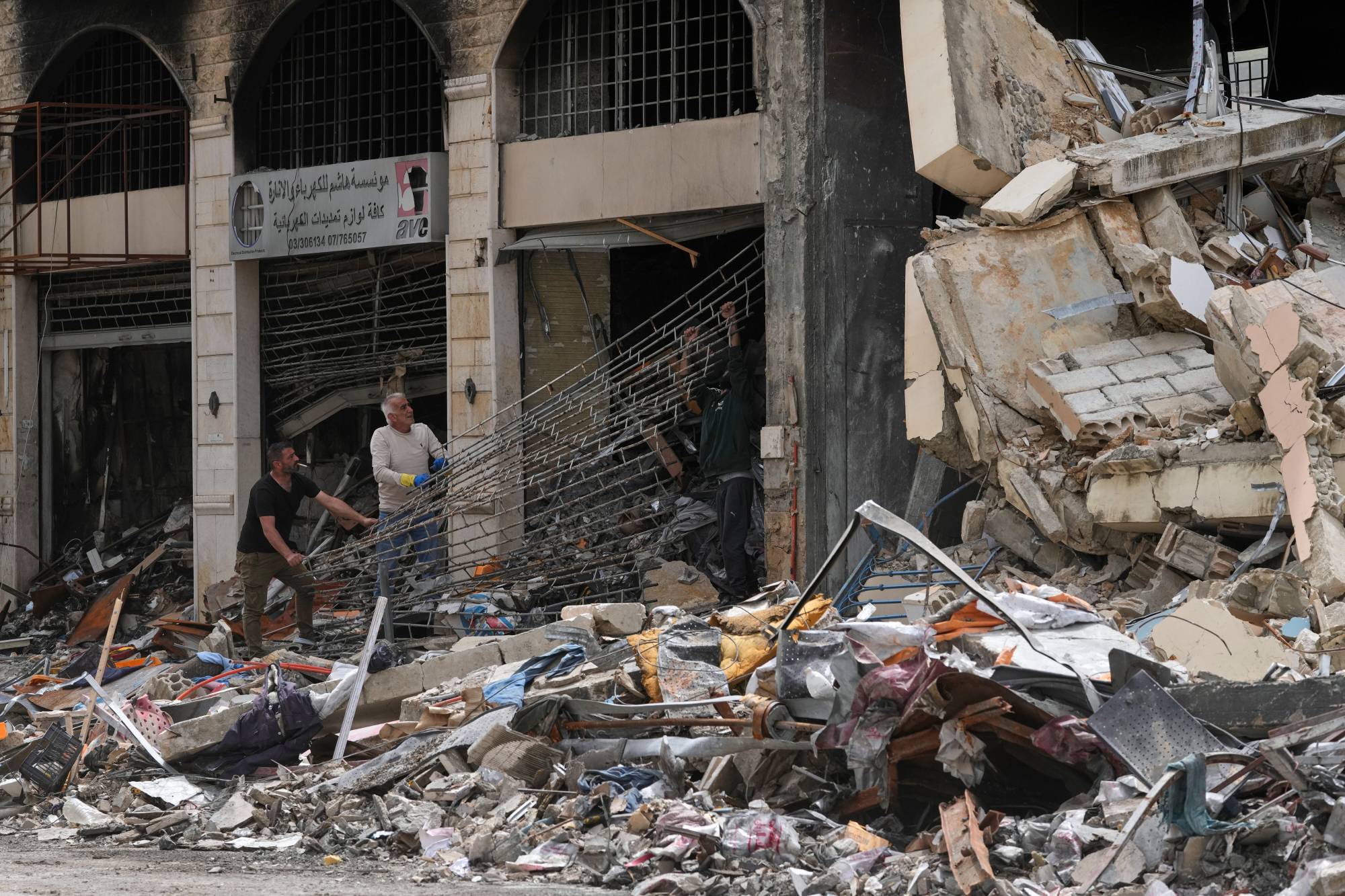
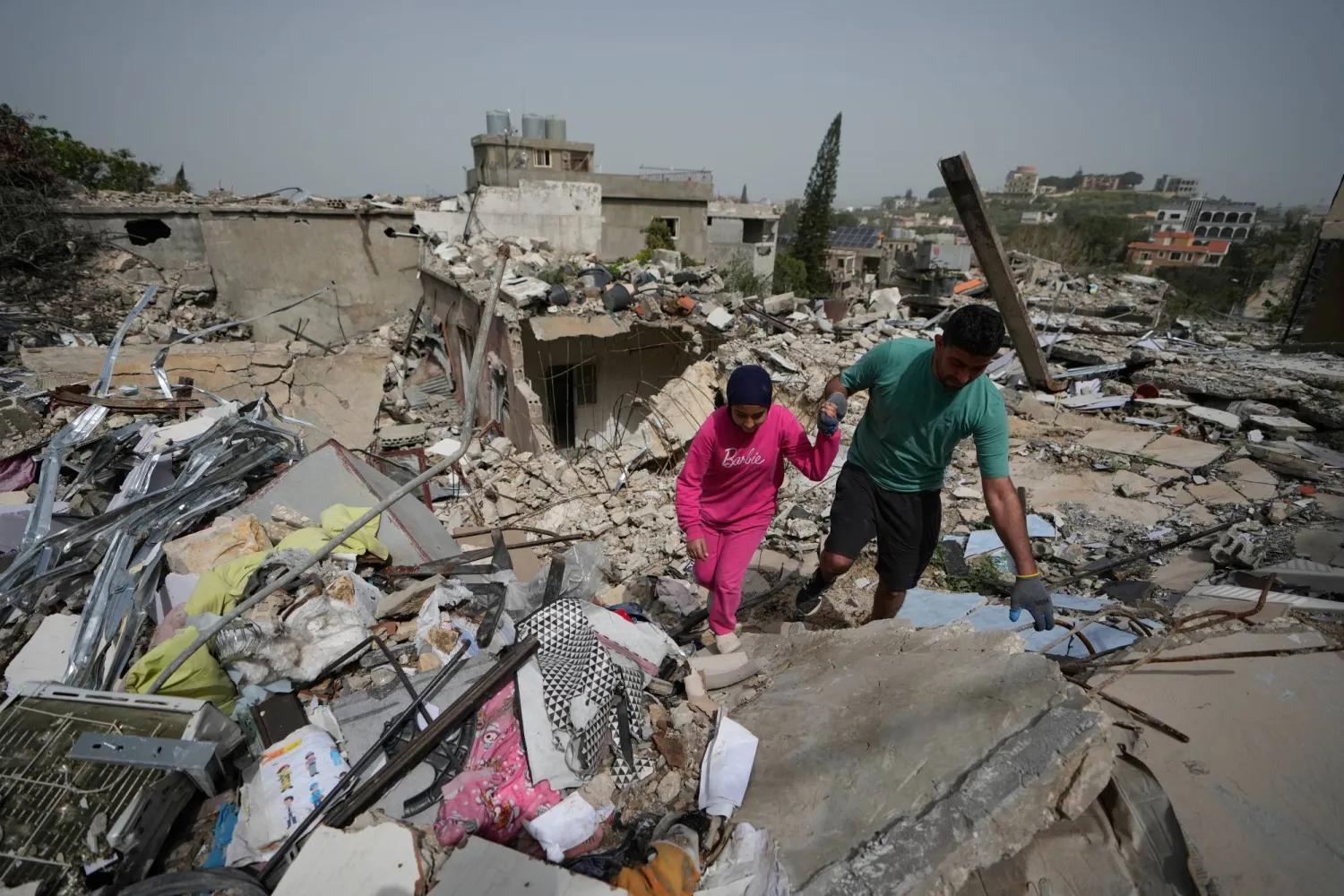
Swathes of the territory's residential and other infrastructure have been reduced to rubble.

On Monday witnesses told AFP they could hear blasts in the center and west of the southernmost city of Rafah.

Palestinian officials there reported tank shelling early on Monday, before the start of the daily "local, tactical pause of military activity" announced by the army.

Elsewhere in the Palestinian territory an AFP correspondent said strikes and shelling have decreased.

In Gaza City, medics at Al-Ahli hospital said at least five people were killed in two separate air strikes, and witnesses reported tank shelling in the Zeitun district.

At least one strike hit Bureij refugee camp in central Gaza, residents said.

The military said the pause "for humanitarian purposes will take place from 8:00 am (0500 GMT) until 7:00 pm (1600 GMT) every day until further notice along the road that leads from the Kerem Shalom crossing to the Salah al-Din road and then northwards".

- Fighting 'as planned' -

Troops were still operating in Rafah and central Gaza, reporting "close-quarters combat" that killed several militants, the military said.

Since ground forces went into Rafah against Hamas in early May, they have killed hundreds of gunmen and found "hundreds" of tunnel shafts, a military statement said on Monday.

"There was no change" in the military's policy and fighting "continues as planned", an Israeli official stressed, speaking on condition of anonymity to AFP.

Mahmud Basal, spokesman for Gaza's civil defense agency, said that apart from the deadly Gaza City strikes, "the other areas of the Gaza Strip are somewhat calm".

The UN says aid access to Gaza has been severely hindered by factors including insecurity, the closing of crossing points to the territory, and Israeli procedural delays.

The vital Rafah crossing with Egypt has been shut since Israeli forces seized its Palestinian side in early May.

"The idea behind the tactical pause in general is to allow for the UN to collect and distribute more aid," Shimon Freedman, spokesman for COGAT, the Israeli defense ministry body overseeing Palestinian civilian affairs, told reporters at Kerem Shalom, near Rafah.

- 'Waiting' for Hamas -

In a message late Sunday for Eid al-Adha, the Muslim feast of sacrifice, US President Joe Biden called for implementation of a ceasefire plan he outlined last month, saying it was "the best way to end the violence in Gaza".

Biden's plan would bring an initial six-week pause to fighting and Hamas would free hostages in exchange for the release of Palestinian prisoners held by Israel.

Hamas has insisted on the complete withdrawal of Israeli forces and a permanent ceasefire. Netanyahu's far-right coalition partners strongly oppose a ceasefire.

He is also facing regular street protests by tens of thousands demanding a deal to free the hostages.

But a senior Israeli negotiator, who told AFP that tens of hostages "are alive with certainty", said that Israel could not commit to ending the war until all the captives were released.

The official said the Israeli negotiating team had approved Biden's plan.

"We expect, and are waiting for, Hamas to say 'yes,'" he said on condition of anonymity as he was not authorized to speak publicly on the issue.

Damascus Moves to Implement SDF Deal amid Regional and International Backing

Fighters from the Syrian Democratic Forces welcome a convoy of the Syrian Ministry of Interior heading to Qamishli in northeastern Syria. (AP)
TT

Damascus Moves to Implement SDF Deal amid Regional and International Backing

Fighters from the Syrian Democratic Forces welcome a convoy of the Syrian Ministry of Interior heading to Qamishli in northeastern Syria. (AP)

Damascus is pressing ahead with steps to implement its agreement with the Syrian Democratic Forces (SDF) on the gradual integration of its fighters, redeployment in northeastern Syria, and the return of key facilities to state control.

The deal is receiving regional and international support and is being framed as an opportunity to integrate Syria’s Kurds into state institutions and help build a “new Syria.”

On Friday, a delegation from the Syrian Ministry of Defense was in Hasakah to discuss practical measures for incorporating SDF personnel into the national military, said the ministry’s Media and Communications Directorate.

The move is in line with the agreement announced on Jan. 29 between the Syrian government and the SDF. The accord includes a ceasefire, the gradual integration of Kurdish military and administrative structures into state institutions, and the restoration of government control over vital installations in the province.

Interior Ministry spokesman Nour al-Din al-Baba said the deployment of Internal Security Forces in Qamishli, in northeastern Syria, is proceeding under a clear timeline and operational plan to complete the agreement’s implementation.

This includes taking over and managing strategic facilities such as border crossings, Qamishli International Airport, and oil fields, with the aim of reactivating them “in service of the Syrian people,” he said in statements carried by state television Al-Ikhbariya.

Al-Baba added that the deployment is being carried out “in coordination with the other side in the city,” referring to the SDF, following a similar security deployment in Hasakah.

The agreement is also expected to address the issue of foreign fighters and to integrate the local Kurdish internal security force, known as the Asayish, into the Interior Ministry.

Al-Baba stressed that the ministry welcomes “all Syrian national cadres who serve the people.”

French support

French diplomatic sources told Asharq Al-Awsat that French Foreign Minister Jean-Noel Barrot informed SDF commander Mazloum Abdi that Paris wants to the January 29 agreement implemented “clause by clause” over the long term.

Barrot, who visited Iraq, Syria and Lebanon this week, described the deal as a “historic opportunity” for Syria’s Kurds to take part in building a new Syria alongside other components of society, the sources said.

The FM also discussed developments in Syria with leaders of Iraq’s Kurdistan Region, acknowledging their role in securing the ceasefire between Damascus and the SDF and agreeing to maintain close coordination to ensure the agreement’s success.

On Friday, Kurdistan Democratic Party leader Masoud Barzani met with Abdi and urged both the Syrian government and SDF to commit to the agreement.

A statement from Barzani’s office said the talks focused on conditions in northeastern Syria and underlined coordination among all parties to safeguard Kurdish rights within the country’s constitutional framework.


Axios: US Plans Meeting for Gaza 'Board of Peace' in Washington on Feb 19

Trump and leaders and representatives of the countries participating in the signing of the founding charter of the “Peace Council” in Davos (AFP - Archive)
TT

Axios: US Plans Meeting for Gaza 'Board of Peace' in Washington on Feb 19

Trump and leaders and representatives of the countries participating in the signing of the founding charter of the “Peace Council” in Davos (AFP - Archive)

The White House is planning the first leaders meeting for President Donald Trump's so-called "Board of Peace" in relation to Gaza on February 19, Axios reported on Friday, citing a US official and diplomats from four countries that are on the board.

The plans for the meeting, which would also be a fundraising conference for Gaza reconstruction, are in early stages and could still change, Axios reported.

The meeting is planned to be held at the US Institute of Peace in Washington, the report added, noting that Israeli Prime ‌Minister Benjamin Netanyahu ‌is scheduled to meet Trump at the ‌White ⁠House on ‌February 18, a day before the planned meeting.

The White House and the US State Department did not respond to requests for comment.

In late January, Trump launched the board that he will chair and which he says will aim to resolve global conflicts, leading to many experts being concerned that such a board could undermine the United Nations, Reuters said.

Governments around ⁠the world have reacted cautiously to Trump's invitation to join that initiative. While some ‌of Washington's Middle Eastern allies have joined, many ‍of its traditional Western allies have ‍thus far stayed away.

A UN Security Council resolution, adopted in ‍mid-November, authorized the board and countries working with it to establish an international stabilization force in Gaza, where a fragile ceasefire began in October under a Trump plan on which Israel and Palestinian militant group Hamas signed off.

Under Trump's Gaza plan revealed late last year, the board was meant to supervise Gaza's temporary governance. Trump thereafter said ⁠it would be expanded to tackle global conflicts.

Many rights experts say that Trump overseeing a board to supervise a foreign territory's affairs resembled a colonial structure and have criticized the board for not including a Palestinian.

The fragile ceasefire in Gaza has been repeatedly violated, with over 550 Palestinians and four Israeli soldiers reported killed since the truce began in October.

Israel's assault on Gaza since late 2023 has killed over 71,000 Palestinians, caused a hunger crisis and internally displaced Gaza's entire population.

Multiple rights experts, scholars and a UN inquiry say it amounts to genocide. Israel calls its actions self-defense after Hamas-led ‌militants killed 1,200 people and took over 250 hostages in a late 2023 attack.


A Man Detonates Explosive Belt during Arrest Attempt in Iraq, Injuring 2 Security Members

A man wearing an explosives belt blew himself up Friday while a security force was trying to arrest him in western Iraq near the Syrian border, killing himself and wounding two security members, an Iraqi security official said. (Reuters/File)
TT

A Man Detonates Explosive Belt during Arrest Attempt in Iraq, Injuring 2 Security Members

A man wearing an explosives belt blew himself up Friday while a security force was trying to arrest him in western Iraq near the Syrian border, killing himself and wounding two security members, an Iraqi security official said. (Reuters/File)

A man wearing an explosives belt blew himself up Friday while a security force was trying to arrest him in western Iraq near the Syrian border, killing himself and wounding two security members, an Iraqi security official said.

The raid was being conducted in the al-Khaseem area in Qaim district that borders Syria, said the official who spoke on condition of anonymity in line with regulations.

The official added that “preliminary information” confirms that no members of the security forces were killed, while two personnel were injured and transferred for medical treatment, The Associated Press said.

Iraq’s National Security Agency said in a statement that its members besieged a hideout of an ISIS group security official and two of his bodyguards. One bodyguard ignited his explosives belt, killing him. It gave no further details.

ISIS once controlled large parts of Syria and Iraq and declared a caliphate in 2014. The extremist group was defeated on the battlefield in Iraq in 2017 and in Syria in 2019 but its sleeper cells still carry out deadly attacks in both countries.

In December, two US service members and an American civilian were killed in an attack in Syria that the United States blamed on ISIS. The US carried out strikes on Syria days later in retaliation.

US and Iraqi authorities in January began transferring hundreds of the nearly 9,000 ISIS members held in jails run by the US-backed and Kurdish-led Syrian Democratic Forces in northeast Syria to Iraq, where Iraqi authorities plan to prosecute them.
