


Oil Prices Rise on Fears of Wider Middle East Conflict

FILE - Pump jacks extract oil from beneath the ground in North Dakota, May 19, 2021. (AP Photo/Matthew Brown, File)
TT

Oil Prices Rise on Fears of Wider Middle East Conflict

FILE - Pump jacks extract oil from beneath the ground in North Dakota, May 19, 2021. (AP Photo/Matthew Brown, File)

Oil prices rose on Monday, paring last week's loss, on fears of a widening conflict in the Middle East following a rocket strike in the Israeli-occupied Golan Heights, which Israel and the United States blamed on Lebanese armed group Hezbollah.

Brent crude futures gained 20 cents, or 0.3%, to $81.33 a barrel at 0010 GMT. US West Texas Intermediate (WTI) crude futures climbed 9 cents, or 0.1%, to $77.25 a barrel.

Last week, Brent lost 1.8% while WTI fell 3.7% on sagging Chinese demand and hopes of a Gaza ceasefire agreement.

On Sunday, Israel's security cabinet authorized Prime Minister Benjamin Netanyahu's government to decide on the "manner and timing" of a response to the Saturday's rocket strike in the Golan Heights that killed 12 teenagers and children.

Iran-backed Hezbollah denied responsibility for the attack.

"Worries over escalating tensions in the Middle East prompted fresh buying, but gains were limited by lingering concerns of weakening demand in China," Reuters quoted Toshitaka Tazawa, an analyst at Fujitomi Securities as saying.

Over the past few weeks, hopes of a ceasefire in Gaza have been gaining momentum.

But Israel wants changes in a plan for a Gaza truce and the release of hostages by Hamas, complicating a deal to halt nine months of combat that have devastated the enclave, according to a Western official, a Palestinian and two Egyptian sources.

On the demand side, data released earlier this month showing that China's total fuel oil imports dropped 11% in the first half of 2024 have raised concern about the wider demand outlook in China, the world's biggest crude importer.

Meanwhile, US energy firms last week added oil and natural gas rigs for a second week in a row, boosting the monthly count by the most since November 2022, energy services firm Baker Hughes said in its closely followed report on Friday.
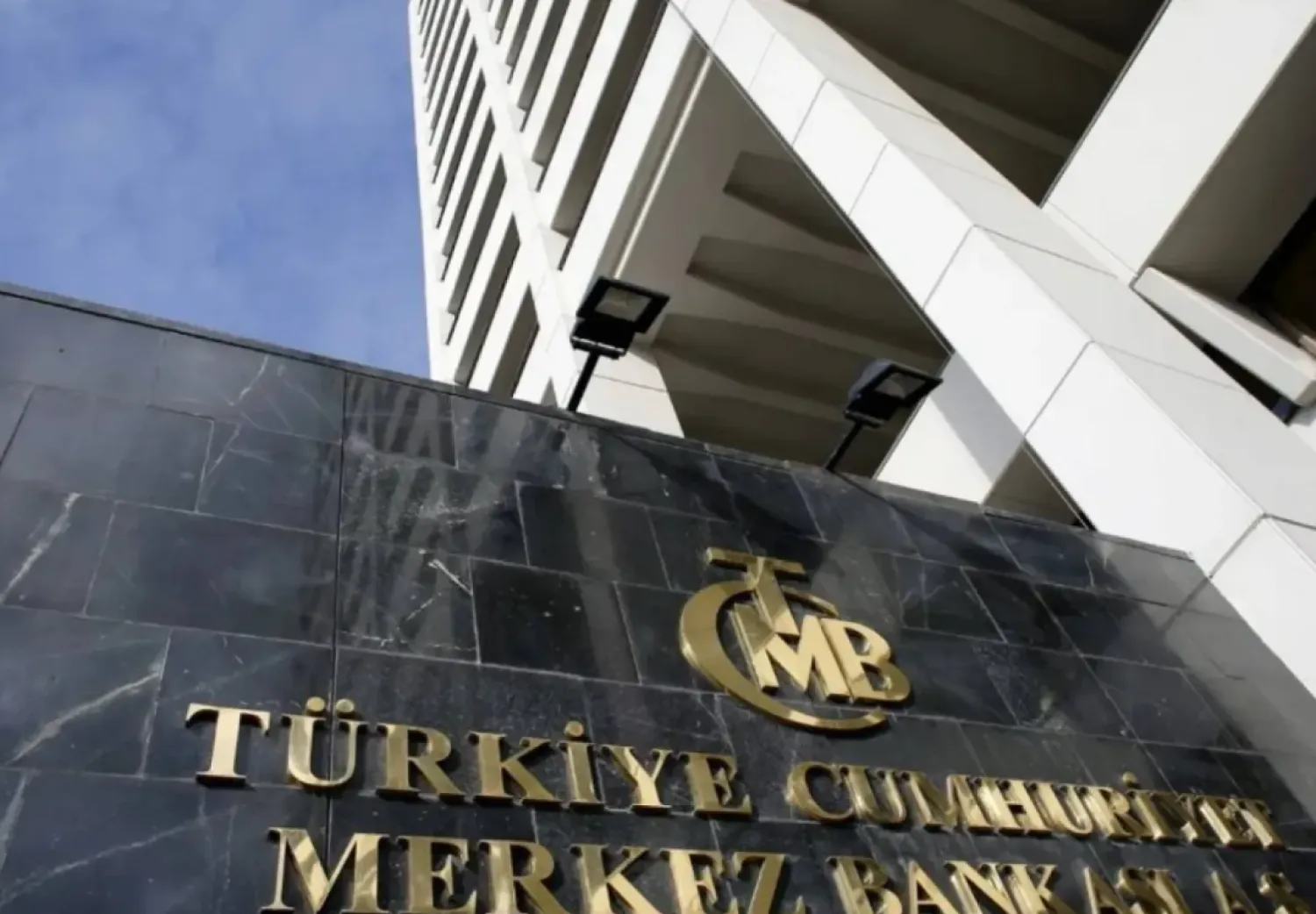



Türkiye's Central Bank Lifts 2026 Inflation Forecasts

Türkiye's Central Bank headquarters is seen in Ankara, Türkiye in this January 24, 2014 file photo. REUTERS/Umit Bektas
TT

Türkiye's Central Bank Lifts 2026 Inflation Forecasts

Türkiye's Central Bank headquarters is seen in Ankara, Türkiye in this January 24, 2014 file photo. REUTERS/Umit Bektas

Türkiye's central bank on Thursday increased its estimates for inflation as officials try to rein in soaring price increases that have weighed on the economy for years.

The official inflation rate is now seen falling to between 15 and 21 percent by the end of this year, up from a previous forecast of 13 to 19 percent.

"We have increased our forecast range because of better visibility on certain risks," the central bank's governor Fatih Karahan said in a statement, without further detail, Reuters reported.

The forecast would still be a sharp decline from the annual inflation rate of 30.7 percent in January, following years of interest rate hikes in a bid to slow runaway price increases.

However, the official figures are disputed by ENAG, a group of independent economists that publishes its own data every month, with the organisation saying year-on-year inflation stood at 53.4 percent in January.

Türkiye has experienced double-digit inflation since 2019, making life increasingly more expensive for millions of people, after President Recep Tayyip Erdogan ordered interest rate cuts in a bid to spur growth.

The cuts sent the lira plunging on currency markets, further fuelling inflation and leading Erdogan to reverse his unorthodox policy in 2023.

But in January the central bank cut its benchmark interest rate to 37 percent, citing a continued slowing of price increases.


Mawani Reports 2.01% Increase in Container Throughput for January 2026

Mawani Reports 2.01% Increase in Container Throughput for January 2026
TT

Mawani Reports 2.01% Increase in Container Throughput for January 2026

Mawani Reports 2.01% Increase in Container Throughput for January 2026

Ports overseen by the Saudi Ports Authority (Mawani) reported a 2.01% increase in container handling for January 2026, totaling 738,111 TEUs, up from 723,571 TEUs in January 2025. Transshipment containers rose significantly by 22.44%, reaching 184,019 TEUs compared to 150,295 TEUs the previous year.

However, the number of imported containers decreased by 3.23% to 284,375 TEUs, and exported containers dropped by 3.47% to 269,717 TEUs year-over-year, SPA reported.

Passenger numbers surged by 42.27%, totaling 143,566 passengers compared to 100,909 last year. Vehicle volumes increased by 3.31% to 109,097, and the ports received 886,908 heads of livestock, a 49.86% increase from the same period in 2025.

In terms of cargo tonnage, liquid bulk cargo rose by 0.28% to 14,102,495 tons, general cargo totaled 839,987 tons, and solid bulk cargo reached 4,263,168 tons. The total tonnage handled was 19,205,650 tons, reflecting a 3.04% decrease from the previous year. Vessel traffic recorded 1,121 ships, a slight decrease of 1.75%.

This increase in container throughput supports trade, stimulates the maritime transport industry, and enhances supply chains and food security. These achievements align with the National Transport and Logistics Strategy, reinforcing Saudi Arabia's position as a global logistics hub.

In 2025, Mawani ports achieved a 10.58% increase in total handled containers, reaching 8,317,235 TEUs, while transshipment containers for the year rose by 11.78% to 1,927,348 TEUs.


Oil Prices Edge Lower as IEA Reduces Demand Forecast

Oil platforms and pumpjacks at Lake Maracaibo, in Cabimas, Venezuela, January 26, 2026. REUTERS/Leonardo Fernandez Viloria/File Photo
TT

Oil Prices Edge Lower as IEA Reduces Demand Forecast

Oil platforms and pumpjacks at Lake Maracaibo, in Cabimas, Venezuela, January 26, 2026. REUTERS/Leonardo Fernandez Viloria/File Photo

Oil prices slipped on Thursday as investors weighed the International Energy Agency's lowering of its global oil demand forecast for 2026 against potential escalation of US-Iran tensions.

Brent crude oil futures were down 19 cents, or 0.27%, at $69.21 a barrel by 1232 GMT. US West Texas Intermediate crude fell 8 cents, or 0.12%, to $64.55.

Global oil demand will rise more slowly than previously expected this year, the IEA said on Thursday while projecting a sizeable surplus despite outages that cut supply in January.

The Brent and WTI benchmarks reversed gains to turn negative after the IEA's monthly report, having derived support earlier from concerns over the US-Iran backdrop.

US President Donald Trump said after talks with Israeli Prime Minister Benjamin Netanyahu on Wednesday that they had yet to reach a definitive agreement on how to move forward with Iran but that negotiations with Tehran would continue.

Trump had said on Tuesday that he was considering sending a second aircraft carrier to the Middle East if a deal is not reached with Iran. The date and venue of the next round of talks have yet to be announced.

A hefty build in US crude inventories had capped the early price gains. US crude inventories rose by 8.5 million barrels to 428.8 million barrels last week, the Energy Information Administration said, far exceeding the 793,000 increase expected by analysts in a Reuters poll.

US refinery utilization rates dropped by 1.1 percentage points in the week to 89.4%, EIA data showed.

On the supply side, Russia's seaborne oil products exports in January rose by 0.7% from December to 9.12 million metric tons on high fuel output and a seasonal drop in domestic demand, data from industry sources and Reuters calculations showed.