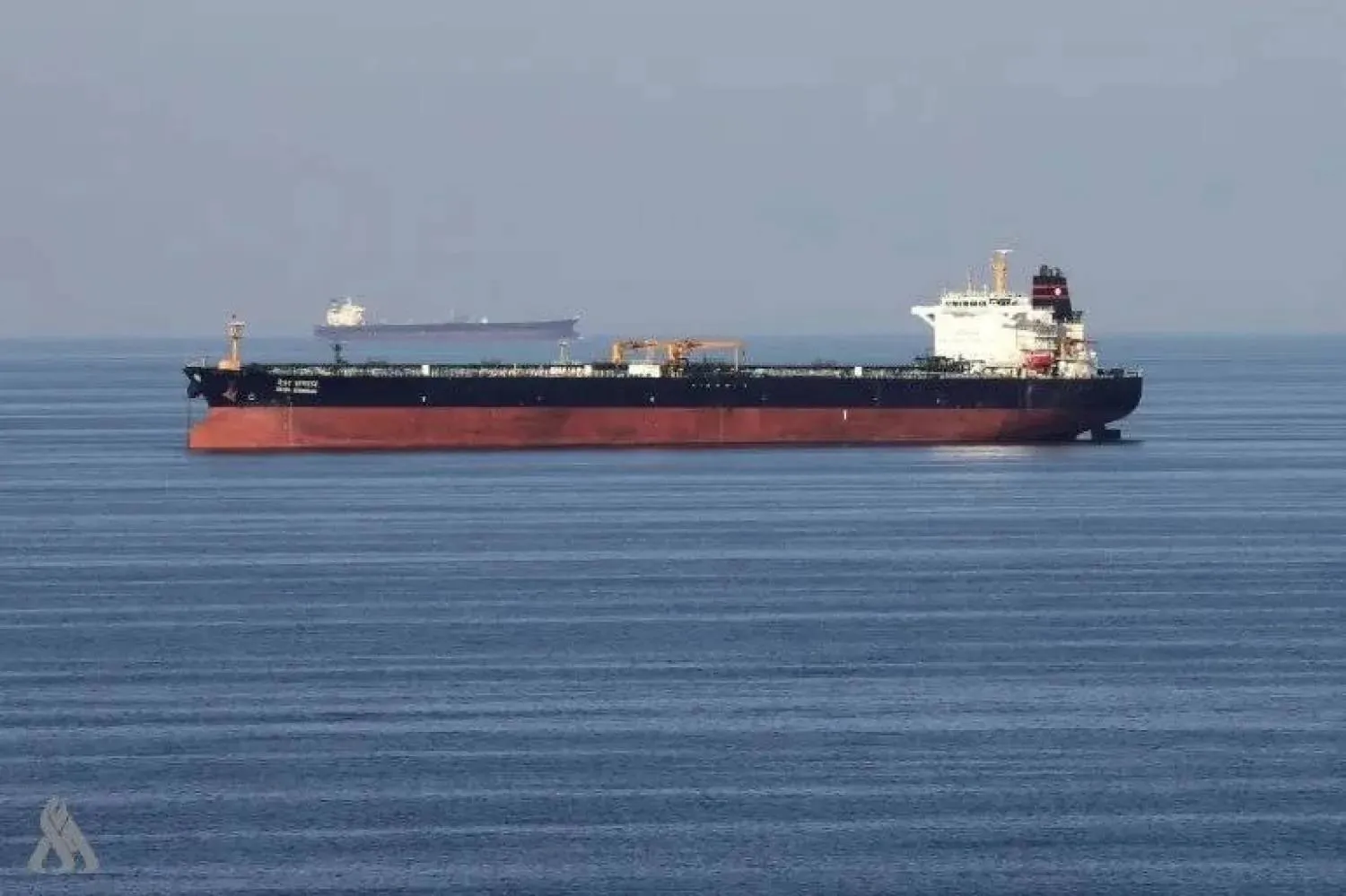
A growing number of Iraqi oil and economic experts are voicing pessimism about the country’s ability to resume crude exports via the Gulf and the Strait of Hormuz, despite Iran’s announcement of an “exception” allowing Iraqi shipments to pass as those of a “friendly country”.
Iraq has suffered a sharp blow to its oil sector following the US-Israeli conflict with Iran and the closure of the Strait of Hormuz, losing roughly three-quarters of its exports. The country had been producing about 3.5 million barrels per day, but current export volumes have dropped to around one million barrels per day, most of which is diverted to domestic consumption.
More than 300,000 barrels per day are still exported via the Kurdistan Region through Türkiye’s Ceyhan port, while smaller quantities are transported overland by tanker trucks to Jordan and Syria.
As a result of the collapse in exports, Iraq is expected to face a monthly fiscal deficit of between $5 billion and $6 billion, placing the government under severe financial strain, economists say.
While Iran’s decision has been welcomed by its allies and sympathizers as a positive step for Iraq, sceptics argue that resuming exports is far more complex than a political declaration. They point to complex web of technical, security and logistical challenges involving maritime risk, insurance costs, shipping company behavior and contractual arrangements.
Security concerns remain acute. Despite the Iranian exemption, four oil facilities in the southern province of Basra were targeted by drone attacks over the past two days, reportedly carried out by Iran-backed armed factions seeking to pressure foreign companies to leave Iraq. The incidents raise questions about the consistency between Tehran’s declared position and the actions of allied groups on the ground.
Former oil ministry spokesman Assem Jihad said Iraq’s export capacity is governed by “fundamental realities” that make a swift return to normal operations unlikely.
In comments posted on Facebook, he noted that Iraq does not rely on its own fleet of supertankers to export crude. Instead, the State Organization for Marketing of Oil (SOMO) sells oil under contracts whereby buyers arrange shipping and lift cargoes from Iraqi ports.
The key issue, he explained, is not a lack of contracts but the reluctance of global shipping companies and tanker owners to enter what is now considered a high-risk zone. Even if buyers are willing, securing vessels prepared to dock at southern Iraqi ports or operate near conflict areas remains a major obstacle.
Insurance costs have also surged. Companies face steep premiums for vessels transiting conflict zones, discouraging participation. “Even with statements allowing passage, that does not necessarily translate into a safe and secure shipping environment,” Jihad said, adding that insurers and shipping firms base decisions on actual risk assessments rather than political assurances.
He argued that exports would only resume once confidence returns to maritime markets, risks decline and insurance costs fall.
Economic researcher Ziad al-Hashimi outlined additional barriers preventing Iraq from benefiting from the Iranian decision.
Writing on X, he said Iraq’s oil production, service companies and southern export terminals are currently operating under “force majeure”, a status declared on March 20 across fields run by foreign firms. Lifting this clause could take time, as companies would require assurances that operations will not be targeted again.
“Its removal is not a quick process,” he noted, warning of “real risk” if exports resume without improved security guarantees.
Al-Hashimi also pointed to ongoing attacks on oil fields, saying that many service companies have evacuated staff and suspended operations. “Work will not return to normal as long as the war continues,” he underlined.
He further questioned the practicality of Iran’s exemption, which applies to loaded Iraqi tankers exiting Hormuz. “How will empty vessels enter the strait to reach Iraq, and who will guarantee their safety?” he asked.
The government and oil ministry have meanwhile faced criticism for failing to take precautionary measures to safeguard production, Iraq’s main source of national income. Critics say Baghdad should have diversified export routes or maintained floating storage capacity, as many oil-producing countries do.
According to Basra-based economist Nabil al-Marsoumi, Iraq’s state tanker company, established in 1972, currently owns just six vessels for refined products with a combined capacity of 117,000 tons. Four of these ships are over 15 years old, requiring more frequent maintenance.
The company no longer owns any crude oil tankers, he added, compared with 25 vessels totaling 1.485 million tons in 1983.
On the diplomatic front, Foreign Minister Fuad Hussein on Sunday thanked Iran for allowing Iraqi oil tankers to transit Hormuz during a meeting with Iranian ambassador Mohammad Kazem Al Sadeq.
A foreign ministry statement said the two sides discussed mechanisms to ensure implementation of the arrangement and broader regional developments. Hussein reiterated Iraq’s opposition to war and stressed the need for dialogue and peaceful conflict resolution.
Separately, data from the London Stock Exchange Group and analytics firm Kpler indicated that a tanker carrying Iraqi crude had passed through the Strait of Hormuz near Iran’s coast. The vessel, Ocean Thunder, loaded about one million barrels of Basra Heavy crude on March 2 and is expected to discharge in Malaysia in mid-April.