Saudi Arabia recorded a striking rise in official visits by world leaders over the past month, amid current security and political developments in the region and their repercussions on the economy and energy sector.
In less than a month, Saudi Arabia hosted 15 visits by leaders and representatives of leaders from 13 countries, with some leaders visiting more than once during the period. The Kingdom hosted two summits — a trilateral meeting with Jordan and Qatar and a consultative Gulf summit — reflecting Riyadh’s importance amid the political and economic shifts facing the region.
The leaders and representatives came from Qatar, Jordan, the United Kingdom, Italy, the European Union, Pakistan, Sudan, Syria, Switzerland, Ukraine, the United Arab Emirates, Kuwait and Bahrain.
The series began with a key visit by Ukrainian President Volodymyr Zelensky on March 27. During the trip, he met Prince Mohammed bin Salman, Crown Prince and Prime Minister, in Jeddah. The visit included the signing of a memorandum of arrangements related to defense procurement.
Zelensky returned to Saudi Arabia on April 24, when he again met the Crown Prince.
Jeddah hosted a trilateral meeting on March 30 between Crown Prince Mohammed, Jordan’s King Abdullah II and Qatar’s Emir Sheikh Tamim bin Hamad Al Thani.
The meeting discussed the latest regional developments, the repercussions of military escalation in the region, its risks to freedom of international navigation and energy supply security, its impact on the global economy, and coordination of joint efforts to strengthen regional security and stability.
The leaders stressed that Iranian attacks on Gulf Cooperation Council states and Jordan, and the targeting of vital and civilian facilities, were a dangerous escalation threatening regional security and stability.
The second summit was held in Jeddah on April 28 at the invitation of Custodian of the Two Holy Mosques King Salman bin Abdulaziz.
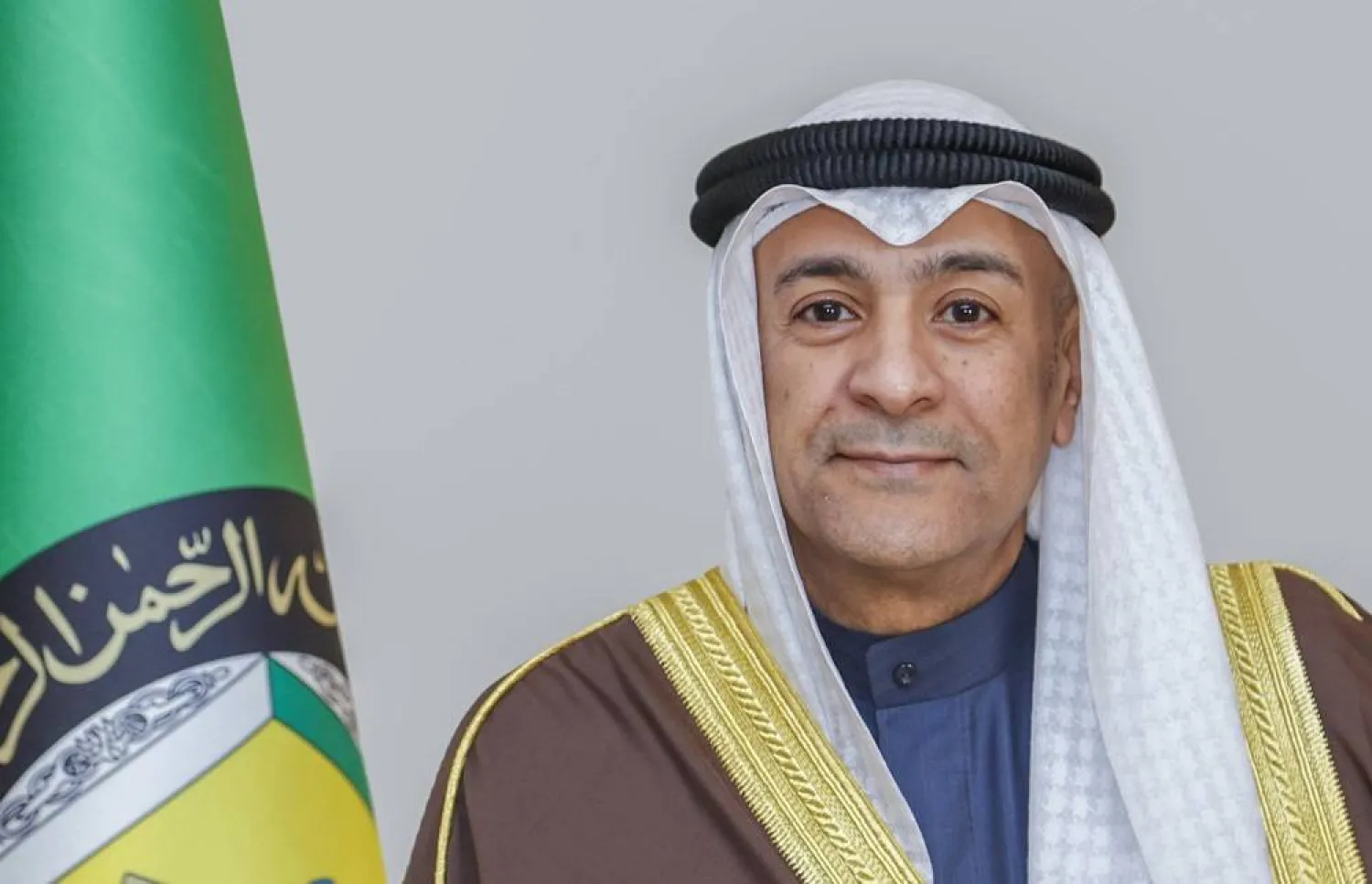
According to GCC Secretary-General Jasem Albudaiwi, leaders discussed current regional conditions, particularly the escalation in the region, the Iranian attacks on GCC states and Jordan, and ways to establish a diplomatic path to end the crisis. They tackled efforts to pave the way for agreements and understandings that address GCC concerns and strengthen long-term security and stability.
Political analyst Ahmed Al-Ibrahim, a specialist in international affairs, said the intense diplomatic activity in Saudi Arabia in recent weeks reflected an increasingly clear reality in the regional and international arenas: Riyadh is no longer merely an influential player in the region’s equations, but has become a political hub where international and regional interests converge at moments of crisis and major transformation.
Al-Ibrahim added that during and after the war, no country had received such a number and level of visiting leaders. He noted that Saudi Arabia’s hosting of 15 visits by leaders and representatives from 13 countries in one month, along with two important regional summits in Jeddah, was neither a matter of protocol nor routine diplomacy.
Rather, he said, it reflected growing international confidence in Saudi Arabia’s role and its ability to manage the most sensitive issues, whether regional security, energy market stability or the protection of international shipping lanes.
Al-Ibrahim continued that the diversity of countries that turned to Saudi Arabia, from Europe to Asia and the Middle East, confirmed that Saudi decision-making had become a key factor in any discussion of the region’s future.
The timing was particularly significant, given rising military tensions and mounting global economic concerns, he remarked.