Bank of England Cuts Main Interest Rate by a Quarter-point to 4.75%https://english.aawsat.com/business/5079259-bank-england-cuts-main-interest-rate-quarter-point-475
Bank of England Cuts Main Interest Rate by a Quarter-point to 4.75%
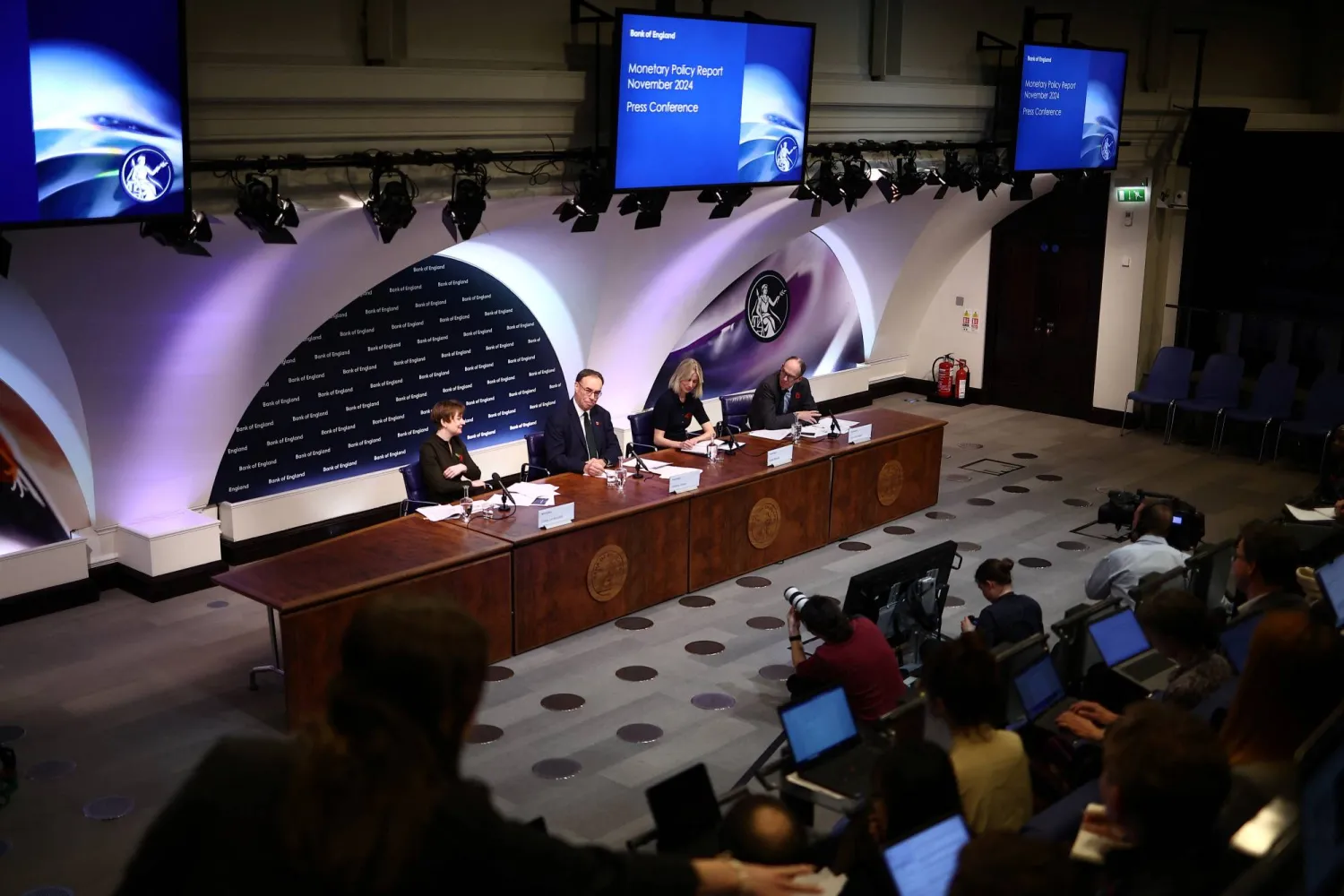
Bank of England Deputy Governor for Monetary Policy Clare Lombardelli, Bank of England Governor Andrew Bailey, The Bank of England's Head of Media and Stakeholder Engagement Katie Martin and Deputy Governor, Markets and Banking, Dave Ramsden hold the central bank's Monetary Policy Report press conference at the Bank of England, in London, on November 7, 2024. HENRY NICHOLLS/Pool via REUTERS
Bank of England Cuts Main Interest Rate by a Quarter-point to 4.75%
Bank of England Deputy Governor for Monetary Policy Clare Lombardelli, Bank of England Governor Andrew Bailey, The Bank of England's Head of Media and Stakeholder Engagement Katie Martin and Deputy Governor, Markets and Banking, Dave Ramsden hold the central bank's Monetary Policy Report press conference at the Bank of England, in London, on November 7, 2024. HENRY NICHOLLS/Pool via REUTERS
The Bank of England cut its main interest rate by a quarter of a percentage point on Thursday after inflation across the UK fell below its target rate of 2%.
The bank said its rate-setting panel lowered the benchmark rate to 4.75% — its second cut in three months — though its governor Andrew Bailey cautioned that interest rates would not be falling too fast over coming months.
“We need to make sure inflation stays close to target, so we can’t cut interest rates too quickly or by too much,” he said. “But if the economy evolves as we expect it’s likely that interest rates will continue to fall gradually from here.”
In the year to September, UK inflation stood at 1.7%, its lowest level since April 2021 and below the central bank’s target rate of 2%, The Associated Press reported.
Central banks worldwide dramatically increased borrowing costs from near zero during the coronavirus pandemic when prices started to shoot up, first as a result of supply chain issues built up and then because of Russia’s full-scale invasion of Ukraine which pushed up energy costs.
As inflation rates have recently fallen from multi-decade highs, the central banks have started cutting interest rates.
Economists have warned that worries about the future path of prices following last week's tax-raising budget from the new Labour government and the economic impact of US President-elect Donald Trump may limit the number of cuts next year.
The decision comes a week after Treasury chief Rachel Reeves announced around 70 billion pounds ($90 billion) of extra spending, funded through increased business taxes and borrowing. Economists think that the splurge, coupled with the prospect of businesses cushioning the tax hikes by raising prices, could lead to higher inflation next year.
The rate decision also comes a day after Trump was declared the winner of the US presidential election. He has indicated that he will cut taxes and introduce tariffs on certain imported goods when he returns to the White House in January. Both policies have the potential to be inflationary both in the US and globally, thereby prompting Bank of England policymakers to keep interest rates higher than initially planned.
UAE, Jordan Sign $2.3 billion Aqaba Rail Project Deal
The United Arab Emirates and Jordan signed on Wednesday an agreement to launch a $2.3 billion rail project to Aqaba port and to create a joint company to build and operate it, the state news agencies in both countries reported.
The agreement covers the construction and operation of a 360-kilometre railway linking the mining areas of Al-Shidiya and Ghor Al-Safi in Jordan to its Aqaba port.
The project aims to transport 16 million metric tons of phosphate and potash annually, with a total investment value of $2.3 billion.
As part of the agreement, the UAE–Jordan Railway Company was launched as a joint venture between several Jordanian stakeholders and L’IMAD Holding Company, Abu Dhabi's newest sovereign wealth fund, the UAE 's state news agency said.
The project is the first step in building the Jordanian national railway network project to connect Aqaba with neighboring Arab countries, and to link the port with those in Syria and the Mediterranean, the Jordanian state news agency said.
Chaired by Saudi Crown Prince, PIF Board of Directors Approves PIF 2026-2030 Strategyhttps://english.aawsat.com/business/5262647-chaired-saudi-crown-prince-pif-board-directors-approves-pif-2026-2030-strategy
Chaired by Saudi Crown Prince, PIF Board of Directors Approves PIF 2026-2030 Strategy
Saudi Crown Prince Mohammed bin Salman - SPA
The Public Investment Fund (PIF) Board of Directors, chaired by Prince Mohammed bin Salman bin Abdulaziz Al Saud, Crown Prince and Prime Minister, has approved PIF’s 2026-2030 strategy, a continuation of the fund’s long-term strategy that will focus on delivering competitive domestic ecosystems to connect sectors, unlock the full potential of strategic assets, maximize long-term returns, and continue to drive the economic transformation of Saudi Arabia and further enhance the quality of life of its citizens.
The 2026-2030 strategy marks a natural evolution as PIF moves from a period of rapid growth and acceleration to a new phase of sustained value creation, with a strengthened focus on maximizing impact, raising the efficiency of investments, and applying the highest standards of governance, transparency and institutional excellence. In addition, PIF will further enable the role of the private sector as an effective partner for sustainable economic development, according to SPA.
Under the 2026-2030 strategy, PIF has structured its investments into three portfolios. The Vision Portfolio aims to leverage synergies across strategic sectors, maximize value for PIF portfolio companies, and continue to drive the growth of the local economy. It will contribute to national priorities through the delivery of six competitive domestic ecosystems and by further integrating PIF’s investments. The Vision Portfolio will unlock new opportunities for the domestic private sector as an investor, partner, and supplier, to further enable its role as an effective partner for sustainable economic development, while also attracting global partners and investors.
The six ecosystems include: Tourism, Travel, and Entertainment; Urban Development and Livability; Advanced Manufacturing and Innovation; Industrials and Logistics; Clean Energy, Water, and Renewables Infrastructure; and NEOM.
The Strategic Portfolio will actively manage key strategic assets to maximize financial returns and the economic impact of PIF’s companies, while supporting their efforts to attract capital and become global champions. Through the Strategic Portfolio, PIF will also continue to invest in opportunities arising from long-term global trends.
The Financial Portfolio will focus on delivering sustainable financial returns to further strengthen PIF’s financial position and continue to grow national wealth for future generations. It will manage PIF’s direct and indirect investments in global markets to maximize returns, while building a more diversified and resilient portfolio. It will further strengthen strategic international partnerships to help attract capital and increase access to global investment opportunities.
PIF Governor Yasir Al-Rumayyan said: "PIF’s strategy continues to deliver results as we grow domestically and internationally. In less than a decade, we have launched unprecedented projects, including giga-projects and major real estate developments, in addition to unique investments in strategic sectors such as artificial intelligence, gaming and esports, and renewable energy. PIF also grew assets under management six-fold and attracted global partners and capital to take part in Saudi Arabia’s transformation."
He added that PIF will continue to support Saudi Vision 2030 objectives by delivering competitive domestic ecosystems, investing in national champions that have the potential to scale globally, and forming global economic partnerships, building on what has been achieved under PIF’s 2021-2025 strategy.
"The 2026-2030 strategy is a natural next step in PIF’s growth journey. It offers our partners more opportunities to invest in high-quality assets and ecosystems, alongside PIF. In the next five years, we will continue to build on our great achievements and strengthen our global leadership to deliver success for PIF and Saudi Arabia," Al-Rumayyan said.
PIF will continue to invest with agility in both local and international markets and maintain its ability to respond to emerging opportunities that benefit the local economy and impact an ever-shifting global economy. It will maintain a disciplined focus on value realization, sustainable returns, enhanced capital efficiency and the highest institutional standards, as it drives innovation and advanced utilization of data and artificial intelligence.
PIF’s 2026-2030 strategy provides a clear strategic direction for the coming decades. It also strengthens PIF’s position as a local and global investor, with a diversified and resilient portfolio that contributes to Saudi Arabia’s long-term economic prosperity. PIF’s unique mandate will remain the same: to drive the economic transformation of Saudi Arabia and generate sustainable financial returns.
The strategy builds on the substantial progress and achievements delivered by PIF under its previous strategies, including increasing grown assets under management from $150 billion in 2015 to more than $900 billion; achieving an annualized total shareholder return of over 7% since 2017; investing more than $199 billion in new projects in Saudi Arabia from 2021 to 2025; contributing more than $243 billion to real non-oil GDP from 2021 to 2024, equivalent to around 10% of Saudi Arabia’s total non-oil GDP in 2024; spending together with its portfolio companies more than $157 billion with the local private sector from 2021 to 2024; expanding PIF’s global presence in priority markets with subsidiary company offices in North America, Europe, and Asia to deepen PIF’s ties in international markets and continue to invest in sectors, industries, and companies shaping the future of the global economy; and being one of the few sovereign wealth funds with strong credit ratings from each of the world’s top three rating agencies. Moody’s rated PIF Aa3 with a stable outlook, while Fitch rated PIF A+, also with a stable outlook
World Bank to Asharq Al-Awsat: Saudi Arabia Plays a Central Role in Stabilizing Energy Marketshttps://english.aawsat.com/business/5262644-world-bank-asharq-al-awsat-saudi-arabia-plays-central-role-stabilizing-energy
World Bank to Asharq Al-Awsat: Saudi Arabia Plays a Central Role in Stabilizing Energy Markets
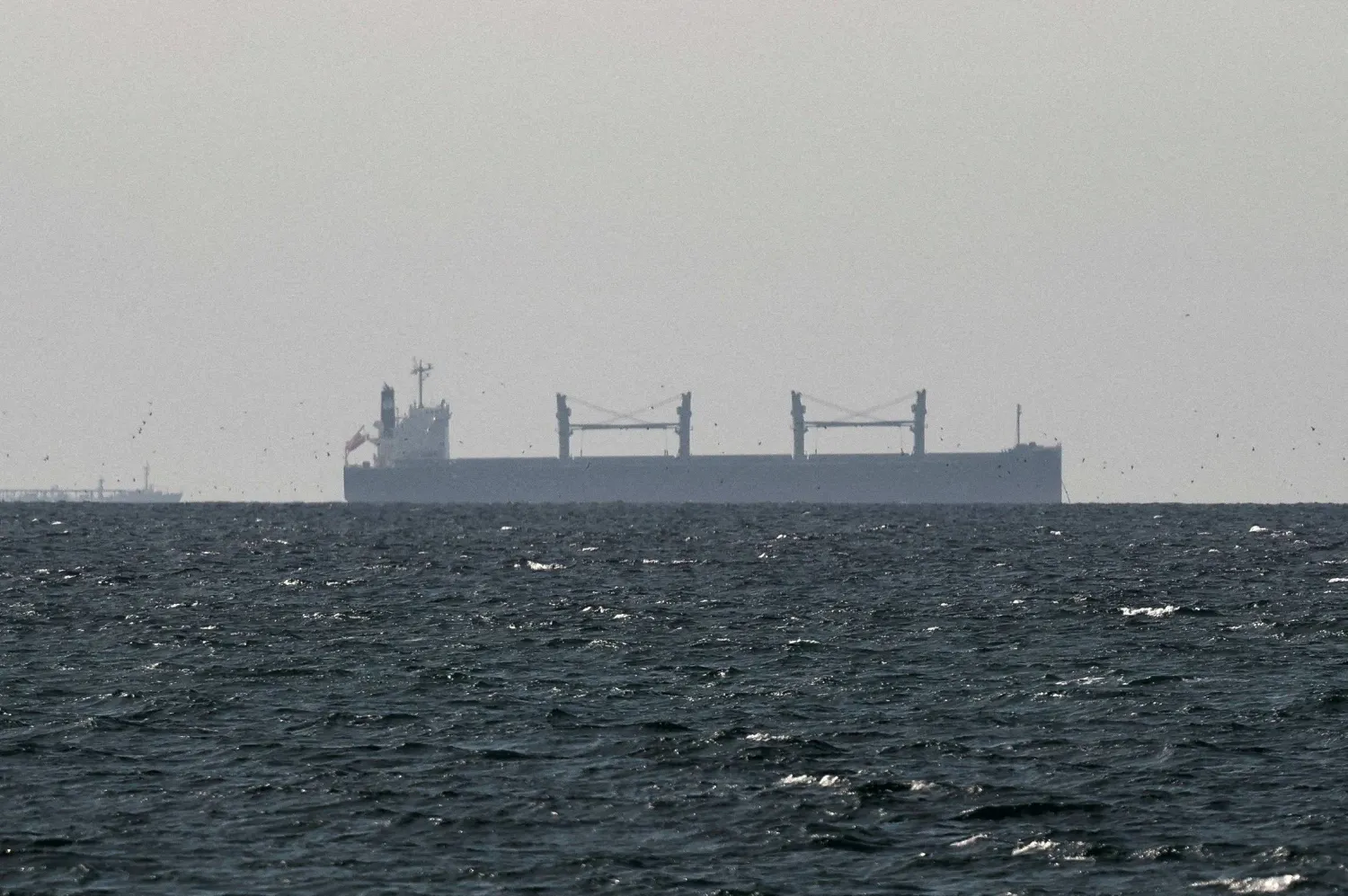
A cargo ship in the Gulf, near the Strait of Hormuz, March 11, 2026. REUTERS/Stringer/File Photo
At a time when geopolitical tensions are disrupting the stability of vital maritime corridors, fundamental questions are emerging about the ability of major economic ambitions in the Gulf to withstand the test of the Strait of Hormuz, which is an indispensable “lifeline” for the global economy, said Roberta Gatti, Chief Economist for the Middle East, North Africa, Afghanistan, and Pakistan at the World Bank.
In remarks to Asharq Al-Awsat, Gatti warned that current geopolitical tensions place the region’s economic diversification ambitions under a real test, while stressing, on the other hand, the central role Saudi Arabia plays in global energy markets through measures aimed at enhancing the reliability of supply chains.
The Kingdom’s efforts extend not only to exporters, but also to inflation, trade, and global growth, she added.
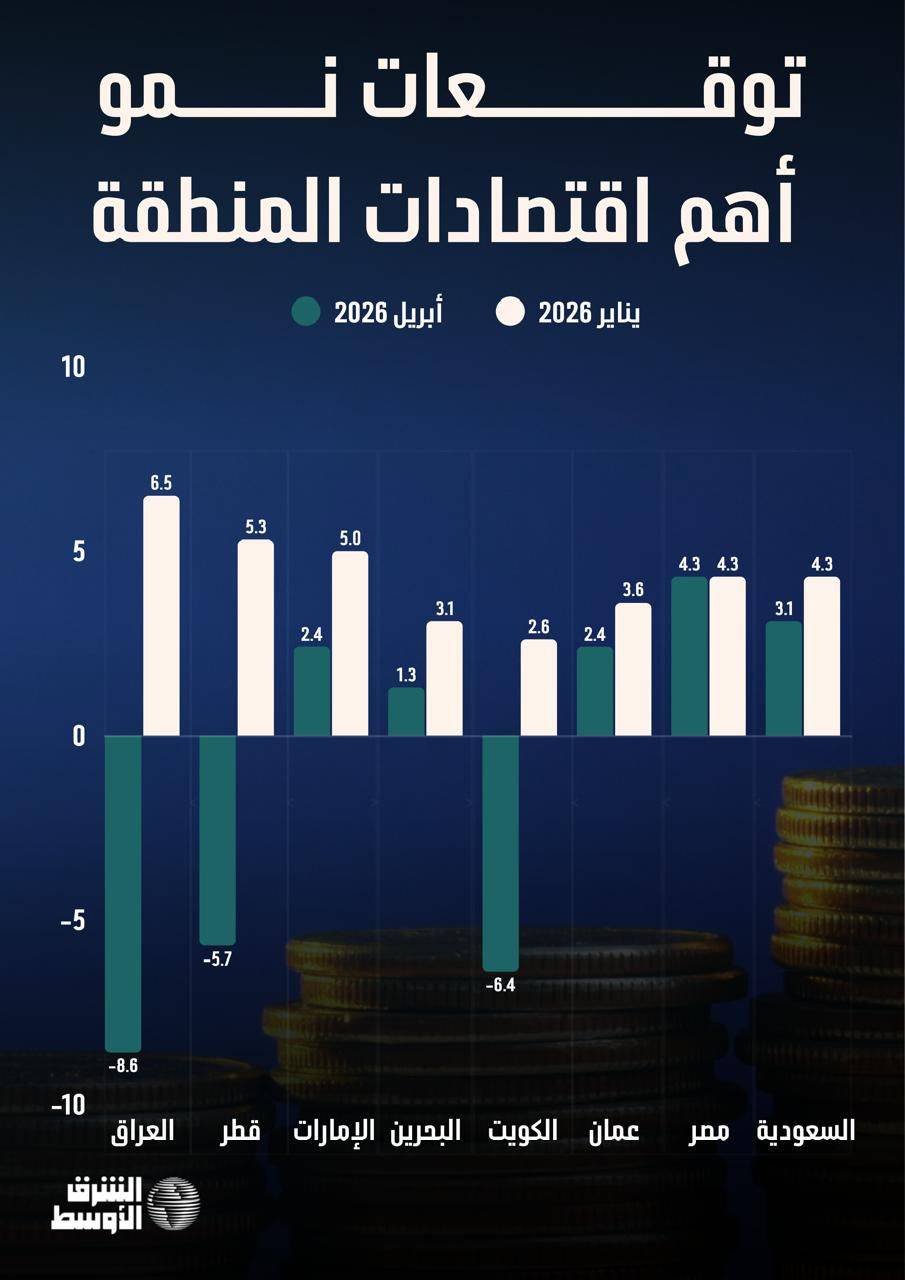
Last week, the World Bank issued a report ahead of the Spring Meetings of the World Bank and the International Monetary Fund, in which it maintained Saudi Arabia at the forefront, with projected growth of 3.1 percent in 2026, highlighting it as the Gulf economy most capable of coping with the repercussions of the current geopolitical crisis, despite sharp revisions affecting regional estimates.
Data in the report also showed that the fiscal deficit is expected to narrow by half to 3 percent, from 6 percent in 2025, alongside a shift in the current account balance from a deficit of -2.7 percent to a surplus of 3.3 percent.
Roberta Gatti, Chief Economist for the Middle East, North Africa, Afghanistan, and Pakistan at the World Bank. (World Bank)
On Monday, the United States imposed a naval blockade on Iranian ports, in an attempt to increase pressure on Iran to reopen Hormuz following the collapse of peace negotiations in Pakistan over the weekend. The negotiations are expected to resume in the coming days.
Gatti stressed: “Saudi Arabia plays a central role in global energy markets, and its efforts to strengthen resilience are especially important at a time of heightened uncertainty around the Strait of Hormuz.”
“Measures that enhance the reliability of energy supply chains - whether through infrastructure investment, alternative export routes, spare capacity, or stronger logistical preparedness - can help reduce the risk that such shocks translate into broader global disruption,” she added.
“These efforts matter not only for reducing volatility in global oil and gas markets for the benefit of the exporters, but also for global inflation, trade, and growth, especially in energy-importing developing countries that are highly vulnerable to volatility of these markets.”
Economic Diversification Under Stress Test
Gatti said the current conflict has directly highlighted the strategic importance of economic diversification, which is a core objective adopted in national development plans across GCC countries. She pointed out that data recorded since February 28 clearly reflects this divergence, stating: “The current conflict has highlighted the importance of economic diversification, an objective mentioned in multiple National Development Plans of GCC countries.”
“Since February 28, relatively more diversified economies, such as the UAE and Bahrain, have seen their forecasts downgraded significantly less than those of less diversified economies, such as Qatar and Kuwait. In addition, these larger forecast downgrades for Qatar and Kuwait reflect their higher reliance on route that goes through the Strait of Hormuz for trade and energy exports and the lack of alternative bypass routes.”
The World Bank expects Qatar’s economy to contract by 5.7 percent, marking a downgrade of 11 percentage points from previous estimates due to damage to liquefied natural gas supplies. Kuwait’s economy is also expected to contract more sharply by 6.4 percent, given its 100 percent reliance on the Strait of Hormuz for oil exports, making any closure of the waterway equivalent to a complete halt of the country’s financial lifeline.
In contrast, the UAE and Oman are expected to grow by 2.4 percent each, while Bahrain is expected to grow by 3.1 percent.
In this context, Gatti said: “The ‘Vision’ strategies remain appropriate and important as they aim to reduce structural dependence on hydrocarbons and promote private sector-led growth, but, as these recent events show, their implementation is sensitive to external shocks and the impacts are likely to be uneven across the region: more diversified economies tend to be more resilient due to stronger fiscal buffers and deeper non-oil sectors.”
“It also matters greatly into which new sectors the economies are diversifying. For example, prolonged instability could dampen investment and further disrupt tourism, aviation, and logistics sectors which have been expanding rapidly in the region. In contrast, sectors like banking and finance have been more insulated,” she explained.
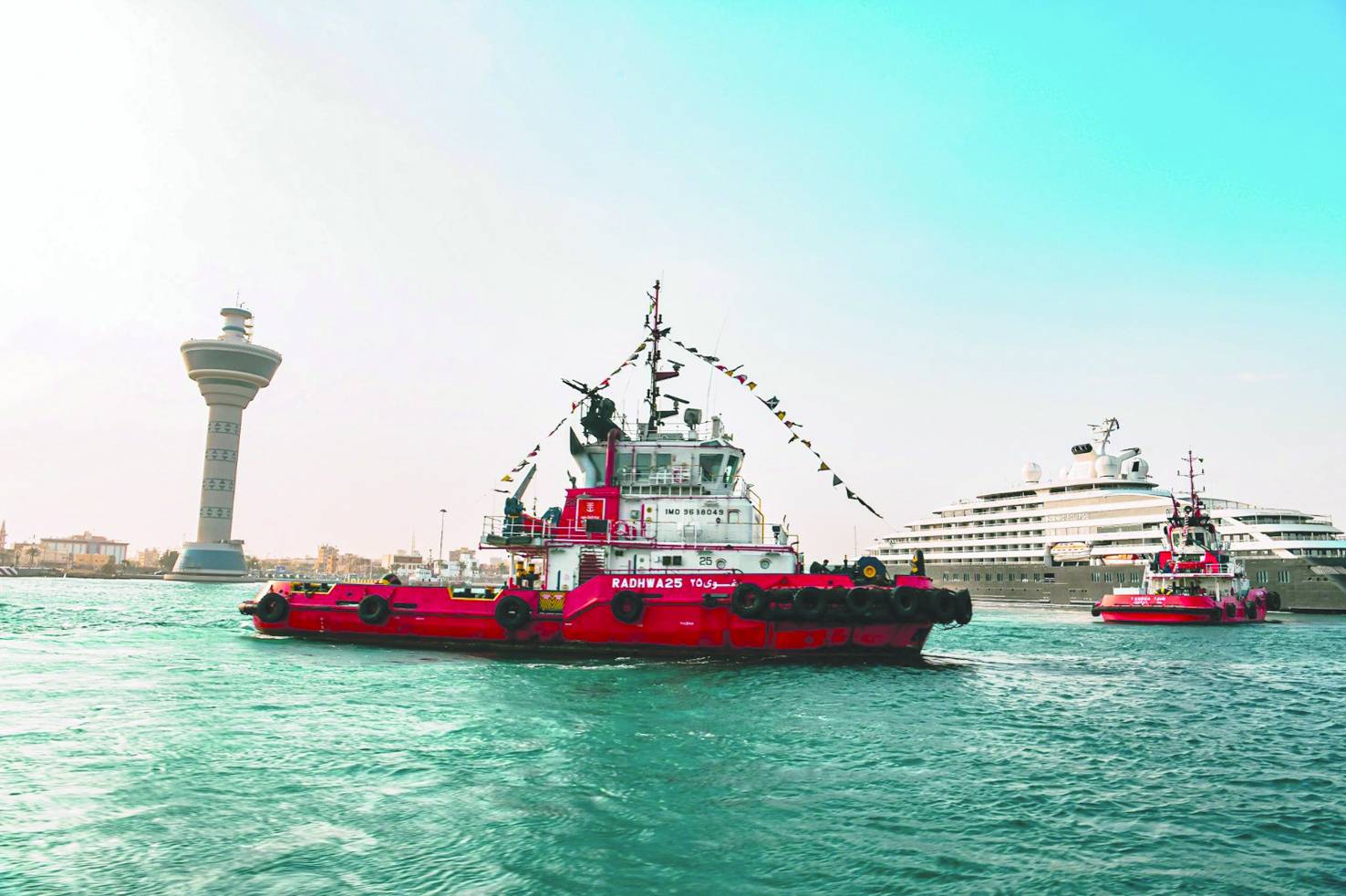
The commercial port of Yanbu is one of Saudi Arabia’s current key maritime gateways. (Mawani)
Energy Poverty
Gatti turned to the more severe dimension of energy market volatility, explaining that rising oil prices impose compounded pressures on developing importing countries, as they translate directly into higher electricity costs, more expensive public transportation, and rising food prices linked to increased fertilizer costs.
She noted that these pressures inevitably lead to wider trade deficits and greater strain on public budgets, particularly in poorer countries with limited reserves, which are forced to bear significant fiscal costs if they attempt to subsidize energy prices to ease the burden on citizens.
Gatti further noted that reliable and affordable energy is not merely a service, but a lifeline for both households and firms. In this context, volatility in fuel and gas markets delivers a “double hit” to these economies, as households struggle to meet basic needs while firms face more expensive and less reliable energy, making industrial expansion slower, riskier, and less competitive.
In this sense, sharp short-term price increases may not only have immediate effects, but could also disrupt long-term structural transformation in energy-poor developing economies, she told Asharq Al-Awsat.
“The resilience of economies to withstand oil and gas shocks depends on exposure and vulnerability of their economic structures. Degree of reliance on imported energy matters, and so do reliance on energy-intensive sectors, and how consumers, firms, and government adapt to rising prices,” she remarked.
The 'Cost' of Alternative Energy Routes
Addressing the need to invest in land corridors or pipelines that bypass narrow maritime chokepoints, Gatti said the decision requires a careful balance between economic efficiency and resilience. “Decisions on such investments must balance consideration for economic efficiency and resilience to shocks. The concentration of oil and gas export routes from the Gulf through the Strait of Hormuz suggests that this is likely the most economically efficient option, given geography and other technical and economic considerations. On the other hand, diversifying trade routes brings resilience to shocks.”
For example she highlighted that Saudi Arabia can “divert a portion of their oil exports to the Red Sea port of Yanbu via the East-West pipeline, with 7mbpd capacity. The UAE similarly has Habshan-Fujairah pipeline with 1.5-1.8mbpd capacity to bypass Hormuz.
Conversely, the Kirkuk–Ceyhan pipeline between Iraq and Türkiye can carry only about 0.4 mbpd, well below its 1.5 mbpd intended capacity, because of the delayed repairs needed for the segment within Iraq.”
The End of the 'Efficiency-Only' Era
On supply chain resilience, Gatti said the world is undergoing a severe test that began with the COVID-19 pandemic and has extended to regional conflicts, events that have exposed the fragility of excessive reliance on geographically concentrated production networks.
She stressed that the key lesson from these crises is that “efficiency alone is no longer enough,” as governments and companies increasingly need to build buffers, diversify sources, increase inventories of critical goods, and develop more flexible logistics systems.
She also pointed to the current analytical frameworks and extensive research to support countries in this transition, referring to the World Development Report 2020, which examined the challenges facing developing countries in the era of global value chains.
She also noted an upcoming report titled “Resources to Resilience: Economic Diversification for Oil and Gas Exporters in MENAAP,” which will provide a roadmap for exporters in the Middle East, North Africa, and Asia-Pacific on how to diversify their economic capabilities to navigate disruptions in maritime corridors and sudden shocks.
لم تشترك بعد
انشئ حساباً خاصاً بك لتحصل على أخبار مخصصة لك ولتتمتع بخاصية حفظ المقالات وتتلقى نشراتنا البريدية المتنوعة