



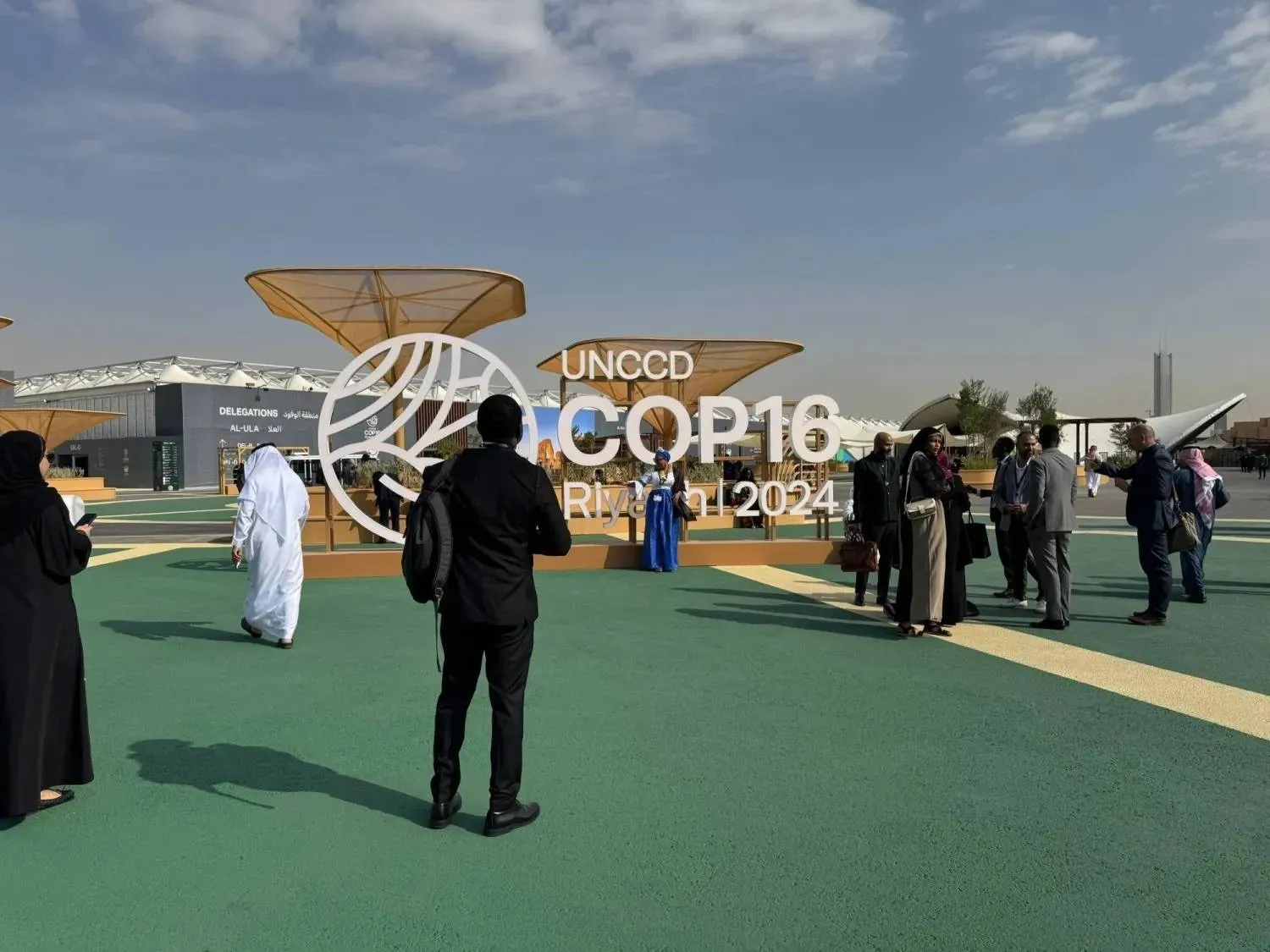

A recent financial needs assessment by the United Nations Convention to Combat Desertification (UNCCD) has revealed a staggering $278 billion annual funding gap. This shortfall jeopardizes global efforts to combat desertification and restore one billion hectares of degraded land by 2030.
The report, released during the COP16 conference in Riyadh, highlights the urgent need for increased investments and global collaboration to address this critical environmental challenge.
The assessment underscores that achieving anti-desertification goals requires an estimated $355 billion in annual investments between 2025 and 2030. However, current funding levels are projected at only $77 billion, leaving a significant gap. Cumulatively, $2.6 trillion is needed from 2016 to 2030 to meet global restoration targets. Africa faces the largest impact, accounting for $191 billion of the annual deficit due to its extensive land reclamation commitments.
Desertification and drought cause annual economic losses of approximately $878 billion, equivalent to 2% of GDP in some affected nations. Each year, 100 million hectares of land degrade, impacting 1.3 billion people globally. Despite these challenges, land restoration offers substantial economic benefits, with the potential to generate $1.8 trillion annually. This could significantly contribute to achieving Sustainable Development Goals (SDGs), including poverty eradication, food security, clean water access, and climate action.
In comments to Asharq Al-Awsat, Pablo Munoz, head of the UNCCD’s Global Mechanism, emphasized the need for substantial investment increases, noting that current efforts must be tripled to close the funding gap. He highlighted the importance of leveraging diverse financial solutions, including integrated financial strategies and partnerships with development organizations like the Green Climate Fund and the Global Environment Facility.
The private sector also has a critical role to play, with Munoz describing land as a valuable environmental asset. He encouraged businesses to invest in land conservation, leveraging mechanisms like the Land Degradation Neutrality Fund, which supports restoration projects and offers profitable investment opportunities.
Munoz stressed that combating desertification and drought requires global solidarity, as these challenges affect all regions and demand collective action. He concluded by urging nations to increase investments and enhance international cooperation to restore degraded lands, ensuring environmental and economic sustainability while advancing SDG objectives.


