Saudi Arabia Reaffirms Steadfast Support for Palestinian Cause

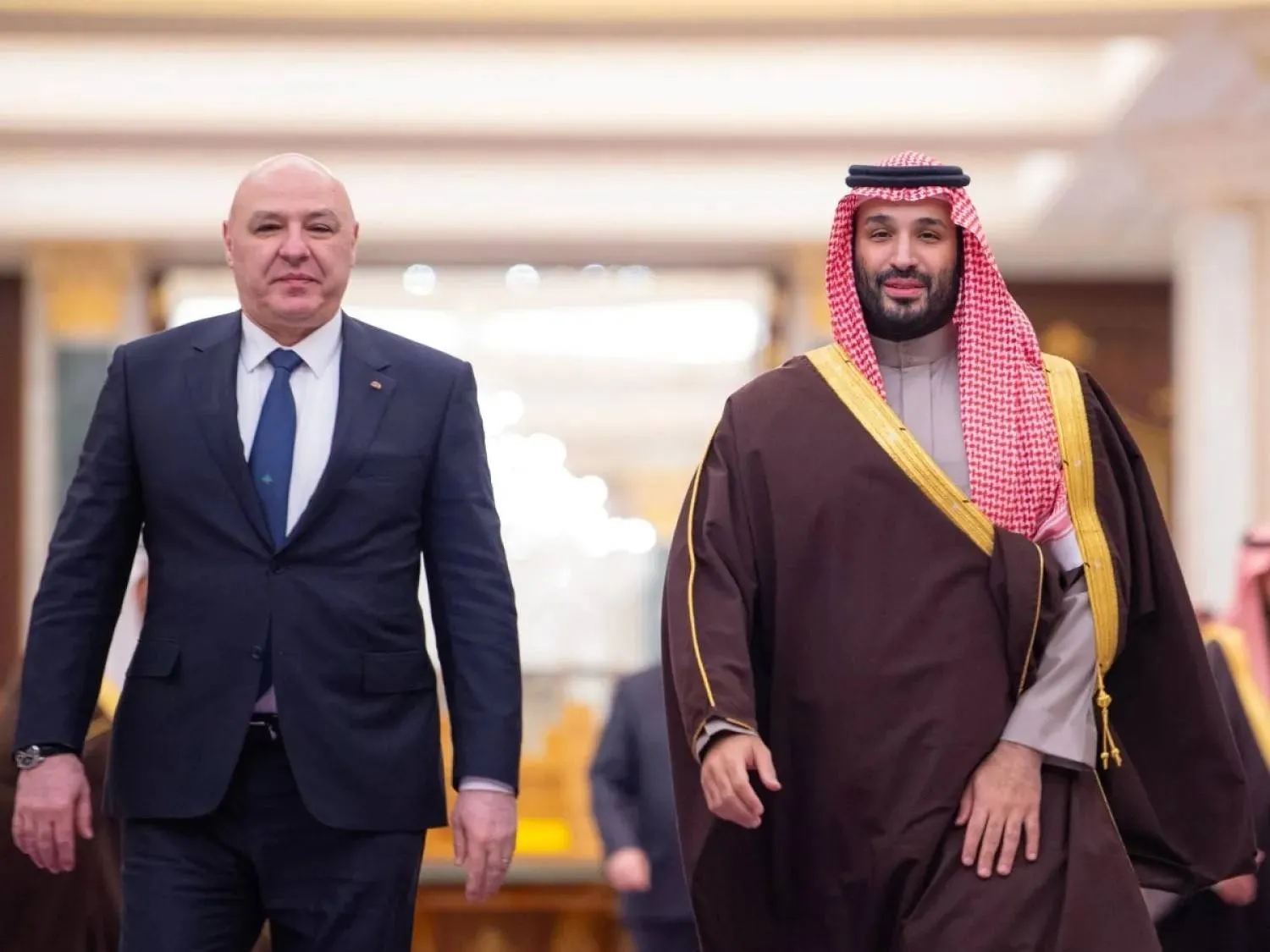
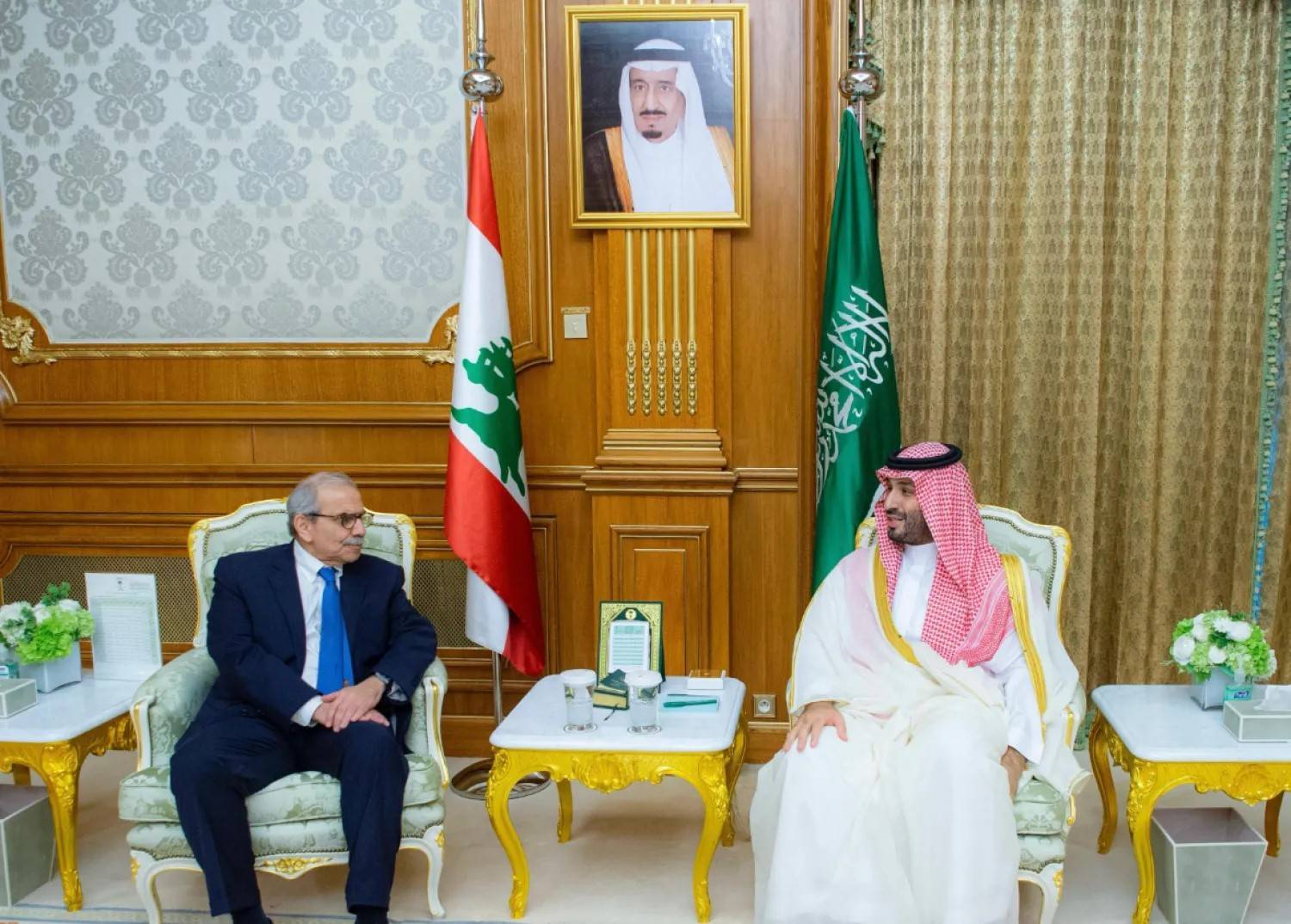
Saudi Crown Prince Mohammed bin Salman speaks at the Arab-Islamic summit in Riyadh, November 2024 (SPA)
TT

Saudi Arabia Reaffirms Steadfast Support for Palestinian Cause

Saudi Crown Prince Mohammed bin Salman speaks at the Arab-Islamic summit in Riyadh, November 2024 (SPA)

Saudi Arabia remains steadfast in supporting the Palestinian cause, advocating for Palestinian rights in international forums. The Kingdom upholds its historic role in backing the Palestinian people, drawing on its global influence and leadership in the Arab and Islamic worlds.

Representing Crown Prince Mohammed bin Salman, Saudi Foreign Minister Prince Faisal bin Farhan led the Kingdom’s delegation at an emergency Arab summit in Cairo on Tuesday.

The meeting discussed the latest developments in the Palestinian issue and joint Arab efforts to address them.

Prince Faisal reaffirmed the Kingdom’s firm rejection of any infringement on Palestinian rights, including settlement expansion, land annexation, or forced displacement.

Speaking at the Arab summit, he stressed the need for international guarantees to ensure a ceasefire in Gaza.

A consultative meeting of Gulf Cooperation Council leaders, along with Jordan and Egypt, held in Riyadh last month, welcomed the emergency Arab summit.

The leaders exchanged views on regional and international issues, particularly joint efforts to support the Palestinian cause and developments in Gaza.

Kuwait’s Emir Sheikh Meshal Al-Ahmad praised Saudi Arabia’s efforts in a message to Crown Prince Mohammed bin Salman following last month’s meeting in Riyadh.

He commended the Kingdom’s prominent regional and international role, particularly amid the challenges facing the region, including the Palestinian issue and the hardships endured by the Palestinian people.

He expressed hope for a unified stance on key issues to secure a better future for the region and its people.

Observers note that Saudi Arabia’s position on the Palestinian cause remains steadfast, rejecting compromise or political maneuvering.

They emphasize that the Kingdom insists on a clear path toward an independent Palestinian state based on the 1967 borders, with East Jerusalem as its capital, as a prerequisite for any comprehensive peace or diplomatic ties with Israel.

Saudi officials have reiterated this stance in international forums and official statements.

Riyadh has repeatedly affirmed that the Palestinian cause is its top priority, stressing that the UN Security Council (UNSC) cannot evade its responsibilities. The Kingdom has urged the UNSC to take decisive action to ensure the Palestinian people receive their long-denied rights.

In a statement last month, Saudi Arabia’s Foreign Ministry reaffirmed that the Palestinian people have a rightful claim to their land and are not migrants who can be expelled at Israel’s discretion.

It stressed that this right is inalienable, regardless of time, and that lasting peace can only be achieved through reason and a commitment to peaceful coexistence based on a two-state solution.

Observers noted that resolutions from the Arab-Islamic summit held in Riyadh last November—particularly the rejection of Palestinian displacement—serve as a key reference for the Arab position on US and Israeli statements regarding the forced removal of Gaza’s population, the annexation of the West Bank, and placing Gaza under US administration.

In September, Saudi Arabia, alongside Arab, Islamic, and European partners, announced the launch of the Global Alliance for the Implementation of the Two-State Solution during a ministerial meeting on the sidelines of the UN General Assembly’s high-level session in New York.

Analysts viewed the initiative as a step toward restoring credibility in multilateral diplomacy and demonstrating a serious commitment to achieving peace and establishing a Palestinian state.

Riyadh hosted the first meeting of the Alliance in late October, bringing together representatives from nearly 90 countries and international organizations.

Prince Faisal underscored the need for intensified global efforts to salvage the two-state solution and restore regional security and stability.

He reaffirmed Saudi Arabia’s and its regional partners’ commitment to peace through concrete steps and a clear timeline aimed at ending the occupation and establishing an independent Palestinian state.

Since the start of the Gaza crisis, Saudi Arabia has swiftly provided urgent humanitarian aid through air and sea relief bridges and launched a nationwide donation campaign for Palestinians in the enclave, raising more than SAR 707 million ($188 million).

The Kingdom has also offered monthly financial support to help address the humanitarian situation in Gaza and surrounding areas.


Riyadh has repeatedly condemned Israeli airstrikes on Syria and Israel’s ongoing violations of international agreements and laws.

It has urged the international community to take responsibility for halting Israel’s destabilizing actions and preventing a wider conflict in the region.

The Kingdom has also reaffirmed its support for Lebanon and its people, expressing confidence in the ability of President Joseph Aoun and Prime Minister Nawaf Salam to take the necessary steps to safeguard the country’s security, stability, and unity.

The Kingdom emphasized the importance of preserving state institutions and achievements to restore Lebanon’s regional and international standing and bolster trust among its partners.

Riyadh is also actively working to resolve the Sudan crisis, pushing for a ceasefire agreement and efforts to restore stability.

The Kingdom seeks a political path that ensures Sudan’s security, unity, and sovereignty while preventing foreign interference. Meanwhile, it continues to provide humanitarian aid to alleviate the suffering of the Sudanese people.


Saudi, Omani FMs Discuss Regional Developments

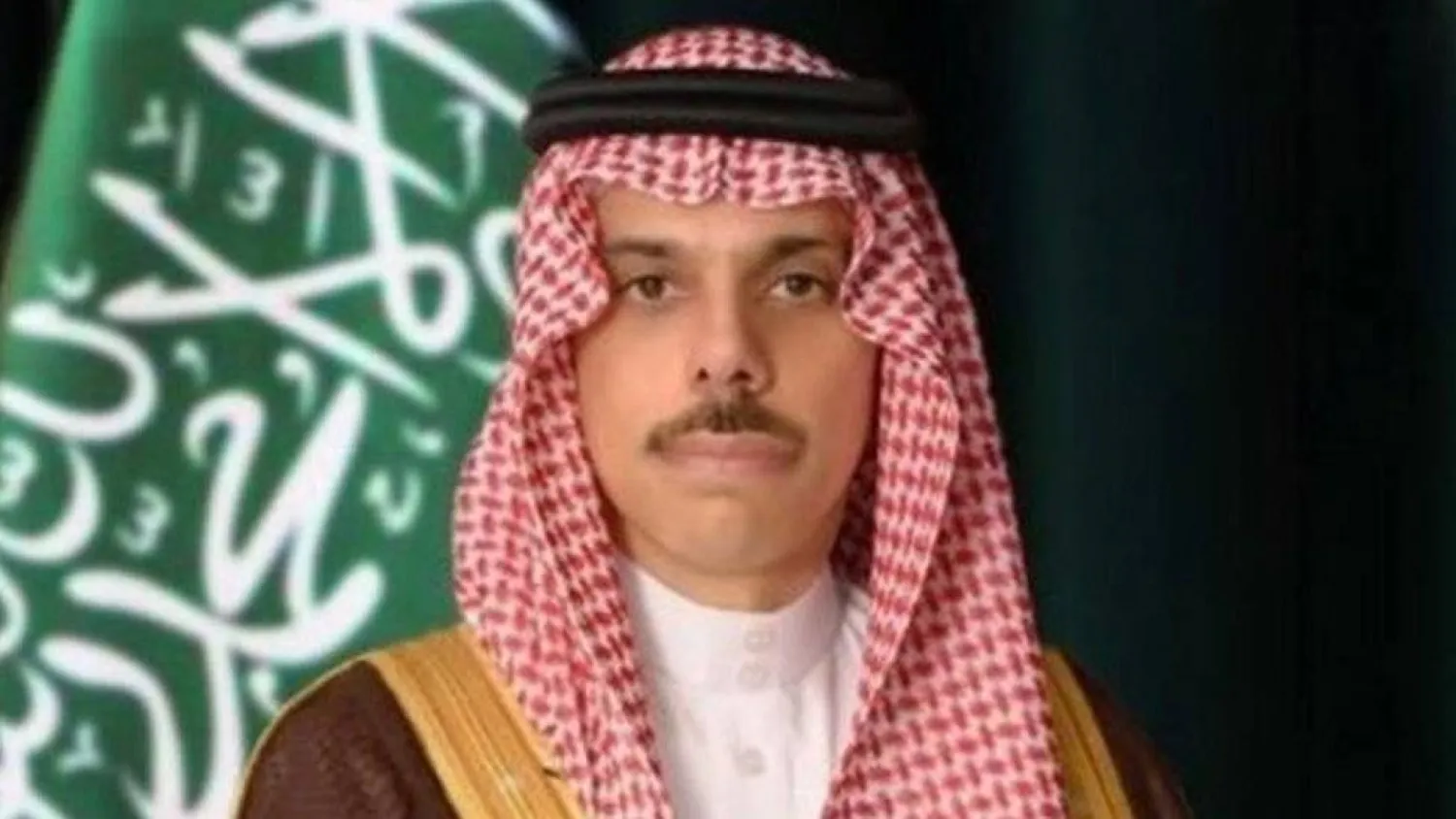
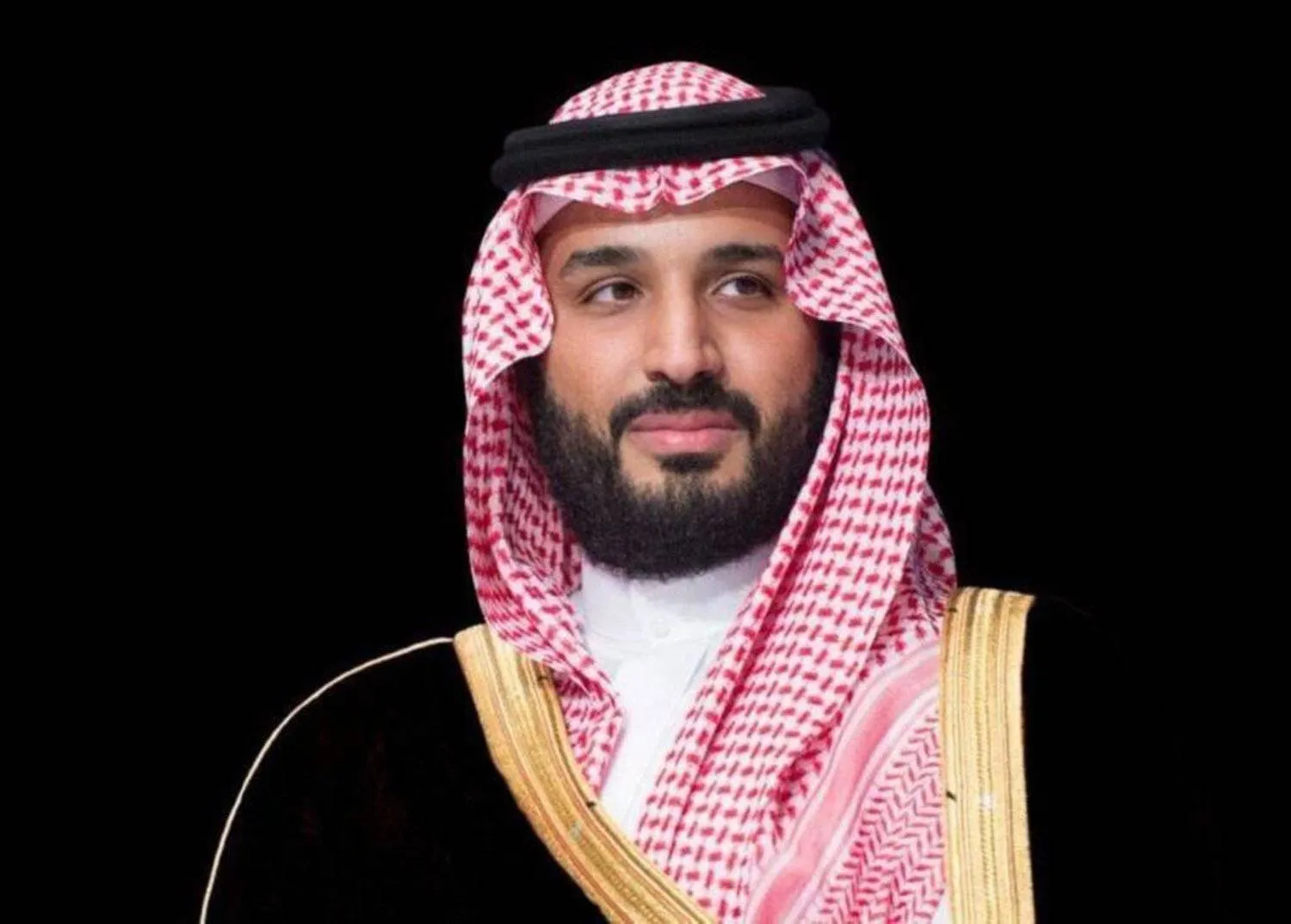
Saudi Minister of Foreign Affairs Prince Faisal bin Farhan bin Abdullah meets with his Omani counterpart Badr bin Hamad bin Hamood Albusaidi in Riyadh on Wednesday. (SPA)
TT

Saudi, Omani FMs Discuss Regional Developments

Saudi Minister of Foreign Affairs Prince Faisal bin Farhan bin Abdullah meets with his Omani counterpart Badr bin Hamad bin Hamood Albusaidi in Riyadh on Wednesday. (SPA)

Saudi Minister of Foreign Affairs Prince Faisal bin Farhan bin Abdullah received in Riyadh on Wednesday his Omani counterpart Badr bin Hamad bin Hamood Albusaidi.

They reviewed the strong bilateral relations between their countries and ways to boost them across various fields.

They also addressed the latest developments in the region and the importance of continuing efforts to achieve security and stability.


OIC Condemns Israeli Decision to Ban 37 Aid Groups from Operating in Gaza

 The sun sets over a tent camp sheltering Palestinians displaced by the Israeli offensive, on New Year’ Eve in Khan Younis, southern Gaza Strip, December 31, 2025. (Reuters)
The sun sets over a tent camp sheltering Palestinians displaced by the Israeli offensive, on New Year’ Eve in Khan Younis, southern Gaza Strip, December 31, 2025. (Reuters)
TT

OIC Condemns Israeli Decision to Ban 37 Aid Groups from Operating in Gaza

 The sun sets over a tent camp sheltering Palestinians displaced by the Israeli offensive, on New Year’ Eve in Khan Younis, southern Gaza Strip, December 31, 2025. (Reuters)
The sun sets over a tent camp sheltering Palestinians displaced by the Israeli offensive, on New Year’ Eve in Khan Younis, southern Gaza Strip, December 31, 2025. (Reuters)

The General Secretariat of the Organization of Islamic Cooperation (OIC) strongly condemned on Wednesday Israel’s decision to prevent 37 international non-governmental organizations operating in the humanitarian and health sectors from carrying out their activities in Gaza.

The Secretariat stressed that these organizations “play an indispensable role in alleviating humanitarian suffering in Gaza.”

The OIC General Secretariat “warned of the grave consequences of this arbitrary measure, which is likely to dangerously exacerbate the catastrophic humanitarian situation in the Gaza Strip due to Israeli restrictions that hinder the entry of sufficient humanitarian and medical aid.”

It deemed the Israeli decision as “illegal and a “blatant violation of the principles of international humanitarian law and the advisory opinion of the International Court of Justice, which obliges the Israel to facilitate the work of international and humanitarian organizations and to allow the adequate and unhindered delivery of humanitarian assistance to the Gaza Strip.”

The OIC General Secretariat called on the international community “to take the necessary measures and exert effective pressure on Israeli authorities to reverse this decision, ensure the protection of humanitarian workers, and guarantee the freedom of humanitarian organizations to operate without restriction throughout the occupied Palestinian territory.”


Gulf Countries, OIC Say Security of Saudi Arabia and GCC States Integral to Region

A general view of Kuwait City buildings, Kuwait, December 23, 2024. (Reuters)
TT

Gulf Countries, OIC Say Security of Saudi Arabia and GCC States Integral to Region

A general view of Kuwait City buildings, Kuwait, December 23, 2024. (Reuters)

Qatar announced that it is following with great interest the ongoing developments and events in Yemen, reiterating its full support for the legitimate Yemeni government and the importance of preserving Yemen’s unity and territorial integrity, safeguarding the interests of the brotherly Yemeni people, and achieving their aspirations for security, stability, and development.

In a statement, the Qatari Ministry of Foreign Affairs stressed that the security of Saudi Arabia and the Gulf Cooperation Council states is integral to the security of Qatar, stemming from the deep-rooted brotherly ties and shared destiny that unite the GCC countries.

The ministry commended the statements issued by Saudi Arabia and the United Arab Emirates, noting that they reflect a commitment to prioritizing the region’s interests, boosting the principles of good neighborliness, and adhering to the foundations and principles enshrined in the Charter of the Gulf Cooperation Council.

Qatar will remain at the forefront of countries supporting efforts to promote dialogue and diplomacy as the optimal path to achieving prosperity, security, and stability for the region and its peoples, stressed the ministry.

Kuwait's foreign ministry issued a similar statement, saying the security of Saudi Arabia and GCC states is a fundamental pillar of Gulf collective security, rooted in the bonds of brotherhood and shared destiny among them.

It expressed continued support for regional and international efforts aimed at promoting dialogue and peace, emphasizing diplomacy as the most effective path to achieving security, stability, and lasting peace in the region.

Bahrain, chair of the current session of the GCC, praised the “pivotal role played by Saudi Arabia and the United Arab Emirates in supporting the security and stability of Yemen, stemming from their brotherly responsibilities and shared commitment to the security and stability of the Gulf region within the GCC framework.” 

The Bahraini Ministry of Foreign Affairs stressed its “confidence in the wisdom of the leaderships of Saudi Arabia and the UAE, and in their ability to contain any differences within the framework of the GCC, in line with the principles of the GCC based on solidarity, mutual understanding, and unity, serving the shared aspirations to instill security, stability, peace, and prosperity for the benefit of the region and its peoples.” 

The ministry reiterated Bahrain’s “firm and supportive stance toward all regional and international initiatives and efforts aimed at reaching a comprehensive and lasting political solution in Yemen, in accordance with the GCC initiative and its executive mechanism, the outcomes of the Comprehensive National Dialogue Conference, and relevant UN Security Council resolutions.” 

Jordan also praised Saudi Arabia and the UAE's roles in supporting Yemen.

OIC

Secretary-General of the Organization of Islamic Cooperation (OIC) Hissein Brahim Taha underlined the organization’s firm stance in support of Yemen, its sovereignty, unity, and territorial integrity.  

He reiterated the OIC’s categorical rejection of any actions or attempts that would undermine Yemen’s unity or compromise its constitutional legitimacy and national institutions, in light of recent developments in the country. 

He renewed the OIC’s full support for the legitimate Yemeni government, represented by the President of the Presidential Leadership Council. He stressed the importance of preserving and strengthening state institutions in order to realize the Yemeni people’s aspirations for security, stability, and development. 

Taha condemned any actions or practices by the Southern Transitional Council that pose a direct threat to Yemen’s unity, undermine peace efforts, and prolong the conflict.  

“Any disruption to Yemen’s security and stability also threatens peace and security across the region,” he warned. 

He welcomed the announcement of the UAE’s withdrawal of forces from Yemen, describing it as a “constructive step that supports de-escalation efforts and spares the blood of the Yemeni people.” 

He further stressed that the security, sovereignty and territorial integrity of Saudi Arabia “constitute inviolable red lines.” 

“Any threat to the Kingdom’s security is a direct threat to the security of the entire region and the Islamic world,” Taha added, underscoring the OIC’s “full solidarity with Saudi Arabia in all measures taken to safeguard its national security.” 

He stressed “the need to continue supporting political and diplomatic efforts aimed at reaching a comprehensive and lasting solution to the Yemeni crisis.” 

He called on all Yemeni parties “to uphold legitimacy, renounce violence, and prioritize dialogue and the higher interests of Yemen and its people, in order to achieve security, stability, and development while preserving the country’s unity, sovereignty, and territorial integrity.”