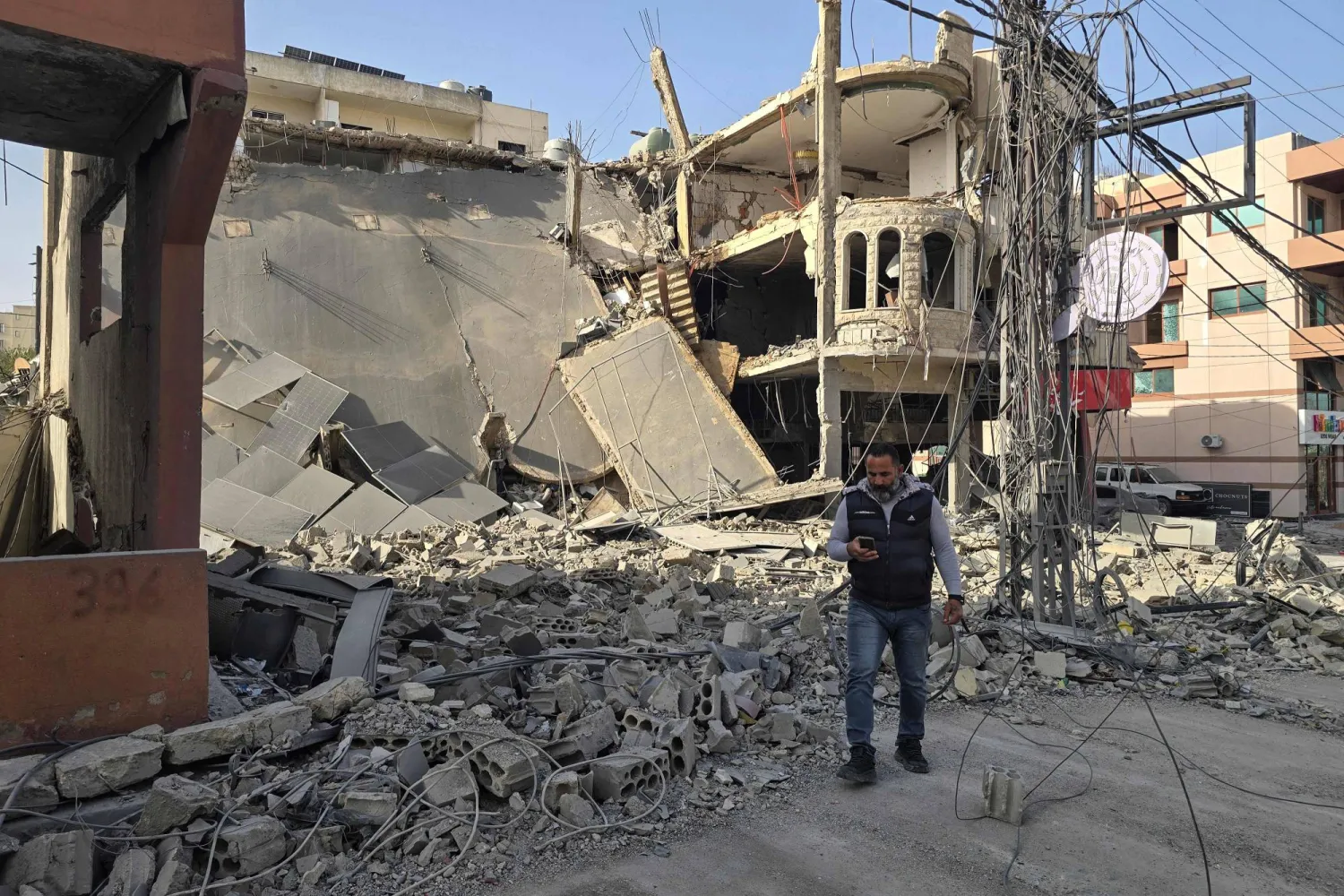
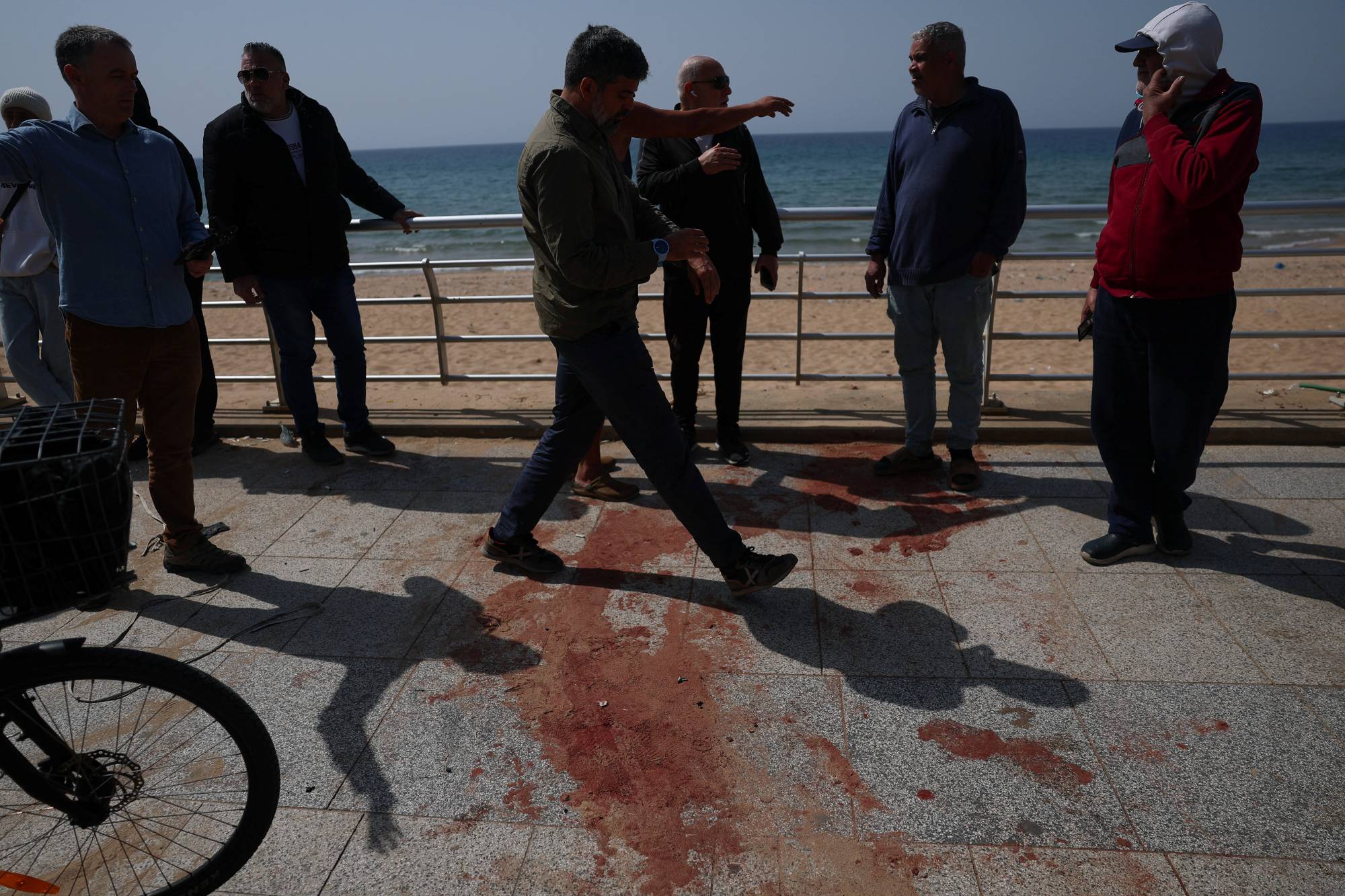
Israel launched airstrikes across the Gaza Strip early Tuesday, killing more than 400 Palestinians, local health officials said, and shattering a ceasefire in place since January with its deadliest bombardment in a 17-month war with Hamas.
Prime Minister Benjamin Netanyahu ordered the strikes, which killed mostly women and children, after Hamas refused Israeli demands to change the ceasefire agreement. In a statement aired on national television, he said the attack was “only the beginning” and that Israel would press ahead until it achieves all of its war aims — destroying Hamas and freeing all hostages held by the group.
All further ceasefire negotiations will take place “under fire,” he said. The White House said it had been consulted and voiced support for Israel’s actions.
The Israeli military ordered people to evacuate eastern Gaza and head toward the center of the territory, indicating that Israel could soon launch renewed ground operations. The new campaign comes as aid groups warn supplies are running out two weeks after Israel cut off all food, medicine, fuel and other goods to Gaza’s 2 million Palestinians.
“Israel will, from now on, act against Hamas with increasing military strength,” Netanyahu’s office said.
The attack during the Muslim holy month of Ramadan could signal the full resumption of a war that has already killed tens of thousands of Palestinians and caused widespread destruction across Gaza. It also raised concerns about the fate of the roughly two dozen hostages held by Hamas who are believed to still be alive.
The renewal of the campaign against Hamas, which receives support from Iran, came as the US and Israel stepped up attacks this week across the region. The US launched deadly strikes against Iran-allied Houthi militias in Yemen, while Israel has targeted Iran-backed militants in Lebanon and Syria.
A senior Hamas official said Netanyahu’s decision to return to war amounts to a “death sentence” for the remaining hostages. Izzat al-Risheq accused Netanyahu of launching the strikes to save his far-right governing coalition.
Hamas said at least six senior officials were killed in Tuesday’s strikes. Israel said they included the head of Hamas' civilian government, its justice minister and two security agency chiefs. There were no reports of any attacks by Hamas several hours after the bombardment.
But Yemen's Houthis fired rockets toward Israel for the first time since the ceasefire began. The volley set off sirens in Israel's southern Negev desert but was intercepted before it reached the country's territory, the military said.
The strikes came as Netanyahu faces mounting domestic pressure, with mass protests planned over his handling of the hostage crisis and his decision to fire the head of Israel’s internal security agency. His latest testimony in a long-running corruption trial was canceled after the strikes.
The strikes appeared to give Netanyahu a political boost. A far-right party led by Itamar Ben-Gvir that had bolted the government over the ceasefire announced Tuesday it was rejoining.
The main group representing families of the hostages accused the government of backing out of the ceasefire. “We are shocked, angry and terrified by the deliberate dismantling of the process to return our loved ones from the terrible captivity of Hamas,” the Hostages and Missing Families Forum said.
Wounded stream into Gaza hospitals
Strikes across Gaza pounded homes, sparked fires in a tent camp outside the southern city of Khan Younis and hit at least one school-turned-shelter.
After two months of relative calm during the ceasefire, stunned Palestinians found themselves once again digging loved ones out of rubble and holding funeral prayers over the dead at hospital morgues.
“Nobody wants to fight,” Nidal Alzaanin, a resident of Gaza City, said. “Everyone is still suffering from the previous months.”
A hit on a home in Rafah killed 17 members of one family, according to the European Hospital, which received the bodies. The dead included five children, their parents, and another father and his three children. Another in Gaza City killed 27 members of a family, half of them women and children, including a 1-year-old, according to a list of the dead put out by Palestinian medics.
At Khan Younis’s Nasser Hospital, patients lay on the floor, some screaming. A young girl cried as her bloody arm was bandaged. Wounded children overwhelmed the pediatric ward, said Dr Tanya Haj-Hassan, a volunteer with Medical Aid for Palestinians aid group.
She said she helped treat a 6-year-old girl with internal bleeding. When they pulled away her curly hair, they realized shrapnel had also penetrated the left side of her brain, leaving her paralyzed on the right side. She was brought in with no ID, and “we don't know if her family survived,” Haj-Hassan said.
Gaza’s Health Ministry said the strikes killed at least 404 people and wounded more than 560. Zaher al-Waheidi, head of the ministry’s records department, said at least 263 of those killed were women or children under 18. He described it as the deadliest day in Gaza since the start of the war.
The war has killed over 48,500 Palestinians, according to local health officials, and displaced 90% of Gaza’s population. The Health Ministry doesn’t differentiate between civilians and fighters, but says over half of the dead have been women and children.
The war erupted when Hamas-led gunmen stormed into southern Israel on Oct 7, 2023, killing some 1,200 people, mostly civilians, and taking 251 hostages. Most have been released in ceasefires or other deals, with Israeli forces rescuing only eight and recovering dozens of bodies.
US backs Israel and blames Hamas
The White House blamed Hamas for the renewed fighting. National Security Council spokesman Brian Hughes said the group “could have released hostages to extend the ceasefire but instead chose refusal and war.”
The ceasefire deal that the US helped broker, however, did not require Hamas to release more hostages to extend the halt in fighting beyond its first phase.
An Israeli official, speaking on condition of anonymity to discuss the unfolding operation, said Israel was striking Hamas’ military, leaders and infrastructure and planned to expand the operation beyond air attacks.
The official accused Hamas of attempting to rebuild and plan new attacks. Hamas fighters and security forces quickly returned to the streets in recent weeks after the ceasefire went into effect. Hamas on Tuesday denied planning new attacks.
Israel had sought to change the ceasefire deal
Under the ceasefire that began in mid-January, Hamas released 25 hostages and the bodies of eight more in exchange for more than 1,700 Palestinian prisoners as agreed in the first phase.
But Israel balked at entering negotiations over a second phase. Under the agreement, phase two was meant to bring the freeing of the remaining 24 living hostages, an end to the war and full Israeli withdrawal from Gaza. Israel says Hamas also holds the remains of 35 captives.
Instead, Israel demanded Hamas release half of the remaining hostages in return for a ceasefire extension and a vague promise to eventually negotiate a lasting truce. Hamas refused, demanding the two sides follow the original deal, which called for the halt in fighting to continue during negotiations over the second phase.
The deal had largely held, though Israeli forces have killed dozens of Palestinians who the military says approached its troops or entered unauthorized areas. Egypt, Qatar and the United States have been trying to mediate the next steps.
Israel says it will not end the war until it destroys Hamas’ governing and military capabilities and frees all hostages — two goals that could be incompatible.
A full resumption of the war would allow Netanyahu to avoid the tough trade-offs called for in the second phase and the thorny question of who would govern Gaza.
It would also shore up his coalition, which depends on far-right lawmakers who want to depopulate Gaza and rebuild Jewish settlements there.
Released hostages have repeatedly implored the government to press ahead with the ceasefire to return all remaining captives. Tens of thousands of Israelis have joined protests calling for a ceasefire and return of all hostages.