Saudi Arabia’s inflation rate held steady at 1.8% in June, underscoring the economy’s price stability as renewed conflict in the Middle East raises fears of higher energy costs and a fresh wave of global inflation.
The reading, released by the General Authority for Statistics on Wednesday, kept the Kingdom among the G20 economies with the lowest inflation rates and broadly aligned with Saudi government and International Monetary Fund forecasts.
The data showed that the Saudi economy entered the latest period of global volatility from a relatively strong position, with inflation remaining subdued despite uncertainty across energy and financial markets.
The June figures preceded renewed turbulence in global oil markets after the war in the Middle East resumed, pushing crude prices higher and raising concerns that energy costs could feed into consumer prices elsewhere.
For Saudi Arabia, stable inflation provides a buffer against any price pressures that may emerge in the coming months.
Housing remained the main driver of inflation. Prices for housing, water, electricity, gas and other fuels rose 3.5% from a year earlier, led by a 4.4% increase in actual housing rents. The rise reflected stronger demand in major cities and rapid urban expansion linked to the Kingdom’s large development projects.
Transport prices increased 1.7%, while food and beverage prices rose 1.4%. Declines in several other categories helped contain the overall rate.
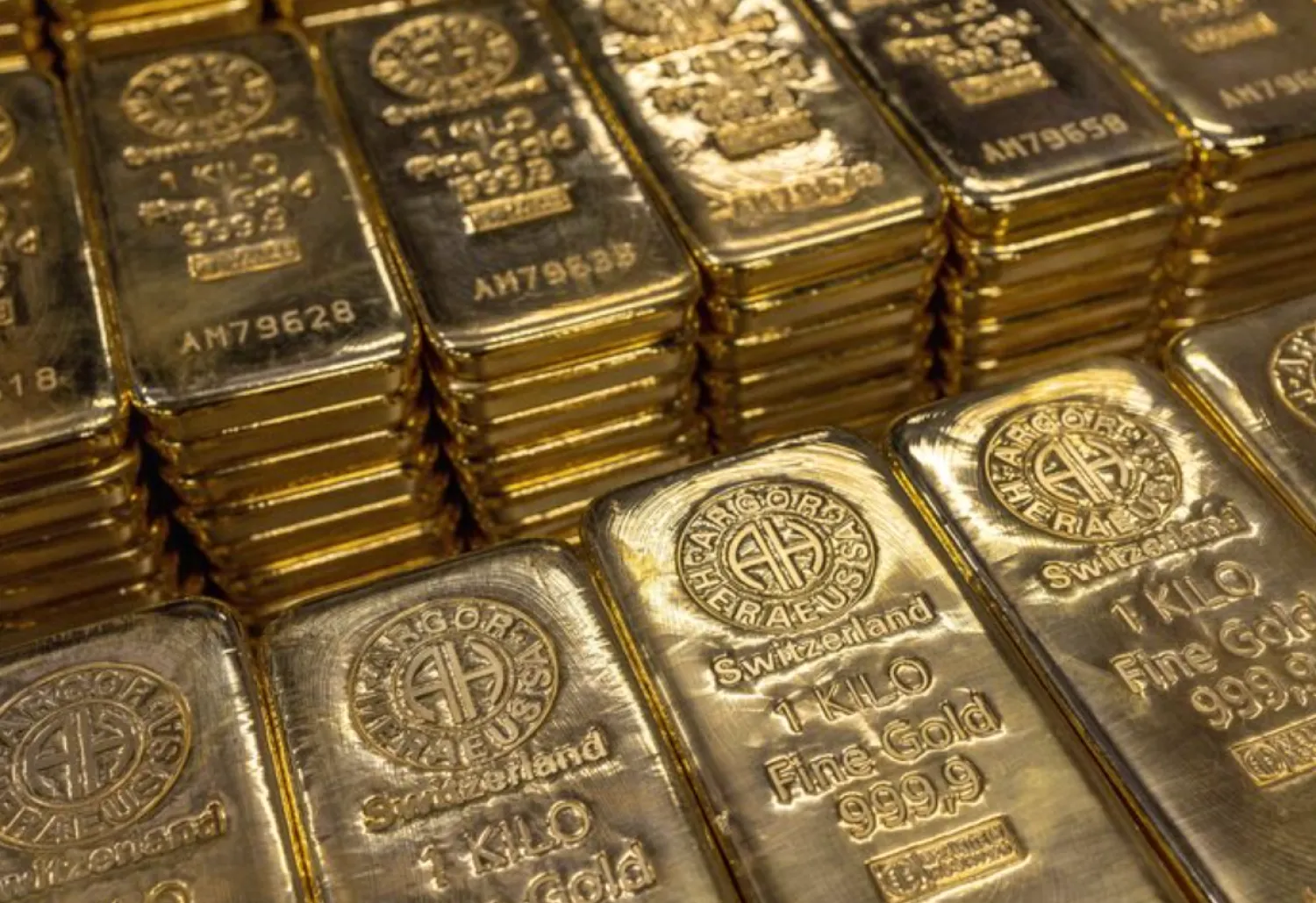
Prices for personal care, social protection and miscellaneous goods and services rose 3.8%, driven by a 14.7% jump in jewelry and watch prices amid record increases in global gold and precious-metal prices.
Recreation, sports and culture prices climbed 2.5%, reflecting a 4.2% increase in the cost of holiday packages and tourist trips.
By contrast, prices for furnishings, household equipment and routine household maintenance fell 0.6%, while clothing and footwear prices declined 0.4% year on year. The falls helped offset inflation in housing and other services and reflected continued competition across consumer markets.
Monthly rise remains modest
On a monthly basis, consumer prices rose 0.2% in June from May 2026.
Food and beverage prices increased 0.7%, driven by a rise of the same rate in food prices.
Housing, electricity and gas prices edged up 0.1%, while transport costs rose 0.4%.
Prices for personal care and social protection fell 1.0% from the previous month. Restaurant and accommodation services declined 0.1%, while communication prices also slipped 0.1%.
Among the G20’s lowest
Saudi Arabia's inflation remained below the levels recorded in several major economies.
Inflation stood at 3.5% in the United States in June, around 3% in Britain and close to 2% in the eurozone. Some emerging economies continued to post much higher rates.
That left Saudi Arabia among the least inflationary economies in the G20, even as it pressed ahead with large-scale investment and development programs.
The Kingdom’s inflation rate also remained below the average for advanced economies and well below that of emerging and developing markets, where food, energy and currency pressures have been more pronounced.
The figures point to Saudi Arabia’s ability to maintain price stability while expanding investment and implementing major development projects.
That contrasts with economies where stronger spending or higher energy costs have translated into faster inflation.
Official forecasts
The June reading was consistent with Saudi Finance Ministry forecasts for average inflation of about 2% in 2026.
It also aligned with IMF estimates issued in May and June, which projected that average inflation in Saudi Arabia would fall below 2% this year.
The IMF attributed the outlook to the strength of the Kingdom’s economic fundamentals and the effectiveness of domestic policies in containing inflationary pressures.
The fund expects global inflation to average 4.7% in 2026, up from 4.1% in 2025, before easing to 3.9% in 2027.
Those projections reflect continued pressure from tensions in the Middle East and higher energy prices. Saudi inflation, by comparison, is expected to remain below half the projected global average.
Why inflation has stayed low
Economists attribute the Kingdom’s low inflation to resilient economic fundamentals, effective monetary and fiscal policies, improved supply-chain efficiency and government measures aimed at maintaining adequate supplies of goods and services.
Rapid growth in non-oil activities and increased investment under Vision 2030 have also strengthened the economy’s ability to absorb external shocks without a significant pass-through to consumer prices.
Stable inflation helps preserve household purchasing power, but its effects extend further. It supports investor confidence, gives businesses greater visibility over future costs and reduces uncertainty around investment and consumption decisions.
Analysts said moderate inflation also gives policymakers more room to support economic growth as global markets brace for the impact of higher energy prices.
They expect the effect of those pressures on Saudi consumer prices to be more limited than in many other economies.
More certainty for businesses
Hisham Abu Jamea, chief adviser at Naif Al Rajhi Company, said stable inflation was a positive sign for prices and purchasing power and reinforced Saudi Arabia’s position among the G20 economies with the lowest inflation rates.
“Stable inflation provides a more predictable environment for individuals and the business sector and gives decision-makers greater room to focus on supporting economic growth,” he told Asharq Al-Awsat.
Abu Jamea said Saudi Arabia had managed to keep inflation below 2% despite global disruptions and economic challenges.
Housing remained the main source of pressure because of its large weighting in the consumer price index, he added.
However, recent government initiatives in the real estate sector were expected to ease price pressures and help bring inflation down, he stressed.
Growth without sharp price increases
Salem Baajajah, a professor of economics at King Abdulaziz University, said the 1.8% reading showed that economic growth in Saudi Arabia was no longer necessarily accompanied by sharp price increases.
He described that as an important shift from the experience of many global economies in recent years.
Maintaining inflation at its current level gives policymakers more room to proceed with major projects and economic diversification programs without allowing higher prices to undermine consumption or investment, he told Asharq Al-Awsat.
“The most important indicator is not merely that inflation remains low, but the quality of that stability,” Baajajah said.
“If it is supported by increased domestic production, broader competition and improved supply-chain efficiency, it becomes sustainable rather than temporary,” he remarked.
“The challenge in the next stage will not be to push inflation even lower, but to keep it within a moderate range that is consistent with an economy growing rapidly and attracting substantial investment,” he added.