
Snapback Threat Deepens Iran-West Tensions Amid Warnings and Diplomatic Standoff

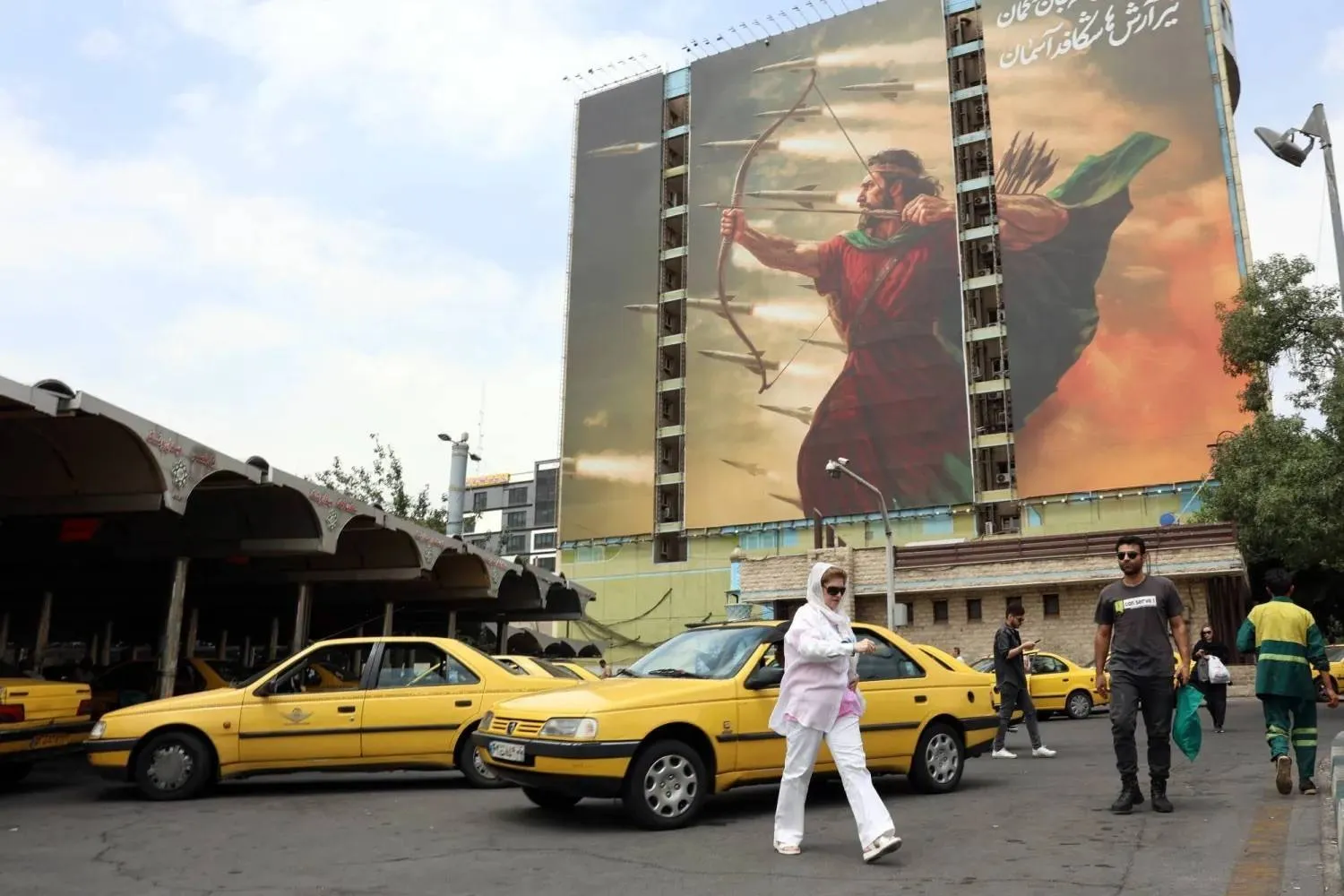
Iranians walk past a propaganda mural in Tehran depicting a figure from Persian mythology launching missiles, Wednesday (EPA)
TT

Snapback Threat Deepens Iran-West Tensions Amid Warnings and Diplomatic Standoff

Iranians walk past a propaganda mural in Tehran depicting a figure from Persian mythology launching missiles, Wednesday (EPA)

Tensions between Iran and Western powers have escalated sharply, as the European trio - Britain, France, and Germany - hinted at reactivating the “snapback” mechanism that would automatically reimpose United Nations sanctions on Iran. The looming decision has sparked strong reactions from Tehran, with Iranian officials warning of potential retaliatory actions that may come as a surprise to some European nations.

According to diplomatic sources cited by the Associated Press, the foreign ministers of the European trio agreed during a phone call with US Secretary of State Marco Rubio earlier this week to reinstate UN sanctions on Iran by the end of August, should no substantial progress be made on the nuclear deal.

The snapback mechanism, part of the 2015 nuclear agreement, allows any signatory to reinstate international sanctions if Iran fails to uphold its commitments. The clause expires on October 18, making this summer a crucial period for decisive action.

In Tehran, the response was swift and stern. Iranian MP Ebrahim Azizi, head of the parliament’s National Security and Foreign Policy Committee, denounced the European move as “a hostile political action.”

He stressed that Iran has “multiple options” and would not hesitate to use them if provoked. “The West must refrain from such a step,” Azizi warned, “and if they go ahead with it, our countermeasures may be unexpected for some Europeans.”

Conservative Iranian newspaper Kayhan went even further, calling for legislation to withdraw from the Nuclear Non-Proliferation Treaty (NPT), framing it as a necessary deterrent step.

Earlier this month, Iran’s parliament passed a law to suspend cooperation with the International Atomic Energy Agency (IAEA), requiring all inspection requests to be coordinated with Iran’s Supreme National Security Council.

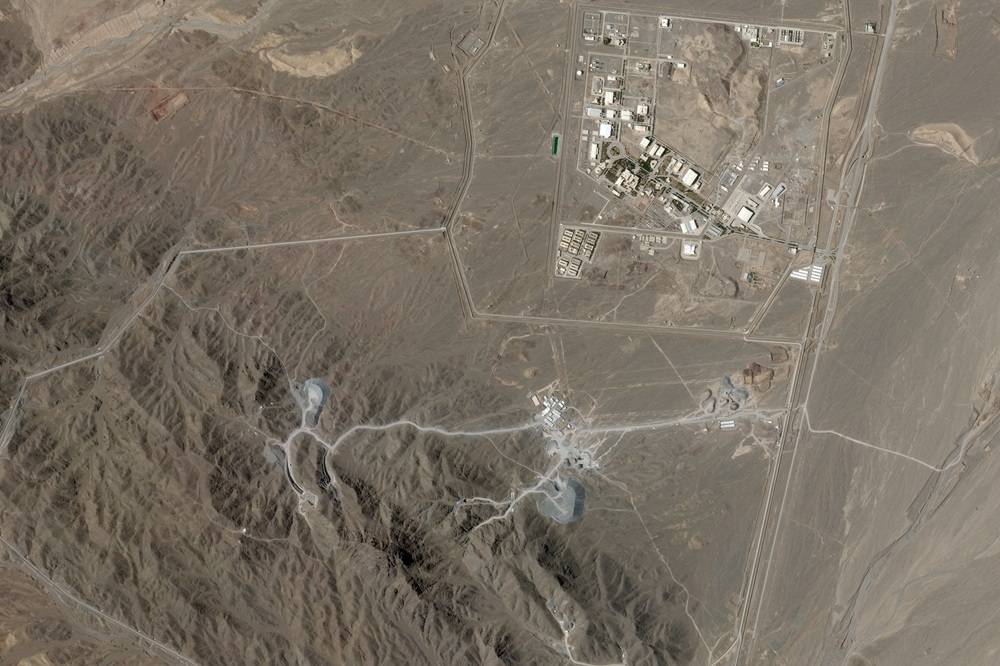
This move came in response to US airstrikes on Iran’s underground Fordow uranium enrichment site, as well as facilities in Isfahan and Natanz, during a 12-day war initiated by Israel on June 13.

Despite the growing tensions, some Iranian figures are urging a return to diplomacy. Mohammad Sadr, a veteran diplomat and member of the Expediency Council, stressed the need for “serious and urgent” negotiations with the European trio.

“Given the limited time before snapback is activated, Iran must work to create conditions that prevent Europe from taking that route,” Sadr said in a media interview.

The UK, France, and Germany are all original signatories of the 2015 nuclear deal, from which US President Donald Trump withdrew in 2018, arguing it was too lenient on Tehran.

Under the agreement, sanctions were lifted in exchange for strict limits on Iran’s nuclear program. The snapback clause allows for the automatic reimposition of sanctions if Iran is found to be non-compliant.

French Foreign Minister Jean-Noël Barrot stated on Tuesday that the trio is now in a position to justify triggering the snapback. Meanwhile, the ambassadors of the three nations met at the German UN mission this week to discuss the situation. Though no specific conditions were disclosed, the discussions signaled growing impatience with Tehran.

According to Yedioth Ahronoth, Israeli Foreign Minister Gideon Sa’ar urged his German and French counterparts to activate the snapback during a meeting on the sidelines of the EU ministerial council in Brussels on Tuesday.

The newspaper reported that Israeli Prime Minister Benjamin Netanyahu has also discussed the issue with multiple world leaders. A senior Israeli official said: “There are no longer valid excuses to delay reimposing sanctions.”

He added that Iran’s previous threats to enrich uranium to 90% are now considered irrelevant. “Even the US now supports the snapback, and the Europeans are inclined to follow suit.”
US, Ukraine to Discuss Ceasefire in Berlin Ahead of European Summit

Anti-drone nets hang taut along a road near the city of Izyum of Kharkiv region, northeastern Ukraine, 12 December 2025. (EPA)
TT

US, Ukraine to Discuss Ceasefire in Berlin Ahead of European Summit

Anti-drone nets hang taut along a road near the city of Izyum of Kharkiv region, northeastern Ukraine, 12 December 2025. (EPA)

Germany will host US and Ukrainian delegations over the weekend for talks on a ceasefire in Ukraine, ahead of a summit with European leaders and President Volodymyr Zelenskiy in Berlin on Monday, a German official said on Saturday.

A US official said overnight that President Donald Trump's envoy Steve Witkoff and son-in-law Jared Kushner were travelling to Germany for talks involving Ukrainians and Europeans.

The choice to send Witkoff, who has led negotiations with Ukraine and Russia regarding a US peace proposal, appeared to be a signal that Washington saw a chance of progress. The White House had said on Thursday Trump would send an official to talks only if he felt there was enough progress to be made.

"Talks on a possible ceasefire in Ukraine are taking place in Berlin this weekend between foreign policy advisors from, among others, the US and Ukraine," said a German government source when asked about the meetings.

On Monday, Merz is hosting Zelenskiy and European leaders for a summit in Berlin, the latest in a series of public shows of support for the Ukrainian leader from allies across Europe as Kyiv faces pressure from Washington to sign up to a peace plan that initially backed Moscow's main demands.

Britain, France and Germany have been working in the last few weeks to refine the US proposals, which, in a draft disclosed last month, called for Kyiv to cede more territory, abandon its ambition to join NATO and accept limits on its armed forces.


Germany to Send Soldiers to Fortify Poland Border

A border guard officer stands guard at the Polish-Belarusian border, in Polowce, Poland. (AP file photo)
TT

Germany to Send Soldiers to Fortify Poland Border

A border guard officer stands guard at the Polish-Belarusian border, in Polowce, Poland. (AP file photo)

Germany has said it will send a group of soldiers to Poland to help with a project to fortify the country's eastern border as worries mount about the threat from Russia.

Poland, a strong supporter of Ukraine in its fight against Moscow, announced plans in May last year to bolster a long stretch of its border that includes Belarus and the Russian exclave of Kaliningrad.

The main task of the German soldiers in Poland will be "engineering activities," a spokesman for the defense ministry in Berlin said late Friday.

This could include "constructing fortifications, digging trenches, laying barbed wire, or erecting tank barriers," he said.

"The support provided by German soldiers as part of (the operation) is limited to these engineering activities."

The spokesman did not specify the exact number of troops involved, saying only it would be a "mid-range two-digit number".

They are expected to participate in the project from the second quarter of 2026 until the end of 2027.

The spokesman stressed that parliamentary approval was not needed for the deployment as "there is no immediate danger to the soldiers from military conflicts".

Except for certain exceptional cases, the German parliament has to approve the deployment of the country's armed forces overseas.

Since Russia's full-scale invasion of Ukraine in 2022, Warsaw has staunchly backed Kyiv and been a transit route for arms being supplied by Ukraine's Western allies.

Warsaw has also modernized its army and hiked defense spending.

Germany is Ukraine's second-biggest supplier of military aid after the United States and has sent Kyiv a huge quantity of equipment ranging from air defence systems to armored vehicles.


Erdogan Warns Black Sea Should Not Be 'Area of Confrontation' after Strikes

Turkish President Recep Erdogan addresses the media after the conclusion on the G20 Summit held at the Nasrec Expo Center in Johannesburg, South Africa, 23 November 2025. EPA/HALDEN KROG
TT

Erdogan Warns Black Sea Should Not Be 'Area of Confrontation' after Strikes

Turkish President Recep Erdogan addresses the media after the conclusion on the G20 Summit held at the Nasrec Expo Center in Johannesburg, South Africa, 23 November 2025. EPA/HALDEN KROG

Turkish President Recep Tayyip Erdogan on Saturday warned that the Black Sea should not turn into an "area of confrontation" between Russia and Ukraine, after several strikes in recent weeks. 

"The Black Sea should not be seen as an area of confrontation. This would not benefit Russia or Ukraine. Everyone needs safe navigation in the Black Sea," he was quoted as telling reporters aboard his plane, according to the official Anadolu news agency. 

A Russian air strike damaged a Turkish-owned vessel in a port in Ukraine's Black Sea region of Odesa, Kyiv and the operator said on Friday. 

The attack came hours after Erdogan had raised the issue personally with his Russian counterpart Vladimir Putin on the sidelines of a summit in Turkmenistan, said AFP. 

Erdogan had called for a "limited ceasefire" concerning attacks on ports and energy facilities in the Russia-Ukraine war, during the face-to-face talks with Putin, according to his office. 

On the plane, Erdogan said he mainly discussed the war and peace efforts with Putin, Anadolu reported. 

"Like all other actors, Mr Putin knows very well where Türkiye stands on this issue," he said. 

"After this meeting we held with Putin, we hope to have the opportunity to also discuss the peace plan with US President (Donald) Trump," he added. 

"Peace is not far away, we can see it." 

Türkiye, which has sought to maintain relations with Moscow and Kyiv throughout the war, controls the Bosphorus Strait, a key passage for transporting Ukrainian grain and Russian oil towards the Mediterranean. 

Over the past weeks, several attacks also targeted Russia-linked tankers in the Black Sea, some of which were drone attacks claimed by Kyiv. 

The attacks sparked harsh criticism from Ankara, which summoned envoys from both Russia and Ukraine.