IMF Raises Saudi Arabia’s Growth Forecast to 3.6% for 2025https://english.aawsat.com/business/5169966-imf-raises-saudi-arabia%E2%80%99s-growth-forecast-36-2025
IMF Raises Saudi Arabia’s Growth Forecast to 3.6% for 2025
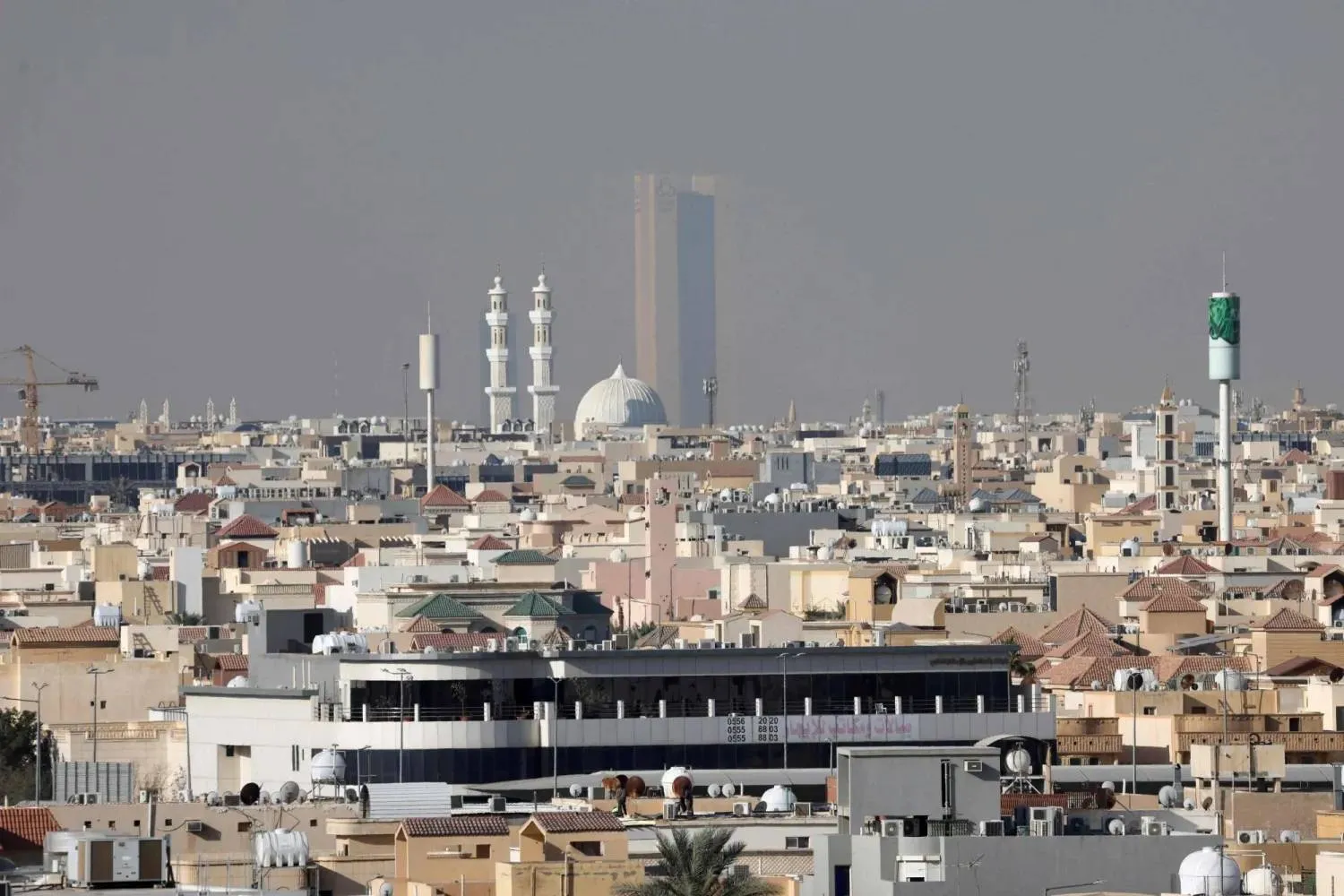
A view of the Saudi capital, Riyadh. (AFP)
The International Monetary Fund (IMF) has revised upward its forecast for Saudi Arabia’s economic growth in 2025 and 2026, citing expected increases in oil revenues and accelerating growth in non-oil sectors. The update places the Kingdom among the world’s fastest-growing economies, just behind India and China.
In its latest World Economic Outlook update, released Tuesday, the IMF now projects Saudi GDP growth at 3.6% in 2025 - up 0.6 percentage points from its April forecast. The Fund also lifted its 2026 projection to 3.9%, compared to its earlier estimate of 3.7%.
Among the 30 countries reviewed in the IMF report, only China saw a larger upward revision. The Kingdom’s revised forecast for 2025 also surpasses the Middle East and North Africa (MENA) regional average of 3.4%.
The upgrade reflects several key developments: the anticipated increase in oil exports following OPEC+’s decision to phase out voluntary supply cuts, stronger-than-expected oil prices, and sustained momentum in Saudi Arabia’s non-oil economy. An IMF official noted that strong domestic demand, fueled in part by major government-led projects, has further reinforced growth prospects.
The revised figures align closely with those from an IMF mission to Saudi Arabia in June, which estimated 2025 growth at 3.5%. That mission concluded that the Kingdom’s economy had demonstrated remarkable resilience in the face of global headwinds. Non-oil sectors continue to expand steadily, inflation remains contained, and unemployment has fallen to record lows.
The IMF stressed the importance of ongoing structural reforms to support long-term, non-oil growth and economic diversification, which is seen as an essential priority amid global uncertainty.
It praised Saudi Arabia’s broad-based reforms in corporate regulation, governance, labor markets, and financial systems. New legislation covering investment frameworks and labor policies is expected to boost investor confidence and productivity.
This positive outlook comes as the Kingdom continues to implement fiscally disciplined policies. Ratings agency Fitch recently affirmed Saudi Arabia’s sovereign credit rating at “A+” with a stable outlook, underscoring the country’s strong external balance sheet, low public debt, and robust ability to sustain growth without compromising financial stability.
Global Oil Price Gains 3% after US Military Strikes on Iranhttps://english.aawsat.com/business/5277307-global-oil-price-gains-3-after-us-military-strikes-iran
Global Oil Price Gains 3% after US Military Strikes on Iran
A giant crude oil tanker carrying two million barrels of Saudi oil arrives at a refinery off Chita, Japan, May 25, 2026 (Reuters)
Brent crude oil rose 3% on Tuesday after the US military carried out strikes in Iran, adding to uncertainty on whether a deal will be imminently reached to end the war and open up shipping flows through the Strait of Hormuz.
US Secretary of State Marco Rubio said on Tuesday that negotiating a deal with Iran could "take a few days," quashing hopes for an imminent end to the conflict a day after US forces conducted what Washington called defensive strikes in southern Iran.
"We are still waiting for more details on a potential deal," said Giovanni Staunovo at UBS. "Meanwhile we see renewed tensions in the Middle East, while flows through the Strait remain restricted."
Global benchmark Brent was up $3.04, or 3.2%, to $99.18 a barrel as of 0820 GMT, after settling 7% lower in the previous session. US West Texas Intermediate was down $4.07, or 4.2%, from Friday's close, at $92.53, Reuters reported.
There was no WTI settlement on Monday due to the US Memorial Day holiday.
"While differences between the parties have narrowed, any eventual peace deal would likely lead only to a gradual reopening, meaning the current tight supply outlook could take months to normalize," said Ole Hansen at Saxo Bank.
Tehran has effectively halted nearly all non-Iranian shipping into and out of the Gulf via the Strait of Hormuz since the war began, choking off about a fifth of global oil and liquefied natural gas flows.
The strikes happened as Iran's top negotiator and its foreign minister were in Doha for talks with Qatar's prime minister on a potential deal with the US to end the three-month-old war.
Both Washington and Tehran said they have made progress on a memorandum of understanding that would halt the war and give negotiators 60 days to reach a final deal.
Nikkei reported, citing a Middle East diplomatic source, that Iran would clear mines from the strait within a 30-day window under the agreement, after which vessels from all countries could navigate freely and safely, with Tehran also ending transit-fee collection.
Ship-tracking data showed that three LNG tankers passed through the Strait in recent days, heading to Pakistan, China and India, along with a supertanker carrying Iraqi crude to China that had been stranded for nearly three months.
US President Donald Trump on Monday repeated his demand that Iran hand over its enriched uranium so it could be destroyed.
"It's a sharp reminder that the deal could still collapse at the 11th hour, much like the five previous attempts before it," said Tony Sycamore, a market analyst at IG.
General Coordinator for Negotiations: GCC-UK Agreement is a Strategic Step in a Turbulent Worldhttps://english.aawsat.com/business/5277262-general-coordinator-negotiations-gcc-uk-agreement-strategic-step-turbulent-world
General Coordinator for Negotiations: GCC-UK Agreement is a Strategic Step in a Turbulent World
Albudaiwi and Bryant embrace after signing the agreement in London amid applause from negotiators (UK Department for Business and Trade)
Gulf Cooperation Council countries and the United Kingdom have entered a new era of comprehensive strategic cooperation, following the official announcement in London of the conclusion of free trade agreement negotiations between the two sides.
This represents a structural shift that enhances investment flows and opens wide horizons for business communities in the seven markets, in the first agreement of its kind concluded by the GCC with a G7 nation.
The General Coordinator for Negotiations and Head of the GCC Negotiating Team, Dr. Raja Al Marzouqi, described the agreement as an inevitable strategic step to redirect joint trade and investment flows, especially at a time when the global economy is grappling with high levels of uncertainty and protectionist fluctuations.
Al Marzouqi told Asharq Al-Awsat that the current volume of trade between GCC countries and Britain stands at the equivalent of $80 billion, indicating that the agreement is expected to increase trade exchange by more than 60 percent, based on experiences from similar free trade agreements worldwide.
Mitigating Negative Impacts
He added that the agreement's signing comes at a sensitive time for the global economy, amid rising risks associated with US decisions regarding increased tariffs and the cancellation of some previous trade agreements, which amplifies the need for a stable and clear legal environment governing international economic relations.
Al Marzouqi explained that the agreement contributes to mitigating the negative effects of these changes by reducing risks and providing a clear future vision, given its detailed and mutual legal commitments between the two parties within a comprehensive free trade framework.
He also pointed out its comprehensive nature, which is not limited to traditional goods but extends to establish integrated frameworks for investment, services, and modern financial services sectors.
Gateway for Technology and Knowledge Transfer and Investment Attraction
The GCC official indicated that free trade agreements are among the most prominent tools for attracting foreign investment and technology transfer, noting that the experiences of several countries have shown an increase in foreign investment flows by more than 30 percent after signing similar agreements.
He affirmed that the importance of the GCC-British agreement is enhanced by Britain's position as a major exporter of technology and foreign investments, which provides GCC economies with additional opportunities to expand the base of quality investments and transfer advanced knowledge and technologies.
The General Coordinator for Negotiations emphasized that this step, in conjunction with other trade agreements concluded by GCC countries with major Eastern economies, primarily China, maximizes the benefit from the region's strategic location as a link between East and West, and supports the adoption of balanced economic relations with various international partners.
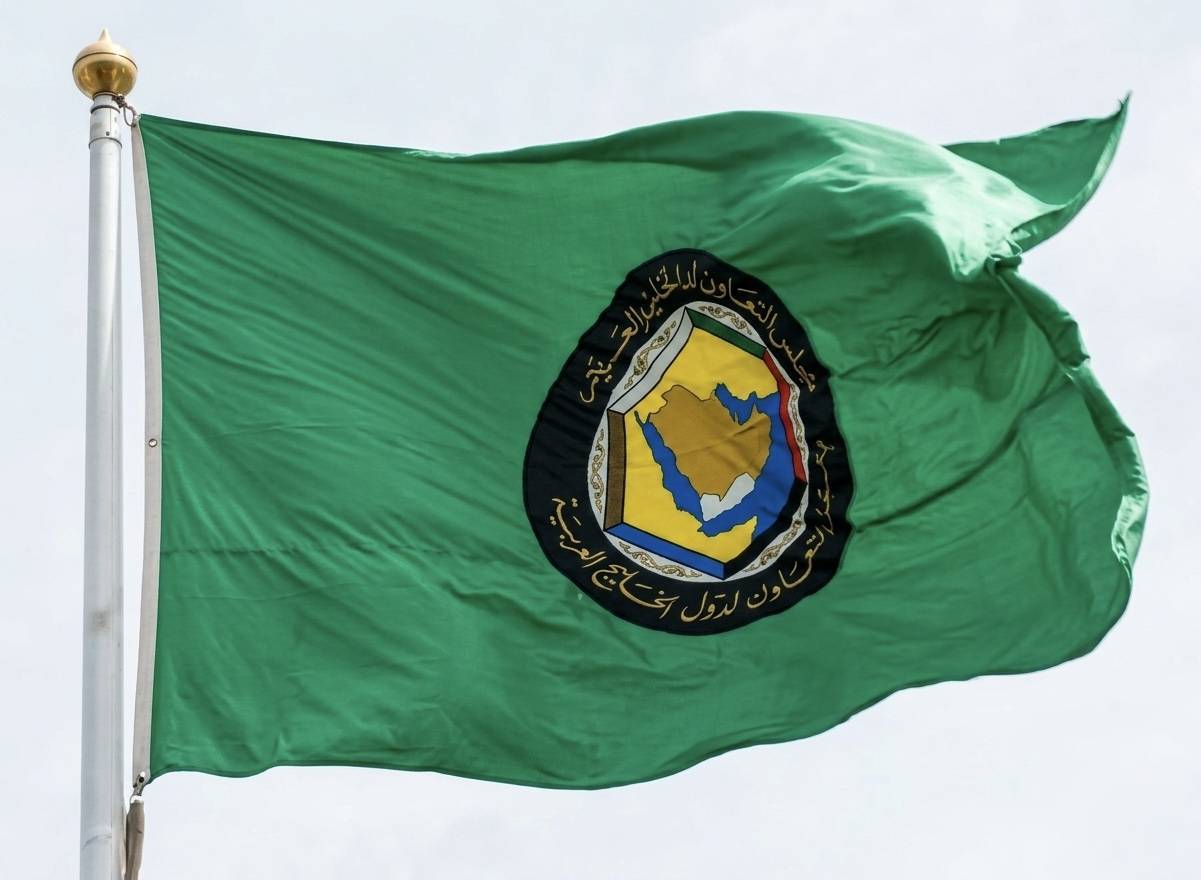
GCC countries consider the free trade agreement with Britain a strategic step to redirect trade and investment flows (GCC)
A New Phase
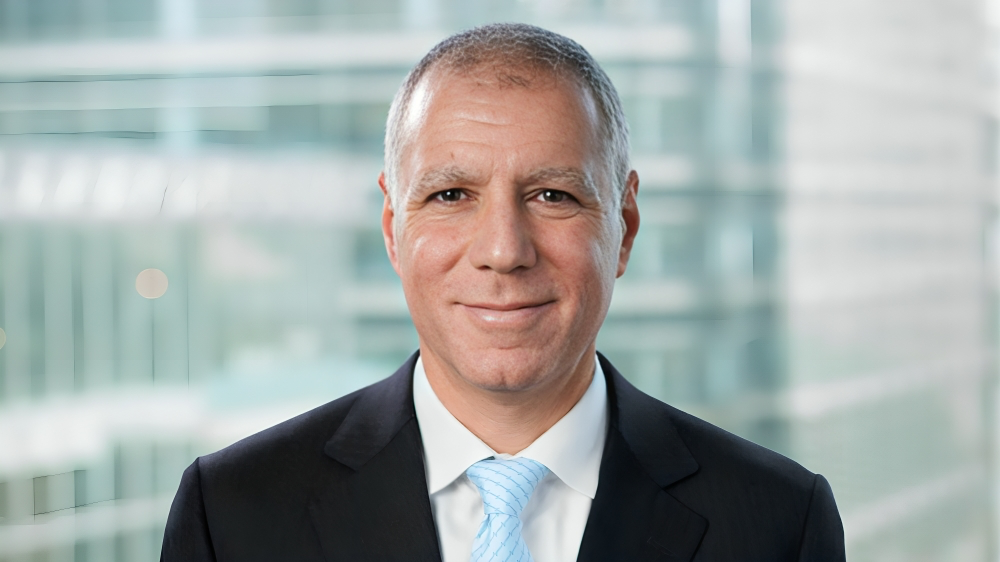
For his part, HSBC Group CEO Georges Elhedery affirmed that the GCC countries represent a region of increasing strategic importance, given the long-term growth opportunities they offer.
He noted that the banking group has a historical and deep presence in the six GCC states, in addition to the United Kingdom, which is one of the bank's key markets.
Elhedery told Asharq Al-Awsat that the bank's presence in the region allows it to directly identify the opportunities that will arise from the new agreement, affirming the bank's readiness to contribute to deepening economic ties and supporting companies and institutions in building new partnerships, fostering investment, and achieving further growth.
HSBC Group CEO Georges Elhedery
Signing the Joint Statement
GCC Secretary-General Jasem Albudaiwi, along with Britain’s Minister of State for Trade Chris Bryant, signed a joint statement in London last Wednesday to conclude negotiations on the free trade agreement between the two sides, following years of negotiations.
Albudaiwi described the agreement as a "qualitative leap" in GCC-British relations, affirming that it will contribute to strengthening economic pathways between the two regions for generations to come.
He added that the agreement was not a coincidence but the result of "years of work and shared political will" between the six GCC countries and the UK
London's Commitment
The British Foreign Office had stated earlier that the free trade agreement with GCC countries reflects London's commitment to a long-term partnership with Saudi Arabia, the UAE, Kuwait, Qatar, Bahrain, and Oman, noting that it is the first free trade agreement concluded by the Council with a G7 nation.
According to British data, the current trade volume between Britain and GCC countries is approximately £52.9 billion ($72 billion), with expectations of a trade increase of about 20 percent, equivalent to £15.5 billion ($21 billion) annually.
The agreement will also contribute to facilitating GCC exports to the British market, supporting services and professional sectors, and simplifying visa procedures and business visits.
Britain's Trade Minister Peter Kyle stated that the agreement represents a significant step in the partnership between the UK and GCC countries, and will open new opportunities for trade, investment, and innovation.
Meanwhile, the UK Trade Commissioner for the Middle East and Pakistan, Sarah Mooney, affirmed that the agreement will reduce tariffs and boost exports for both sides, giving investors greater confidence to make long-term decisions.
Putin: Russia Remains Integral Part of Global Economic Systemhttps://english.aawsat.com/business/5277255-putin-russia-remains-integral-part-global-economic-system
Putin: Russia Remains Integral Part of Global Economic System
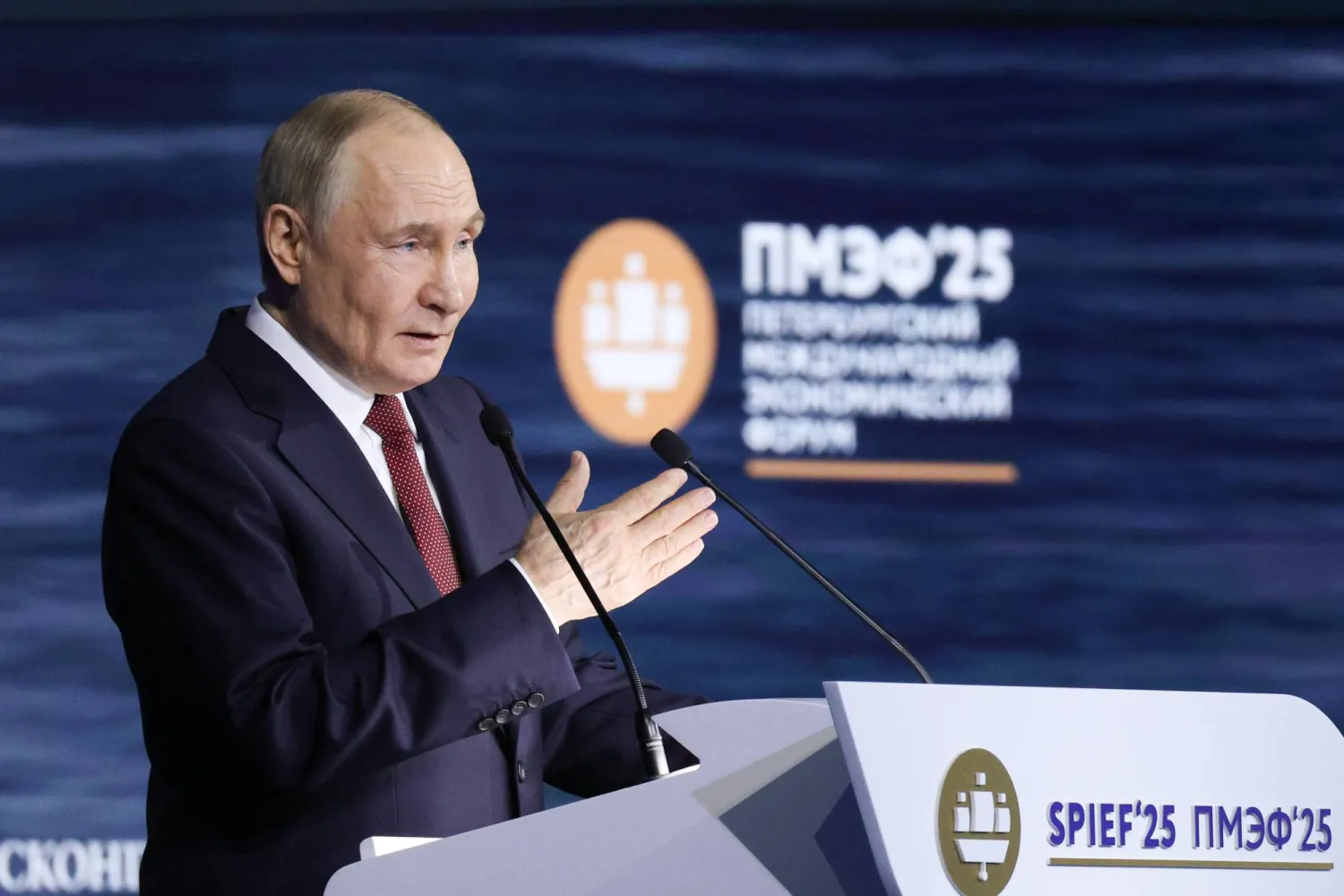
Russian President Vladimir Putin speaks at last year’s St Petersburg International Economic Forum (SPIEF)
Russian President Vladimir Putin on Monday conveyed a strong message to international investors, saying Russia has been and remains an integral part of the global economic system.
Putin’s comments came as his country prepares to host the 29th St Petersburg International Economic Forum (SPIEF), scheduled to convene from June 3 to 6.
The forum will bring together the chief executives of major Russian and international companies, heads of state, political leaders, and prime ministers with Saudi Arabia serving as the guest country for this year’s edition.
“I am confident that your traditionally substantive and results-oriented discussions will help develop new and effective solutions in all areas of economic and social life, including energy, digitalization, food security and human capital development, as well as the strengthening of financial and trade sovereignty,” Putin said in a message to participants, organizers, and guests of SPIEF.
He noted that those efforts “will serve the interests of our states and peoples and contribute to international cooperation, security and stability,” according to Russia’s RT channel.
For his part, Anton Kobyakov, adviser to Putin and Executive Secretary of the SPIEF Organizing Committee, said amid today’s global economic fragmentation, managing sovereign self-development and boosting domestic supply chains are critical national priorities.
He said the forum serves as a premier venue to forge solutions for sustainable development, international cooperation, and restructuring global financial and macroeconomic system.
High-Ranking Saudi Attendance
Saudi Arabia will be the guest country of SPIEF 2026. The Kingdom’s attendance reflects the depth of strategic and economic relations between Riyadh and Moscow and opens new horizons for joint cooperation.
Three Saudi ministers will participate in the forum, according to a document from the Federation of Saudi Chambers of Commerce.
“Among the high-ranking members of the Saudi delegation are Energy Minister Prince Abdulaziz bin Salman Al Saud, Industry Minister Bandar Al-Khorayef, and Investment Minister Fahad Al-Saif,” the document said.
It added that Sultan al-Musallam, Secretary General of the Federation of Saudi Chambers, and Tariq al-Qahtani, head of the Russian-Saudi Business Council, are attending to represent the Kingdom's private sector.
According to the delegation's schedule, the opening day will witness a Saudi-Russian Joint Business Council. The next day, a high-level meeting will be held between the Saudi Energy Minister and Russian Deputy Prime Minister Alexander Novak.
The volume of trade between Saudi Arabia and Russia reached $3.3 billion in 2025 (Russian exports accounted for 98%).
The volume of Russian investments in the Kingdom more than tripled from 2020 to 2024, reaching 332 million riyals per year (about $92 million).
US Surprise
In a notable shift reflecting a renewed cautious American business interest in Russian markets, a US administration-linked official will attend Russia’s St. Petersburg International Economic Forum for the first time since Washington severed ties with Moscow due to the war in Ukraine.
Rodney Mims Cook, head of the US federal Commission of Fine Arts, said he has been invited to attend the plenary session and Russian Putin’s address at the forum.
“The organizing committee of the forum and the US State Department confirmed that I am invited, and I will be present,” Cook said.
Cook, who was appointed head of the Commission of Fine Arts in January, is also the founder of the US National Monument Foundation and a specialist affiliated with the World Monuments Fund.
Robert Agee, president of the American Chamber of Commerce in Russia, said more US companies are expected to attend this year compared to recent editions, but numbers remain significantly lower than before Russia’s full-scale invasion of Ukraine.
“We will have a commercial dialogue between Russia and America,” Agee said, adding that US businesses are still approaching Russia “with caution” to avoid legal and political risks linked to the sanctions.
He also noted efforts to “rebuild cultural ties” between the two countries through business and dialogue.
لم تشترك بعد
انشئ حساباً خاصاً بك لتحصل على أخبار مخصصة لك ولتتمتع بخاصية حفظ المقالات وتتلقى نشراتنا البريدية المتنوعة