


Hermes Sales Jump 9% in Q2, with US Prices Rising More Than Elsewhere 

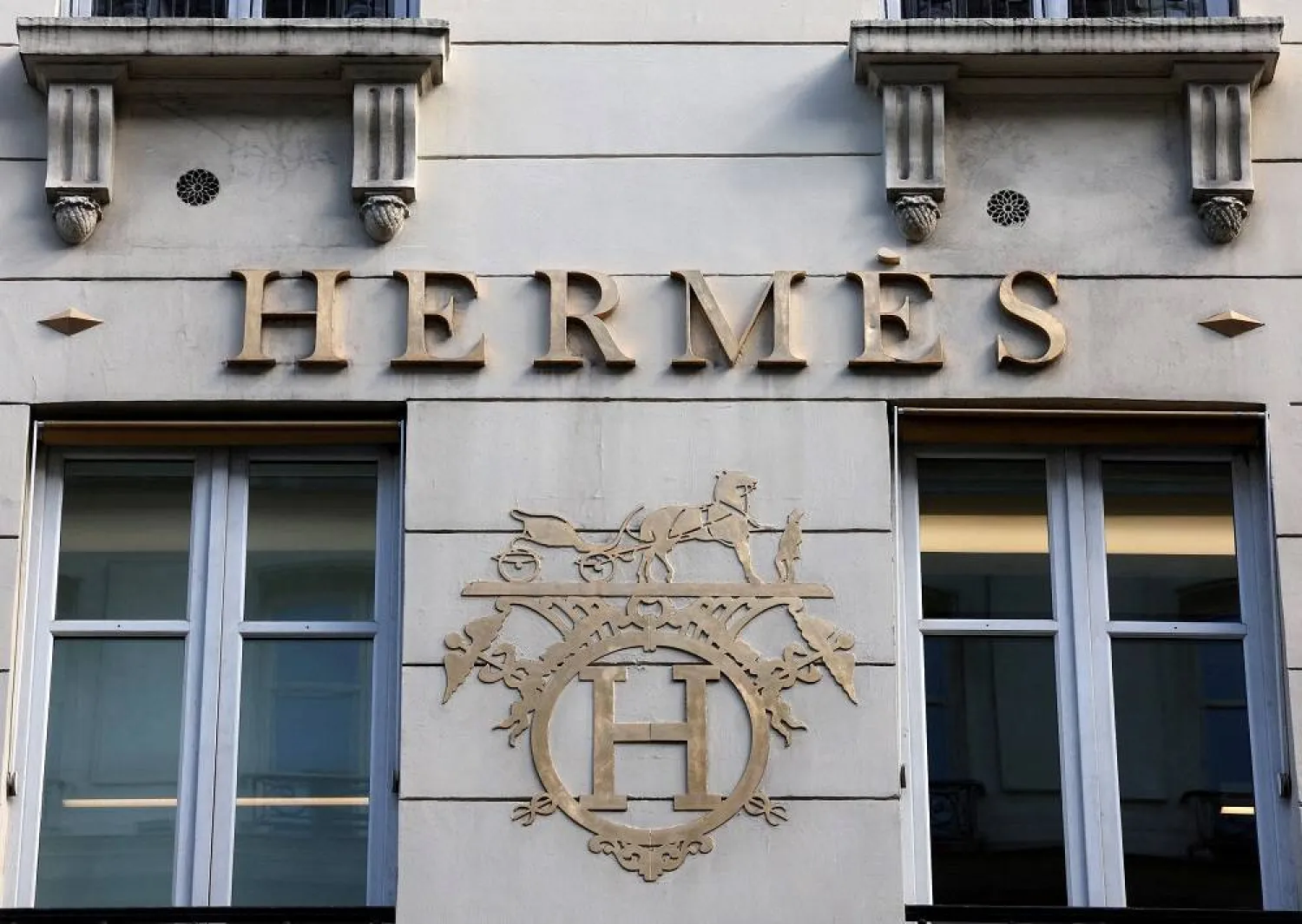
A logo of fashion house Hermes is seen outside a shop in Paris, France, April 15, 2024. (Reuters) 
TT

Hermes Sales Jump 9% in Q2, with US Prices Rising More Than Elsewhere 

A logo of fashion house Hermes is seen outside a shop in Paris, France, April 15, 2024. (Reuters) 

Hermes on Wednesday reported a 9% rise in quarterly sales due to the continued appetite from rich shoppers for its coveted, $10,000 handbags, helping the French house defy the global luxury downturn.

Executive Chairman Axel Dumas said so far no further price hikes were planned this year after a general 7% rise globally and an additional 5% in the US, where the company flagged it would fully pass on the effects of tariffs to its clients.

Speaking to journalists on a call, Dumas said these price rises would probably suffice to offset the 15% tariff rate agreed between the Trump administration and the EU.

Sales for the second quarter to the end of June reached 3.9 billion euros ($4.50 billion), up 9% at constant currency rates, Hermes said, broadly in line with analysts' expectations for a 10% rise.

The appeal of the brand's famous Birkin, Constance and Kelly bags so far has shielded the group from headwinds in the luxury sector, while growth at Hermes's smaller fashion and silk divisions slowed and perfume and beauty sales contracted.

"This is a sign the market is staying difficult", Bernstein analyst Luca Solca said.

Hermes shares fell 2.5% in early Paris trade.

Hermes, which this year overtook LVMH as France's most valuable listed company by market capitalization, maintains tight control over production, raising it at a steady pace of around 6% to 7% per year, frustrating some shoppers who have to wait months for a handbag.

That strategy has helped the company buck an industry slowdown as big fashion labels like Chanel, Kering's Gucci and LVMH-owned Louis Vuitton and Dior grapple with declining sales.

A prolonged slump in China has pushed the focus of European luxury labels to the United States this year, although demand there has been rocky due to a volatile stock market and fragile consumer confidence.

"I don't see any fundamental changes in the sales climate in China at the moment," Dumas said, adding that he still saw China's long-term potential as intact with no structural changes in consumer sentiment.

Consultancy Bain forecasts worldwide luxury goods sales will fall by between 2% and 5% in 2025 after a 1% decline last year.

Shares in Hermes have risen 2% since the start of the year, outpacing the sector along with Cartier-owner Richemont, which has benefited from a surge in sales of high-end jewelry but is trading flat.



Dolce & Gabbana Appoints Ex-Gucci Boss Stefano Cantino as Co-CEO

17 January 2026, Italy, Milan: Stefano Gabbana (L) and Domenico Dolce wave and smile at Milan Fashion Week. Photo: Cinzia Camela/Alamy/Pa/PA Wire/dpa
TT

Dolce & Gabbana Appoints Ex-Gucci Boss Stefano Cantino as Co-CEO

17 January 2026, Italy, Milan: Stefano Gabbana (L) and Domenico Dolce wave and smile at Milan Fashion Week. Photo: Cinzia Camela/Alamy/Pa/PA Wire/dpa

Italian fashion house Dolce & Gabbana on Monday named former Gucci CEO Stefano Cantino as its Co-CEO, working alongside Chair and Chief Executive Officer Alfonso Dolce.

Dolce took on the additional role of ⁠chair this year following ⁠the resignation from the position of company co-founder Stefano Gabbana, who retained his creative role.

Cantino's appointment "follows Dolce & Gabbana's ⁠growth path, oriented towards the evolution of its organizational model from a Fashion Brand to a Lifestyle Company," Reuters quoted a statement as saying.

"I am delighted to have Stefano Cantino by my side in this new phase of ⁠growth ⁠and development of Dolce & Gabbana," Dolce said.

Alfonso Dolce is the brother of Domenico Dolce, who co-founded the fashion house with Gabbana in 1985. The pair are still in charge of creative direction.


Stefano Gabbana Resigns as Dolce & Gabbana Chair

Fashion designer Stefano Gabbana leaves Gritti Palace in Venice, Italy, June 27, 2025. REUTERS/Yara Nardi
TT

Stefano Gabbana Resigns as Dolce & Gabbana Chair

Fashion designer Stefano Gabbana leaves Gritti Palace in Venice, Italy, June 27, 2025. REUTERS/Yara Nardi

Stefano Gabbana, co-founder of Italian luxury fashion house Dolce & Gabbana, stepped down as chair in January, according to a company filing with the local chamber of commerce seen by Reuters on Friday.

The news was first reported by Bloomberg, which said the designer was also considering options for his roughly 40% stake in the ⁠company ahead of ⁠negotiations with its bank lenders.

Dolce & Gabbana’s lenders are seeking an injection of up to 150 million euros in fresh funds as part of a broader refinancing of 450 million euros ($525.7 ⁠million) of debt, Bloomberg reported, citing sources. It added that the company was considering the disposal of real estate and the renewal of licenses to raise money.

Dolce & Gabbana was not immediately available for comment.

Domenico Dolce and Stefano Gabbana founded the company in 1985 and they are still in charge of creative direction.

According ⁠to ⁠the filing, Gabbana, 63, informed the company in December that he intended to step down as chair effective January 1. Chief Executive Alfonso Dolce, the brother of co-founder Domenico Dolce, was appointed as the new chair.

In the past the company did not rule out the possibility of a minority investor or stock market listing.


Fashion Fund Unveils New Identity as Saudi Arabia's First Fashion Investment Fund

The Fashion Fund unveiled its new identity under the name “ZYA Fund. (SPA)
TT

Fashion Fund Unveils New Identity as Saudi Arabia's First Fashion Investment Fund

The Fashion Fund unveiled its new identity under the name “ZYA Fund. (SPA)

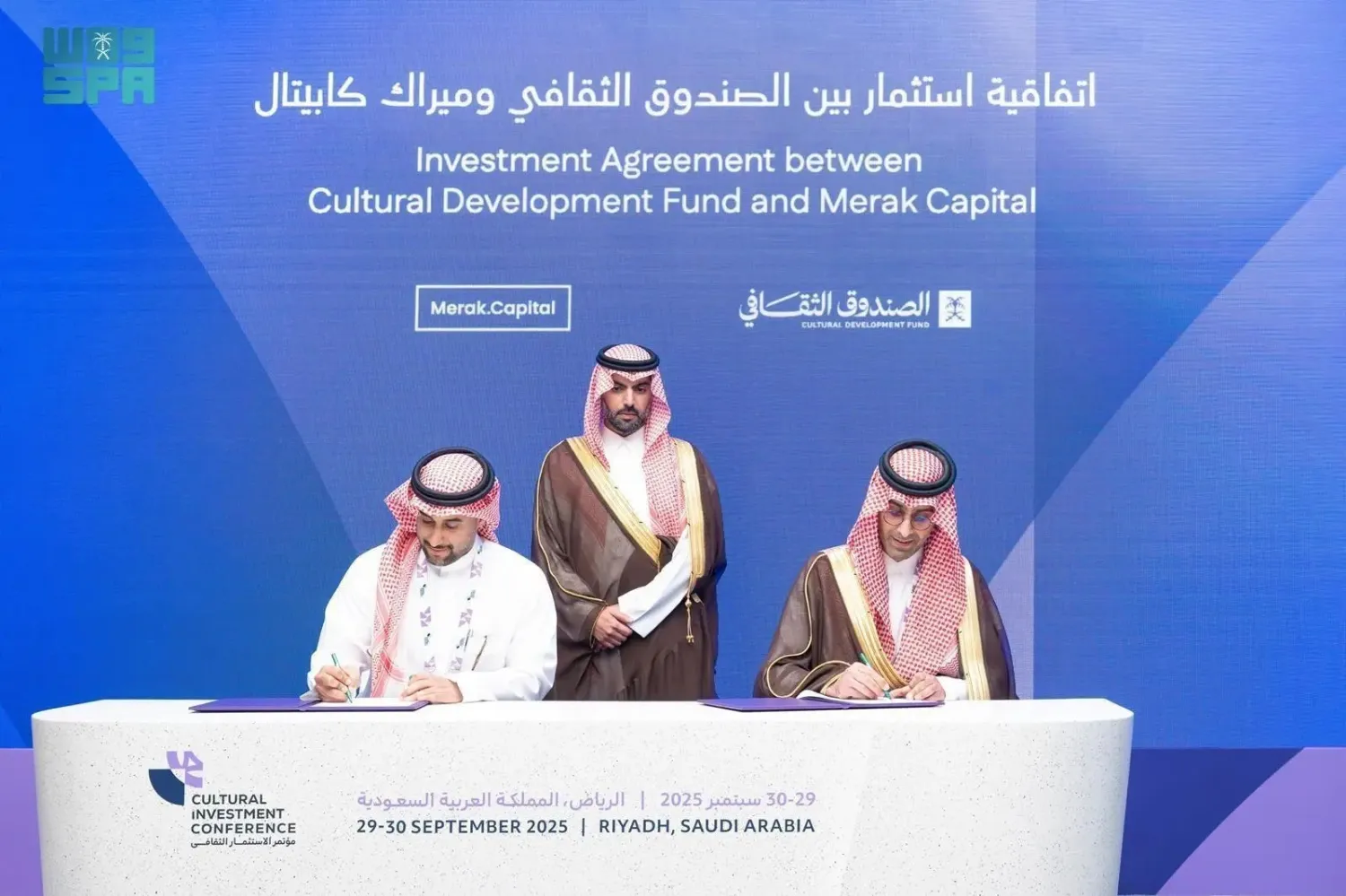
The Fashion Fund unveiled its new identity under the name “ZYA Fund,” marking Saudi Arabia's first private equity fund dedicated to the fashion sector. The fund was established through a partnership between the Cultural Development Fund (CDF) and Merak Capital.

The Fund's Board of Directors held its inaugural meeting, bringing together local and international leaders and experts from culture, fashion, investment, and the creative industries, the Saudi Press Agency said on Thursday.

The board is chaired by Vice Minister of Culture and Vice Chairman of the Fashion Commission Hamed Fayez, with CEO of the Cultural Development Fund Majed Alhugail serving as vice chairman.

Board members include Founder and Chief Executive of Merak Capital Abdullah Altamami, CEO of the Fashion Commission Burak Cakmak, and Chairman and Chief Executive of Turmeric Capital Ravi Thakran.

Altamami said the fund aims to channel capital into high-potential opportunities across the fashion value chain, supporting Saudi brands with the capacity to expand regionally and globally.

With a total investment size of SAR300 million, the fund is anchored by CDF, which holds a 40% stake, while Merak Capital acts as the fund manager.

ZYA Fund will invest across the fashion sector value chain, including design and production, supply chains, e-commerce, and beauty, enabling Saudi brands to scale and expand.

The initiative reflects efforts to build an integrated fashion ecosystem and enhance the sector's attractiveness as an investment destination. It also supports the objectives of the National Culture Strategy under Saudi Vision 2030.