



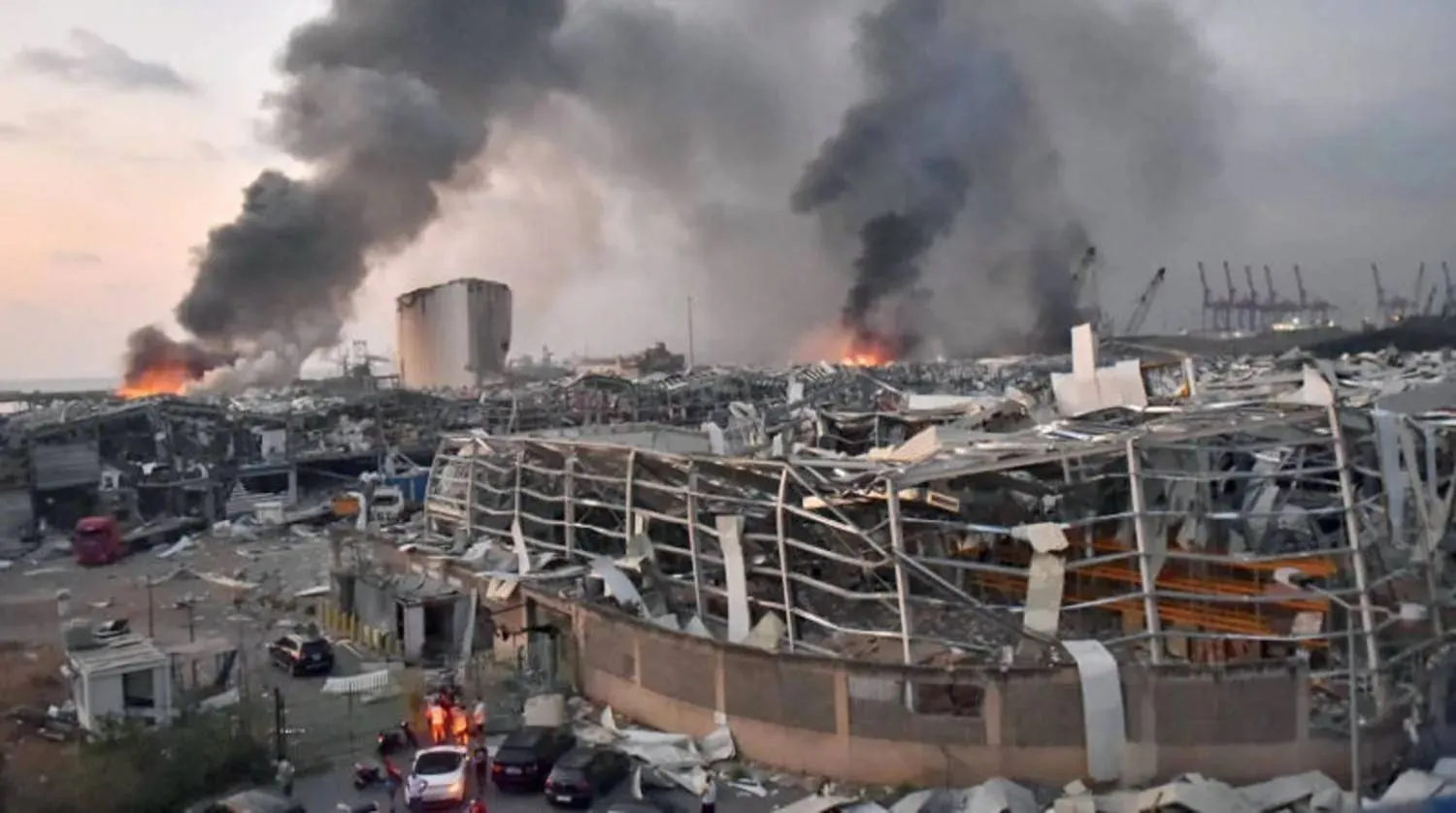

As Lebanon marks the fifth anniversary of the devastating Beirut Port explosion, there is a significant shift in the national mood. Unlike previous commemorations, this year coincides with the nearing conclusion of the judicial investigation, led by Judge Tarek Bitar, after years of legal deadlock and political obstruction.
While families of the victims had hoped the indictment would be issued before August 4 - the day that 232 people were killed, thousands injured, and half the capital destroyed - the progress brings cautious optimism. Despite facing sustained political pressure, threats, and over 40 lawsuits aimed at removing him from the case, Judge Bitar has persevered. For the families, this is a sign that truth and justice may yet prevail.
A judicial source closely following the investigation told Asharq Al-Awsat that Bitar is on the verge of concluding the probe. Over the past four months, he has conducted dozens of sessions, questioning top political leaders, military and security officials, judges, and senior port administrators.
“He’s waiting for responses to legal requests sent last month to six Arab and European countries,” the source said, noting that these requests concern specific matters, though they do not include satellite imagery. Once these replies are received, Bitar will either proceed with drafting the indictment before year’s end or delay until Lebanon’s top courts rule on the many lawsuits filed against him.
The investigation has faced repeated interruptions since Dec. 2022 due to legal challenges filed by politicians and security officials. Former Minister of Public Works Ghazi Zeaiter alone filed multiple complaints, adding to a total of 43.
In response, Bitar issued a legal opinion in January 2023 asserting that he could not be removed from the case and resumed his work. He then issued new charges against several senior officials, including former Public Prosecutor Ghassan Oueidat, who retaliated by accusing Bitar of “usurping judicial authority,” issuing a travel ban against him, and releasing 17 detainees previously held in connection with the case.
These legal challenges remain unresolved, and Bitar is reportedly waiting for formal rulings before finalizing his indictment, to prevent future appeals from derailing the case.
Bitar has questioned numerous high-profile figures, including former Prime Minister Hassan Diab, former Interior Minister Nohad Machnouk, and ex-Army Commander General Jean Kahwaji. Others, such as MPs Ali Hassan Khalil and Youssef Fenianos, failed to appear and are subject to arrest warrants.
Significantly, this renewed momentum comes amid strong political backing from newly elected President Joseph Aoun, who pledged to remove the barriers blocking the probe. One tangible result has been the return of cooperation between the judiciary and the investigating judge, as confirmed by current Public Prosecutor Jamal Hajar.
No action has yet been taken against those recently questioned, but sources expect Bitar to summon them again once the indictment is prepared. Decisions could range from release under supervision to formal detention.
As for the 17 individuals released by Oueidat, their re-arrest is unlikely due to the lengthy time already served in pre-trial detention.
Justice Minister Adel Nassar has vowed to support the investigation, emphasizing that the 2020 blast was both a crime and a national tragedy.
“The state is obligated to provide a judiciary that answers questions and ensures accountability,” Nassar stated during a press conference. While he refrained from discussing the specifics of the investigation, he affirmed his commitment to aiding Judge Bitar, including through diplomatic channels to expedite international responses.
“The Lebanese people - especially the victims’ families - deserve to know the truth and see justice done,” Nassar concluded.


