


Mexican Authorities Accuse Adidas of Cultural Appropriation in Their Sandal Design

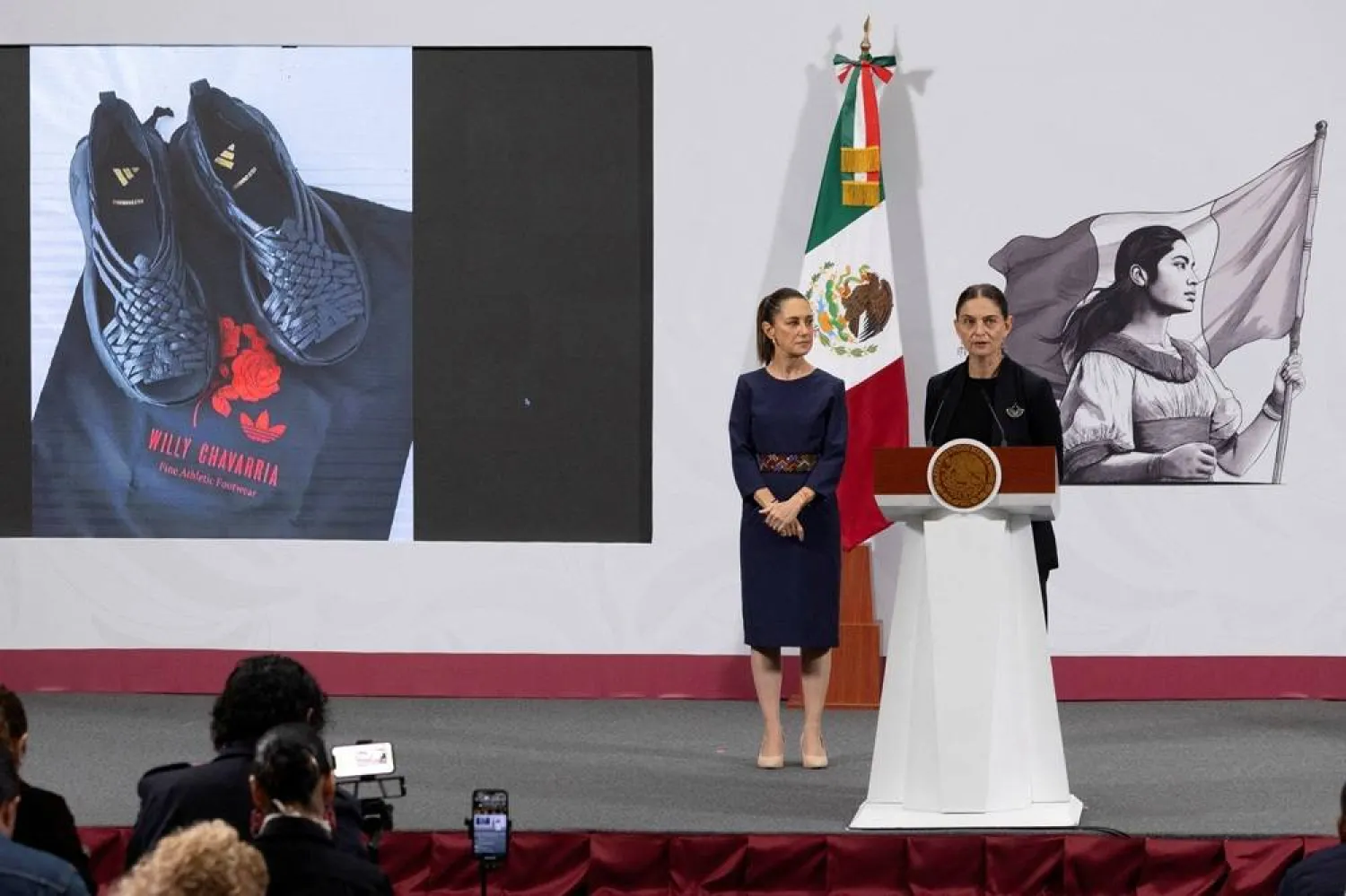
Marina Nunez Bespalova, Mexico’s Undersecretary of Cultural Development, speaks during President Claudia Sheinbaum’s morning press conference at the National Palace to condemn Adidas and US designer Willy Chavarria over the “Oaxaca Slip On” shoe, accused of misappropriating a sandal design rooted in Zapotec Indigenous heritage, in Mexico City, Mexico, August 8, 2025. (Presidencia de Mexico/Handout via Reuters)
TT

Mexican Authorities Accuse Adidas of Cultural Appropriation in Their Sandal Design

Marina Nunez Bespalova, Mexico’s Undersecretary of Cultural Development, speaks during President Claudia Sheinbaum’s morning press conference at the National Palace to condemn Adidas and US designer Willy Chavarria over the “Oaxaca Slip On” shoe, accused of misappropriating a sandal design rooted in Zapotec Indigenous heritage, in Mexico City, Mexico, August 8, 2025. (Presidencia de Mexico/Handout via Reuters)

Mexican authorities are accusing sportswear company Adidas of plagiarizing artisans in southern Mexico, alleging that a new sandal design is strikingly similar to the traditional Indigenous footwear known as huaraches.

The controversy has fueled accusations of cultural appropriation by the footwear brand, with authorities saying this is not the first time traditional Mexican handicrafts have been copied. Citing these concerns, local authorities have asked Adidas to withdraw the shoe model.

Mexican President Claudia Sheinbaum said on Friday that Adidas was already in talks with authorities in the southern Mexican state of Oaxaca to provide "compensation for the people who were plagiarized," and that her government was preparing legal reforms to prevent the copying of Mexican handicrafts.

The design at the center of the controversy is the "Oaxaca Slip-On," a sandal created by US designer Willy Chavarría for Adidas Originals. The sandals feature thin leather straps braided in a style that is unmistakably similar to the traditional Mexican huaraches. Instead of flat leather soles, the Adidas shoes tout a more chunky, sports shoe sole.

According to Mexican authorities, Adidas' design contains elements that are part of the cultural heritage of the Zapotec Indigenous communities in Oaxaca, particularly in the town of Villa Hidalgo de Yalálag. Handicrafts are a crucial economic lifeline in Mexico, providing jobs for around half a million people across the country. The industry accounts for around 10% of the gross domestic product of states like Oaxaca, Jalisco, Michoacán and Guerrero.

For Viridiana Jarquín García, a huaraches creator and vendor in Oaxaca's capital, the Adidas shoes were a "cheap copy" of the kind of work that Mexican artists take time and care to craft.

"The artistry is being lost. We're losing our tradition," she said in front of her small booth of leather shoes.

Authorities in Oaxaca have called for the "Oaxaca Slip-On" to be withdrawn and demanded a public apology from Adidas, with officials describing the design as "cultural appropriation" that may violate Mexican law.

In a public letter to Adidas leadership, Oaxaca state Gov. Salomón Jara Cruz criticized the company’s design, saying that "creative inspiration" is not a valid justification for using cultural expressions that "provide identity to communities."

"Culture isn't sold, it's respected," he added.

Adidas responded in a letter Friday afternoon, saying that the company "deeply values the cultural wealth of Mexico’s Indigenous people and recognizes the relevance" of the criticisms. It requested to sit down with local officials and to discuss how it can "repair the damage" to Indigenous populations.

The controversy follows years of efforts by Mexico's government and artisans to push back on major global clothing brands who they say copy traditional designs.

In 2021, the federal government asked manufacturers including Zara, Anthropologie and Patowl to provide a public explanation for why they copied clothing designs from Oaxaca's Indigenous communities to sell in their stores.

Now, Mexican authorities say they're trying to work out stricter regulations in an effort to protect artists. But Marina Núñez, Mexico's undersecretary of cultural development, noted that they also want to establish guidelines to not deprive artists of "the opportunity to trade or collaborate with several of these companies that have very broad commercial reach."



UNESCO Honors Al-Bisht Al-Hasawi as Thousands Flock to Al-Ahsa Festival

Visitors can explore interactive displays, participate in live workshops, and witness the meticulous process of tailoring this iconic symbol of prestige - SPA
TT

UNESCO Honors Al-Bisht Al-Hasawi as Thousands Flock to Al-Ahsa Festival

Visitors can explore interactive displays, participate in live workshops, and witness the meticulous process of tailoring this iconic symbol of prestige - SPA

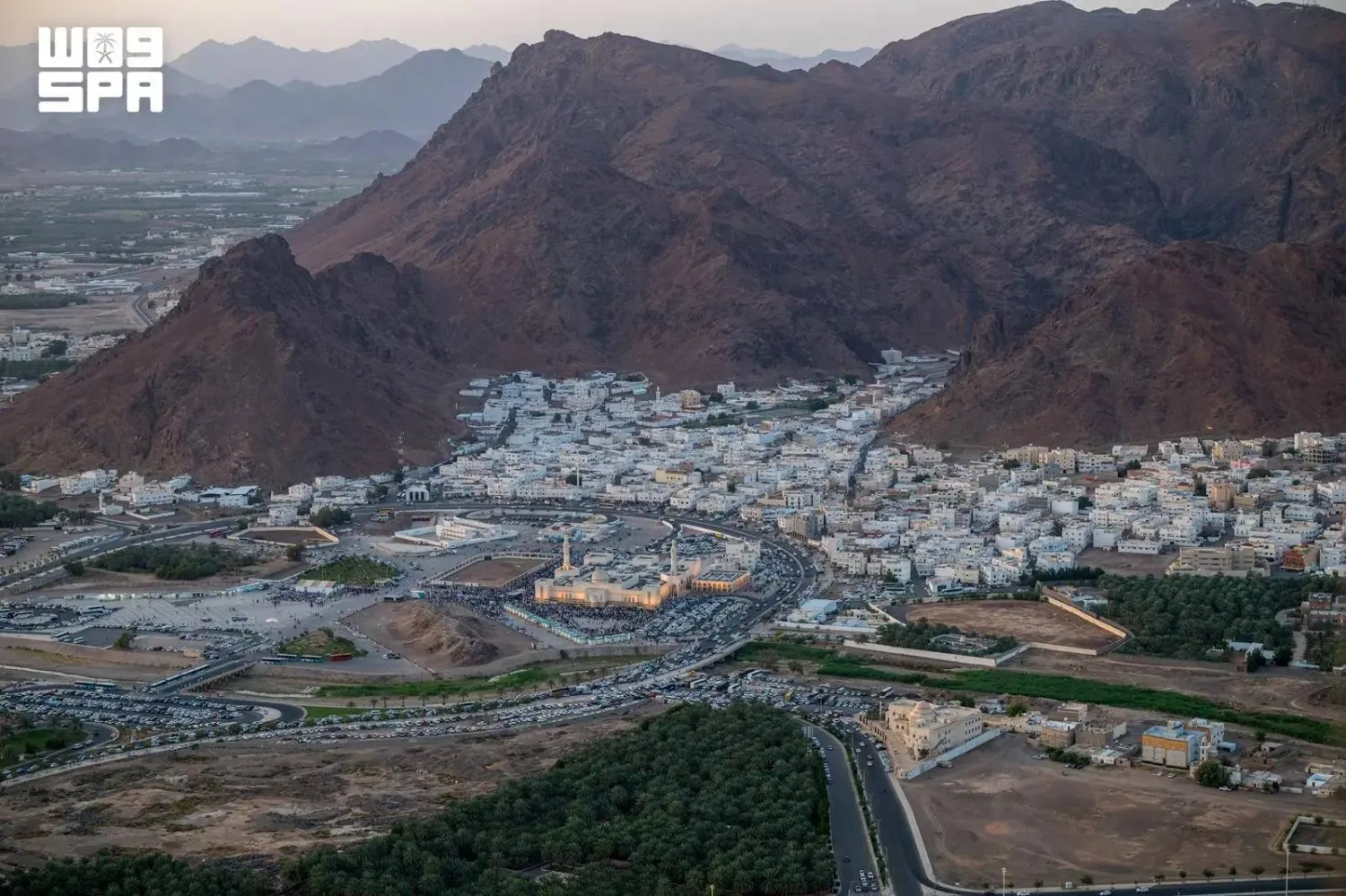
The third edition of Al-Bisht Al-Hasawi Festival is drawing thousands of regional and international visitors to Ibrahim Palace in historic Al-Hofuf.

Organized by the Heritage Commission, this year’s festival celebrates the inscription of the Bisht on UNESCO’s Representative List of the Intangible Cultural Heritage of Humanity.

The event showcases Al-Ahsa’s centuries-old tradition of hand-weaving and gold embroidery, a craft passed down through generations of local families, SPA reported.

Visitors can explore interactive displays, participate in live workshops, and witness the meticulous process of tailoring this iconic symbol of prestige.

With UNESCO's participation and representatives from six countries, the festival has evolved into a global platform for cultural dialogue, cementing the Bisht’s status as a world-class cultural treasure.


Saudi, Syrian Culture Ministers Tour National Museum of Damascus

The ministers observed the museum’s extensive collections spanning prehistoric eras to modern art. SPA
TT

Saudi, Syrian Culture Ministers Tour National Museum of Damascus

The ministers observed the museum’s extensive collections spanning prehistoric eras to modern art. SPA

Saudi Minister of Culture Prince Badr bin Abdullah bin Farhan and his Syrian counterpart, Mohammed Yassin Saleh, have toured the National Museum of Damascus during the Kingdom’s participation as guest of honor at the 2026 Damascus International Book Fair.

The ministers observed on Thursday the museum’s extensive collections spanning prehistoric eras to modern art.

A particular focus was placed on the Arab-Islamic wing, featuring significant artifacts from the Umayyad period.

The Kingdom's participation as guest of honor at the 2026 Damascus International Book Fair, which runs until February 16, stems from the role culture plays within Saudi Vision 2030.


Saudi Culture Minister Inaugurates Kingdom's Pavilion as Guest of Honor at Damascus Book Fair

Saudi Culture Minister Inaugurates Kingdom's Pavilion as Guest of Honor at Damascus Book Fair
TT

Saudi Culture Minister Inaugurates Kingdom's Pavilion as Guest of Honor at Damascus Book Fair

Saudi Culture Minister Inaugurates Kingdom's Pavilion as Guest of Honor at Damascus Book Fair

Saudi Minister of Culture Prince Badr bin Abdullah bin Farhan, who is the Literature, Publishing and Translation Commission Board Chairman, has inaugurated the Kingdom’s pavilion as guest of honor at the 2026 Damascus International Book Fair.

The inauguration took place on Thursday in the Syrian capital in the presence of Syrian Minister of Culture Mohammed Yassin Saleh and his Qatari counterpart, Sheikh Abdulrahman bin Hamad bin Jassim bin Hamad Al Thani.

The Kingdom's participation as guest of honor at the fair, which runs until February 16, stems from the role culture plays within Saudi Vision 2030.

Literature, Publishing, and Translation Commission Chief Executive Dr. Abdul Latif Al-Wasil affirmed that the Kingdom's presence as guest of honor at the fair reflects its leading role in the Arab cultural landscape and embodies its belief in the role of culture as a bridge for communication, a space for dialogue, and a tool for supporting joint cultural initiatives.

He explained that the Kingdom's presence in Damascus affirms the depth of Saudi-Syrian relations, based on partnership and mutual respect, and stems from the Kingdom's commitment to strengthening cultural exchange.

The Kingdom's pavilion showcases the cultural and creative diversity of the Saudi cultural and literary scene through a comprehensive cultural program that includes intellectual seminars, poetry evenings, a manuscripts exhibition, a Saudi fashion corner, a hospitality corner, and a corner displaying archaeological replicas, in addition to Saudi performing arts performances that express the depth of the Kingdom's cultural heritage.

The pavilion offers visitors to the exhibition the opportunity to explore aspects of Saudi culture in its literary, heritage, and human dimensions within a cultural experience presented in a unifying Arab spirit, affirming that culture remains one of the most effective means of fostering understanding and building shared meaning.

Syrian President Ahmed al-Sharaa met on Thursday with Prince Badr at the Conference Palace in Damascus.

The meeting was attended on the Saudi side by Advisor at the Royal Court Mohammed Al-Tuwaijri, along with other officials.