


Iran Says Talks with IAEA Will Be ‘Technical’ and ‘Complicated’ Ahead of Agency’s Planned Visit 

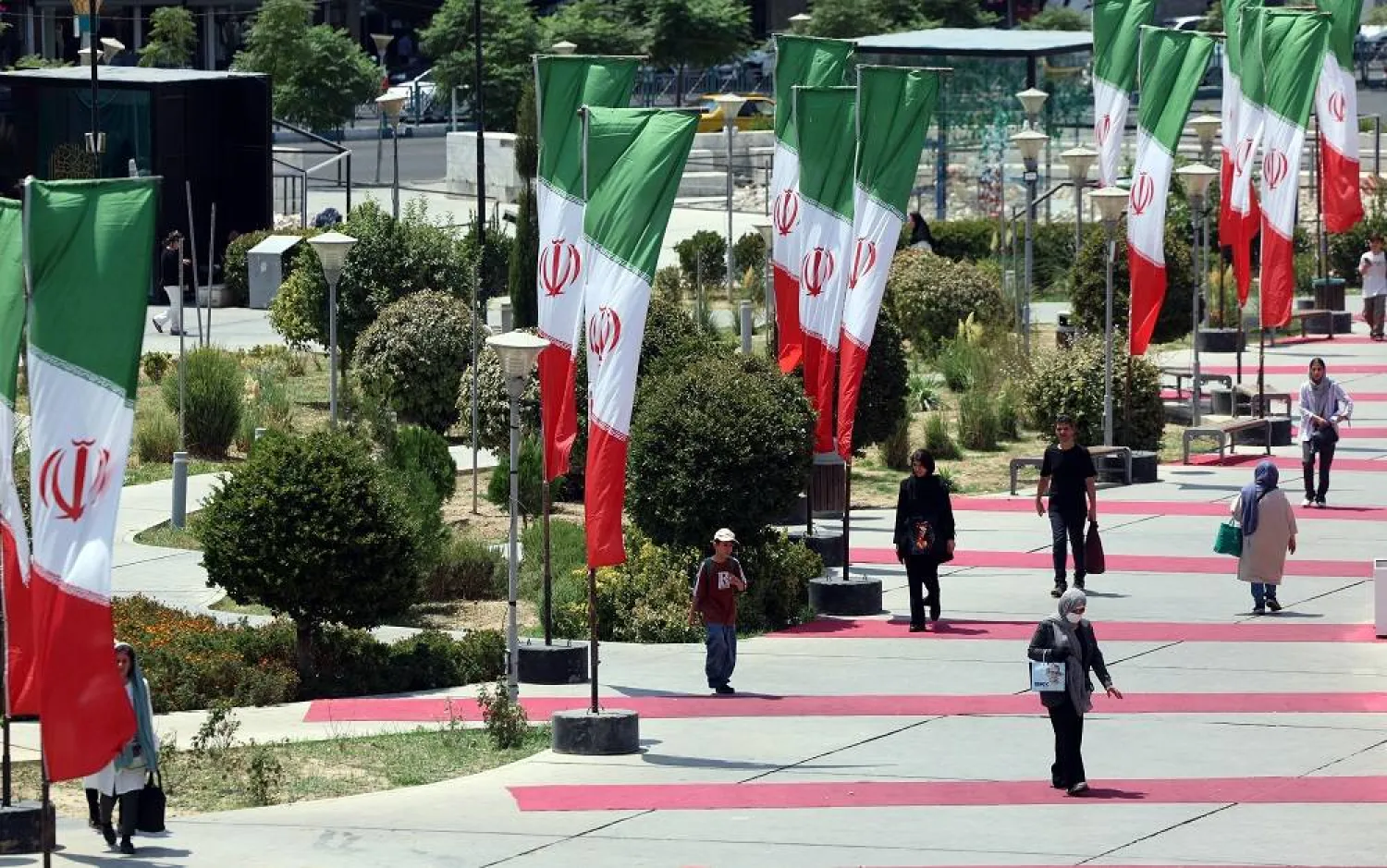
People walk next to Iranian national flags in a street in Tehran, Iran, 10 August 2025. (EPA)
TT

Iran Says Talks with IAEA Will Be ‘Technical’ and ‘Complicated’ Ahead of Agency’s Planned Visit 

People walk next to Iranian national flags in a street in Tehran, Iran, 10 August 2025. (EPA)

Talks between Iran and the International Atomic Energy Agency will be "technical" and "complicated," the country’s Foreign Ministry said Monday ahead of a visit by the nuclear watchdog for the first time since Tehran cut ties with the organization last month.

Relations between the two soured after a 12-day air war was waged by Israel and the US in June, which saw key Iranian nuclear facilities bombed. The IAEA board said on June 12 Iran had breached its non-proliferation obligations, a day before Israel’s airstrikes over Iran that sparked the war.

The IAEA did not immediately issue a statement about the visit by the agency's deputy head, which will not include any planned access to Iranian nuclear sites.

Esmail Baghaei, the Iranian Foreign Ministry spokesperson, told reporters there could be a meeting with Foreign Minister Abbas Araghchi, "but it is a bit soon to predict what the talks will result since these are technical talks, complicated talks."

Baghaei also criticized the IAEA's "unique situation" during the June war with Israel.

"Peaceful facilities of a country that was under 24-hour monitoring were the target of strikes and the agency refrained from showing a wise and rational reaction and did not condemn it as it was required," he said.

Araghchi had previously said that cooperation with the agency, which will now require approval by Iran’s highest security body, the Supreme National Security Council, would be about redefining how both sides cooperate. The decision will likely further limit inspectors’ ability to track Tehran’s program that had been enriching uranium to near weapons-grade levels.

Iranian President Masoud Pezeshkian on July 3 ordered the country to suspend its cooperation with the IAEA, after the US bombed three major Iranian nuclear sites as Israel waged an air war with Iran, killing nearly 1,100 people, including many military commanders. Retaliatory Iranian strikes killed 28 in Israel.

Iran has had limited IAEA inspections in the past as a pressure tactic in negotiating with the West, and it is unclear how soon talks between Tehran and Washington for a deal over its nuclear program will resume.

US intelligence agencies and the IAEA had assessed Iran last had an organized nuclear weapons program in 2003, though Tehran had been enriching uranium up to 60% — a short, technical step away from weapons-grade levels of 90%.


NATO: Ukraine Still Receiving Arms Despite Mideast War

NATO Secretary General Mark Rutte via Reuters/File
TT

NATO: Ukraine Still Receiving Arms Despite Mideast War

NATO Secretary General Mark Rutte via Reuters/File

Ukraine is still getting essential defense equipment despite the war in the Middle East, which is depleting stockpiles in Europe and the United States, NATO Secretary General Mark Rutte said Thursday.

"The good news is that essential equipment into Ukraine continues to flow," he told reporters. That included American-made Patriot missile interceptors, which Ukraine desperately needs, he added, AFP reported.

The PURL program, launched last year, allows Ukraine to receive US equipment financed by European countries.

Some 75 percent of the missiles used by Patriot batteries in Ukraine have been supplied through the program, and 90 percent of the munitions used by other air-defense systems, Rutte added.

Rutte called on European countries to increase their own production capacity.

"They need to produce more extra production lines, extra shifts, opening new factories. The money is there," he said.


Germany FM Says 'Encouraging' if US Speaking Directly to Iran

German Foreign Minister Johann Wadephul. (Reuters: File Photo)
TT

Germany FM Says 'Encouraging' if US Speaking Directly to Iran

German Foreign Minister Johann Wadephul. (Reuters: File Photo)

Germany's foreign minister Thursday said it was encouraging if the United States was talking directly to Iran to end the war in the Middle East, but Washington should make its intentions clear.

"I hear that there are signs that the US is speaking directly to Iran. I think that this is encouraging and this is welcome," Johann Wadephul told reporters before heading into the meeting of G7 foreign ministers outside Paris, AFP reported.

With US Secretary of State Marco Rubio set to join the discussions from Friday, he added: "For the German government it is of great importance to know precisely what our American partners are intending."


US Envoy Witkoff Says Iran is Seeking an Off-ramp

US Special Envoy Steve Witkoff speaks during a cabinet meeting at the White House in Washington, DC, US, March 26, 2026. REUTERS/Evelyn Hockstein
TT

US Envoy Witkoff Says Iran is Seeking an Off-ramp

US Special Envoy Steve Witkoff speaks during a cabinet meeting at the White House in Washington, DC, US, March 26, 2026. REUTERS/Evelyn Hockstein

The United States has sent Iran a "15-point action list" as a basis for negotiations to end the current conflict, US Special Envoy Steve Witkoff said on Thursday, adding that there are signs that Tehran was interested in making a deal.


Witkoff, speaking during a cabinet meeting at the White House, said that the nascent talks could be successful if the Iranians realize there were no good alternatives - a realization Tehran might be coming to, he argued, Reuters reported.


"We will see where things lead, and if we can convince Iran that this is the inflection point with no good alternatives for them other than more death and destruction," Witkoff told reporters.


"We have strong signs that this is a possibility."


Witkoff said Pakistan had been acting as a mediator, confirming statements from Pakistani officials.
