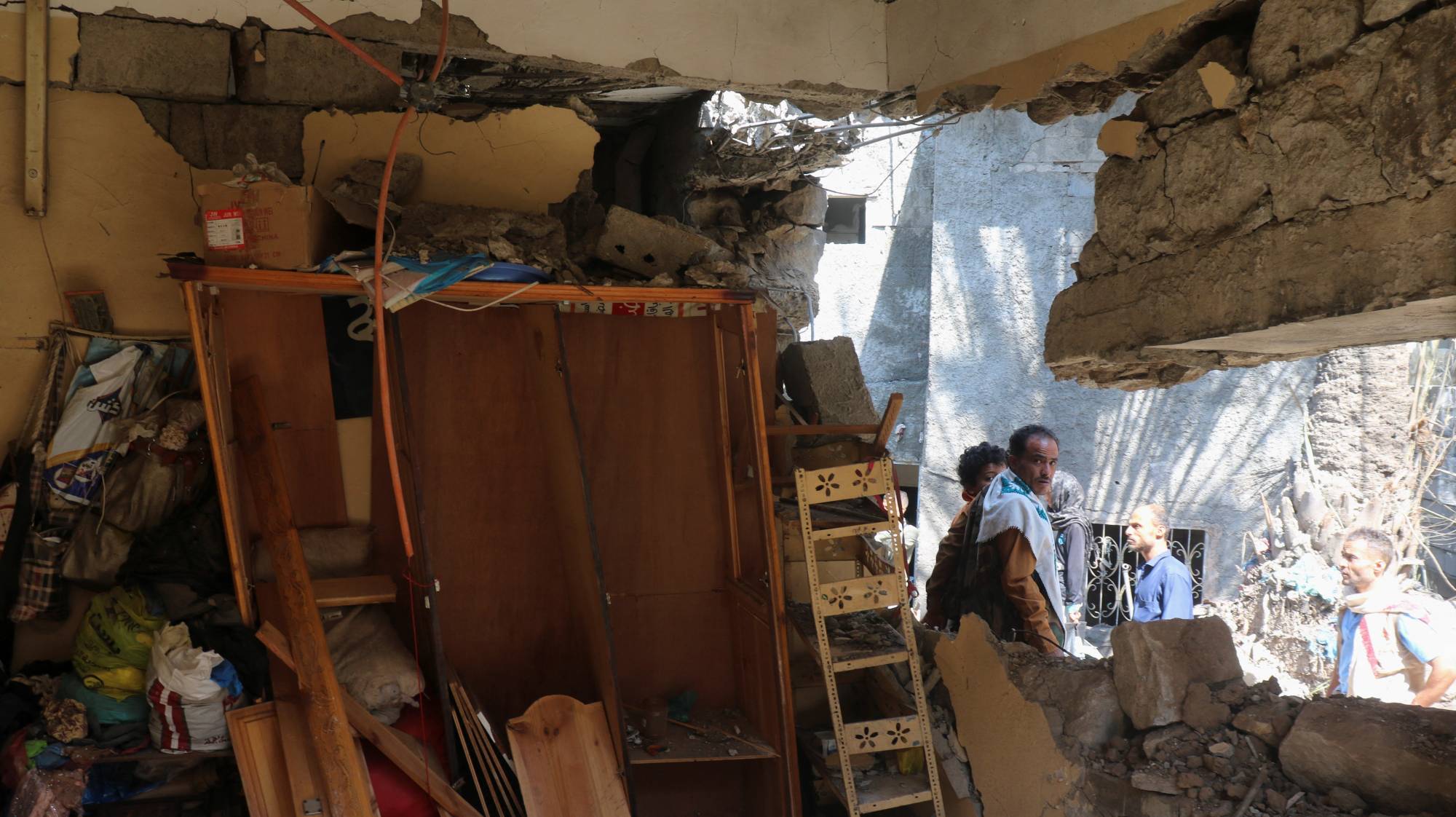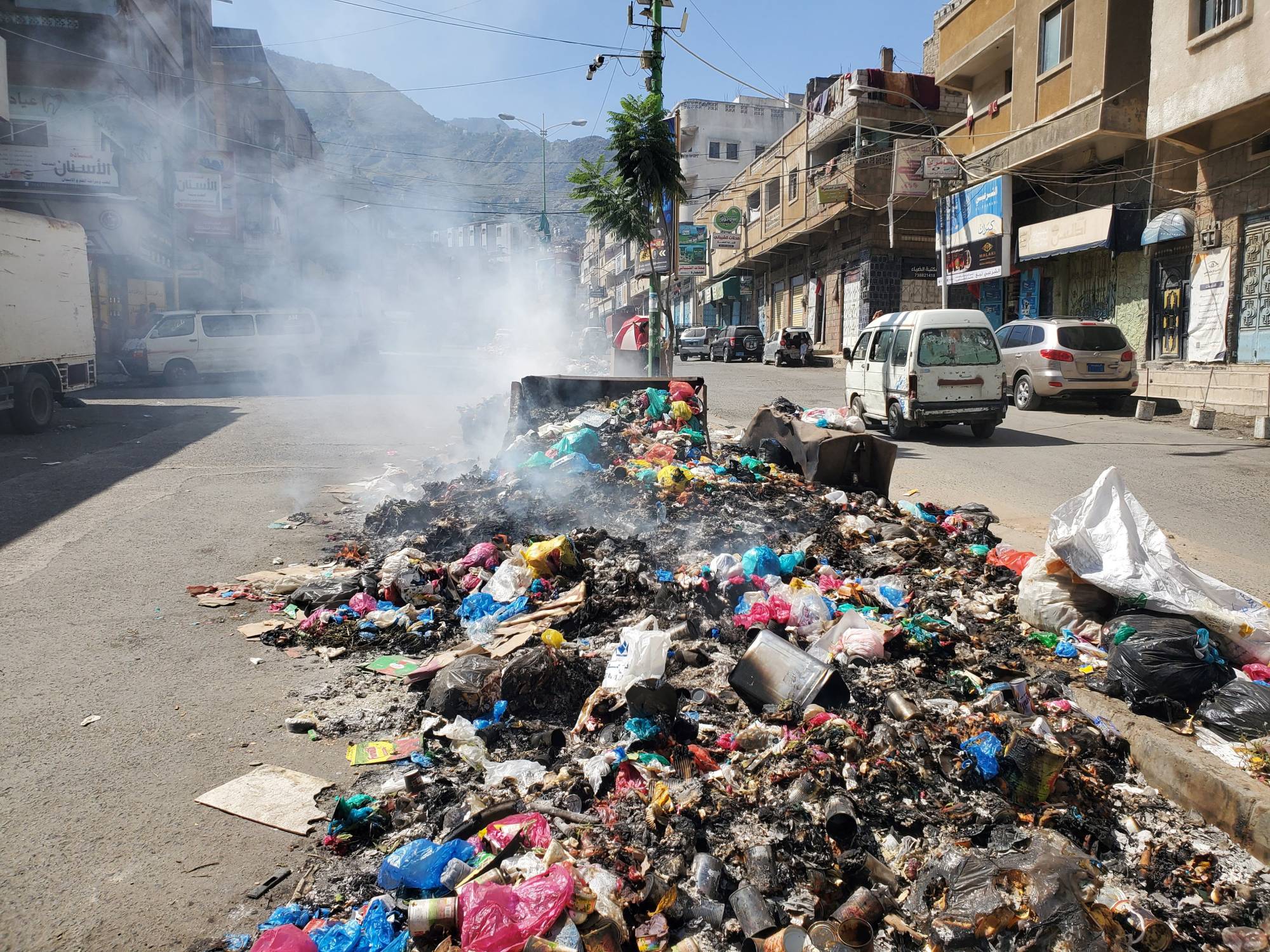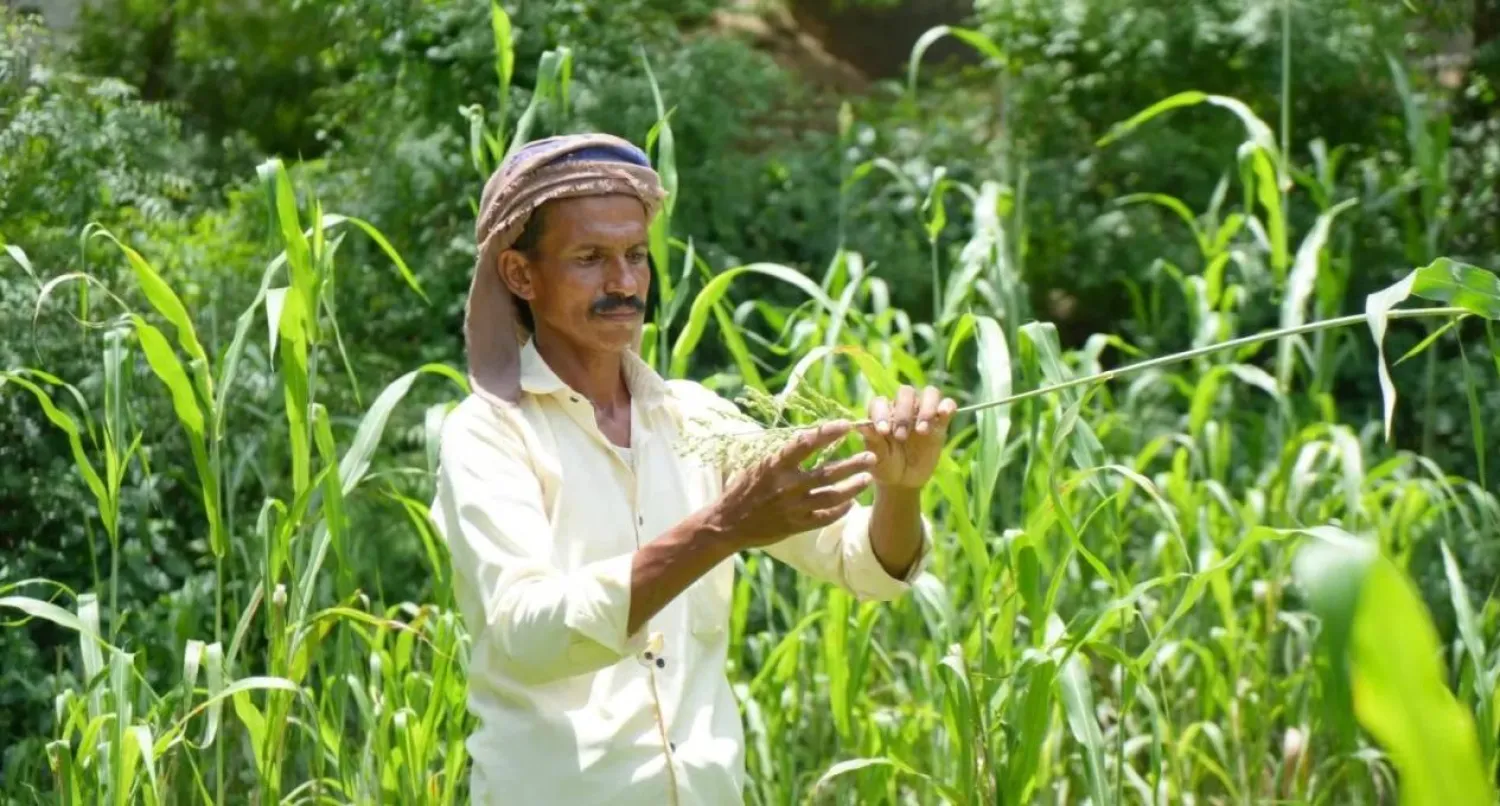

The UN on Friday warned about potential widespread floods in Yemen during the current rainy season, while a severe drought is affecting many areas, significantly threatening agricultural production.
The agency also noted a decline in cultivated areas to less than half its previous size due to climate change and weather fluctuations.
rometeorological Early Warning Bulletin, the UN Food and Agriculture Organization (FAO) said convective rainfall anticipated during the upcoming fall season is likely to cause widespread flash floods, especially across the western and southern lowlands where rainfall thresholds may be exceeded.
FAO forecasts suggest that the intensity of rainfall could lead to soil saturation and overwhelm both natural and artificial drainage systems.
“These conditions are expected to increase the risk of flash floods and river overflows, particularly in downstream areas of mountainous watersheds, posing significant threats to already vulnerable agropastoral communities,” the UN agency warned.
Also, rainfall is expected to intensify this month, with peak levels across the Southern Uplands and the Central and Northern Highlands, where cumulative totals may exceed 300 mm in some areas.
This increased precipitation, FAO said, will significantly elevate the risk of successive flash floods, especially in flood-prone wadis and low-lying areas.
Highly Affected Areas
Based on current forecasts, flood risk levels are high in the Sordod and Siham watersheds, moderate (alert) in the Rimah and Zabid watersheds and low in the Harad, Banna, and Tuban watersheds. The most impacted areas are projected to include Hodeidah, Sanaa, Mahwit, Dhamar and Raymah.
FAO said floods are projected to significantly affect cultivated areas, with approximately 114,000 hectares of actively farmed land at high flood risk.
“This represents about 8% of the country’s actively cultivated land as of the end of July 2025,” the UN agency said in its report, adding that such flooding poses a serious threat to the optimal yields of key staple crops, especially sorghum and millet.
The bulletin also warned that floods are expected to exacerbate food insecurity and malnutrition in areas already facing Phase 3 and above in the Integrated Food Security Phase Classification (IPC).
In such levels, households may resort to negative coping strategies to manage their food consumption and livelihood needs, including the limiting of food consumption and depleting essential assets.
Therefore, FAO recommended enhancing localized early warning systems collaboration and ensuring that contingency plans are operational before the peak rainy season in August.
Also, it called for pre-positioning seeds, farming tools, and veterinary kits in exposed areas to enable rapid recovery and maintain planting cycles and for strengthening multi-sectoral response efforts to reduce risks of displacement, asset loss, and reliance on negative coping strategies.
Temperature Variation
Next fall, Yemen is expected to see temperature variations across its main regions, the FAO bulletin said.
Elevated areas are anticipated to have cooler temperatures, not exceeding 25°C. In contrast, higher temperatures, surpassing 35°C, are likely in the northern parts of Hadramaut and Al Maharah, as well as along the coastal areas of Taiz and Lahj governorates.
As of June 2025, combined remote sensing data from and field reports from the Yemeni Agriculture and Irrigation Ministry indicated that cereal crops, particularly sorghum, were in critical growth stages but experiencing significant stress.
This was primarily due to rainfall deficits from March to June, a delayed onset of the main rainy season, and higher-than-normal temperatures.
FAO showed that these conditions led to reduced soil moisture and increased evapotranspiration, adversely affecting both cereals and highland cash crops.
However, projections for August to October suggest the possibility of partial recovery, especially for late-maturing cereals and pasture regeneration.
Simultaneously, the expected increase in rainfall could raise the risk of flash floods in highly flood-prone areas, likely causing substantial damage to agricultural assets.