


Lebanon Agrees Bail for Ex-Central Bank Chief

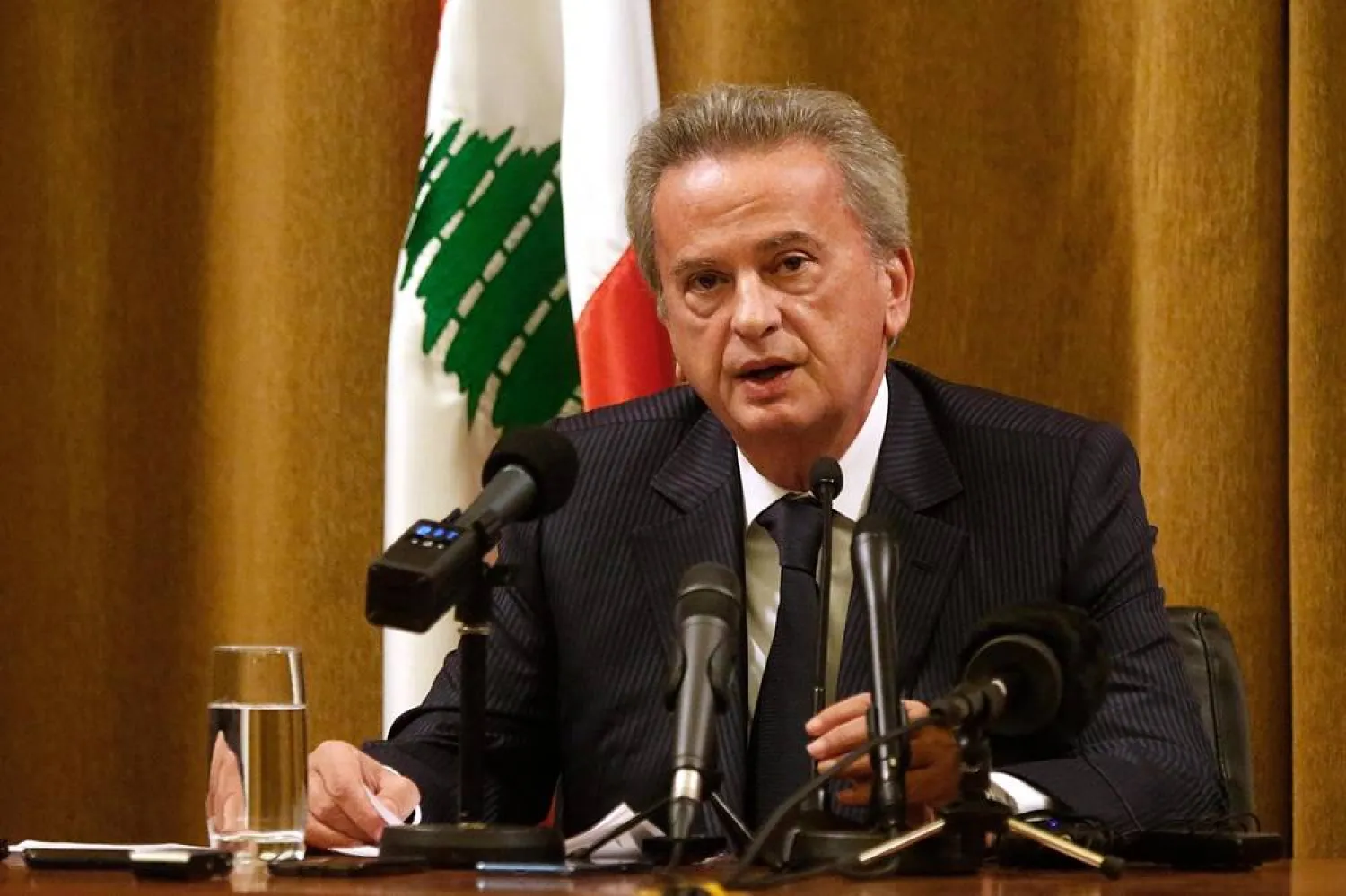
11 November 2019, Lebanon, Beirut: Then Governor of the Central Bank of Lebanon Riad Salameh speaks during a press conference at the headquarters of the Central Bank of Lebanon. (dpa)
TT

Lebanon Agrees Bail for Ex-Central Bank Chief

11 November 2019, Lebanon, Beirut: Then Governor of the Central Bank of Lebanon Riad Salameh speaks during a press conference at the headquarters of the Central Bank of Lebanon. (dpa)

Lebanon's judiciary agreed Tuesday to the release on bail of more than $20 million of former central bank governor Riad Salameh, detained for nearly a year on embezzlement charges, judicial officials said.

Salameh, 75, who headed the central bank for three decades, faces numerous accusations including embezzlement, money laundering and tax evasion in separate probes in Lebanon and abroad.

He is widely viewed as a key culprit in Lebanon's economic crash, which the World Bank has called one of the worst in recent history, but has defended his legacy, insisting he is a "scapegoat".

The judiciary "agreed to release Salameh on bail of $20 million in addition to five billion Lebanese pounds (around $56,000) and banned him from travel for a year starting from the date of this decision's implementation", the judicial official said, requesting anonymity as they were not authorized to brief the media.

The decision relates to a case in which Salameh is accused of embezzling $44 million from the central bank, the official said, adding that the judiciary had issued release orders for him in two other cases last month.

A second judicial official, also speaking on condition of anonymity, said the bail amount "is the highest in the history of the Lebanese judiciary".

Salameh's lawyer Mark Habka told AFP that "the bail is high and illegal, and I will speak to my client about the next steps".

In April, a Lebanese judge issued an indictment for Salameh, charging him with embezzling $44 million from the central bank, as well as illicit enrichment and forgery. Bail was rejected at the time.

The second judicial official said the decision to release him came "in consideration of his health condition".

The official said he would in any case have been released automatically on September 4 when his pre-trial detention order expires.

Salameh, who left office at the end of July 2023, has repeatedly denied the allegations against him, saying his wealth comes from private investment and his previous work at US investment firm Merrill Lynch.



At Chad-Sudan Border, Aid Funding Crisis Leaves Displaced in Limbo

TOPSHOT - A general view of carts heading towards Chad at the Adré border post on June 8, 2026. (Photo by Joris Bolomey / AFP)
TT

At Chad-Sudan Border, Aid Funding Crisis Leaves Displaced in Limbo

TOPSHOT - A general view of carts heading towards Chad at the Adré border post on June 8, 2026. (Photo by Joris Bolomey / AFP)

Rising numbers of Chadians fleeing the Sudan war are arriving at the Adre border post in Chad, but funding shortages could force UN agencies on the ground to stop operating.

The civil conflict in Sudan has already cost tens of thousands of lives and forced more than 12 million people to flee their homes, more than a million of them Chadian, according to UN figures.

Government forces and the paramilitary Rapid Support Forces (RSF) have been fighting since April 2023.

A steady stream of horse-carts arrived at the Adre border post, under the region's scorching desert sun, during a recent visit by AFP.

In the swirling dust and the crack of whips, some of the makeshift wagons toppled under the weight of their loads, dragging the horses onto their backs, hooves in the air.

They leave loaded with cans of petrol and food for Sudan, and return to Chad, in some cases carrying people fleeing the war.

- Lack of resources -

Last week SungAh Lee, deputy director general of the UN's International Organization for Migration, visited Adre as part of a three-day visit to the Assoungha region.

She met Chadians who had been in Sudan and had fled the war to return home.

"When I go there and meet the beneficiaries and hear from them, then go back and meet ambassadors and the donor community, it is important for them to hear what I have seen in person," she told AFP.

In May, the number of Chadians returning from Sudan passed the 400,000 mark.

They had initially expected to reach that level by the end of June, Lee said, but the flow of returnees has accelerated.

Mahamat Issa Abakar, general secretary of the Assoungha region, confirmed the surge in returnees.

"There are more than 5,000 Chadians getting ready to return to Chad from Sudan in the coming days," said Abakar, himself a former aid worker.

"Their representatives came to ask me how they will be taken in here, but I don't know what to tell them," he added. "On our side, we lack the resources."

"The Chadians from Sudan returning to Chad have exactly the same needs as the refugees," he added.

And yet, he said, looking over at the IOM delegation, they were not as well cared for.

- No food, no work -

According to figures from the UN refugee agency UNHCR, more than 900,000 people have sought refuge in Chad since the start of the war in Sudan. They make up one in three people in the eastern provinces of Chad.

In Tongori camp, where the IOM says 13,000 people are packed in, Chadians who have fled Sudan speak of a sense of abandonment.

"We don't have food!" said 59-year-old Ahmat Mahamat Hassan. "It hasn't been handed out for six months."

"It's the IOM who led us here and it's for you to take responsibility for us," he added, addressing the UN delegation set up under sheets of metal in the middle of some 300 Chadian returnees.

Others among the returnees complained of a lack of work and being stuck in the camp with nothing to do.

"We have a lot of skills here among the women, but we can't put them into practice," said Saide Yaya Abderamanou.

"Most of us have a job in Sudan. Some of us make jewels, perfumes, shoes," she added.

Lee, for the IOM, acknowledged the problem.

"Continuously providing humanitarian aid is not a sustainable model," she told AFP.

"They all want to work, they all have skills. So it's about creating opportunities for them, and I think this is really the most difficult part."

But she also recognized the growing difficulties in helping the Chadians returning from Sudan.

The $21-million IOM response plan for eastern Chad in 2026 was only 19-percent financed, Lee said.

"After October 2026, we won't be able to provide humanitarian assistance if the finance doesn't arrive," she warned.


Trump Warns Israel and Iran Not to 'Blow It' after New Strikes Threaten Emerging Ceasefire Deal

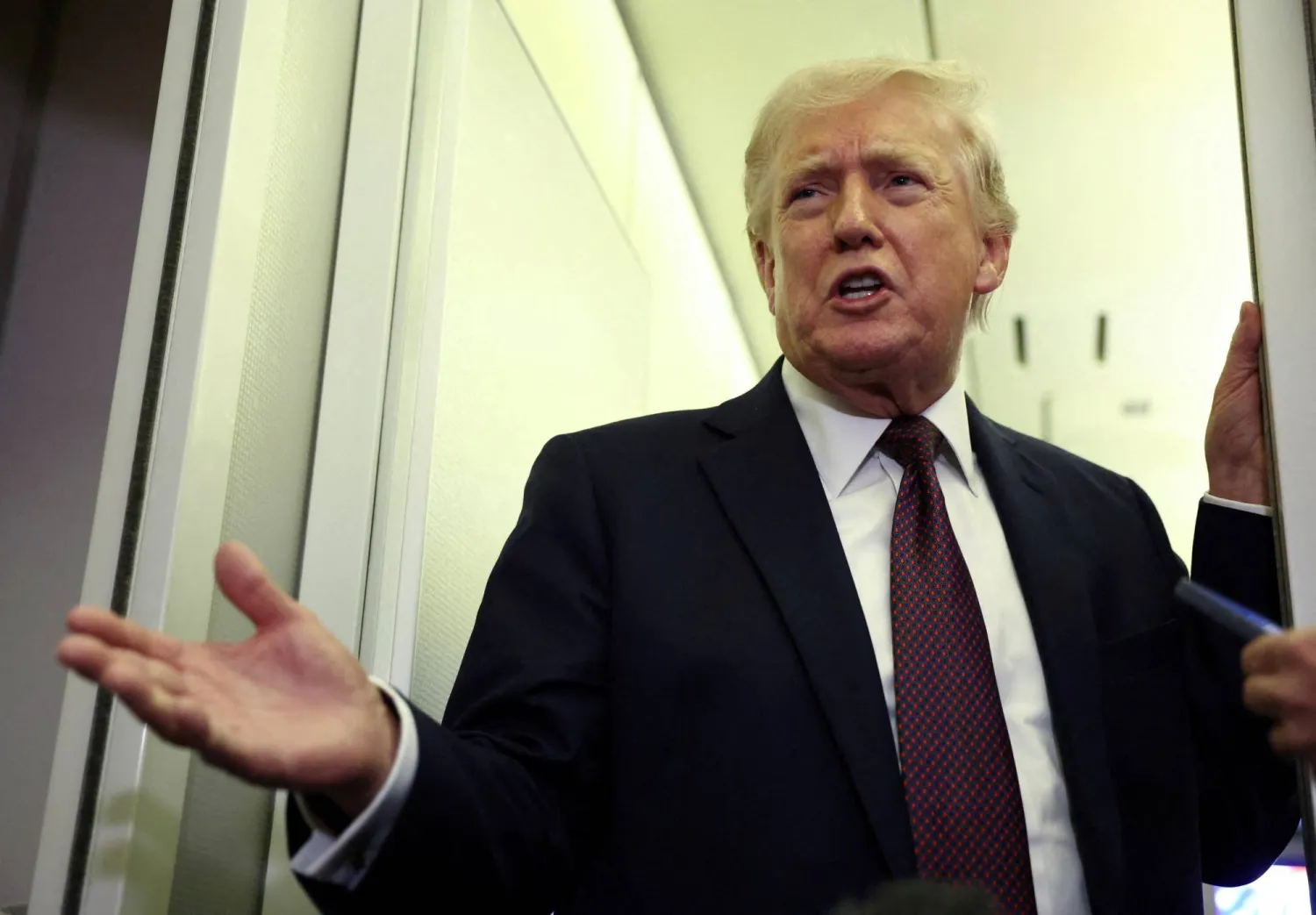
US President Donald Trump speaks to reporters aboard Air Force One on a flight back to Washington March 15, 2026. REUTERS/Kevin Lamarque/File Photo
TT

Trump Warns Israel and Iran Not to 'Blow It' after New Strikes Threaten Emerging Ceasefire Deal

US President Donald Trump speaks to reporters aboard Air Force One on a flight back to Washington March 15, 2026. REUTERS/Kevin Lamarque/File Photo

US President Donald Trump on Sunday urged no further attacks by anyone after Israel's military said it launched strikes on Hezbollah targets in Beirut's southern suburbs, potentially complicating efforts to finalize a deal to end the US-Iran war.

The Public Health Emergency Operations Center said three people, including two women, were killed, and 16 were wounded.

Trump reacted on social media and said Israeli strikes on Beirut "should not have happened" as he vowed a regional peace deal was at hand, though he did not confirm reports it would be signed during the day.

"We are very close to a Deal that will bring peace to the region, including to Lebanon, and all sides should stand down," Trump said on social media.

"This could be the beginning of a long and beautiful peace -- Let's not blow it!"

The deal in its current form is a deep disappointment to Israel's government, which has been sidelined in negotiations led by Pakistan and others. The last time Israel struck the Beirut suburbs a week ago, it set off the most serious escalation of fighting between Iran and Israel since the tenuous ceasefire took hold April 7.

Trump, who had said the deal could be signed Sunday, has pressed Israeli Prime Minister Benjamin Netanyahu to stop hitting Lebanon hard while a deal is near, but the prime minister has defied him.

Netanyahu's office said the strikes were in response to Hezbollah attacks on northern Israel. Israel’s military said Hezbollah launched three projectiles, releasing footage where an audible boom was followed by rising smoke. There was no immediate comment from the Iranian-backed Hezbollah.


Trump to Meet Sisi at G7 Summit in France

US President Donald Trump holds a meeting with Egypt's President Abdel Fattah al-Sisi during a summit on Gaza in Sharm el-Sheikh on October 13, 2025. (AFP)
TT

Trump to Meet Sisi at G7 Summit in France

US President Donald Trump holds a meeting with Egypt's President Abdel Fattah al-Sisi during a summit on Gaza in Sharm el-Sheikh on October 13, 2025. (AFP)

US President Donald Trump is set to hold talks with Egypt's President Abdel Fattah al-Sisi on the sidelines of the G7 summit in France this month, the Egyptian presidency said on Sunday.

In a statement, the presidency said Sisi is expected to hold a series of meetings with world leaders during the summit, "including a bilateral meeting with US President Donald Trump".

It added that Sisi's meetings would focus on "discussing ways to resolve international geopolitical crises and address their repercussions on trade, energy and supply chains".

The G7 summit will be one of the first major international gatherings since the United States and Israel launched a war against Iran in late February, upending the Middle East and widening transatlantic tensions.

French President Emmanuel Macron, who is hosting the summit in the city of Evian on June 15-17, said that leaders from Egypt, Saudi Arabia, Qatar and the United Arab Emirates had been invited to discuss the Middle East war, according to the French presidency.

Saudi Crown Prince Mohammed bin Salman said he would not attend the summit due to "prior commitments", the Saudi Press Agency (SPA) reported on Thursday.

The G7 brings together the leaders of Britain, Canada, France, Germany, Italy, Japan and the United States, along with invited leaders from several other countries, including Brazil and India.

Macron is due to arrive in Evian on Sunday evening, with other leaders, including Trump, expected on Monday.

Leaders are set to have a packed agenda of potentially explosive issues, including efforts to end the war in Iran and re-open the key Strait of Hormuz shipping bottleneck.