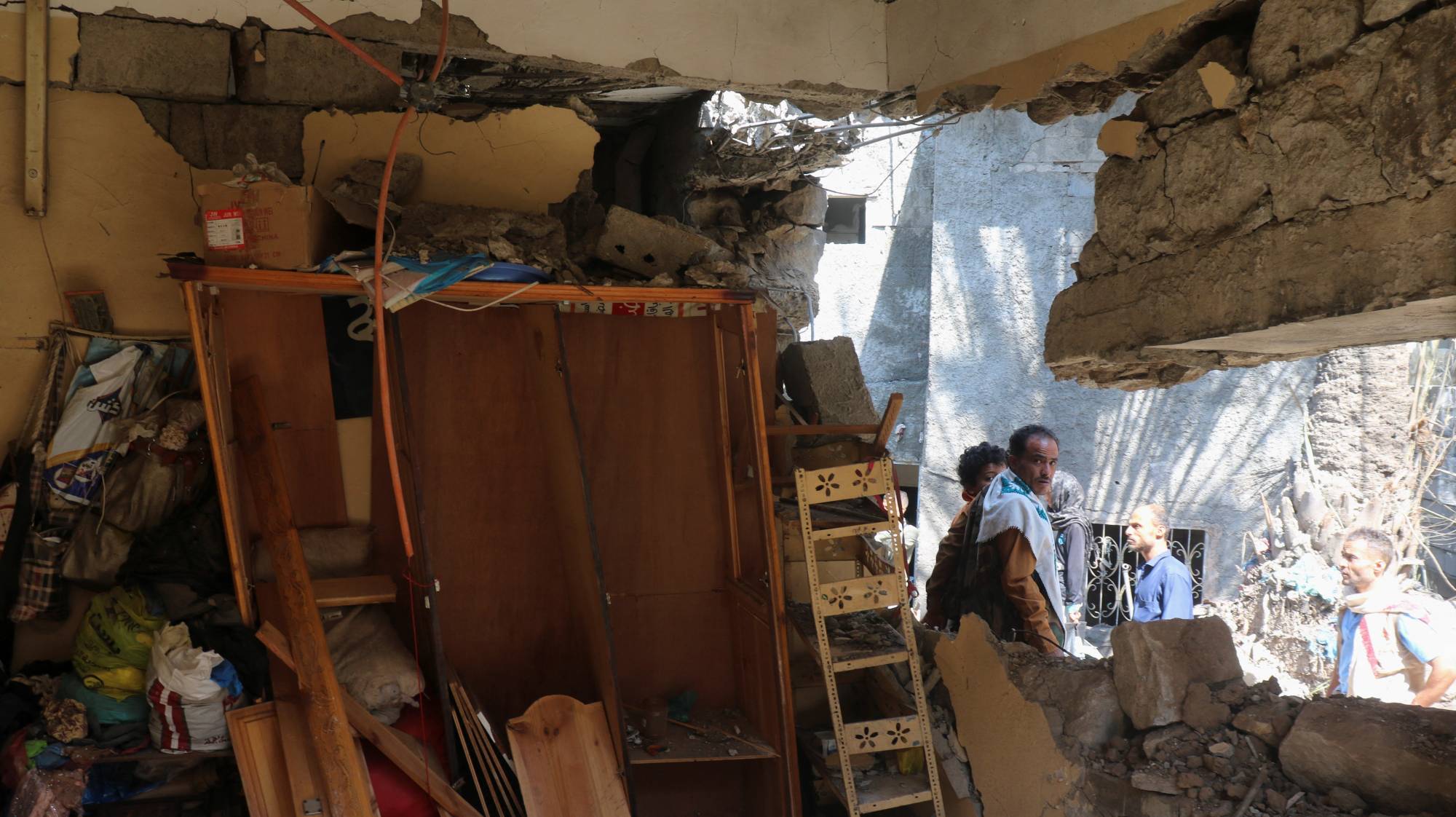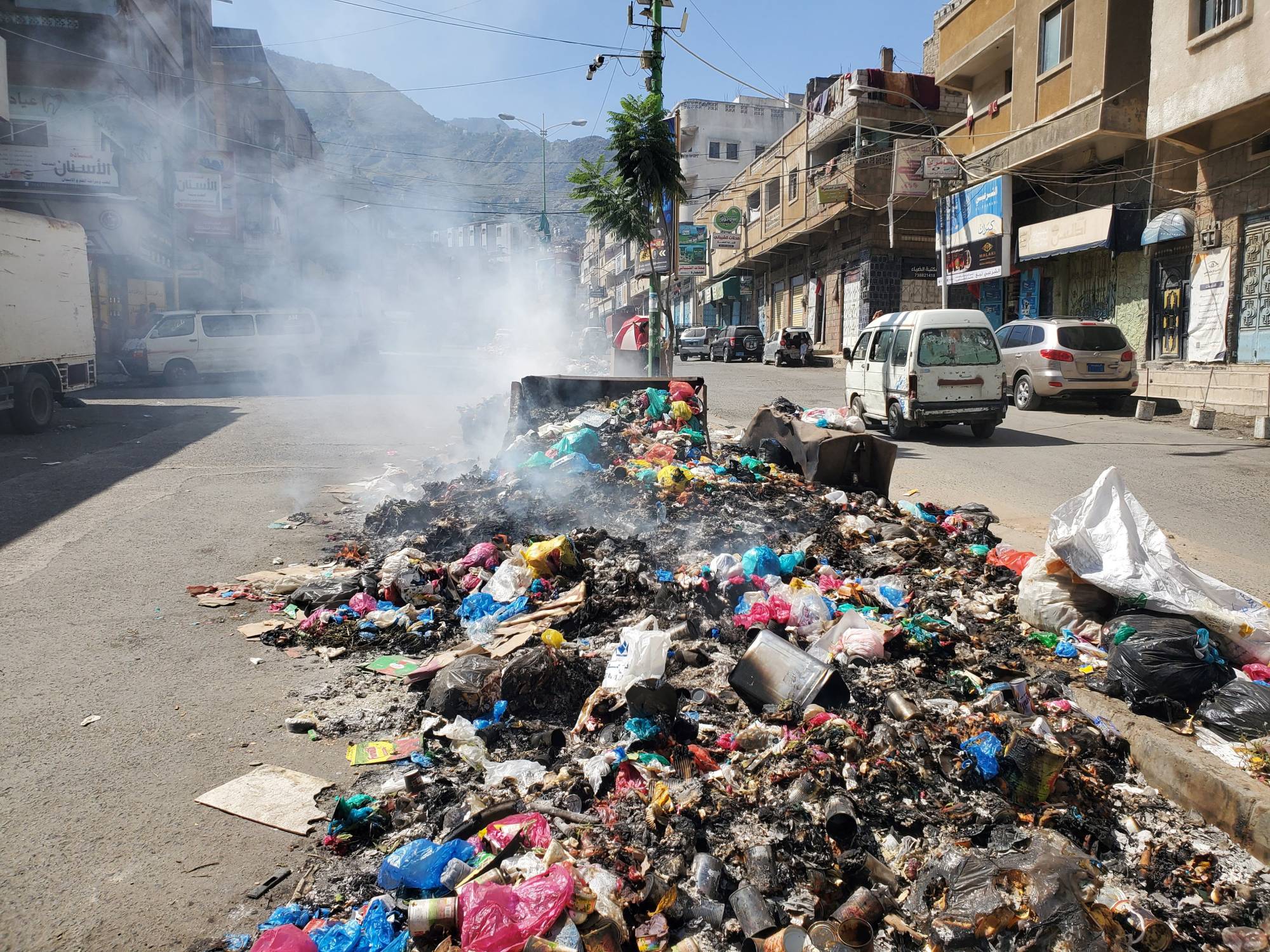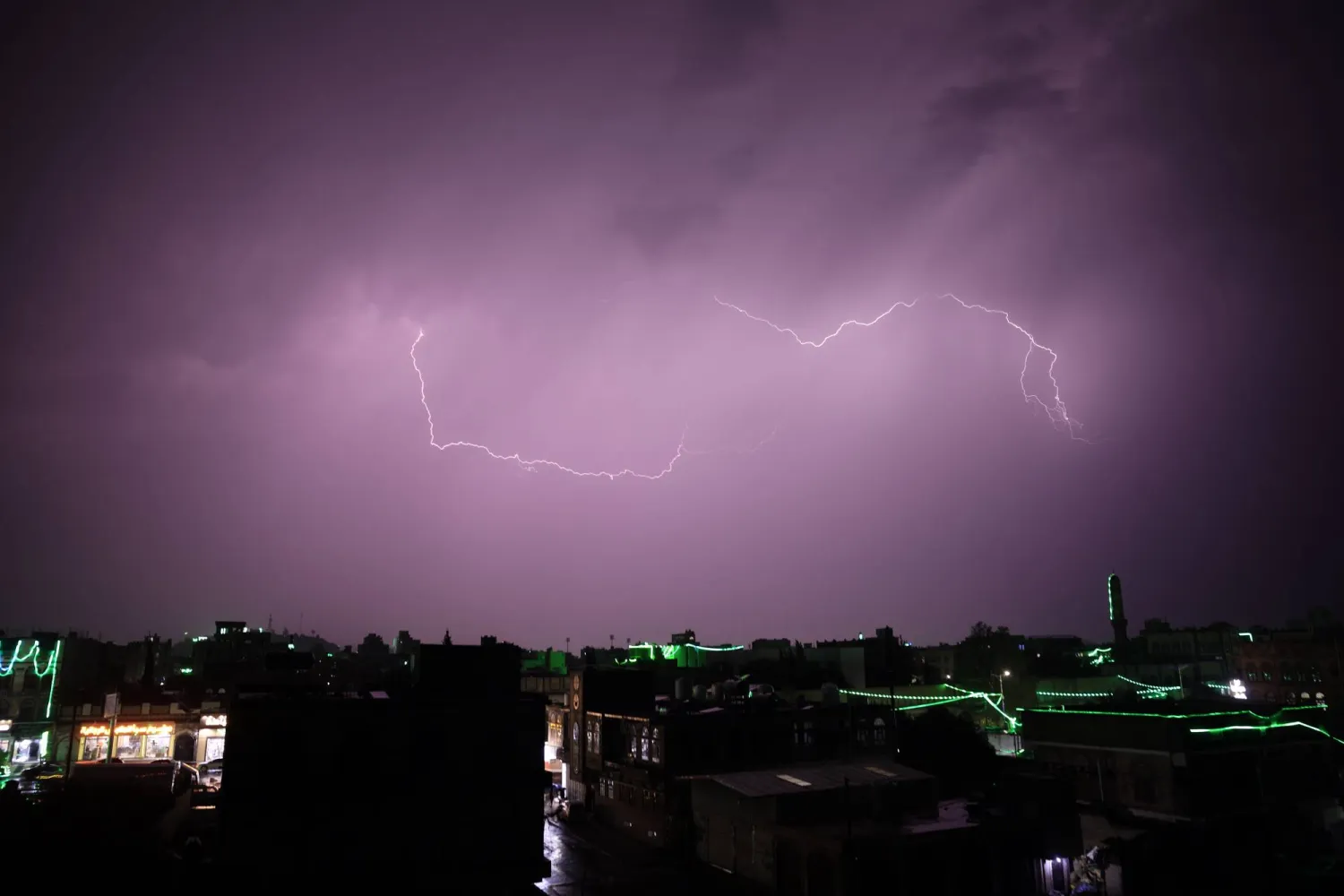

Relief organizations have said more than 100,000 people have been affected by flash floods that have swept across several Yemeni provinces in the past few days, warning that more heavy rain is expected.
“More than 100,000 people have been affected by flash floods, triggered by torrential rains, that have destroyed homes – including camps for already displaced families – and left farmland submerged,” the International Rescue Committee (IRC) said in a press release on Wednesday.
It said critical infrastructure such as roads, power lines, and water and sanitation facilities have also been severely damaged, cutting off communities from essential services and forcing thousands into secondary displacement.
Meanwhile, UNHCR said heavy rains and floods have hit Houthi-led governorates, including Hajjah, Hodeidah, Al Mahweet and Raymah, affecting more than 16,000 families (about 100,000 people).
The UN agency said lives were lost, and homes and makeshift shelters were destroyed.
UNHCR and its partners are therefore rushing with shelter and relief support.
Additional Suffering
With more heavy rain expected, the IRC said the risk of further flooding threatens to displace even more families and cause additional suffering to vulnerable communities already at the epicenter of a devastating hunger crisis.
These extreme weather events—compounded by ongoing conflict and a collapsing economy—now risk disrupting agricultural production and cutting families off from both markets and humanitarian aid, it said.
Therefore, children, the elderly, and displaced families face the greatest risk of rising hunger, while communities are also exposed to new dangers from water-borne diseases and explosive remnants of war unearthed by the floods.
“Southern Yemen is already in the grips of a severe food crisis and these floods have further deepened the emergency,” said Isaiah Ogolla, IRC’s Acting Country Director in Yemen.
He affirmed that some families told the Rescue Committee they had even started collecting wild plants to keep their children fed, as every other coping strategy was used up.
Ogolla noted that flash floods have now washed away homes and crops, leaving many with nothing to return to.
Need to Scale Up Support
Also, the IRC said that with farmland submerged and markets cut off, vulnerable families are losing the few remaining sources of food and income they depend on.
“It is absolutely urgent that we scale up support to help people survive, recover, and rebuild their lives,” Ogolla said.
In response to the floods, the IRC has launched emergency operations in the hardest-hit areas of Abyan, Lahj, Taiz and Aden.
These governorates are also facing emergency levels of food insecurity, with families there experiencing severe food shortages and high levels of malnutrition.
Therefore, IRC teams are delivering cash assistance, essential supplies such as mattresses, blankets and cooking utensils, and hygiene kits to families affected by the floods, and continue to provide support to those affected by rising food insecurity.
While the full extent of the destruction is still being assessed, it is already clear that the toll on communities will be devastating, the organization affirmed.
The IRC therefore said it calls on the international community to stand in solidarity with those most affected by supporting both the urgent humanitarian response and long-term investments in climate-resilient agriculture, infrastructure, and livelihoods in Yemen.