



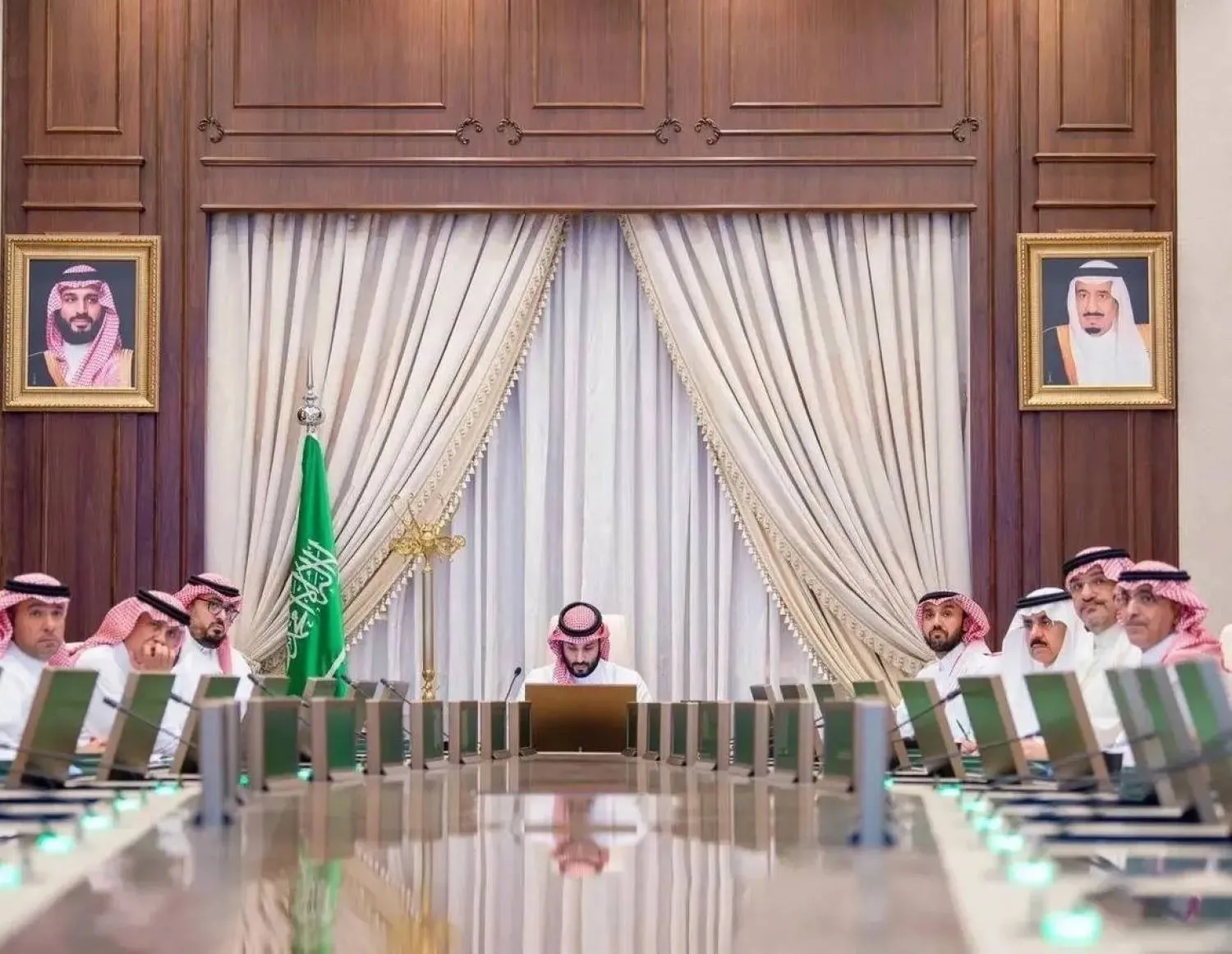

The Council of Economic and Development Affairs held a virtual meeting to review the periodic report presented by the Ministry of Economy and Planning, which included an analysis of global economic developments, an overview of major international markets, and a comprehensive review of Saudi Arabia’s domestic economy across its various sectors.
Discussions highlighted the outlook for the national economy, key assumptions driving growth, and future prospects, as the Kingdom records economic expansion for the fifth consecutive quarter. The performance was fueled by gains across all sectors, particularly non-oil activities.
Saudi Arabia’s GDP grew by 3.9 percent in the second quarter of 2025, supported by broad-based growth, with the non-oil sector playing a central role.
Non-Oil Revenues
Non-oil revenues reached SAR264 billion by the end of Q2 2025, marking a 5 percent increase from the same period last year, reflecting the growth of non-oil activities. Meanwhile, the Industrial Production Index rose by 7.9 percent year-on-year in June.
The Council also reviewed the Ministry of Finance’s quarterly budget performance report, which detailed revenues, expenditures, and public debt. The findings underscored the government’s commitment to economic and fiscal reforms under Vision 2030, aimed at ensuring medium- and long-term financial sustainability and strengthening the resilience of the Saudi economy amid global challenges.
Sustainability and Social Spending
The report confirmed continued government support for development and service projects, alongside fiscal reforms to diversify revenue sources. Spending on education, health, and social development accounted for 39.5 percent of total expenditures in the first half of 2025, amounting to SAR260 billion. This substantial allocation reflects the Kingdom’s prioritization of citizens’ needs and essential services.
Foreign Aid
The Council also reviewed a joint presentation by the Saudi Fund for Development and the King Salman Humanitarian Aid and Relief Center, which outlined the role of Saudi foreign aid in boosting local content and exports. Saudi Arabia has provided more than SAR155.34 billion in aid across 122 countries, funding over 1,820 projects spanning humanitarian and development sectors.
Private sector involvement has been significant: In 2024, Saudi firms contributed to 73 percent of the Fund’s projects, while between 2022 and 2024, they participated in 55.3 percent of aid initiatives, representing SAR2.34 billion in value.
By sourcing goods and services from the domestic market and assigning implementation to national companies, Saudi aid projects have not only advanced humanitarian and development goals abroad but also strengthened local industries and boosted national exports.


