



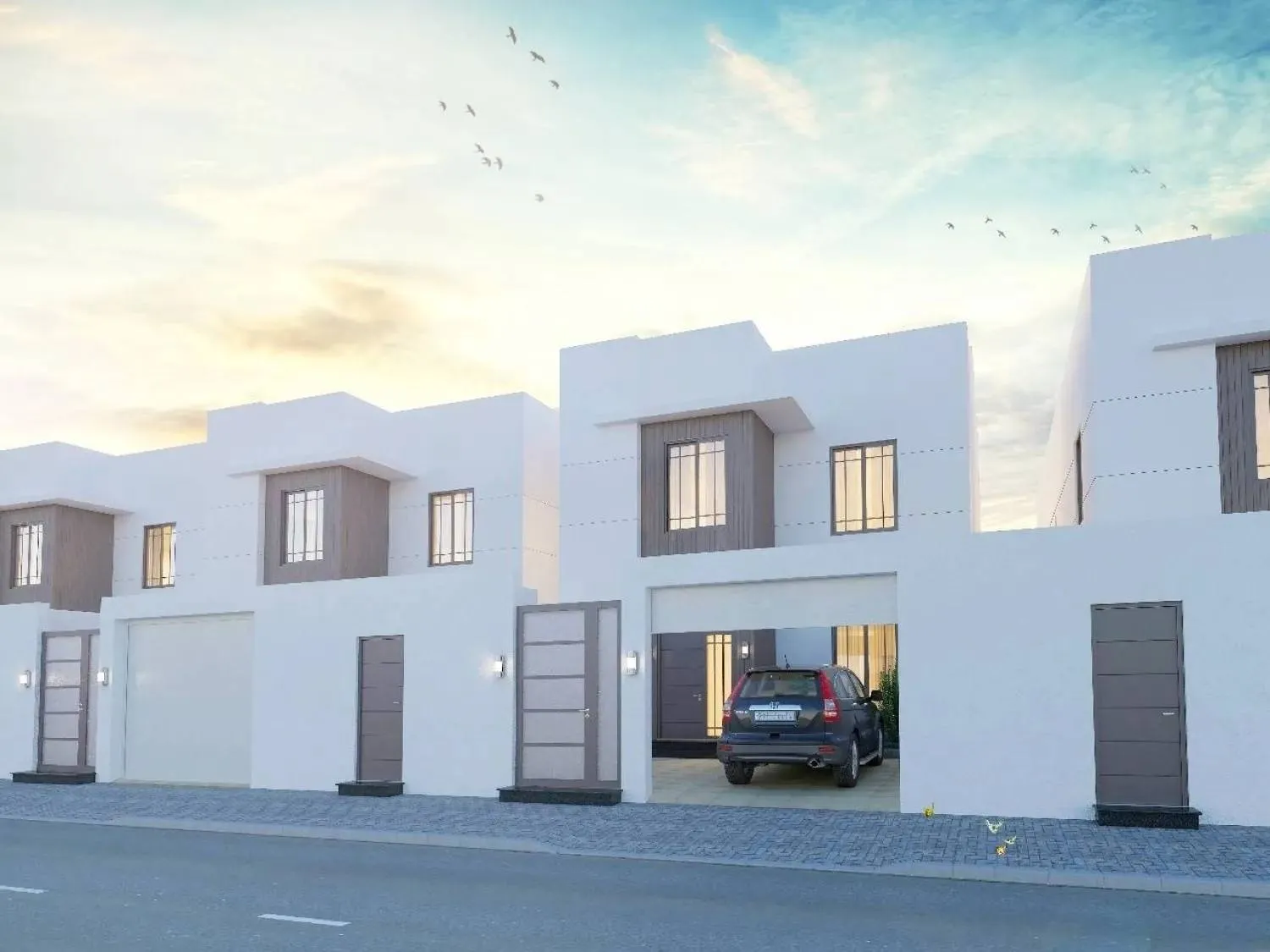

Saudi Arabia’s Housing Program, one of the key initiatives under Vision 2030, has contributed about 27 billion riyals ($7.2 billion) to the Kingdom’s non-oil GDP since 2021 and generated more than 72,000 private sector jobs since 2019, according to an official report seen by Asharq Al-Awsat.
The Program, which aims to boost home ownership and support the real estate market, has also benefited 1.3 million Saudi families through its “Sakani” initiative as of 2024. More than 850,000 housing contracts have been completed, while 122,000 families have received direct support, the report said.
The “Sakani” platform serves as a one-stop digital gateway where citizens can apply for housing support, check eligibility through government-linked systems, and choose from a variety of housing options including ready-made units, off-plan sales, serviced land, and self-construction schemes.
To expand ownership choices, the initiative has provided nearly 70,000 subsidy packages for down payments, while banks and lenders have issued 759,000 subsidized loans to low-income households. In 2024 alone, new residential mortgage financing exceeded 91 billion riyals.
The report highlighted a shift in Saudi Arabia’s housing landscape from limited supply to broader availability, with growing diversity in housing products and improved quality standards, helping balance supply and demand.
The Housing Program is part of Vision 2030’s broader roadmap to raise home ownership to 70% by the end of the decade. It also seeks to improve affordability, strengthen market efficiency, and attract investment by offering flexible financing solutions and incentives for developers.
Saudi authorities say the initiative plays a central role in enhancing quality of life and supporting sustainable urban growth, in line with the Kingdom’s ambition to build a “vibrant society, thriving economy and ambitious nation.”


