China's Xi Urges ‘Orderly Exit’ of Outdated Production Capacity 

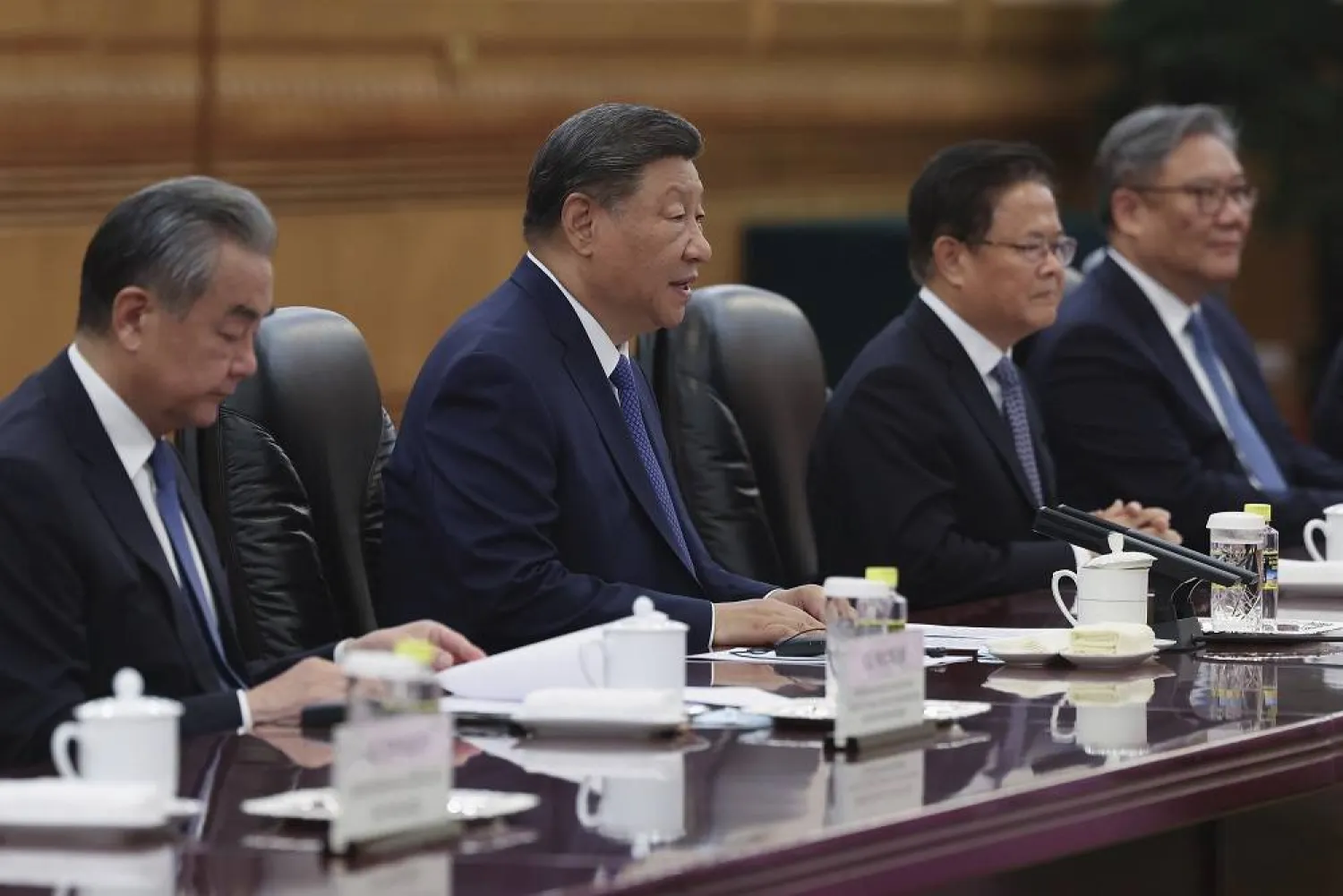
Chinese President Xi Jinping speaks at the beginning of a bilateral meeting with Portuguese Prime Minister Luis Montenegro at the Great Hall of the People Tuesday, Sept. 9, 2025 in Beijing, China. (Lintao Zhang/Pool Photo via AP)
TT

China's Xi Urges ‘Orderly Exit’ of Outdated Production Capacity 

Chinese President Xi Jinping speaks at the beginning of a bilateral meeting with Portuguese Prime Minister Luis Montenegro at the Great Hall of the People Tuesday, Sept. 9, 2025 in Beijing, China. (Lintao Zhang/Pool Photo via AP)

Chinese President Xi Jinping has called for the "orderly exit" of outdated production capacity and the curbing of "disorderly" price competition, state-run news agency Xinhua reported on Monday, citing an article written by Xi.

China's leaders have pledged to put an end to aggressive price cuts by some Chinese companies, which regulators say are spurring excessive competition that is damaging the economy.

"This is a severely affected area of 'involution' and must be effectively managed in accordance with laws and regulations," Xinhua quoted Xi as saying in the article to be published by Qiushi Journal, a flagship party magazine.

Xi said industry associations should play a greater role in self-regulation, guiding companies to improve product quality and facilitating the orderly exit of outdated production capacity.

The article also called for rectifying wrongdoing in government procurement and bidding processes, and addressing "chaotic" practices by local authorities in attracting business and investment, Xinhua reported.

Xi urged tighter rules on what local governments can and cannot do when promoting economic development, particularly in investment attraction, and reaffirmed China's goal of building a unified national market.


Oil Rises After Attacks on Ships in Hormuz, Bab el-Mandeb

A drone view of drilling rigs in Midland, Texas, US, June 11, 2025. (Reuters)
TT

Oil Rises After Attacks on Ships in Hormuz, Bab el-Mandeb

A drone view of drilling rigs in Midland, Texas, US, June 11, 2025. (Reuters)

Oil prices rose on Wednesday after attacks on two ships reinforced worries about disruptions to Middle East supplies, while industry data showing swelling inventories of US crude might keep bulls in check.

Brent futures were up 90 cents, or 1%, at $89.81 a barrel by 0757 GMT, set for their sixth day of gains. US West Texas Intermediate (WTI) crude climbed 88 cents, ‌or 1.1%, to $84.08, ‌up for a fifth day. Both contracts earlier ‌rose ⁠more than $1.

The United States ⁠and Yemen's Iran-aligned Houthis reported separate attacks on shipping in the Strait of Hormuz and the Bab el-Mandeb Strait on Tuesday, two crucial export valves for Middle Eastern oil and gas in addition to the Suez Canal.

Iran's top security official said Hormuz would stay closed unless the US accepted Iran's conditions to end the war, including release of its frozen ⁠assets.

Shipping data showed the number of vessels transiting ‌Hormuz fell to a one-week low of ‌eight on Tuesday. Before the war, 125 to 140 vessels passed through the ‌crucial waterway each day.

In Libya, the country's National Oil Corporation ‌said all fires at fuel storage tanks in the Zawiya oil complex were under control.

On the supply front, a Reuters poll showed that US crude oil and fuel inventories were expected to have fallen last week.

However, market sources citing ‌American Petroleum Institute data said US crude inventories rose sharply, while gasoline and distillate stocks fell.

Crude stocks rose ⁠by about 9.1 ⁠million barrels, while gasoline and distillate inventories fell by 1.5 million barrels and 596,000 barrels, respectively, from the previous week, the sources said.

The crude build far exceeded expectations and, if confirmed by the Energy Information Administration report later on Wednesday, could ease market concerns about supply tightness, Haitong Futures said in a note.

Official numbers from the EIA, the statistical arm of the US Department of Energy, are due at 10:30 a.m. ET (1430 GMT).

For longer-term supply, the EIA expected significant disruptions to Middle East crude supplies to persist through the end of 2027. The EIA said it expects 2026 Brent crude oil prices to average $86.81 a barrel, and WTI to average $80.88.


US Consumer Prices Likely Increased Moderately in July as Gasoline Prices Eased

A woman shops for food items from a wholesale retailer in Alhambra, California on August 11, 2026. (AFP)
TT

US Consumer Prices Likely Increased Moderately in July as Gasoline Prices Eased

A woman shops for food items from a wholesale retailer in Alhambra, California on August 11, 2026. (AFP)

US consumer prices likely increased moderately in July, which could further reduce financial market expectations for the Federal Reserve to raise interest rates this year.

The Labor Department's Consumer Price Index report on Wednesday would follow on the heels of news last week of surprise job losses last month.

Economists said the United States' position as a net oil exporter and the drawing down of petroleum inventories had cushioned the hit on the economy from the oil price shock sparked by the Middle East conflict.

Still, they viewed inflation risks as tilted to the upside, with no resolution to the US-Israeli war with Iran. President Donald Trump accused Iran of being "devious negotiators" in an interview released late on Monday and described some of his current options in the war — "just bop along" and let Tehran fail economically or hit them "really, really hard."

"I don't ‌expect any significant ‌firework when the numbers come out," said Sung Won Sohn, a finance and economics ‌professor at ⁠Loyola Marymount University. "I ⁠don't really see the Fed either raising or lowering interest rates, unless things turn out badly for both unemployment and the CPI."

The CPI likely rebounded 0.1% last month, a Reuters survey of economists predicted, after falling 0.4% in June - the first decline in six years. In the 12 months through July, the CPI was forecast to have increased 3.4% after advancing 3.5% in June.

The anticipated small monthly increase in the CPI would reflect a further decline in gasoline prices, which averaged $4.064 a gallon in July compared to $4.184 in June, according to data from the Energy Information Administration. Gasoline ⁠prices have dropped from an average of $4.609 a gallon in May.

Food prices likely ‌increased marginally, in line with their recent trend. Goods prices, including ‌household furniture and apparel amid the fading pass-through from tariffs, will likely account for the moderate rise in the CPI.

INFLATION STILL ‌RUNNING ABOVE TARGET

Outside the volatile energy and food components, the CPI was forecast to rise 0.2% last month ‌after being unchanged in June. That would translate to a year-on-year increase of 2.5% in the so-called core CPI inflation.

The US central bank tracks the Personal Consumption Expenditures price indexes for its 2% inflation target. While cooler inflation readings could further temper rate hike expectations, they would likely be of little comfort to consumers, with wages not keeping up with prices.

"It's an improvement, but ‌both of those numbers are still extremely high and unpleasant for consumers," said Tani Fukui, an economist at MetLife Investment Management.

The high cost of living has ⁠soured many Americans' views ⁠of Trump, and could weigh on the Republican party's chances in the November midterm elections that will determine control of the US Congress for the next two years.

Trump won the 2024 presidential election in large part because of his promise to lower inflation.

Core inflation was seen lifted by rebounds in the prices of used cars and trucks as well as education and communication goods. Increases were also expected in airfares.

A mild pick-up in rents was anticipated, but economists were divided on whether prices for hotel and motel rooms would continue their decline.

Still, benign core CPI inflation readings were unlikely to be replicated in the core PCE price measure, which left some economists to continue to expect the Fed to tighten monetary policy in September.

Prior to the data, economists forecast core PCE inflation rising 0.2% over the month after gaining 0.1% in June. That would translate to a year-on-year increase of 3.3%, which would match June's rise. Components in the core basket have different weights in the core CPI basket.

"A report in line with our expectations would strengthen the case for the Fed hiking in September," said Stephen Juneau, a U.S. economist at Bank of America Securities.


Riyadh Presses ahead with Housing Market Stabilization Through Real Estate Balance Measures

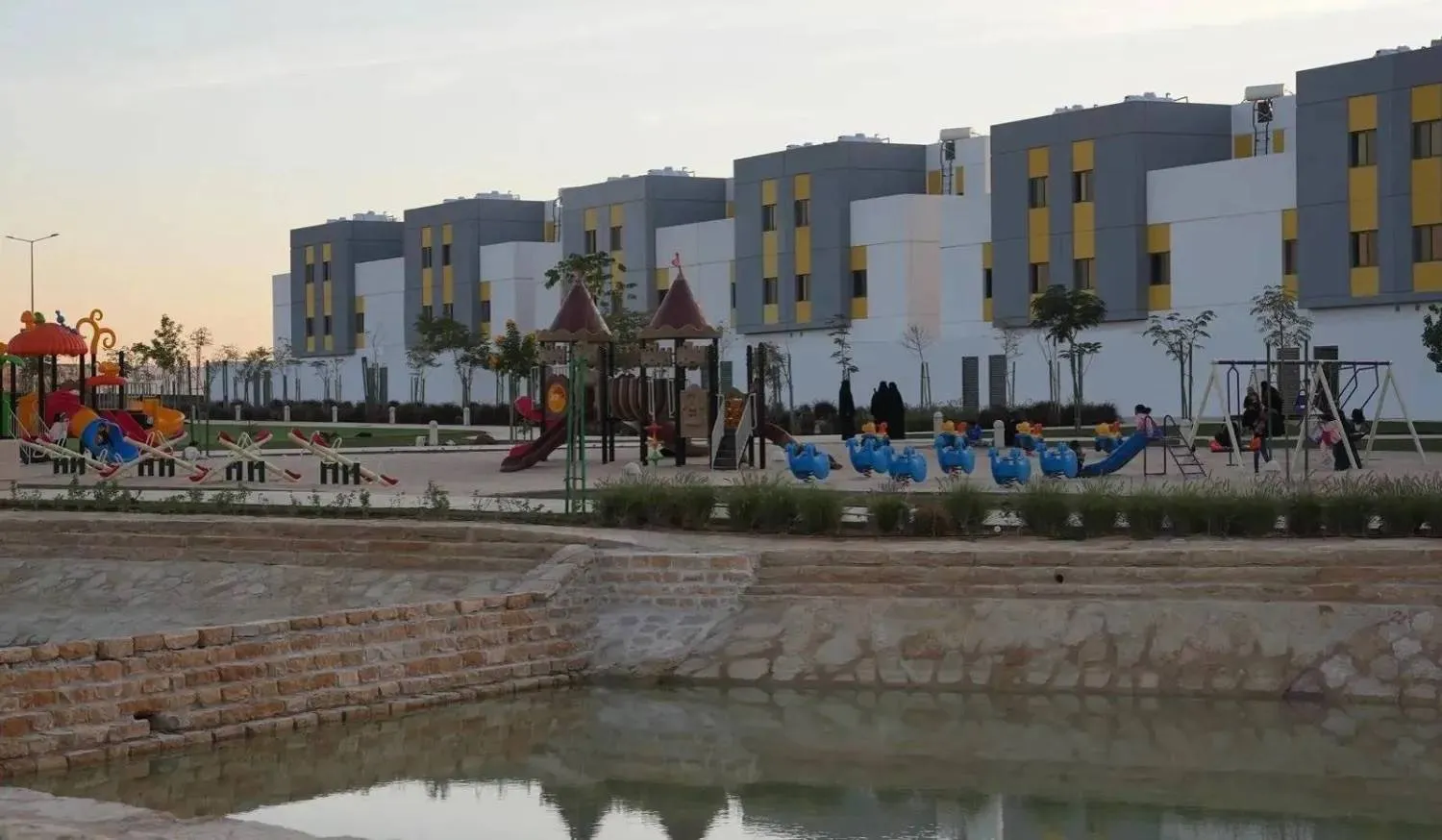
Residential units in Riyadh developed by Saudi Arabia’s Ministry of Municipalities and Housing. (SPA)
TT

Riyadh Presses ahead with Housing Market Stabilization Through Real Estate Balance Measures

Residential units in Riyadh developed by Saudi Arabia’s Ministry of Municipalities and Housing. (SPA)

Riyadh’s housing market is entering a new phase with the opening of applications for the second year of the Real Estate Balance Program, reflecting the Saudi capital’s drive to address housing market challenges by increasing residential supply while implementing regulatory and financing policies aimed at expanding homeownership.

The Royal Commission for Riyadh City (RCRC) announced Monday that applications will be accepted from August 16 through September 15 through the program’s online platform.

Housing costs

The program continues as Riyadh undergoes rapid population, economic and urban expansion, driven by major projects and accelerating investment, increasing the need for balanced growth in real estate supply to meet rising demand.

Real estate experts told Asharq Al-Awsat that by offering planned and developed residential plots at fixed prices, Riyadh is seeking to reduce one of the main components of housing costs and provide citizens with a more sustainable path to building their own homes.

The move could gradually ease price pressures stemming from limited land availability.

Financing and construction

Khalid Al-Jasir, a real estate specialist and President of Amaken International Group, said the program’s impact extends beyond the land market to financing, construction, building materials and housing-related services, supporting economic activity and deepening the investment cycle in the Saudi capital.

He told Asharq Al-Awsat that the program’s strength lies not only in providing land at set prices, but in addressing the root of the problem by increasing supply.

As more residential land becomes available in an organized manner, citizens gain more options and scarcity has less power to drive prices higher, he remarked.

“The program’s real success will become apparent over the medium term, when the allocated plots are turned into actual homes, rather than simply owned as land,” Al-Jasir stated. “The next phase should focus on facilitating construction and financing so the link between land and housing is completed.”

More balanced market

Real estate specialist and developer Ahmed Omar Basodan told Ahsarq Al-Awsat that extending the program into a second year sends an important message that tackling high housing costs requires a sustained approach rather than a temporary decision.

Riyadh is growing rapidly, meaning supply must continually keep pace with population and economic expansion, he stressed. The program’s most important impact, however, may extend beyond land prices to changing market behavior itself.

“When investors and developers realize that residential supply will continue to increase, it becomes harder to keep betting on land scarcity as a permanent driver of higher prices,” he explained. “Success will lie in creating a more balanced market that benefits citizens, developers and the economy at the same time.”

Narrowing the supply-demand gap

The second year is part of the program’s annual framework to increase the supply of planned residential land.

The RCRC aims to provide between 10,000 and 40,000 plots annually at prices not exceeding SAR1,500 per square meter, helping narrow the gap between supply and demand and support stability in Riyadh’s real estate market.

Applications are open to married Saudi citizens or those over 25, provided they have not previously owned property, have lived in Riyadh for at least three years and meet the remaining eligibility requirements.

The RCRC said eligibility is not determined by the order in which applications are submitted and that registration does not guarantee final acceptance. Applicants from the first year who were found eligible and entered the electronic lottery will automatically be included in the approved process for the second year.

All applications will undergo electronic verification. After the application period closes, the program will move through eligibility checks, announcement of results, appeals, an electronic lottery for eligible applicants and completion of off-plan sale procedures in accordance with regulations.

First results

Last year, the RCRC announced the results of the first electronic lottery for residential land purchases after completing eligibility checks and reviewing appeals.

The draw was overseen by an independent committee comprising representatives from the RCRC, Ministry of Justice, Real Estate General Authority, Riyadh Municipality and Saudi Data and AI Authority (SDAIA). Advanced technical systems were used to ensure fairness and equal opportunity among eligible applicants.

According to the RCRC, the result allocated residential plots totaling 6.3 million square meters, including sites within Riyadh’s existing urban fabric and others at locations still being designed. The plots are spread across Al-Qirawan, Al-Malqa, Al-Nakheel, Al-Narjis, Namar, Al-Rimayah, Al-Rimal and Al-Janadriyah, with each plot measuring 300 square meters.