OPEC: IEA Report Underscores Need for Oil Investments https://english.aawsat.com/business/5187093-opec-iea-report-underscores-need-oil-investments%C2%A0%C2%A0
OPEC: IEA Report Underscores Need for Oil Investments
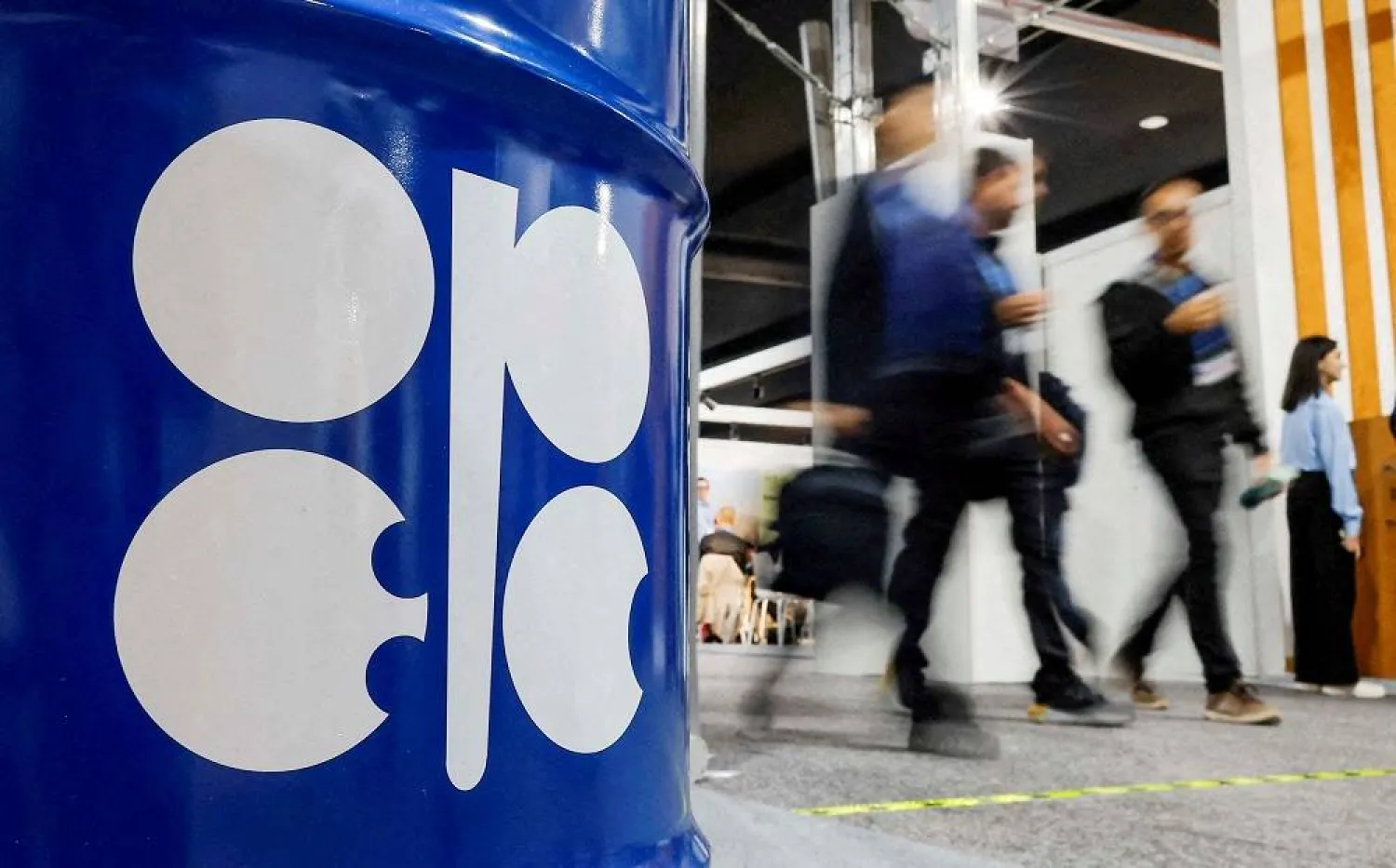
People walk past an installation depicting barrel of oil with the logo of Organization of the Petroleum Exporting Countries (OPEC) during the COP29 United Nations climate change conference in Baku, Azerbaijan November 19, 2024. (Reuters)
OPEC: IEA Report Underscores Need for Oil Investments
People walk past an installation depicting barrel of oil with the logo of Organization of the Petroleum Exporting Countries (OPEC) during the COP29 United Nations climate change conference in Baku, Azerbaijan November 19, 2024. (Reuters)
The Organization of the Petroleum Exporting Countries (OPEC) said its repeated calls for greater investment in the oil sector have been vindicated, responding to a new report by the International Energy Agency (IEA).
The IEA released a study on Tuesday, titled “Implications of Declining Production Rates in Oil and Gas Fields”, that warned that in order to maintain current output levels, the world will need more than 45 million barrels of oil per day and around 2 trillion cubic meters of natural gas from new conventional fields by 2050.
In its statement, OPEC noted that the report highlighted the factors that have shaped investment trends in the oil sector. The group said market developments clearly impact oil and gas activity, pointing to the US shale boom.
According to OPEC, sharp drops in crude prices in 2014, 2015, and 2020, along with long-term uncertainty about demand, discouraged spending on large, long-term conventional hydrocarbon projects.
OPEC stressed that the IEA report did not acknowledge the agency’s own role in discouraging investments. It pointed in particular to the IEA’s earlier promotion of a net zero emissions scenario and its forecasts of peak oil demand, which OPEC argued amplified uncertainty about the sector’s future.
Back in May 2021, IEA Executive Director Fatih Birol told The Guardian that governments serious about tackling climate change should halt all new investments in oil, gas, and coal.
At the launch of the agency’s latest report, Birol struck a different tone, warning that a lack of investment could remove from the global market an amount of oil equivalent to the combined output of Brazil and Norway every year. He added that the industry will need to run much faster just to stand still.
OPEC contrasted this shift in stance with its own position, stressing that it has consistently called for timely investment in oil to offset natural decline rates and meet future demand.
The group urged stakeholders to take a consistent approach to this reality and avoid returning to rhetoric that discourages new oil projects.
Saudi Arabia Links Recruitment to Digital Systems to Strengthen Compliance and Wage Protectionhttps://english.aawsat.com/business/5267044-saudi-arabia-links-recruitment-digital-systems-strengthen-compliance-and-wage
Saudi Arabia Links Recruitment to Digital Systems to Strengthen Compliance and Wage Protection
Participants at the Global Labor Market Conference in Riyadh (SPA)
Saudi Arabia’s labor market is undergoing rapid transformation driven by reforms under Vision 2030, aimed at strengthening compliance, protecting wages, and improving the efficiency of the business environment. These efforts run in parallel with expanding the integration of recruitment into digital systems, advancing international partnerships to regulate labor mobility, and supporting workforce diversification, thereby reinforcing institutional trust and international cooperation in labor market governance.
In this context, Dr. Tariq Al-Hamad, Deputy Minister for International Affairs at the Ministry of Human Resources and Social Development, told Asharq Al-Awsat that labor market reforms in the Kingdom have delivered tangible progress in modernizing regulations, enhancing worker protection, and creating a more dynamic and inclusive work environment. He noted that these transformations are no longer confined to the domestic level, but have expanded to include a more structured international dimension through bilateral agreements, including those signed with Nepal and Nigeria, which serve as governance tools to regulate labor mobility and strengthen worker protection.
Labor market shifts
Al-Hamad said the reforms have achieved measurable progress in updating regulatory frameworks, enhancing worker protection, and improving operational efficiency, with clear gains in participation, compliance, and productivity. He added that updates to labor mobility regulations since 2021 have enabled greater flexibility for workers to move between employers within regulatory frameworks aligned with international best practices. This shift was reinforced by the Contractual Relationship Improvement Initiative launched in March 2021, which marked a pivotal transformation in regulating job mobility.
At the institutional level, more than 11 million employment contracts have been documented via the Qiwa Platform, enhancing transparency and raising compliance levels in the private sector. He added that the implementation of a wage protection system has introduced preventive safeguards and strengthened trust between parties to employment contracts.
Strengthening worker protection
Alongside these changes, the worker protection framework has seen notable progress. Al-Hamad stated that more than 90 percent of private-sector establishments are compliant with the Wage Protection Program, ensuring accurate and timely salary payments.
He added that labor dispute resolution procedures have become faster, more efficient, and more transparent. The reforms have also driven greater inclusivity, with female labor force participation more than doubling between 2018 and 2024, one of the fastest growth rates globally. Meanwhile, around 2.48 million Saudis have joined private-sector jobs since 2020.
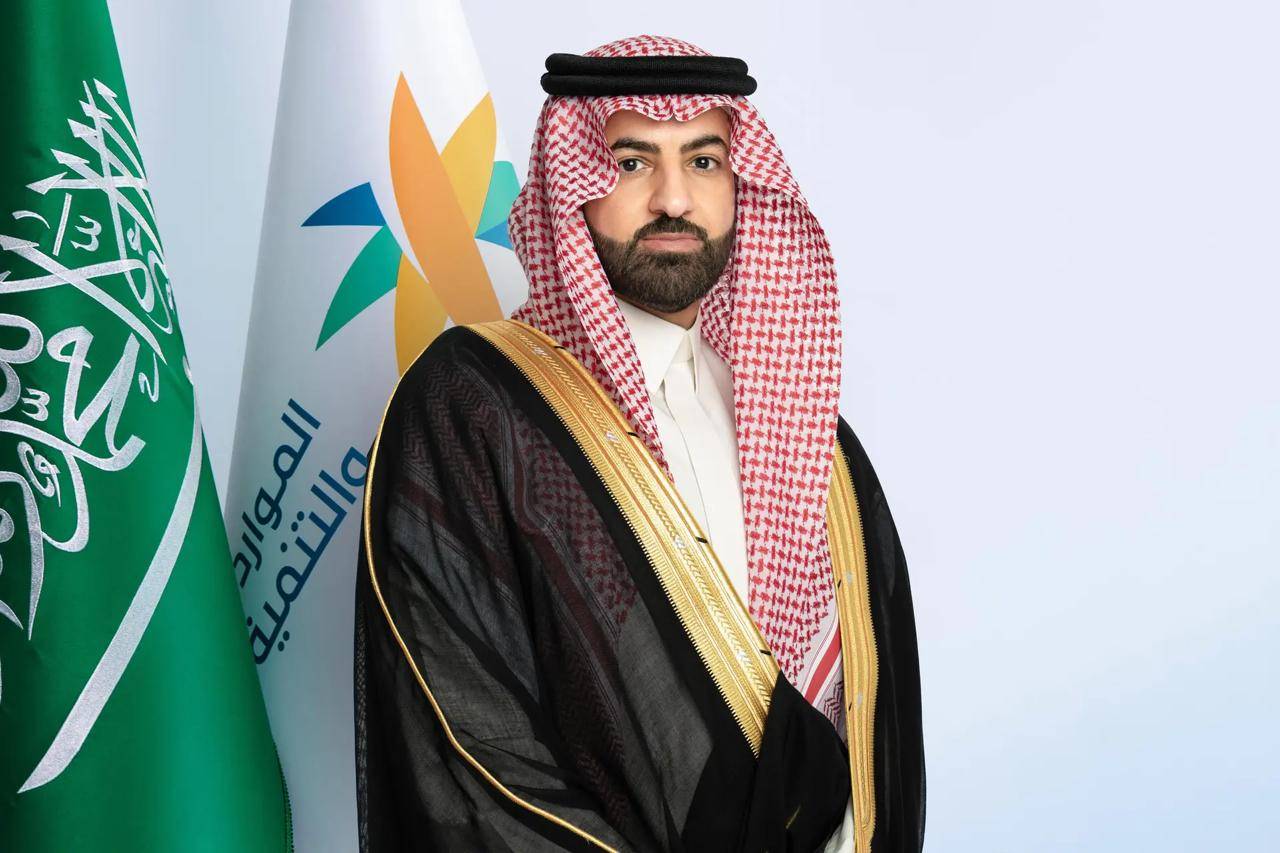
Deputy Minister for International Affairs at the Ministry of Human Resources and Social Development, Dr. Tariq Al-Hamad (Asharq Al-Awsat)
International cooperation
As reforms accelerate, they are no longer confined to the domestic level, increasing the need for a structured international framework to sustain them. Al-Hamad emphasized that organized international labor cooperation is a strategic priority, as it strengthens the Kingdom’s position as a partner committed to ethical recruitment, regulatory modernization, and shared responsibility. It also reinforces institutional trust and diplomatic cooperation in labor markets.
He explained that these agreements align cross-border labor mobility with modern regulatory standards, transparency requirements, and digital compliance systems. The expansion of such agreements, including those with Bangladesh, Nepal, and Nigeria, reflects a shift from traditional recruitment models toward long-term institutional partnerships between governments, providing more stable labor mobility channels and strengthening trust.
Governance enhancement
Reflecting this direction, Al-Hamad said agreements with Nepal and Nigeria regulate the full worker lifecycle, from recruitment licensing and contract documentation to wage transparency and dispute coordination and resolution mechanisms. He added that they enhance oversight of recruitment agencies, clarify contractual obligations, and establish institutional cooperation between governments to monitor compliance and resolve complaints efficiently.
He also noted that linking these agreements to digital infrastructure, such as the Qiwa platform and the Wage Protection Program, ensures that commitments are translated into enforceable mechanisms supported by real-time monitoring. This is complemented by joint oversight frameworks and regular information exchange, strengthening continuous supervision and accelerating the handling of labor cases.
Aligning skills with economic needs
As part of improving market efficiency, Al-Hamad stressed that aligning labor mobility with sectoral economic needs is a core pillar of the labor market strategy. Recent agreements are increasingly based on specific sector needs, ensuring recruitment is driven by actual demand rather than volume, particularly in sectors such as construction, tourism, logistics, healthcare, and advanced services.
He explained that the ministry relies on digital data through the Qiwa platform to continuously analyze market needs and identify skills gaps, allowing recruitment to be directed in line with economic requirements. Coordination with partner countries prior to worker arrival also helps verify skills, improve workforce readiness, and reduce skills gaps from the outset of employment.
He added that workforce planning is increasingly integrated with major national projects to ensure expatriate labor complements, rather than replaces, localization efforts. This is supported by programs such as Nitaqat, which incentivize the hiring of national talent across sectors.
International recognition of reforms
At the global level, these reforms have received growing recognition. Al-Hamad noted that the International Monetary Fund has pointed to tangible outcomes, including declining unemployment among Saudis, increased female participation in the labor market, and growth in private-sector employment.
He added that the “A Decade of Progress” report, developed in cooperation with the World Bank, highlighted structural transformations in the labor market.
The International Labour Organization has also commended the Kingdom’s role in developing labor policies and engaging in global dialogue, reflecting its growing status as a model in labor market reform, inclusivity, and economic flexibility.
Future priorities
Al-Hamad concluded that the next phase will focus on deepening international cooperation at both bilateral and multilateral levels by expanding labor agreements with new countries and strengthening partnerships with international organizations such as the International Labour Organization and the World Bank. These efforts aim to support knowledge transfer and policy development.
He added that the ministry is working to enhance collaboration with the private sector, academic institutions, and international stakeholders to keep pace with labor market transformations, with the goal of consolidating the Kingdom’s position as a trusted global partner in labor market development and delivering sustainable outcomes.
Gold Steady as Investors Await Clarity on US-Iran Talkshttps://english.aawsat.com/business/5266994-gold-steady-investors-await-clarity-us-iran-talks
Gold Steady as Investors Await Clarity on US-Iran Talks
Gold bracelets and necklaces displayed for sale in a gold shop at the Grand Bazaar in Istanbul (AFP)
Gold prices held largely steady, as investors stayed on the sidelines awaiting clarity on the stalled peace talks between the United States and Iran.
Spot gold was steady at $4,709.50 per ounce, as of 0553 GMT. Last week, the metal fell 2.5% to snap a four-week winning streak.
US gold futures for June delivery fell 0.3% to $4,725.10.
"We're just sort of watching now whether there's progress in the (US-Iran) talks at all in the coming days and that's going to be the biggest driver for gold," said Kyle Rodda, a senior financial market analyst at Capital.com.
Lending support to bullion, the dollar eased after a report said that Iran through Pakistani mediators gave the US a new proposal on reopening the Strait of Hormuz and ending the war, Reuters reported.
US President Donald Trump said on Sunday that Iran could telephone if it wants to negotiate an end to their two-month war and stressed it can never have a nuclear weapon.
Trump cancelled a trip by two US envoys to Iran war mediator Pakistan on Saturday, dealing a setback to peace prospects.
Oil prices rose as the stalled talks prolonged the disruption of Middle East energy exports.
Higher crude oil prices can stoke inflation by raising transportation and production costs, increasing the likelihood of higher interest rates.
While gold is considered an inflation hedge, high interest rates make yield-bearing assets more attractive, weighing on its appeal.
Investors now await the US Federal Reserve's interest rate decision on Wednesday.
"It could either be a support to gold or an increased headwind, depending on if the Fed sort of indicates whether it sees itself potentially keeping policy unchanged for the rest of the year because of the inflationary impacts of the energy crisis," said Rodda.
Spot silver fell 0.1% to $76.61 per ounce, platinum gained 0.2% to $2,015.63, and palladium was down 0.6% at $1,487.73.
Türkiye Unveils Steep Tax Cuts to Boost Competitiveness, Investmenthttps://english.aawsat.com/business/5266967-t%C3%BCrkiye-unveils-steep-tax-cuts-boost-competitiveness-investment
Commuters arrive to take a ride across the Bosphorus at Karakoy ferry terminal in Istanbul, Türkiye, Thursday, April 23, 2026. (AP)
TT
TT
Türkiye Unveils Steep Tax Cuts to Boost Competitiveness, Investment
Commuters arrive to take a ride across the Bosphorus at Karakoy ferry terminal in Istanbul, Türkiye, Thursday, April 23, 2026. (AP)
Türkiye unveiled details on Monday of a broad package of incentives aimed to boost competitiveness and attract investment, and also position its biggest city Istanbul as a leading financial gateway across the region.
At a press conference, Finance Minister Mehmet Simsek said Türkiye was extending a tax exemption on services exports to 100% to target high-value sectors like software, gaming, medical tourism.
At the same time, it is reducing manufacturing exporters' corporate tax rate to 9% to boost competitiveness and attract foreign direction investment (FDI), he said.
The tax reductions are long-term and "here to stay," he told reporters, days after President Recep Tayyip Erdogan first floated the comprehensive legislative package including the tax plans.
The package aims to bolster an economy that officials hope is emerging from a years-long inflationary crisis that cut deeply into individuals' and companies' savings and earnings, prompting many Turks to seek stability abroad. Inflation was above 30% last month.
Some of the incentives, including zero corporate income tax on transit trade, are focused on the companies located in the Istanbul Financial Center (IFC), a new state-backed clutch of glassy towers on the city's Asian side.
The rate is 95% for those located outside the IFC, Simsek said, noting it was set at 50% in years past.
The package aims to "export more goods and services, attract more talent, entrepreneurs, capital, a new home that's more encouraging local citizens to use Türkiye as a center of their activities and ... placing IFC as one of the key regional hubs," he said.
لم تشترك بعد
انشئ حساباً خاصاً بك لتحصل على أخبار مخصصة لك ولتتمتع بخاصية حفظ المقالات وتتلقى نشراتنا البريدية المتنوعة