


Strings of Identity: Kashmir's Fading Music Endures

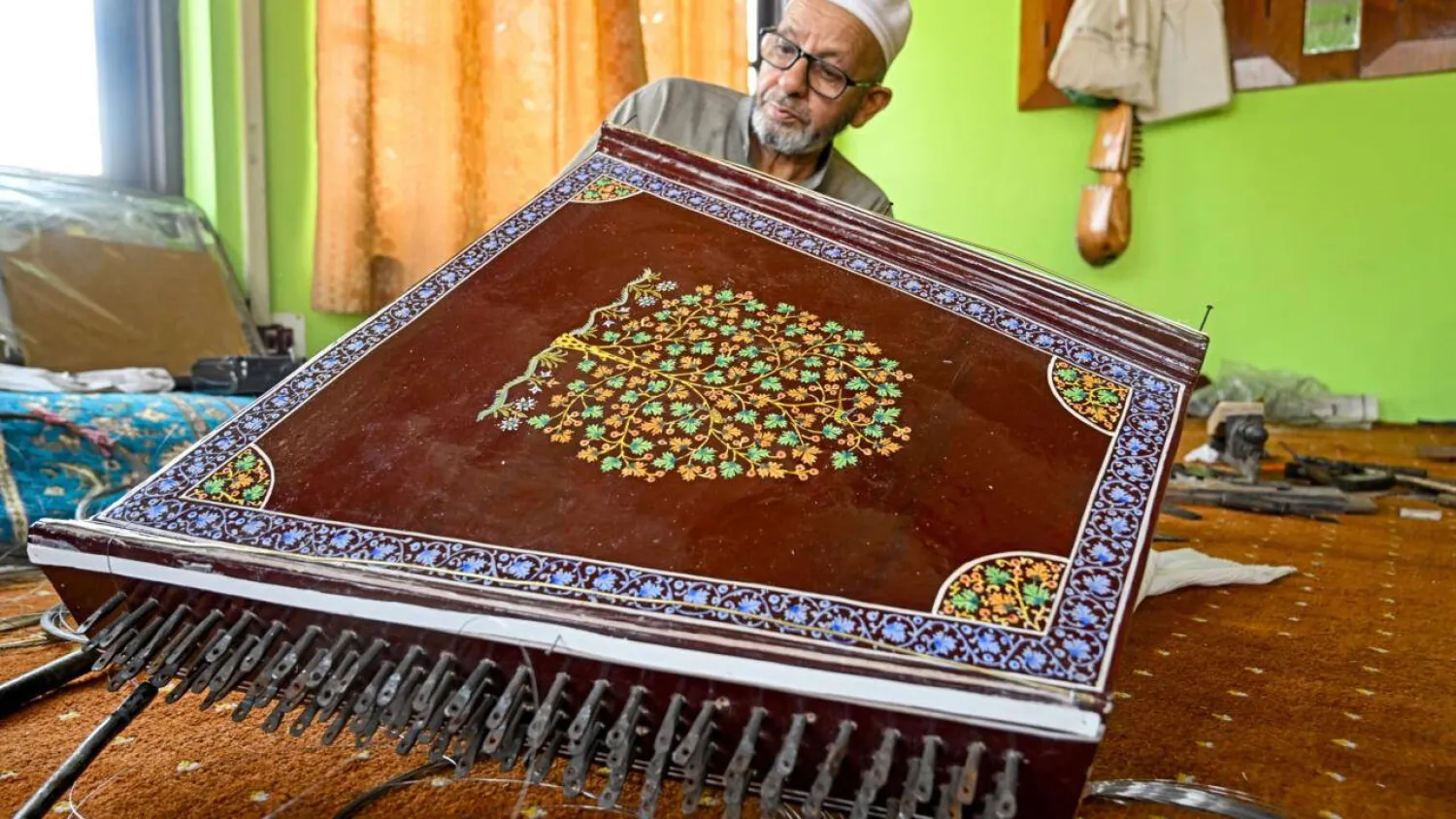
Generations of artisans in Indian-administered Kashmir have been making musical instruments such as the santoor, a zither-like, hundred-stringed instrument. Tauseef MUSTAFA / AFP
TT

Strings of Identity: Kashmir's Fading Music Endures

Generations of artisans in Indian-administered Kashmir have been making musical instruments such as the santoor, a zither-like, hundred-stringed instrument. Tauseef MUSTAFA / AFP

In a modest workshop filled with the fragrance of seasoned wood, 78-year-old Ghulam Mohammad Zaz continues a craft his family has preserved for eight generations -- the making of the Kashmiri santoor.

Surrounded by tools that have outlived artisans, he works slowly, each strike and polish echoing centuries of tradition crafting the musical instrument, AFP reported.

"Seven generations have worked and I am the eighth; I have no guarantee anyone after me will do this work," Zaz said softly, speaking in Kashmiri.

Once, several of his family members shared this craft in the heart of Kashmir's main city Srinagar, in the Indian-administered part of the Himalayan territory.

Today, he is the last in the city to make the instruments by hand.

"If I tell anyone to make something, they won't know what to do or how to make it," said Zaz, who produces around eight to 10 instruments every year, selling for around 50,000 rupees ($565) each.

"It is not as simple as just picking some wood -- one needs to find the right kind of wood."

The santoor, a hundred-stringed zither-like instrument played with hammers, has long been central to Kashmir's musical identity, giving the Muslim-majority region its cultural distinctiveness.

The contested Himalayan territory has been divided between India and Pakistan since independence from Britain in 1947.

Militants have fought Indian rule, demanding independence or a merger with Pakistan.

Tensions remain high between New Delhi and Islamabad.

In May, clashes between the nuclear-armed rivals sparked the worst fighting since 1999, killing more than 70 people in missile, drone and artillery exchanges.

Mystical music

Historically, the santoor formed the backbone of "sufiana musiqi", Kashmir's mystical music tradition, with its hypnotic and reverberating sound bringing tranquility.

"Musicians used to come from Iran to Kashmir, they used to play santoor and other instruments," said Muzaffar Bhat, a music professor at a government college in Anantnag.

"They used to sing in Persian... we adapted the santoor from them and assimilated it into our music."

The instrument received a new life in the 20th century.

In the 1950s, celebrated Indian musician Shivkumar Sharma -- born in Jammu and Kashmir in 1938 -- used the santoor to play classical music.

"Due to that, this became popularized in the classical circles throughout India," Bhat said.

Suddenly, the santoor was no longer confined to Kashmiri sufiana gatherings -— it had become a celebrated voice in Indian classical music.

Yet tradition faced challenges as Western instruments and global music trends began to overshadow local sounds.

"A lot of our traditional Kashmiri instruments became sidelined," said Bhat.

For craftsmen like Zaz, this meant fewer patrons, fewer students, and the slow decline of a centuries-old family profession.

Zaz sells his instruments in Kashmir, but also receives orders from Europe and the Middle East.

But there is hope. A revival, however modest, is taking root.

"Since the last few years, a new trend has started," Bhat said. "Our youngsters have started to learn our traditional instruments."



Saudi Culture Ministry Concludes Intangible Cultural Heritage Documentation Project in Al-Ahsa

Saudi Culture Ministry Concludes Intangible Cultural Heritage Documentation Project in Al-Ahsa
TT

Saudi Culture Ministry Concludes Intangible Cultural Heritage Documentation Project in Al-Ahsa

Saudi Culture Ministry Concludes Intangible Cultural Heritage Documentation Project in Al-Ahsa

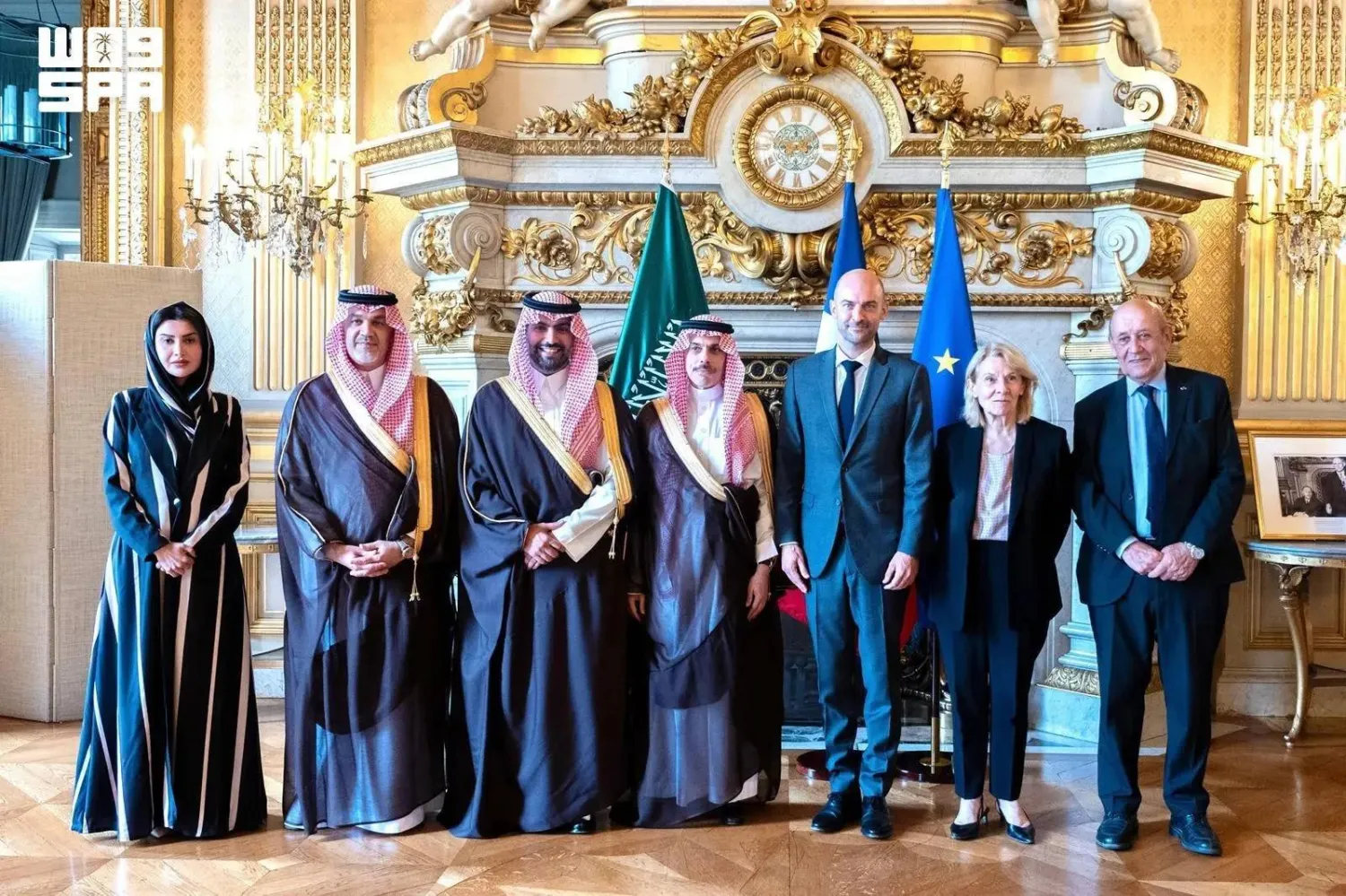
The Saudi Ministry of Culture concluded the project to survey, document, and archive intangible cultural heritage in Al-Ahsa Governorate by holding a workshop in the governorate, attended by stakeholders and relevant entities, as part of the ministry’s efforts to preserve national cultural heritage and strengthen Saudi cultural identity, reported the Saudi Press Agency on Thursday.

The project included a field survey covering various cities and villages across Al-Ahsa, during which diverse elements of intangible cultural heritage were identified and documented. These included oral traditions, performing arts, skills associated with traditional cultural crafts, social practices, and knowledge related to nature and the local environment.

The work was carried out in cooperation with concerned entities, specialized experts, and local practitioners.

The workshop reviewed the project’s final outcomes and presented reports on documentation and digital archiving activities.

It discussed mechanisms to ensure the sustainability of these efforts and the transmission of this cultural legacy to future generations, contributing to greater community awareness of the value and importance of intangible cultural heritage.


Hail Region Pavilion Showcases Heritage Artifacts at Camel Festival

The pavilion aims to connect visitors to Hail's history and social legacy - SPA
TT

Hail Region Pavilion Showcases Heritage Artifacts at Camel Festival

The pavilion aims to connect visitors to Hail's history and social legacy - SPA

Hail Region pavilion at the Ministry of Interior’s Security Oasis exhibition, part of the 10th King Abdulaziz Camel Festival in Al-Sayahid, features heritage artifacts that reflect the region's renowned hospitality.

The display includes ancient trays and copperware from nearly seventy years ago.

According to SPA, these traditional food preparation and serving vessels have garnered significant interest from visitors. They document daily life in old Hail and its deep-rooted social traditions, particularly in gatherings and special occasions.

The pavilion aims to connect visitors to Hail's history and social legacy, fostering appreciation for national heritage and ensuring cultural preservation for future generations.


Visitors Explore Saudi ID History at King Abdulaziz Camel Festival

The agency is presenting examples of national ID cards and how these documents have evolved - SPA
TT

Visitors Explore Saudi ID History at King Abdulaziz Camel Festival

The agency is presenting examples of national ID cards and how these documents have evolved - SPA

The Civil Affairs Agency is displaying historical documents, including the earliest official identification papers issued to citizens, at the 10th King Abdulaziz Camel Festival in Al-Sayahid, north of Riyadh.

As part of the Ministry of Interior’s Security Oasis exhibition, the agency is presenting examples of national ID cards and other official documents, highlighting how these documents have evolved, SPA reported.

Visitors can also see how old or damaged documents are carefully restored and repaired using advanced technologies and specialized equipment.