



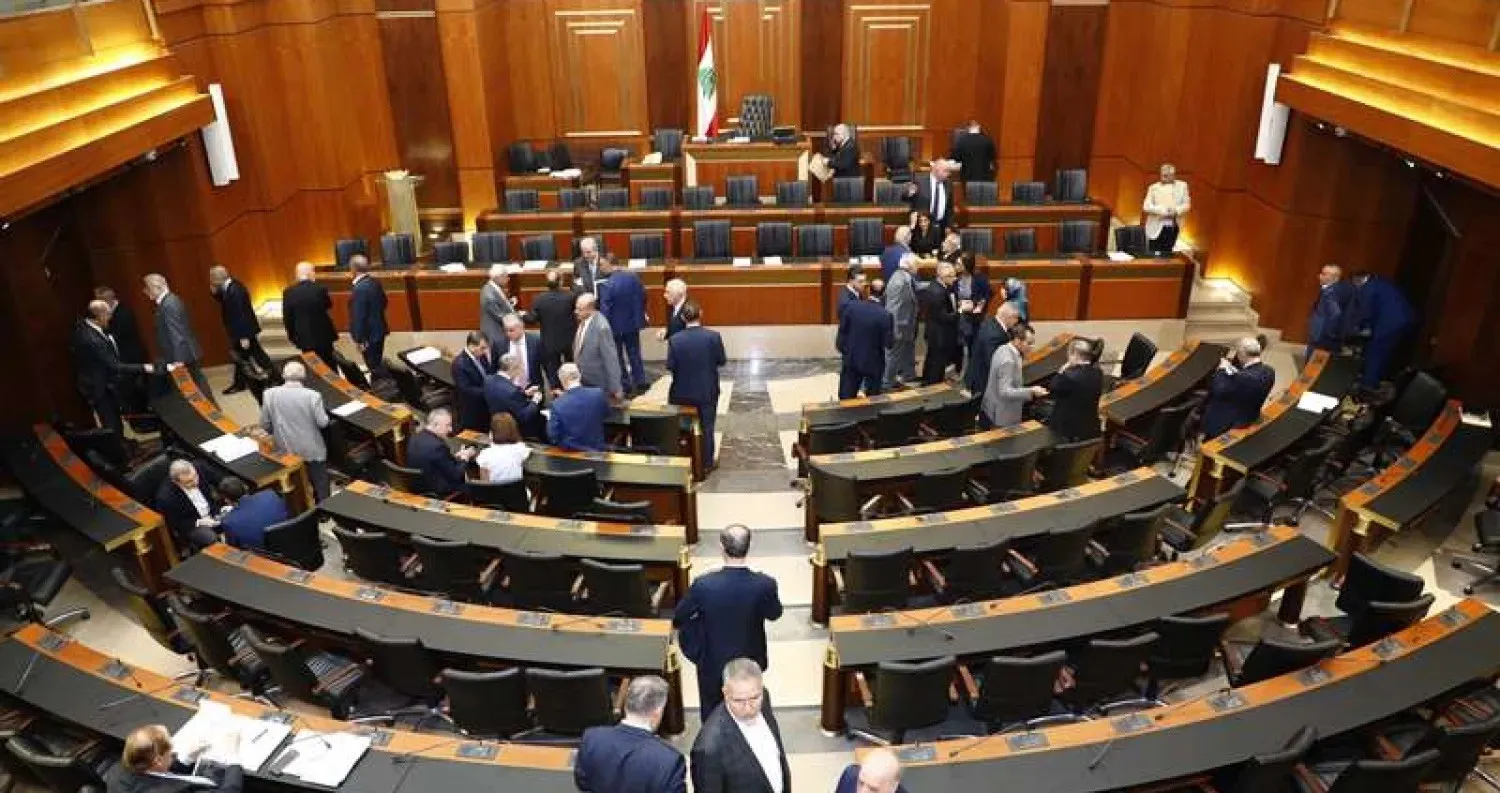

Lebanon’s parliament failed on Tuesday to approve long-delayed reform bills after a majority of lawmakers boycotted the session in protest at proposed amendments to the country’s electoral law.
The deadlock has suspended legislative work and raised fears of a deeper political crisis, which, according to Deputy Speaker Elias Bou Saab, will require “a major political solution.”
At the heart of the dispute is a provision allocating six new parliamentary seats for Lebanese expatriates. Several political blocs, led by the Lebanese Forces, demand that overseas voters be allowed to cast ballots for all 128 members of parliament according to their constituencies, rather than only for six representatives.
Speaker Nabih Berri rejected a fast-track proposal to amend the law, prompting most lawmakers to walk out. On Tuesday, only 48 MPs entered the chamber, leaving the session without a quorum. Berri later adjourned the meeting without setting a new date.
The standoff has heightened concerns that the legislative impasse could delay parliamentary elections scheduled for May 2026. Attempting to ease those fears, the interior and foreign ministries issued a joint statement confirming that voter registration for Lebanese abroad will open on October 2, 2025, and run until November 20.
Parliamentary sources told Asharq Al-Awsat that the boycott has effectively frozen all bills on the agenda, paralyzing legislative activity.
Sources close to the Shiite duo (Hezbollah and Amal Movement) warned the deadlock could undermine commitments to pass key reforms demanded by the international community, including the state budget and banking sector restructuring.
The sources also noted that the suspension threatens the work of Prime Minister Nawaf Salam’s government and its reform agenda.
Bou Saab himself acknowledged that the crisis is worsening, stressing that boycotting parliament “means blocking critical reforms, from restructuring banks to addressing the financial gap and passing the budget.”
He warned that the deadlock could become deliberate and entrenched: “We will not emerge from this crisis without a major political settlement.”
Lebanese Forces chief Samir Geagea placed direct responsibility on Berri, accusing him of deliberately ignoring the proposal submitted by 67 MPs to amend the electoral law.
Geagea argued that by refusing to put the bill on the agenda, Berri was obstructing preparations for the vote and effectively jeopardizing the elections.
Gebran Bassil, leader of the Free Patriotic Movement, said that MPs have the right to cause the suspension of parliamentary sessions.
“There is already a valid law to hold the elections on their constitutional date, along with a joint report from the interior and foreign ministries,” said Bassil at the parliament.
“There is a systematic attempt to amend the electoral law and delay the elections. We categorically reject any extension of the current parliament (mandate), and there is no reason whatsoever to prevent elections from taking place.”
“Anyone who truly wants elections to go ahead should not undermine the law that is already in force,” he added.


