


Saudi Housing Minister Discusses Boosting Saudi-China Cooperation in Urban Projects 

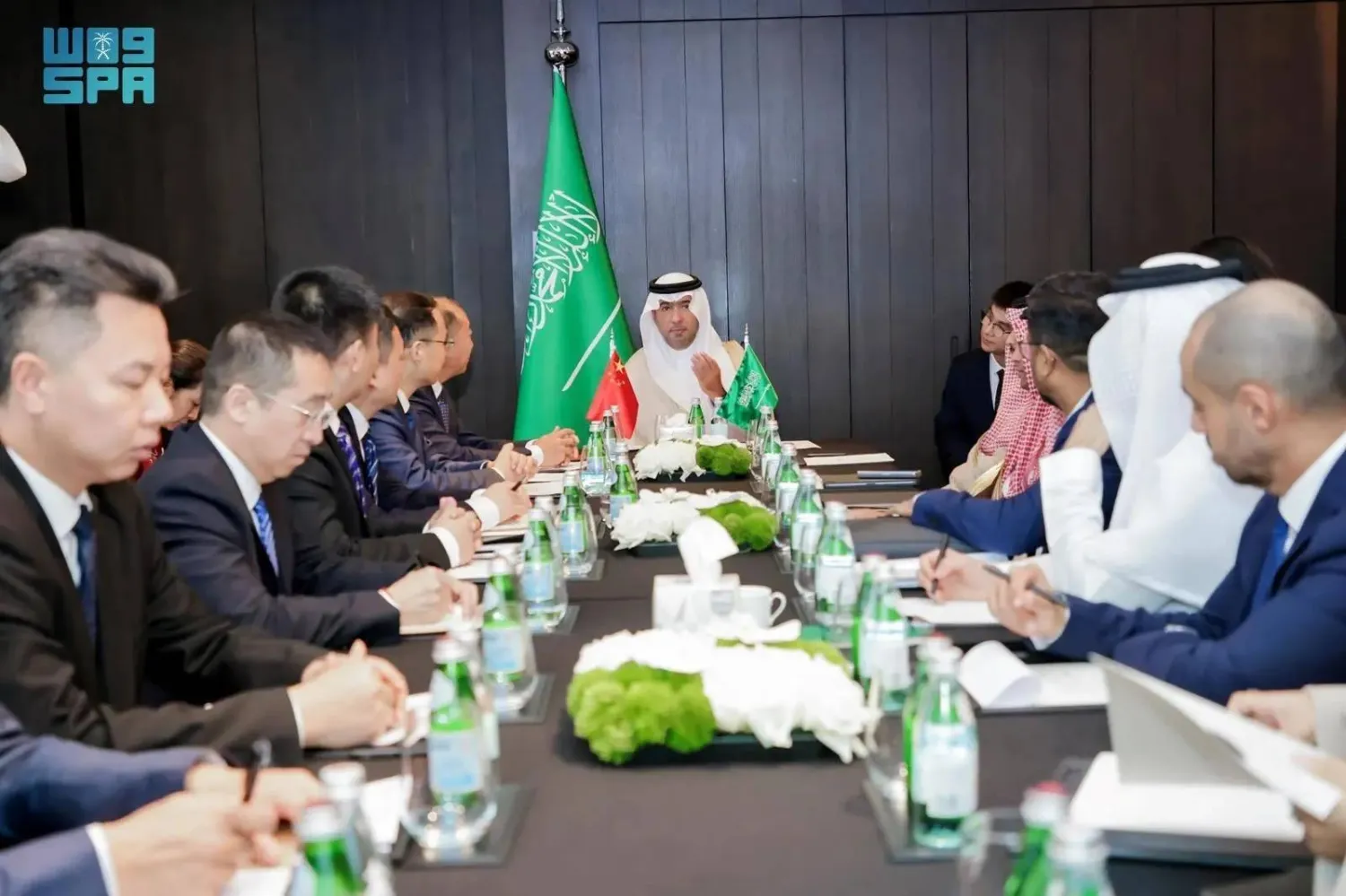
Saudi Minister of Municipalities and Housing Majed Al-Hogail is on a two-day visit to China. (SPA)
TT

Saudi Housing Minister Discusses Boosting Saudi-China Cooperation in Urban Projects 

Saudi Minister of Municipalities and Housing Majed Al-Hogail is on a two-day visit to China. (SPA)

Saudi Minister of Municipalities and Housing Majed Al-Hogail is in Beijing to deepen Saudi-Chinese partnerships in housing and urban development, aiming to implement 100,000 housing units by 2030.

The two-day official visit will focus on supporting sustainable urban growth, expanding cooperation in infrastructure, and developing smart cities to increase housing supply and achieve real estate balance in the Kingdom, reported the Saudi Press Agency on Friday.

The visit includes bilateral meetings with leaders of major Chinese companies to discuss industrial construction, modern building technologies, and expertise exchange, all geared toward accelerating housing projects and boosting operational efficiency.

Key agenda items include expanding industrial and investment cooperation in supply chains and industrial localization to boost the real estate market's sustainability, create new investment opportunities, and generate jobs in the housing sector.

The visit will feature the signing of several agreements and memoranda between NHC Innovation and ByteDance, as well as with other leading Chinese firms, focusing on real estate development, smart city solutions, and the application of AI in municipal and residential services.

Under the minister's guidance, NHC will also launch the SupplyPro initiative to manage supply chains and hedge against construction material price fluctuations. The initiative aims to protect the private sector and citizens from rising costs while enhancing local content and localizing advanced technologies, aligning with Vision 2030.

This trip extends the strategic partnership that previously saw Saudi-Chinese cooperation contribute to the implementation of over 8,000 housing units and the transfer of advanced construction and logistics technologies.




Egypt Imposes Business Curfew to Counter Soaring Fuel Costs

Cairo was forced to raise fuel prices by more than 30 percent, after strikes on regional oil infrastructure and threats against the Strait of Hormuz (File Photo)
TT

Egypt Imposes Business Curfew to Counter Soaring Fuel Costs

Cairo was forced to raise fuel prices by more than 30 percent, after strikes on regional oil infrastructure and threats against the Strait of Hormuz (File Photo)

Egypt has ordered shops, restaurants and shopping malls to close from 9:00 pm from Saturday, hoping to curb energy bills that have more than doubled because of the Iran war.

Prime Minister Mostafa Madbouly announced the curfew and said it would last for a month initially.

"Shops, shopping centers, restaurants and cafes will all close at 9:00 pm on weekdays," he said, adding that on Thursdays and Fridays at the weekend they will be allowed to stay open until 10:00 pm, Reuters reported.

The premier said that before the war, Egypt's monthly energy bill was $560 million. Today, for the same quantity, he said Egypt is paying $1.650 billion.

Madbouly said Cairo must work on the "worst-case scenario" in the face of a war whose outcome is unpredictable.

Tourism Minister Sherif Fathy said the new restrictions "will not affect tourists" or flagship destinations, a statement from his office said.

At the beginning of March, Cairo was forced to raise fuel prices by more than 30 percent, after strikes on regional oil infrastructure and threats against the Strait of Hormuz, the crucial shipping route now virtually paralysed by the war.

Around a fifth of global crude oil and liquefied natural gas passes through the waterway in peacetime.

The rerouting of shipping away from the Suez Canal is also depriving Cairo of a vital source of foreign currency.


Turkish Central Bank Forex Sales since Start of Iran War Close to $45 Billion

Turkish Central Bank (official website)
TT

Turkish Central Bank Forex Sales since Start of Iran War Close to $45 Billion

Turkish Central Bank (official website)

The Turkish Central Bank's balance sheet for this week will show foreign exchange sales amounting to near $20 billion, bringing the total forex sales since the beginning of the Iran war to nearly $45 billion, bankers said, Reuters reported.

According to calculations made by four bankers, based on preliminary data for the first part of the week and their estimates for the rest of the week, the central bank's balance sheet will show $18-21 billion in foreign exchange sales.

Bankers said that although $8 billion of the total $20 billion was made before a public holiday last week, this figure will be reflected in the balance sheet on the first day of this week.

The central bank sold $26 billion in foreign exchange in the first three weeks of the war, using its gold reserves as well, resulting in a $35 billion decrease in its net reserves.


Mawani Adds Marsa Ocean Shipping's RSX Service to Jeddah Islamic Port

Mawani Adds Marsa Ocean Shipping's RSX Service to Jeddah Islamic Port
TT

Mawani Adds Marsa Ocean Shipping's RSX Service to Jeddah Islamic Port

Mawani Adds Marsa Ocean Shipping's RSX Service to Jeddah Islamic Port

The Saudi Ports Authority (Mawani) has announced the addition of the RSX service by Marsa Ocean Shipping to Jeddah Islamic Port, featuring a capacity of up to 372 TEUs and connecting Jeddah with the regional ports of Aden, Hodeidah, and Djibouti, SPA reported.

This expansion aligns with the National Transport and Logistics Strategy, aiming to enhance the Kingdom’s operational efficiency and its ranking in global performance indicators.

As a primary gateway, Jeddah Islamic Port utilizes its 62 multipurpose berths and specialized terminals to support a total capacity of 130 million tons, reinforcing Saudi Arabia’s position as a global logistics hub connecting three continents.