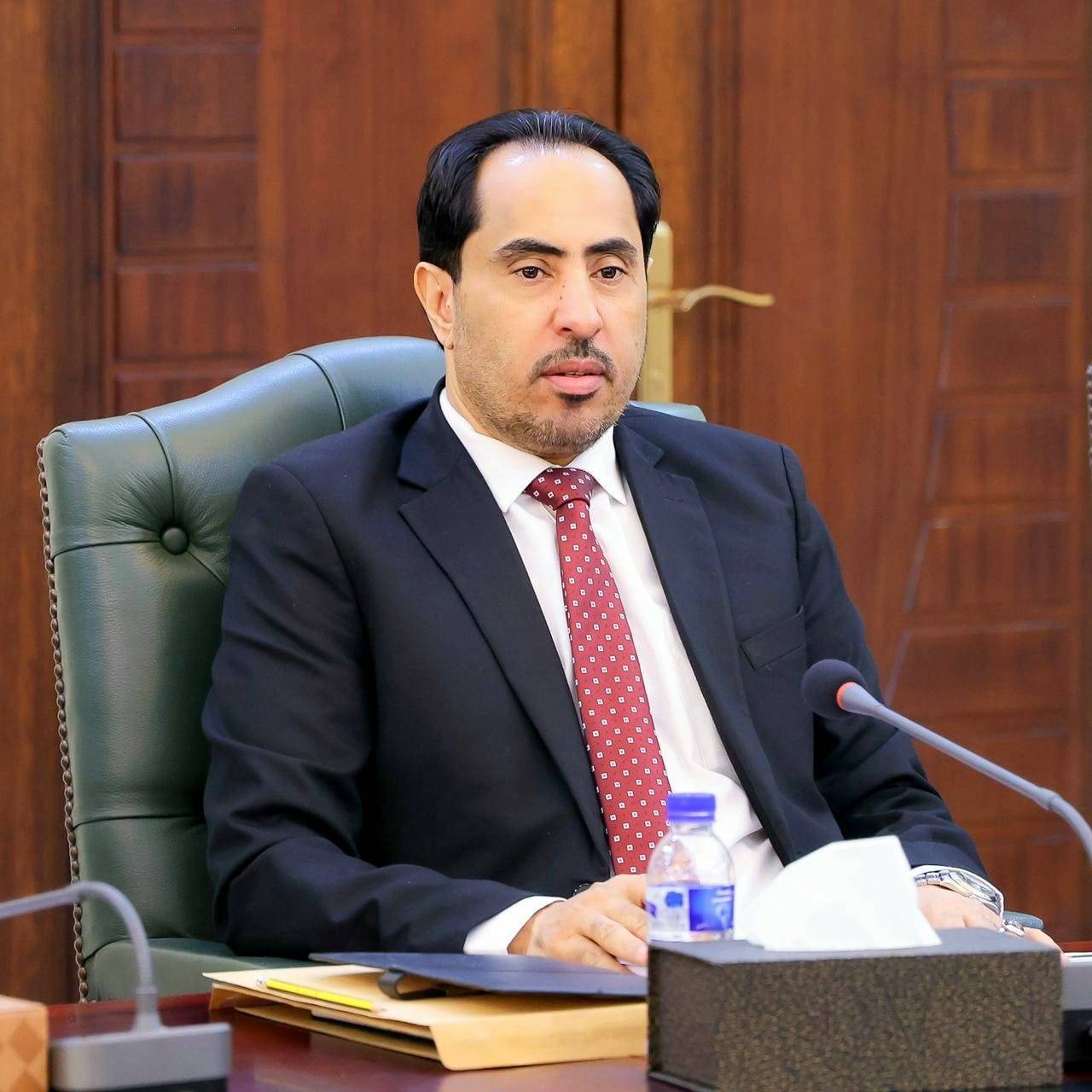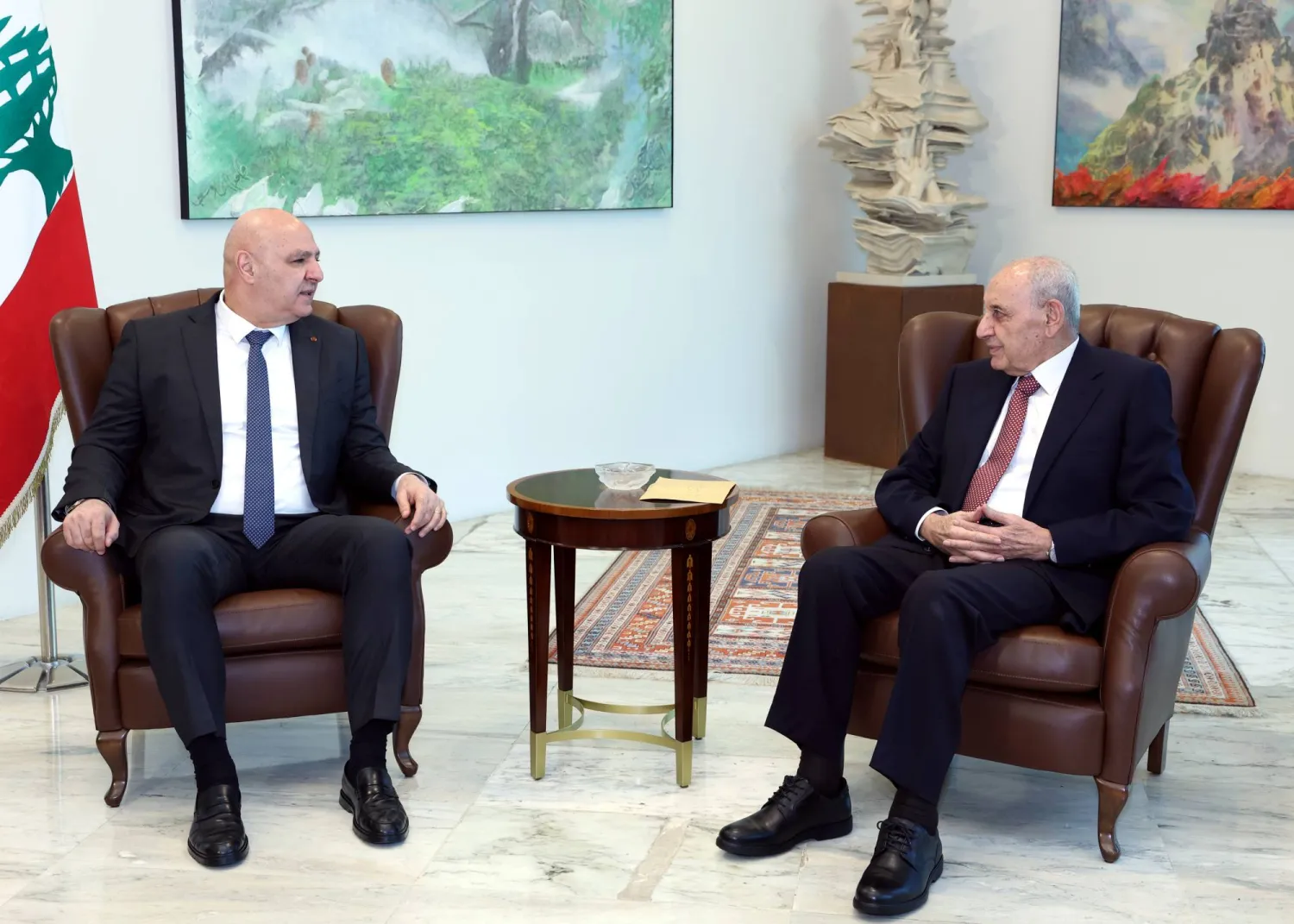

Lebanese parliament Speaker Nabih Berri said on Monday that the proposal to hold negotiations between Lebanon and Israel was dropped because Tel Aviv was not receptive to Washington’s suggestion over the matter.
Berri told Asharq Al-Awsat that the current path is the one through the mechanism that includes representatives of the countries sponsoring the November 2024 ceasefire that ended the war between Israel and Hezbollah.
The speaker met on Monday with President Joseph Aoun at the Baabda palace for talks on the security situation in the South and negotiations with Israel.
In a brief statement after the meeting, Berri said: “Talks with the president are always excellent.”
The presidency said they tackled the general situation in the country, especially the South amid the ongoing Israeli violations. They also covered the developments in the region in wake of the Sharm El-Sheikh summit and ceasefire in Gaza.
Berri met with Aoun three days after the president held talks with Prime Minister Nawaf Salam and hours after US envoy Tom Barrack issued a stark warning that “Israel may act unilaterally” if the Lebanese government continues to hesitate in its decision to impose state monopoly over arms.
Backing down from negotiations with Israel
Berri revealed that Barrack had informed Lebanon of Israel’s rejection of an American proposal that calls for launching negotiation and for Israel to simultaneously stop its military operations for two months. The period would end with Israel’s withdrawal from occupied Lebanese territories and the launch of the border demarcation process and military arrangements.
“There has been a backing down from the path of negotiations with Israel, so what remains is the mechanism through the committee that is overseeing the ceasefire,” Berri explained.
Barrack had relayed the proposal to Lebanese officials last week. It also calls on the president, PM and speaker to hold talks with him over the Israeli withdrawal during a two-month period and a halt to the violations. Lebanon was receptive of the initiative.
However, Barrack informed Lebanon officially of Israel’s rejection of the proposal, said Berri, so the only remaining diplomatic path is the committee overseeing the ceasefire.
The committee will notably now meet once every two weeks, when it previously used to meet sporadically, he revealed.
The speaker reiterated Lebanon’s commitment to the ceasefire, refusing to say whether he was optimistic or pessimistic, adding that it was a mixture of both.
Barrack warns Lebanon of grave consequences
Earlier on Monday, Barrack posted an opinion piece on his account on the X platform, titled: “A Personal Perspective – Syria and Lebanon Are the Next Pieces for Levant Peace.”
“October 13, 2025, will be remembered as a defining moment in modern Middle Eastern diplomacy,” he wrote, referring to the Sharm El-Sheikh summit.
“Should Beirut continue to hesitate (over disarming Hezbollah), Israel may act unilaterally – and the consequences would be grave.”
He warned that Hezbollah may seek to postpone the 2026 parliamentary elections, under the pretext of war with Israel. “This would ignite major chaos within Lebanon, fracturing an already fragile political system and reigniting sectarian distrust,” cautioned Barrack.
“The perception that one militia can suspend democracy could potentially erode public confidence in the state, invite regional interference, and risk pushing Lebanon from crisis into outright institutional breakdown.”
“Meanwhile, the Lebanese government’s principle of ‘One Country, One Military’ remains more aspiration than reality, constrained by Hezbollah's political dominance and the fear of civil unrest,” added Barrack.
“Early this year, the United States offered the ‘One More Try’ plan, a framework for phased disarmament, verified compliance, and economic incentives under US and France supervision. Lebanon declined to adopt it due to Hezbollah representation and influence in the Lebanese cabinet.”
“Syria’s courageous moves toward a border agreement and hopefully future cooperation mark the first steps toward securing Israel’s northern frontier. Hezbollah’s disarmament must be the second. Lebanon now faces a defining choice: to seize the path of national renewal or remain mired in paralysis and decline.”
“If Beirut fails to act, Hezbollah’s military arm will inevitably face major confrontation with Israel at a moment of Israel’s strength and Iran-backed Hezbollah’s weakest point. Correspondingly, its political wing will undoubtedly be confronted with potential isolation as it approaches the May 2026 elections,” the envoy said.