
Al-Ghais Sees Global Oil Demand Rising to 123m bpd by 2050

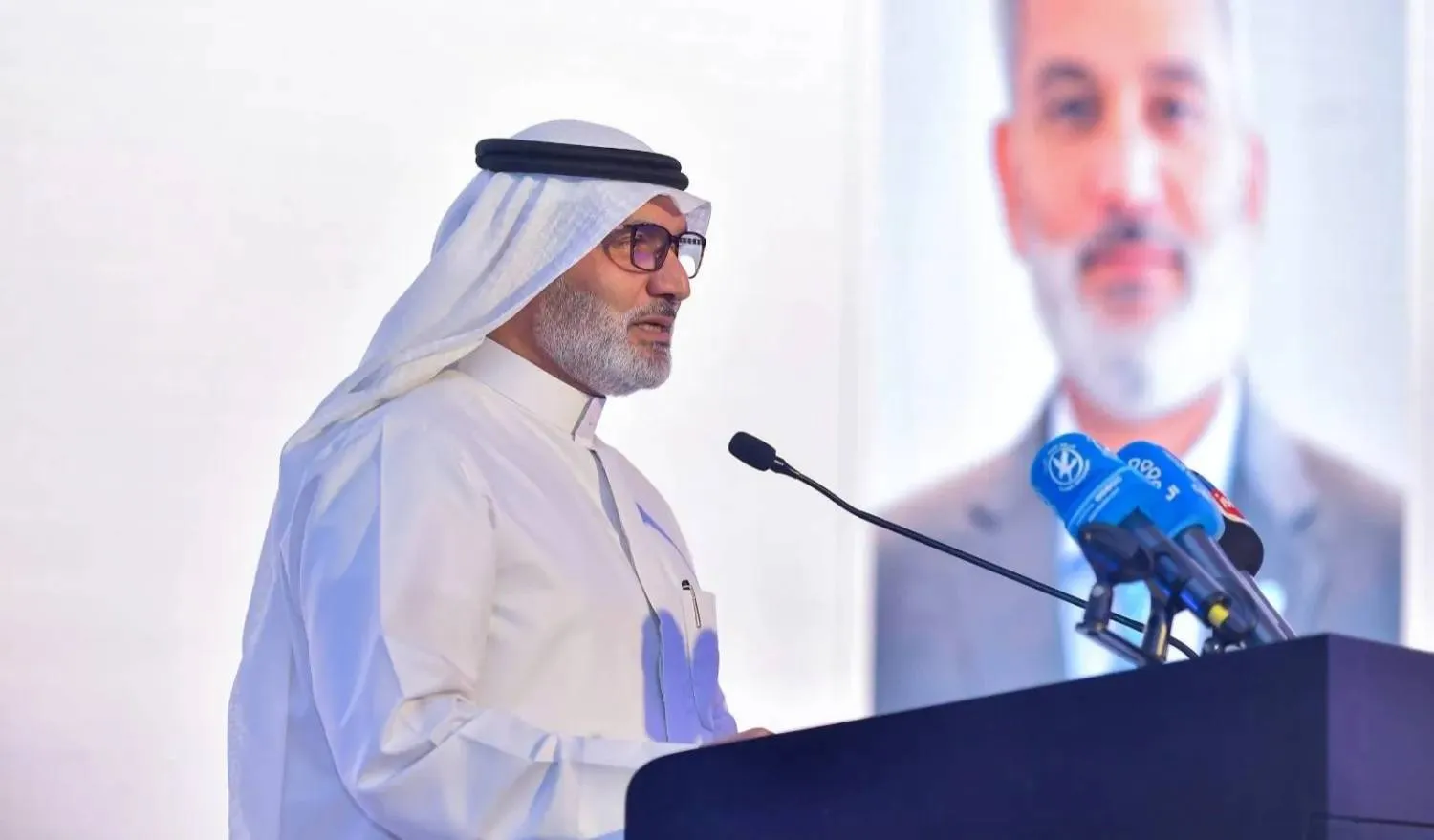
OPEC Secretary-General Haitham Al-Ghais (X)
TT

Al-Ghais Sees Global Oil Demand Rising to 123m bpd by 2050

OPEC Secretary-General Haitham Al-Ghais (X)

OPEC Secretary-General Haitham Al-Ghais said global oil demand is set to climb to about 123 million barrels per day (bpd) by 2050, with crude maintaining the lion’s share of the global energy mix at roughly 30%.

Speaking at a conference in Kuwait on Wednesday, Al-Ghais noted that demand across all fuel types is projected to keep rising through mid-century and beyond, as global energy consumption increases by around 23%.

He attributed this uptrend to several factors, including population growth, sustained economic expansion, the rise of new energy-intensive industries, and efforts to supply power to underserved regions.

Meeting this surging demand, according to Al-Ghais, will require massive investments of about $18.2 trillion in the oil sector through 2050. This is to secure supply and maintain market stability.


Saudi Aramco Targets 80% Growth in Gas Sales by 2030

3D-printed oil pump jacks and the Saudi Aramco logo appear in this illustration taken March 2, 2026. (Reuters)
TT

Saudi Aramco Targets 80% Growth in Gas Sales by 2030

3D-printed oil pump jacks and the Saudi Aramco logo appear in this illustration taken March 2, 2026. (Reuters)

Saudi Arabia is moving to expand its gas and liquefied gas production capabilities by developing facilities and infrastructure across the sector, amid growing demand for gas and its increasing role in the energy mix. Saudi Aramco aims to increase gas sales by 80 percent by 2030 compared with 2020 and 2021 levels.

Abdulkarim Al-Ghamdi, Executive Vice President of Gas at Saudi Aramco, disclosed the target during a panel discussion at the WPC Energy Congress in Riyadh on Tuesday. He also revealed plans to build and commission six to seven gas and liquefied gas facilities between 2025 and 2027.

Al-Ghamdi said Saudi Arabia's oil production assets and export capabilities are spread across different parts of the Kingdom, strengthening its ability to respond to disruptions and unforeseen scenarios. He added that the country has an extensive gas network, including the Master Gas System, which stretches thousands of kilometers from east to west.

He explained that more than 90 percent of the materials Aramco needed during disruptions linked to global conflicts were sourced locally. The company also relies on partnerships across several assets and facilities, including refineries and pipeline networks.

According to Al-Ghamdi, resilience in the energy sector is not limited to responding to crises after they occur. It also involves anticipating potential disruptions, protecting assets, diversifying their geographic locations and ensuring they can continue operating under exceptional circumstances.

He added that Aramco relies on integrated operating systems, interconnected supply chains and advanced data analytics solutions to help protect facilities and reduce the risk of operational disruptions.


OPEC Raises 2027 Oil Demand View, Citing Need to Rebuild Stocks

FILE PHOTO: OPEC logo is seen in this illustration taken June 25, 2026. REUTERS/Dado Ruvic/Illustration/File Photo
TT

OPEC Raises 2027 Oil Demand View, Citing Need to Rebuild Stocks

FILE PHOTO: OPEC logo is seen in this illustration taken June 25, 2026. REUTERS/Dado Ruvic/Illustration/File Photo

OPEC on Tuesday raised its forecast for world oil demand growth in 2027, citing the need for the world to rebuild inventories that have been depleted by the Iran war.

The Organization of the Petroleum Exporting Countries also lowered its forecast for 2026 oil demand growth, the report on OPEC's website showed, marking the sixth straight downward revision.

OPEC also reported a jump in oil production by the wider OPEC+ producer group in September.

The top OPEC producer told OPEC that it pumped 8.372 million barrels per day of crude in September, up more than 2 million bpd from August.


Riyadh to Add 94 New Trains to Boost Transport Capacity

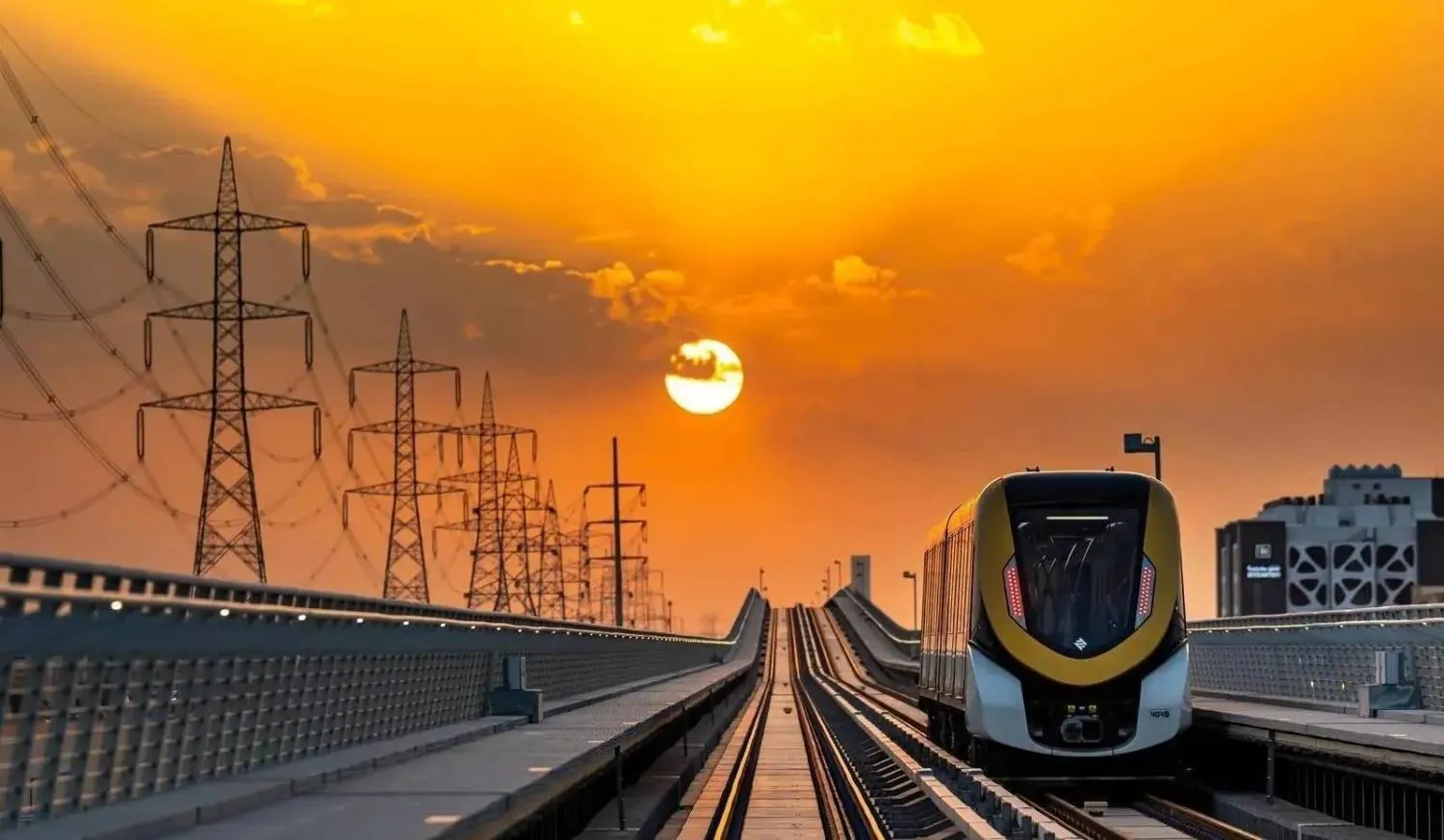
A Riyadh Metro train travels through the Saudi capital. (SPA)
TT

Riyadh to Add 94 New Trains to Boost Transport Capacity

A Riyadh Metro train travels through the Saudi capital. (SPA)

The Royal Commission for Riyadh City has signed contracts to procure and manufacture 94 new trains for the capital’s metro network, increasing its fleet to 277 from 183, with deliveries scheduled to begin in batches in 2028.

The new trains are expected to boost the network’s overall passenger capacity by 57%, with increases varying by line: 142% on the red line, 116% on the yellow line, 57% on the blue line, 27% on the orange line and 16% on the purple line. Additional capacity will be allocated according to ridership and projected demand.

The expansion comes as the Riyadh Metro has recorded about 275 million passenger trips since December 2024. Average monthly ridership in 2026 has risen by around 25% compared with the same period in 2025.

The investment is intended to accommodate anticipated growth in travel demand as Riyadh expands and prepares to host major international events, including Expo 2030 and the 2034 FIFA World Cup.

Germany’s Siemens and France’s Alstom are carrying out the contracts, which are worth more than $5 billion in total and cover train manufacturing, systems and equipment, maintenance, training and other technical and operational services.

The trains will be delivered in stages as manufacturing is completed, then undergo testing and operational trials before gradually entering service.

The investment is part of broader efforts to develop Riyadh’s transport infrastructure, including public transit, roads and intersections, to meet the needs of the capital’s growing population and urban expansion.