

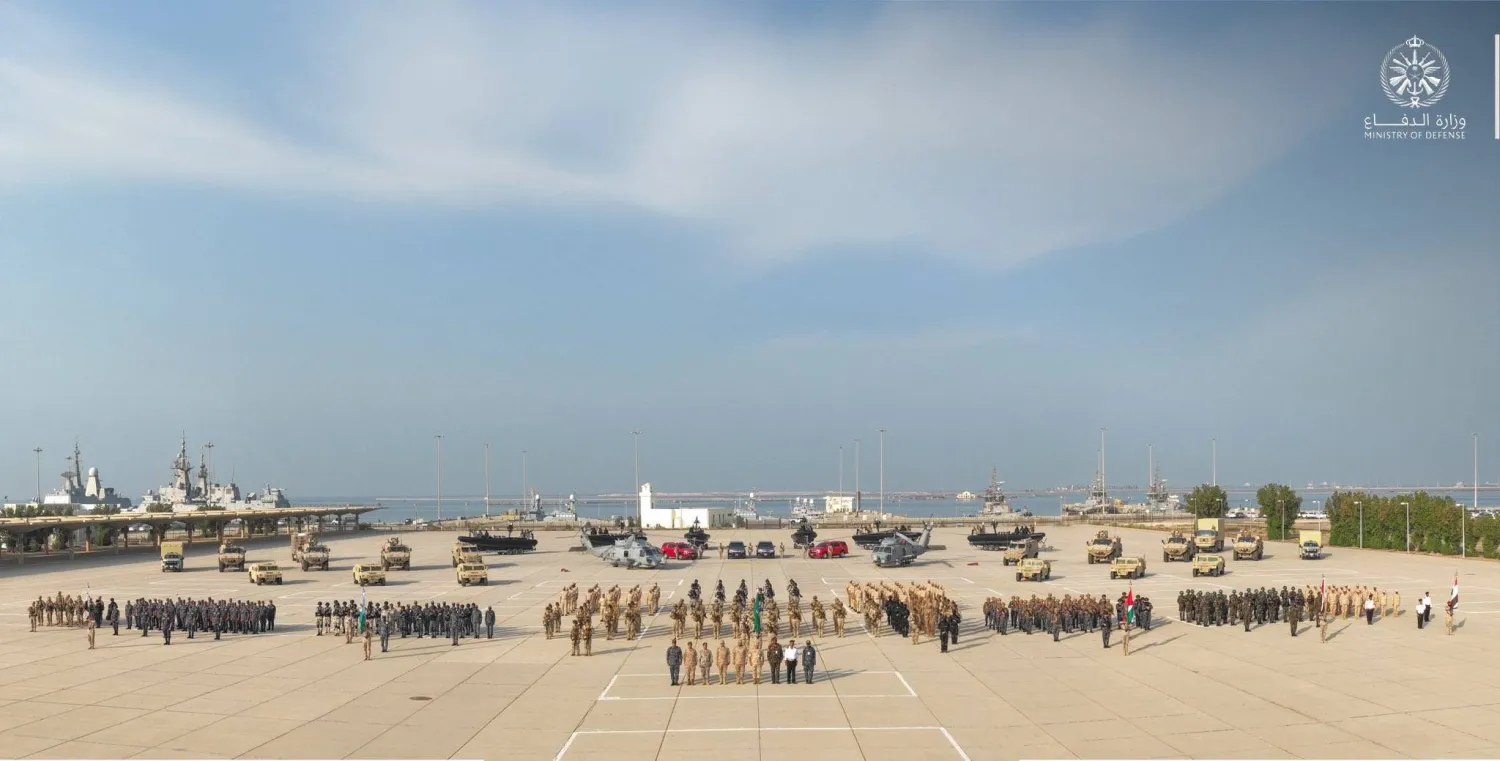

Saudi Navy Leads ‘Red Wave 8’ Drill with Wide Regional Participation

The Red Wave 8 drill kicked off at the King Faisal Naval Base on Sunday. (Saudi Defense Ministry)
TT

Saudi Navy Leads ‘Red Wave 8’ Drill with Wide Regional Participation

The Red Wave 8 drill kicked off at the King Faisal Naval Base on Sunday. (Saudi Defense Ministry)

The Royal Saudi Naval Forces, Royal Saudi Air Force and Border Guards launched on Sunday the “Red Wave 8” joint naval exercise at the King Faisal Naval Base in the Western Fleet.

Several armed forces from countries overlooking the Red Sea are taking part in the drill, including Sudan, Djibouti and Mauritania, as well as Pakistan.

The exercise is part of the joint military cooperation between them and efforts to protect vital waterways.

Military leaders from the participating countries attended the launch on Sunday. The drill will conclude on Thursday with field demonstrations that reflect the level of coordination and preparedness of the forces.

Commander of Saudi Arabia's Western Fleet Rear Admiral Mansour bin Saud Al-Juaid told Asharq Al-Awsat that the drill is part of a series of others carried out by the naval forces with the aim of raising combat readiness and developing capabilities.

He said the Red Sea was chosen for the exercise given its strategic depth and economic importance to regional countries.

The Red Sea is among the world’s most vital waterways and securing it is an Arab and international responsibility, he stressed.

The Red Wave 8 drill includes training in implementing tactical concepts, as well as cyberwarfare and combating attacks by speedboats. Forces will be trained in counter-terrorism; fighting piracy, smuggling and illegal migration; and protecting marine shipping lanes.

Al-Juaid said the Red Wave 8 drill reflects Saudi Arabia’s commitment to bolstering collective naval security through building joint capacities and unifying efforts in confronting any threats to waterways or vital infrastructure in the Red Sea, all in line with Saudi Vision 2030 that places regional security and marine stability as strategic priorities.
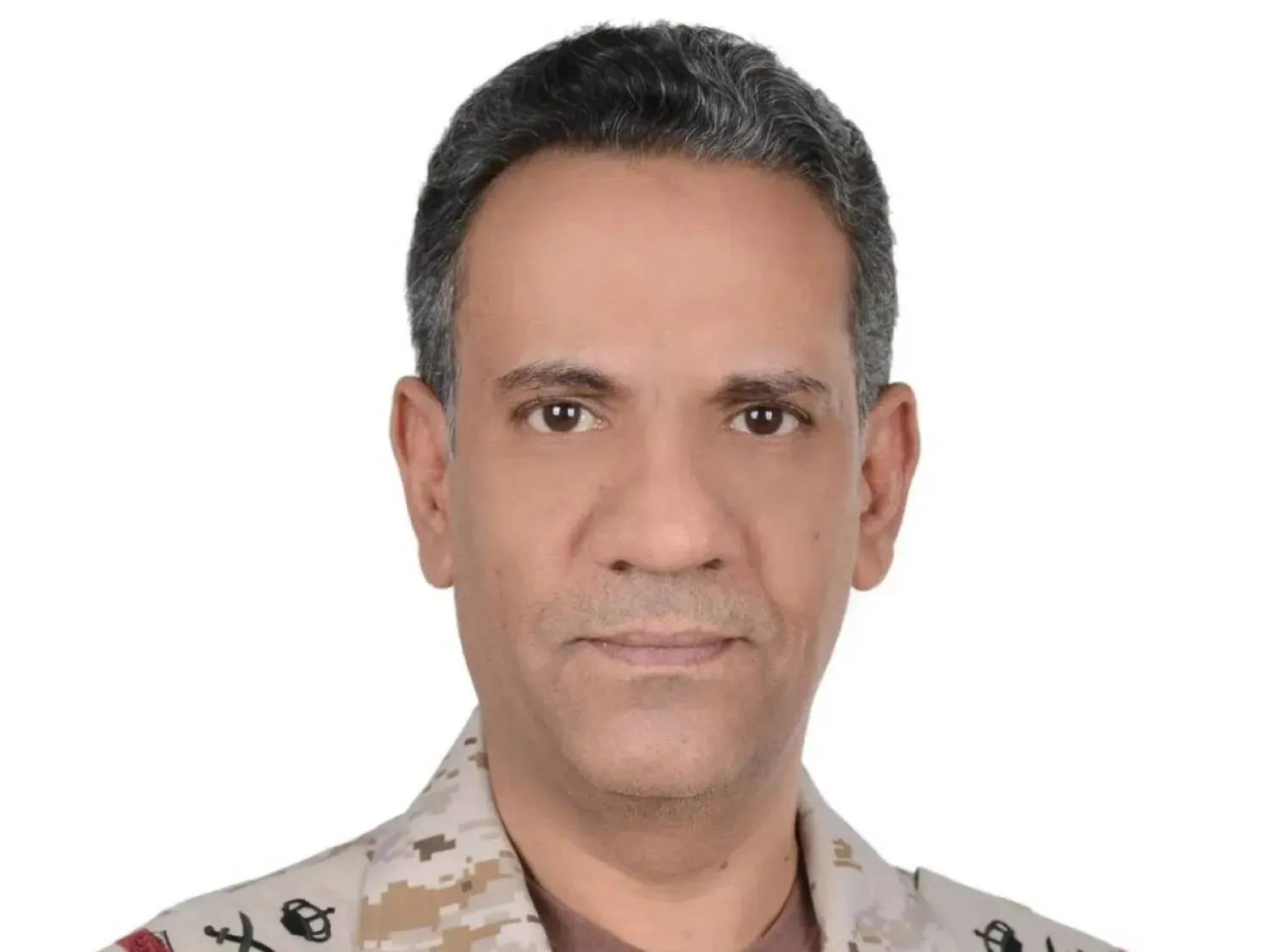

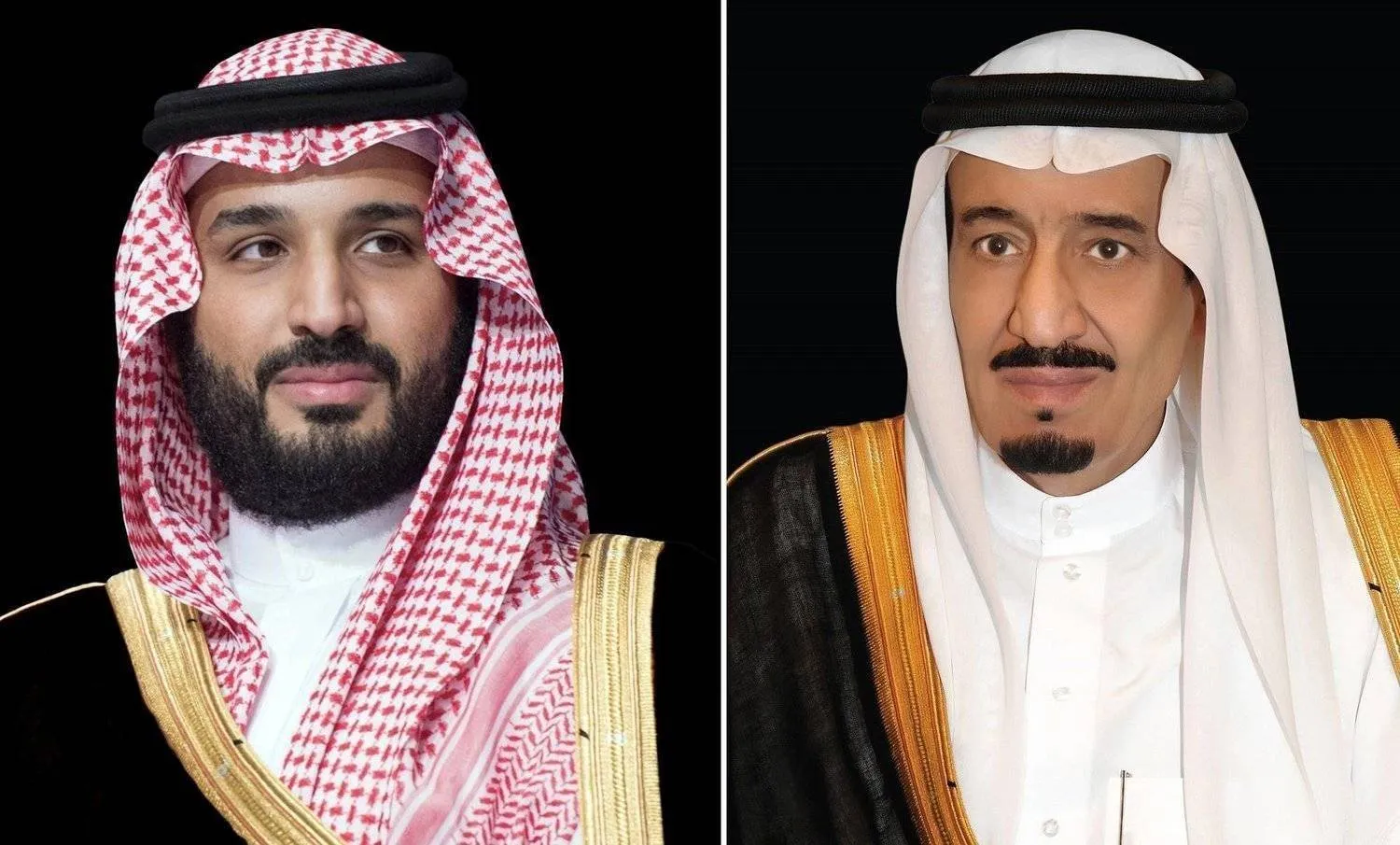

Saudi Foreign Minister Receives Syrian Counterpart

Saudi Minister of Foreign Affairs Prince Faisal bin Farhan bin Abdullah received his Syrian counterpart Asaad Hassan Al-Shaibani in Riyadh. (SPA)
TT

Saudi Foreign Minister Receives Syrian Counterpart

Saudi Minister of Foreign Affairs Prince Faisal bin Farhan bin Abdullah received his Syrian counterpart Asaad Hassan Al-Shaibani in Riyadh. (SPA)

Saudi Minister of Foreign Affairs Prince Faisal bin Farhan bin Abdullah received his Syrian counterpart, Asaad Hassan Al-Shaibani, in Riyadh on Wednesday, the Saudi Press Agency reported.

The two officials reviewed relations between the two countries and ways to strengthen and develop them across various fields. They also discussed the latest regional developments and efforts to support security and stability in the region.

The meeting was attended by a number of officials from both sides.


Saudi Defense Minister Offers Condolences to Qatari PM on Passing of Sheikh Hamad bin Khalifa

Saudi Minister of Defense Prince Khalid bin Salman. (SPA)
TT

Saudi Defense Minister Offers Condolences to Qatari PM on Passing of Sheikh Hamad bin Khalifa

Saudi Minister of Defense Prince Khalid bin Salman. (SPA)

Saudi Minister of Defense Prince Khalid bin Salman held telephone talks on Wednesday with Qatar’s Prime Minister and Minister of Foreign Affairs Sheikh Mohammed bin Abdulrahman bin Jassim Al Thani to offer his condolences over the passing of Sheikh Hamad bin Khalifa Al Thani.

Prince Khalid expressed his sincere condolences and sympathy, praying for God's mercy and forgiveness upon the deceased.


Saudi Arabia, the UK to Support Vulnerable Groups in Yemen with $10 Million

Advisor at the Royal Court and Supervisor General of KSrelief Dr. Abdullah Al Rabeeah signs the agreement. SPA
TT

Saudi Arabia, the UK to Support Vulnerable Groups in Yemen with $10 Million

Advisor at the Royal Court and Supervisor General of KSrelief Dr. Abdullah Al Rabeeah signs the agreement. SPA

Advisor at the Royal Court and Supervisor General of the King Salman Humanitarian Aid and Relief Center (KSrelief) Dr. Abdullah Al Rabeeah and Acting Executive Director of the World Food Programme (WFP) Carl Skau have signed a cooperation agreement to support vulnerable groups in several Yemeni governorates.

The agreement forms part of Saudi Arabia's humanitarian and relief projects and programs delivered through its humanitarian arm, KSrelief, to assist people in need and those affected by crises around the world.

The agreement was signed on Tuesday via video conference in the presence of UK Deputy Ambassador to Saudi Arabia Dr. Alice Burt.

Under the agreement, KSrelief and the UK Foreign, Commonwealth and Development Office will each contribute half of a $10 million financial package to the WFP to support the project in Yemen's Al-Mahrah, Hadhramout, Aden, Al-Dhale, and Lahij governorates.

The agreement aims to address the food needs of the most vulnerable groups by providing asset-creation support activities for beneficiaries and improving their access to food through conditional cash transfers, enabling them to become less dependent on humanitarian assistance.

The project also includes rehabilitating productive infrastructure, helping targeted households transition from Phase 4 acute food insecurity to greater stability and self-reliance, implementing vocational training programs, developing beneficiaries' skills to enhance productivity, strengthening the capacities of local authorities, and activating governance systems to manage and sustain community assets.