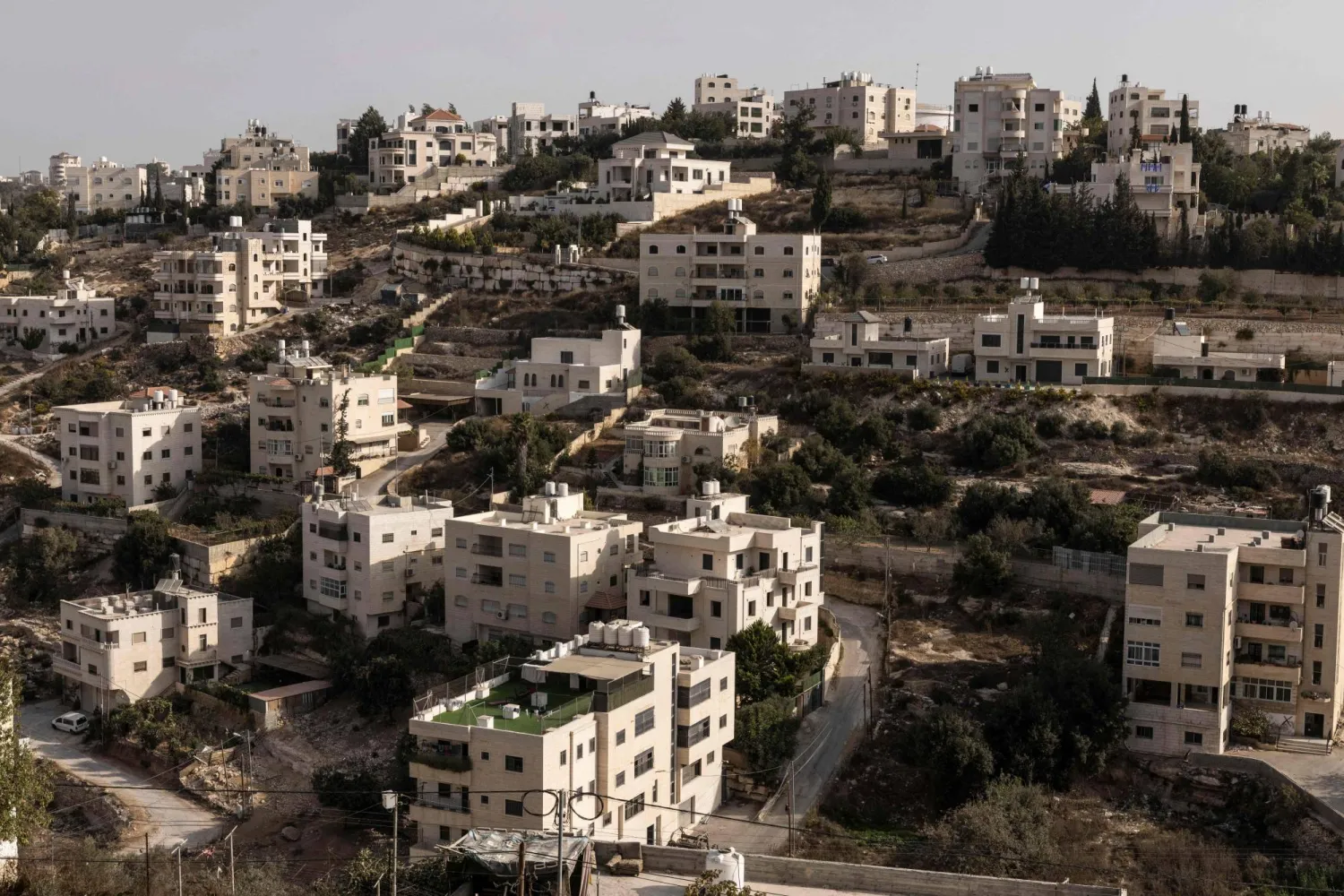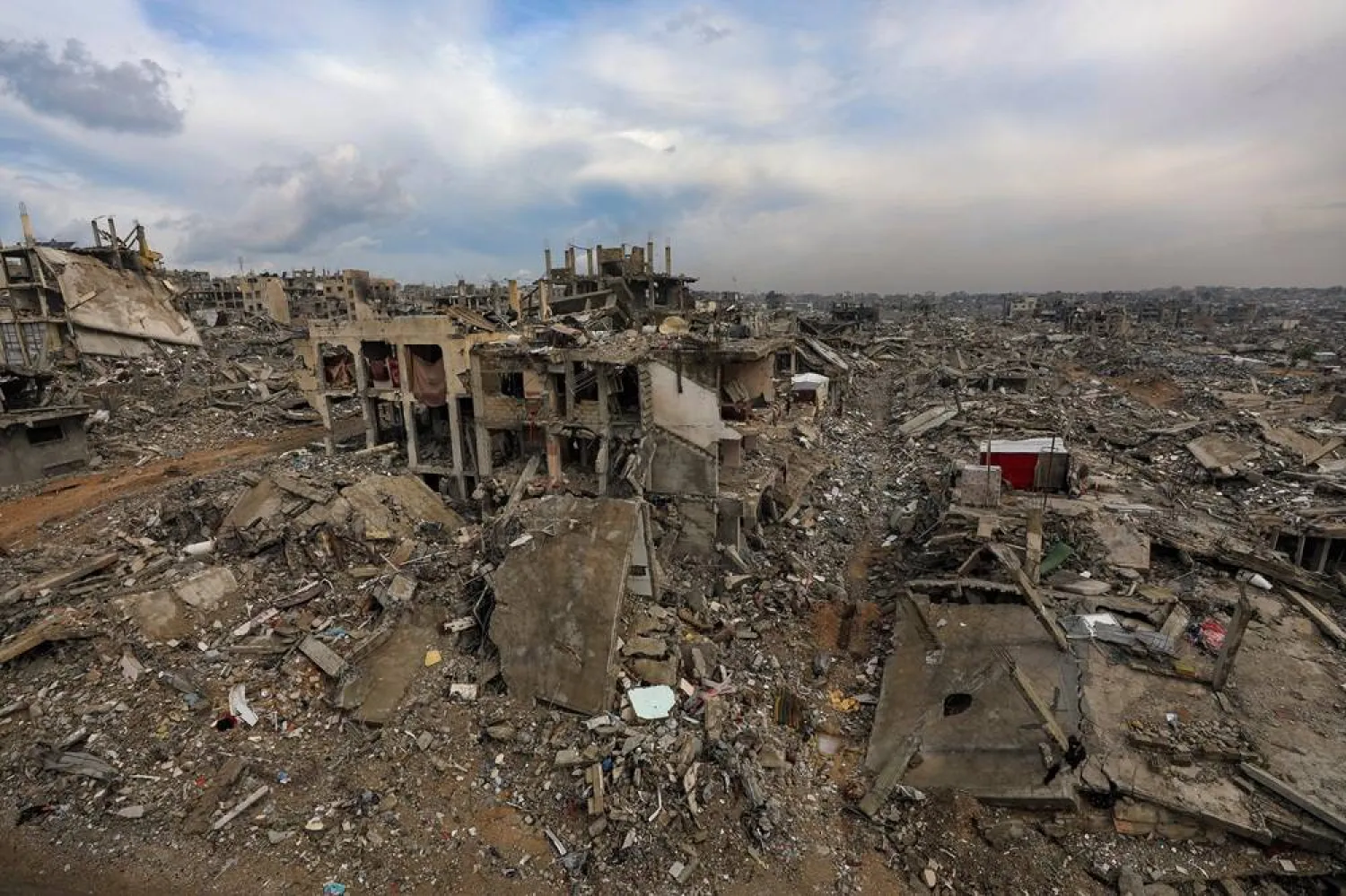

Two unidentified gunmen on a motorcycle shot dead an Islamic preacher, Mohammed Abu Mustafa, in the Mawasi area of Khan Younis in southern Gaza on the evening of November 2, then fled toward areas under Israeli control south of the city.
The attack stirred suspicion because it followed similar incidents carried out by unknown assailants, including the kidnapping of a doctor and, a month later, his daughter.
Abu Mustafa was active in the Mujahideen Brigades, a Palestinian faction that operates mainly in Gaza. Investigators said he was deliberately assassinated after one gunman fired several shots with a pistol while the second drove the motorcycle.
Findings reviewed by Asharq Al-Awsat indicate that Israel has recently led a targeted campaign against senior and prominent members of the Mujahideen Brigades, which seized the Bibas family from Kibbutz Nir Oz in the Eshkol region east of Khan Younis during the October 7, 2023 attack.
The Mujahideen Brigades was formed in 2003 after splitting from the Al-Aqsa Martyrs Brigades, the armed wing of Fatah, and became more prominent in 2006.
The group has hundreds of fighters across Gaza, most of them from the Abu Sharia clan in Gaza City’s Sabra neighborhood. Influential members of the clan founded the faction, which for years received significant support from Iran, Hezbollah and Islamic Jihad.
Sources familiar with the events told Asharq Al-Awsat that Abu Mustafa had ties to the abduction of the Bibas family.
They said Israeli special forces likely targeted him because of the security precautions he took, adding that the killing took place after the ceasefire came into effect and appeared to be a new attempt by Israel to reinforce its security control inside the enclave through varied methods.
The sources said senior, field level and other operatives involved in the abduction of the Bibas family have been subjected to a series of systematic assassinations, particularly after Israel received the bodies of the mother, Shiri, and her two children, Kfir and Ariel, on February 21.
Six operatives and eight commanders from various levels of the Mujahideen Brigades were killed in Gaza City and Khan Younis. They included the group’s secretary general, Asaad Abu Sharia, who was killed on June 7 along with more than 30 members of his family in a house in the Sabra neighborhood.
Ibrahim Abu Sharia was killed with his wife and children, while Israeli aircraft also killed his daughter and her husband in what the sources described as a revenge strike. Other relatives of slain commanders were also killed in separate attacks with their spouses.
These included field commander Mohammed Awad, who was assassinated in April, and Mahmoud Kaheel, killed in June.
Israel accused Asaad Abu Sharia of personally taking part in the kidnapping and killing of Shiri, Ariel and Kfir Bibas, as well as participating in the abduction of couples Gadi Hajaj and Judy Lynn Feinstein, and Nataphon Binta along with another foreign national.
According to the sources, Shiri Bibas and her children were killed in an airstrike that hit a house they were in in Khan Younis in November 2023, early in the war. They said Shiri told interrogators briefly during her captivity that she worked at the Israeli army’s Southern Command headquarters in Unit 8200, the intelligence unit. Israel has not confirmed this.
After receiving the three bodies, Israel said the Bibas family members had been killed by fighters from the Mujahideen Brigades, either beaten or strangled, not by an airstrike or gunfire. The Mujahideen Brigades denied the claim, as did the Ezzedine al-Qassam Brigades, Hamas’s armed wing.
Sources said that because of fears that the family could be killed in airstrikes, as happened with some other captives, the Qassam Brigades had asked the Mujahideen Brigades to transfer them for protection. But by then it was too late and they were already dead.
The father, Yarden Bibas, had been held separately by Qassam since Oct. 7 under different circumstances. He was freed alive in February in a prisoner exchange.
Israel used its allegations in global media campaigns, circulating images of the Bibas children and their mother on posters placed in European capitals to accuse Hamas of killing Israeli children.
The Bibas case was not the only instance in which Israel retaliated against Palestinian fighters who had captured Israelis, particularly women, or cases that drew heightened sympathy inside Israel and abroad.
One such case was that of Arbel Yahud, whose release Israel insisted upon in exchange for allowing displaced residents of southern Gaza to return to the north in January 2025.
Israeli sources at the time claimed she had been tortured and assaulted by her captors, a claim Palestinian factions denied.
Sources in the Nasser Salah al-Din Brigades, the armed wing of the Popular Resistance Committees, told Asharq Al-Awsat that Israeli intelligence pursued many of its operatives who were involved in the capture of Arbel Yahud and Ariel Cunio. Israel had spent two years of the war trying to determine their fate.
After Yahud’s release, the search intensified for Cunio until he was recently handed over in the latest exchange deal.
On May 19, Israeli special forces assassinated Ahmed Sarhan, a commander in the brigades who had helped seize and hold the two captives. The forces abducted his wife and child after failing to take him alive into Israel. They were later released under the most recent exchange agreement after insistence from the Palestinian negotiating team.
The sources said interrogators questioned Sarhan’s wife about Cunio’s location and about those who had been with her husband during the period of captivity. She did not know, and investigators gained no information about Cunio or any of the fighters.
Israel also killed, in what sources described as retaliatory operations, numerous relatives of fighters who had taken part in abducting Israelis and holding them.