


Saudi Arabia Grants Stranded Syrians, Egyptians Transit Visas

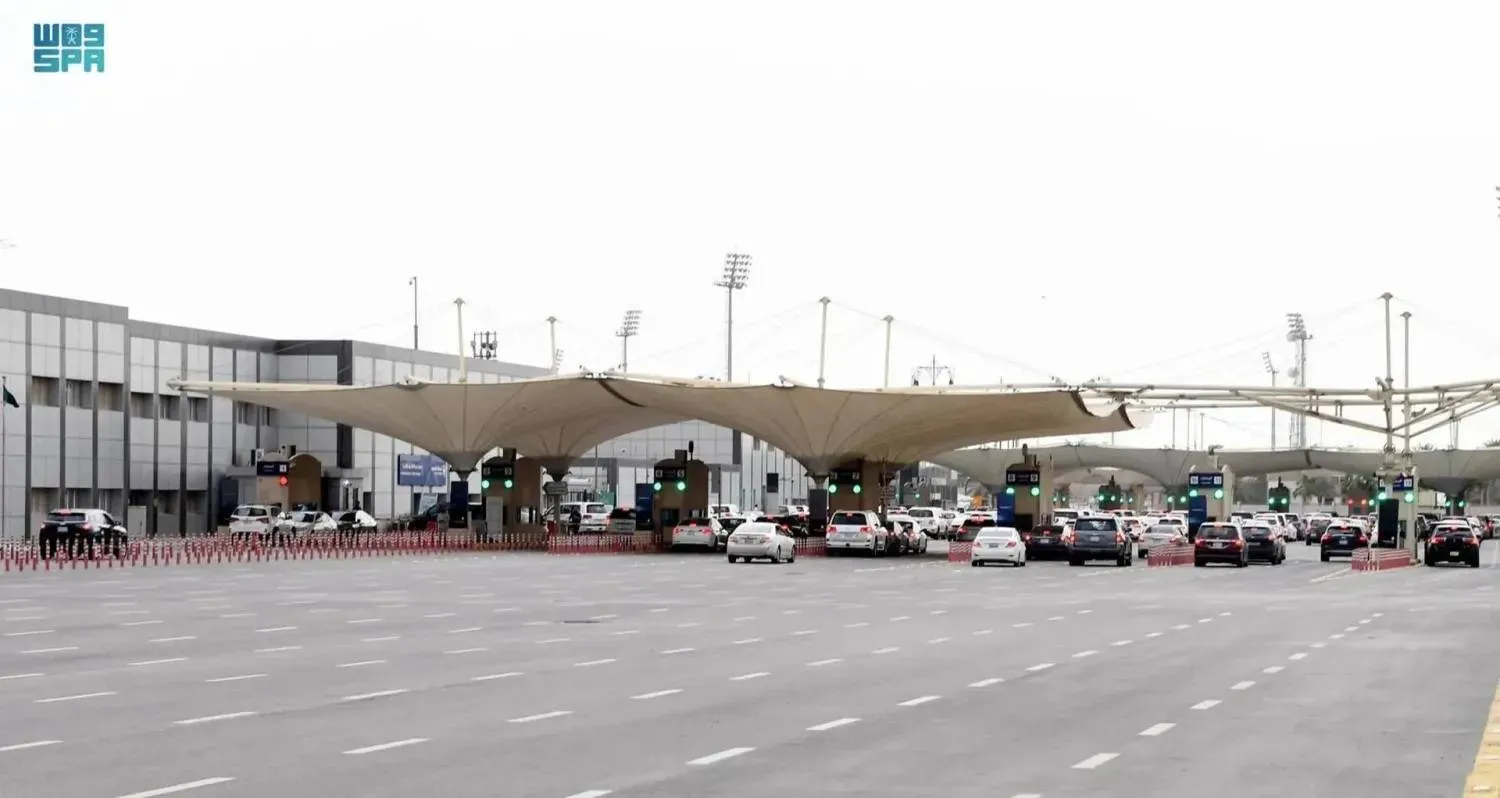
The King Fahd Causeway linking Saudi Arabia and Bahrain. (SPA)
TT

Saudi Arabia Grants Stranded Syrians, Egyptians Transit Visas

The King Fahd Causeway linking Saudi Arabia and Bahrain. (SPA)

Several ambassadors accredited to Saudi Arabia said their countries are coordinating closely with Saudi authorities to facilitate the entry and transit of their citizens through the Kingdom’s land crossings, amid the instability in the region.

Mohsen Mahbash, chargé d’affaires at the Syrian Embassy in Riyadh, said the embassy receives daily lists — coordinated with Syrian embassies across Gulf countries — that are sent to the Saudi Foreign Ministry to help stranded Syrian citizens obtain visas needed to transit overland through Saudi territory to Syria or other destinations.

Speaking to Asharq Al-Awsat, Mahbash said the embassy formed a committee from its diplomatic staff after flights were suspended to follow the issue. It also launched a WhatsApp hotline to receive inquiries from stranded citizens about procedures for obtaining visas that allow them to pass through the Kingdom to Syria by land or to third countries.

He said that from the first moments of the regional escalation and the suspension of flights due to military operations, the embassy began receiving inquiries and requests for assistance from Syrian citizens stranded at Saudi airports after their flights were canceled.

The embassy immediately contacted the Saudi Foreign Ministry to inquire about procedures that could help those cases obtain the visas needed to leave the Kingdom or transit through it to other destinations, he said.

Mahbash added that the Saudi Foreign Ministry circulated procedures for granting visas through official diplomatic channels to streamline the process and remove obstacles for citizens needing assistance.

Regarding pilgrims and visitors, Mahbash said the embassy continues coordinating with Syria’s ministries of religious endowments and tourism to monitor the movement of pilgrims and ensure their return to Syria.

He praised the Saudi Ministry of Hajj and Umrah for its immediate and daily coordination, noting that Umrah pilgrims’ trips and returns to Syria have so far proceeded without significant obstacles.

He reiterated his country’s position, issued by the Ministry of Foreign Affairs and Expatriates, condemning what it described as Iran’s unjustified escalation and attacks against countries in the region.

He also praised the Saudi Foreign Ministry, the Ministry of Hajj and Umrah, and the Interior Ministry for their direct and supportive response in assisting Syrian citizens affected by the current situation.

Egypt’s ambassador to Saudi Arabia Ehab Abu Srei told Asharq Al-Awsat that Saudi Arabia has shown a strong understanding of the difficult situation facing Egyptian visitors stranded in Gulf countries.

He said communication has taken place with the consular department at the Saudi Foreign Ministry regarding residents and visitors in the Kingdom and across Gulf countries, particularly Bahrain, adding that residents in all Gulf states face no restrictions on entering Saudi Arabia.

The Egyptian Embassy in Riyadh has urged Egyptian citizens stranded in neighboring Gulf countries that share land borders with Saudi Arabia to contact Egyptian embassies in those countries to take the necessary measures.

The embassy said this falls within the framework of the Saudi Foreign Ministry's generous initiative to allow emergency entry visas at land crossings, so that Saudi territory can be used for returning to Egypt.

Abu Srei also praised the political coordination between the two countries under the current circumstances, describing it as “high-level coordination.”

He reiterated Egypt’s position, condemning violations of the sovereignty of any Gulf Cooperation Council state, including Saudi Arabia, stressing that dialogue — not military operations — is the path to resolving disputes.

Meanwhile, Iraq’s Foreign Ministry welcomed Saudi Arabia’s approval of a request submitted by the Iraqi Embassy in Riyadh to grant transit visas to Iraqi citizens wishing to return home via Saudi territory through the Arar border crossing.

The ministry said the move followed ongoing diplomatic coordination among the Iraqi Embassy in Riyadh, the Saudi Foreign Ministry, and the relevant authorities.

It added that the necessary official approvals were obtained to grant entry visas for overland transit, in line with the Kingdom’s laws and regulations, ensuring smooth movement through air and land border crossings.


Saudi Defense Minister Conveys Leadership’s Condolences on Death of Former Yemeni President

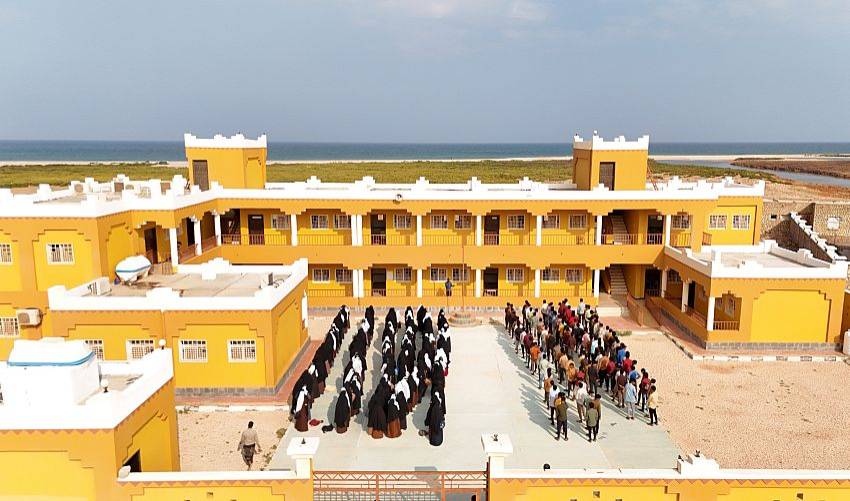
The Saudi Minister of Defense during his meeting with the family of the deceased, led by his brother Major General Nasser Mansour Hadi (SPA)
TT

Saudi Defense Minister Conveys Leadership’s Condolences on Death of Former Yemeni President

The Saudi Minister of Defense during his meeting with the family of the deceased, led by his brother Major General Nasser Mansour Hadi (SPA)

Saudi Minister of Defense Prince Khalid bin Salman bin Abdulaziz conveyed the condolences of Custodian of the Two Holy Mosques King Salman bin Abdulaziz Al Saud and Prince Mohammed bin Salman bin Abdulaziz Al Saud, Crown Prince and Prime Minister, to the family of former Yemeni President Abdrabbuh Mansour Hadi following his death.

During a meeting with the family in Riyadh, Prince Khalid expressed his deepest condolences to the family and to Yemen, its leadership, and its people.

The minister praised the late president’s leadership and his dedication to Yemen’s security, stability, development, and prosperity.

Prince Khalid prayed to Allah Almighty to bestow His mercy and forgiveness upon the deceased, grant him Paradise, and provide his family and the Yemeni people with patience and solace.

He also prayed for continued security and stability for Yemen and its people.


Saudi Hajj Minister Discusses Improvements, Preparations for Next Season

Dr. Tawfiq Al-Rabiah reviewed key opportunities and development initiatives for the Hajj season during the meeting. (SPA)
TT

Saudi Hajj Minister Discusses Improvements, Preparations for Next Season

Dr. Tawfiq Al-Rabiah reviewed key opportunities and development initiatives for the Hajj season during the meeting. (SPA)

Saudi Minister of Hajj and Umrah Dr. Tawfiq Al-Rabiah met on Friday with representatives of Hajj companies in Mina to evaluate performance, discuss areas for improvement, and begin early preparations for next year’s Hajj.

Al-Rabiah praised the support provided to the Hajj by Custodian of the Two Holy Mosques King Salman bin Abdulaziz and Prince Mohammed bin Salman, Crown Prince and Prime Minister, saying their backing has helped in improving services for pilgrims and boosting their overall experience.

He commended the ongoing supervision and follow-up by Interior Minister Prince Abdulaziz bin Saud bin Naif bin Abdulaziz, chairman of the Supreme Hajj Committee, which he said helped strengthen coordination and improve operational efficiency during the Hajj season.

Al-Rabiah stressed that preparations for next year’s pilgrimage begin before the current season ends, reflecting the Hajj system’s continuous-work approach aimed at improving service quality and elevating the experience of pilgrims.

The minister stressed the importance of building on the successes achieved during this year’s Hajj and benefiting from lessons learned, performance indicators, and pilgrim satisfaction surveys.

Continuous development remains a core principle of the system serving the pilgrims, he declared.

The meeting reviewed several development initiatives related to digital services, contracting mechanisms, improving the pilgrim experience, and increasing the efficiency of services in housing, transportation, crowd movement, and support services.

The meeting falls within the ministry’s broader efforts to prepare early for the next Hajj season in line with the leadership’s directives to care for pilgrims and continue developing the Hajj system in a way that supports the objectives of the Pilgrim Experience Program, one of the initiatives of Saudi Vision 2030, and enhances the pilgrim experience throughout every stage of the spiritual journey.


Iraq Condemns Rocket Attacks against Kuwait

Kuwait blamed Iran for the attack, saying it was a dangerous escalation and violation of its sovereignty. (KUNA)
TT

Iraq Condemns Rocket Attacks against Kuwait

Kuwait blamed Iran for the attack, saying it was a dangerous escalation and violation of its sovereignty. (KUNA)

Iraq condemned on Friday the rocket and drone attacks against Kuwait earlier this week.

Kuwait blamed Iran for the attack, saying it was a dangerous escalation and violation of its sovereignty and security.

The Iraqi Foreign Ministry underscored Iraq’s “rejection of all acts that threaten the security and stability of countries in the region.”

In a statement, it urged the need for restraint and avert escalation in the region, calling for dialogue and diplomacy to resolve crises.

Iraq supports all international and regional efforts aimed at preventing the circle of violence from expanding, it added.

It also backs efforts to reach peaceful solutions that preserve the security and stability of the peoples of the region.

Iraq did not pin blame on Iran. Kuwait condemned “the Iranian attacks” that targeted its territories, saying they were a “direct threat to civilians and vital installations.”

The US military on Thursday accused Iran of violating the fragile ceasefire in the region following the attack.
