Google Boss Warns No Company Immune If AI Bubble Bursts

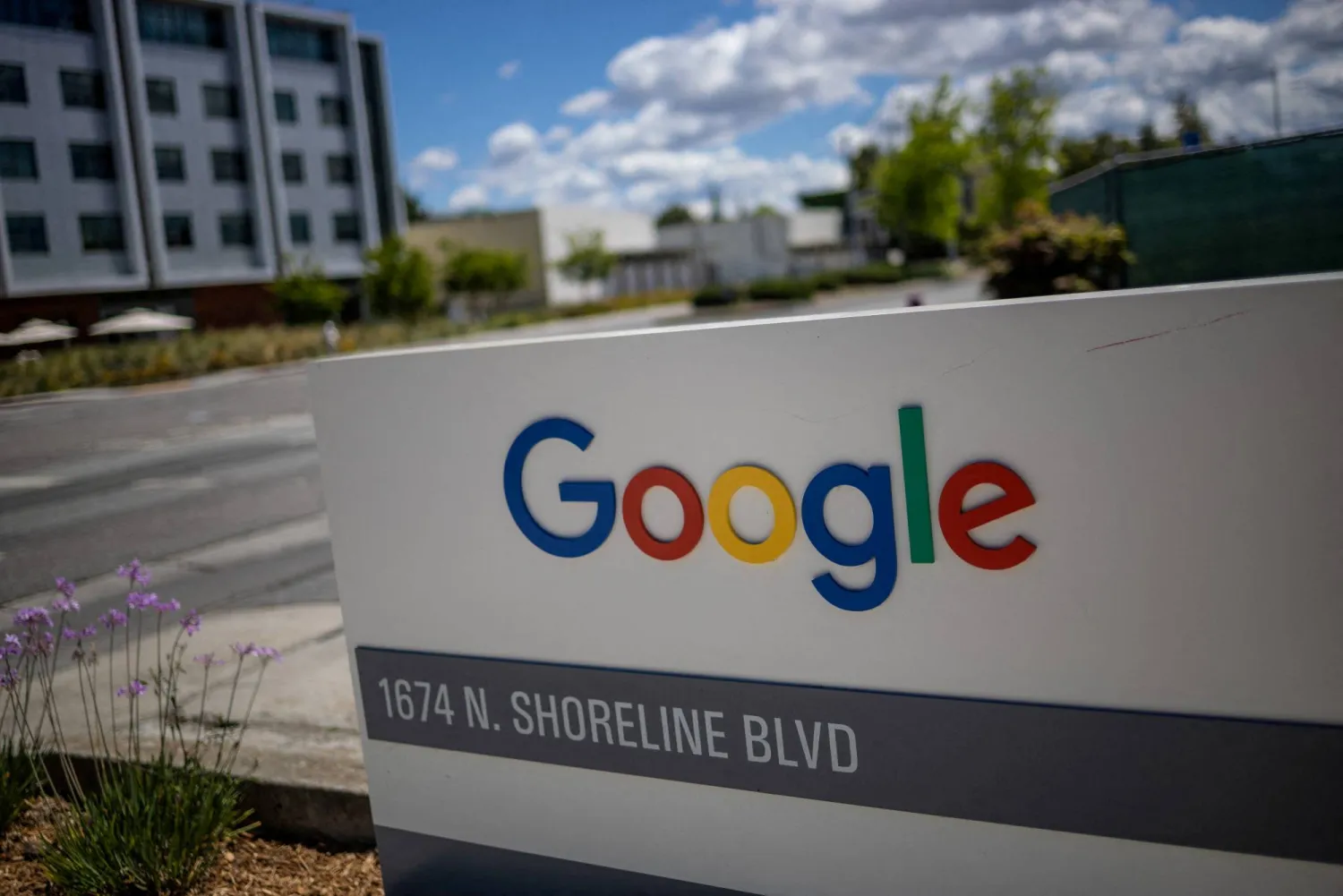
FILE PHOTO: A Google logo is seen at a company research facility in Mountain View, California, US, May 13, 2025. REUTERS/Carlos Barria/File Photo
TT

Google Boss Warns No Company Immune If AI Bubble Bursts

FILE PHOTO: A Google logo is seen at a company research facility in Mountain View, California, US, May 13, 2025. REUTERS/Carlos Barria/File Photo

The head of Google's parent company Alphabet warned that every company would be impacted if the AI bubble were to burst, in an interview to the BBC.

Sundai Pichai acknowledged there was "irrationality" behind the boom in artificial intelligence investment, which has fueled a tech rally this year.

But fears that the AI bubble could burst have led to a selloff, sending global stock markets tumbling in recent months.

Asked if Google would be impacted by the AI bubble bursting, Pichai told the BBC: "I think no company is going to be immune, including us."

The interview, published late Monday, covered long-standing concerns surrounding AI, including energy needs, reducing climate targets, accuracy and the impact of AI on jobs.

Pichai warned of the "immense" energy requirements of AI, which accounted for 1.5 percent of global electricity consumption last year, according to the International Energy Agency.

AI's global computing footprint could reach 200 gigawatts by 2030 -- the annual equivalent of Brazil's electric consumption -- half of that in the United States.

Geopolitical tensions have helped drive a tech frenzy to build massive data centers housing tens of thousands of chips requiring a phenomenal amount of electrical power and large-scale cool.

Pichai said action was needed to develop new energy sources and strengthen infrastructure.

The tech boss also acknowledged that the energy needs of Alphabet's AI operations would delay the company's climate goals, but insisted the company was still aiming for carbon neutrality by 2030.

AI will also have an impact on work as we know it, he said.

Pichai said it would cause "societal disruptions," even potentially replace CEOs, and "people will have to adapt."

He insisted those who adapt to AI "will do better."

"It doesn't matter if you want to be a teacher or a doctor. All those professions will be around, but the people who will do well in each of those professions are people who learn how to use these tools."

Alphabet reported its first $100 billion quarterly revenue in October, which it said was buoyed by its ability to capitalize on the AI boom.

The tech giant has ramped up spending to meet demand for AI infrastructure and pushed a global rollout of AI features in Google Search and the company's Gemini AI models.


Siemens Energy Trebles Profit as AI Boosts Power Demand

FILED - 05 August 2025, Berlin: The "Siemens Energy" logo can be seen in the entrance area of the company. Photo: Britta Pedersen/dpa
TT

Siemens Energy Trebles Profit as AI Boosts Power Demand

FILED - 05 August 2025, Berlin: The "Siemens Energy" logo can be seen in the entrance area of the company. Photo: Britta Pedersen/dpa

German turbine maker Siemens Energy said Wednesday that its quarterly profits had almost tripled as the firm gains from surging demand for electricity driven by the artificial intelligence boom.

The company's gas turbines are used to generate electricity for data centers that provide computing power for AI, and have been in hot demand as US tech giants like OpenAI and Meta rapidly build more of the sites.

Net profit in the group's fiscal first quarter, to end-December, climbed to 746 million euros ($889 million) from 252 million euros a year earlier.

Orders -- an indicator of future sales -- increased by a third to 17.6 billion euros.

The company's shares rose over five percent in Frankfurt trading, putting the stock up about a quarter since the start of the year and making it the best performer to date in Germany's blue-chip DAX index.

"Siemens Energy ticked all of the major boxes that investors were looking for with these results," Morgan Stanley analysts wrote in a note, adding that the company's gas turbine orders were "exceptionally strong".

US data center electricity consumption is projected to more than triple by 2035, according to the International Energy Agency, and already accounts for six to eight percent of US electricity use.

Asked about rising orders on an earnings call, Siemens Energy CEO Christian Bruch said he thought the first-quarter figures were not "particularly strong" and that further growth could be expected.

"Demand for gas turbines is extremely high," he said. "We're talking about 2029 and 2030 for delivery dates."

Siemens Energy, spun out of the broader Siemens group in 2020, said last week that it would spend $1 billion expanding its US operations, including a new equipment plant in Mississippi as part of wider plans that would create 1,500 jobs.

Its shares have increased over tenfold since 2023, when the German government had to provide the firm with credit guarantees after quality problems at its wind-turbine unit.


Instagram Boss to Testify at Social Media Addiction Trial 

The Instagram app icon is seen on a smartphone in this illustration taken October 27, 2025. (Reuters)
TT

Instagram Boss to Testify at Social Media Addiction Trial 

The Instagram app icon is seen on a smartphone in this illustration taken October 27, 2025. (Reuters)

Instagram chief Adam Mosseri is to be called to testify Wednesday in a Los Angeles courtroom by lawyers out to prove social media is dangerously addictive by design to young, vulnerable minds.

YouTube and Meta -- the parent company of Instagram and Facebook -- are defendants in a blockbuster trial that could set a legal precedent regarding whether social media giants deliberately designed their platforms to be addictive to children.

Rival lawyers made opening remarks to jurors this week, with an attorney for YouTube insisting that the Google-owned video platform was neither intentionally addictive nor technically social media.

"It's not social media addiction when it's not social media and it's not addiction," YouTube lawyer Luis Li told the 12 jurors during his opening remarks.

The civil trial in California state court centers on allegations that a 20-year-old woman, identified as Kaley G.M., suffered severe mental harm after becoming addicted to social media as a child.

She started using YouTube at six and joined Instagram at 11, before moving on to Snapchat and TikTok two or three years later.

The plaintiff "is not addicted to YouTube. You can listen to her own words -- she said so, her doctor said so, her father said so," Li said, citing evidence he said would be detailed at trial.

Li's opening arguments followed remarks on Monday from lawyers for the plaintiffs and co-defendant Meta.

On Monday, the plaintiffs' attorney Mark Lanier told the jury YouTube and Meta both engineer addiction in young people's brains to gain users and profits.

"This case is about two of the richest corporations in history who have engineered addiction in children's brains," Lanier said.

"They don't only build apps; they build traps."

But Li told the six men and six women on the jury that he did not recognize the description of YouTube put forth by the other side and tried to draw a clear line between YouTube's widely popular video app and social media platforms like Instagram or TikTok.

YouTube is selling "the ability to watch something essentially for free on your computer, on your phone, on your iPad," Li insisted, comparing the service to Netflix or traditional TV.

Li said it was the quality of content that kept users coming back, citing internal company emails that he said showed executives rejecting a pursuit of internet virality in favor of educational and more socially useful content.

- 'Gateway drug' -

Stanford University School of Medicine professor Anna Lembke, the first witness called by the plaintiffs, testified that she views social media, broadly speaking, as a drug.

The part of the brain that acts as a brake when it comes to having another hit is not typically developed before a person is 25 years old, Lembke, the author of the book "Dopamine Nation," told jurors.

"Which is why teenagers will often take risks that they shouldn't and not appreciate future consequences," Lembke testified.

"And typically, the gateway drug is the most easily accessible drug," she said, describing Kaley's first use of YouTube at the age of six.

The case is being treated as a bellwether proceeding whose outcome could set the tone for a wave of similar litigation across the United States.

Social media firms face hundreds of lawsuits accusing them of leading young users to become addicted to content and suffer from depression, eating disorders, psychiatric hospitalization, and even suicide.

Lawyers for the plaintiffs are borrowing strategies used in the 1990s and 2000s against the tobacco industry, which faced a similar onslaught of lawsuits arguing that companies knowingly sold a harmful product.


OpenAI Starts Testing Ads in ChatGPT

The OpenAI logo is seen in this illustration taken May 20, 2024. (Reuters)
TT

OpenAI Starts Testing Ads in ChatGPT

The OpenAI logo is seen in this illustration taken May 20, 2024. (Reuters)

OpenAI has begun placing ads in the basic versions of its ChatGPT chatbot, a bet that users will not mind the interruptions as the company seeks revenue as its costs soar.

"The test will be for logged-in adult users on the Free and Go subscription tiers" in the United States, OpenAI said Monday. The Go subscription costs $8 in the United States.

Only a small percentage of its nearly one billion users pay for its premium subscription services, which will remain ad-free.

"Ads do not influence the answers ChatGPT gives you, and we keep your conversations with ChatGPT private from advertisers," the company said.

Since ChatGPT's launch in 2022, OpenAI's valuation has soared to $500 billion in funding rounds -- higher than any other private company. Some analysts expect it could go public with a trillion-dollar valuation.

But the ChatGPT maker burns through cash at a furious rate, mostly on the powerful computing required to deliver its services.

Its chief executive Sam Altman had long expressed his dislike for advertising, citing concerns that it could create distrust about ChatGPT's content.

His about-face garnered a jab from its rival Anthropic over the weekend, which made its advertising debut at the Super Bowl championship with commercials saying its Claude chatbot would stay ad-free.