

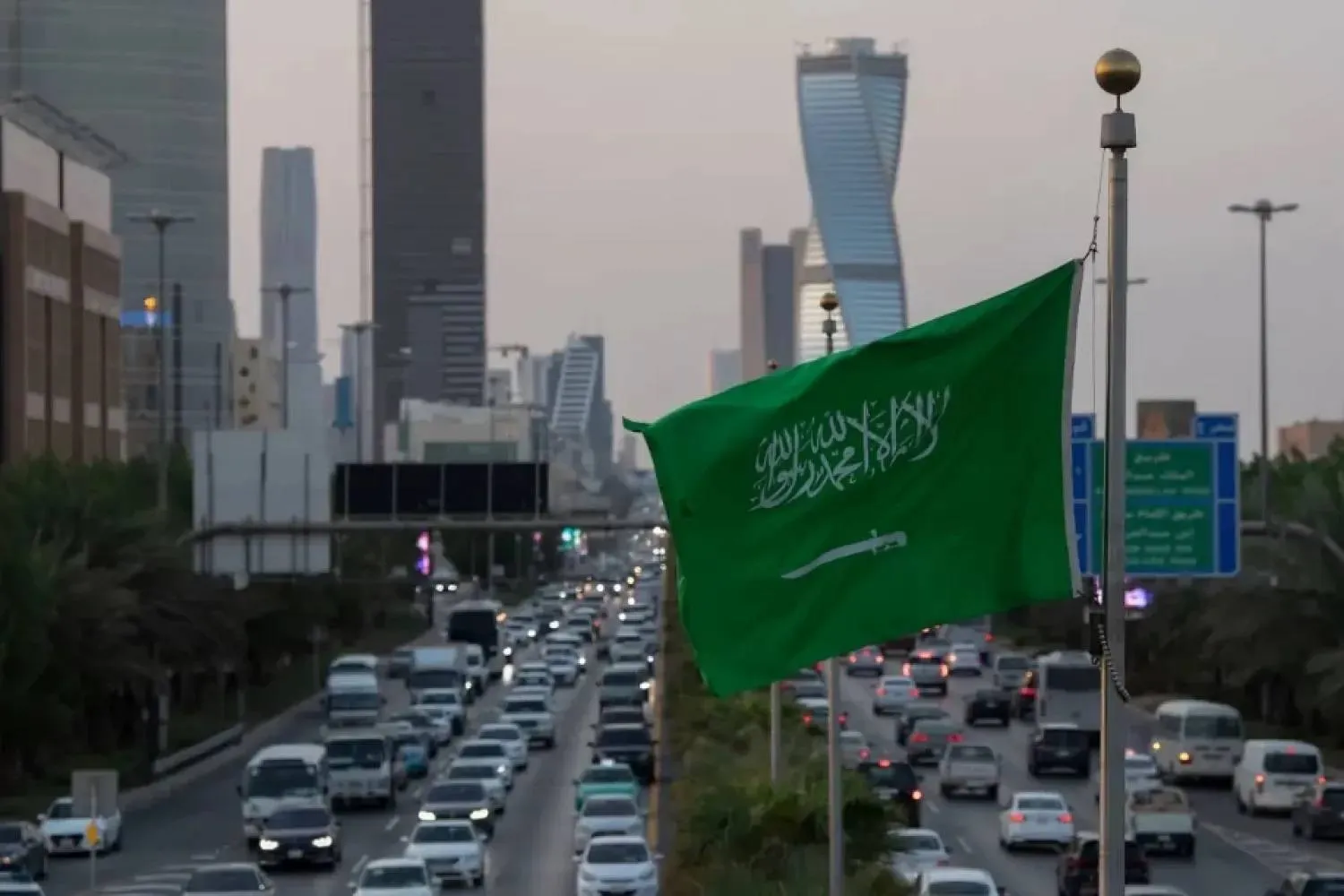

Saudi Economy Poised for Strong Non-Oil Momentum in 2026

A general view of the Saudi capital Riyadh. (SPA)
TT

Saudi Economy Poised for Strong Non-Oil Momentum in 2026

A general view of the Saudi capital Riyadh. (SPA)

Saudi Arabia enters 2026 amid an accelerating transformation driven by Vision 2030 targets, even as global economic growth slows to about 3.1% and global inflation eases to roughly 3.7%, according to IMF estimates.

With geopolitical tensions and protectionist policies heightening global uncertainty, the Kingdom is betting on robust domestic demand and a broader non-oil base to secure more sustainable growth and reduce exposure to oil-market volatility.

Finance Ministry projections point to real GDP growth of 4.6% in 2026, led by non-oil activities as the main engine of expansion. This momentum reflects the rapid development of promising sectors, from tourism and entertainment to industry, transport and logistics, which have lifted their contribution to output. In 2024, non-oil activities reached a record SAR 2.6 trillion ($693 billion), growing 6%.

Continued growth

Alongside growth, a structural shift is evident on two fronts. First, digital transformation is accelerating: electronic payments accounted for 79% of individual transactions in 2024, e-commerce sales surged 64.3% by end-August 2025, and point-of-sale sales rose 6.1%. Second, the private sector and investment are playing a larger role. The purchasing managers’ index stood at a robust 60.2 points in October 2025, signaling stronger demand, output and hiring.

On macro stability, the 2026 budget statement forecasts inflation at 2%, supported by “flexible and balanced” fiscal policies focused on spending efficiency, service quality and the continued rollout of priority megaprojects.

Net foreign direct investment inflows reached SAR 46.5 billion ($12.4 billion) in the first half of 2025, up 29.2%, underscoring sustained confidence in the business environment.

Expansion of promising activities

Economic indicators in 2025 extended the strong results of 2024. From the start of 2025 through the third quarter, real GDP grew 4.1% year on year, driven by a 4.7% expansion in non-oil activities.

Quarterly growth in non-oil sectors reached 4.9% in Q1 and 4.6% in Q2, with wholesale and retail trade, restaurants and hotels up 6.6%; finance, insurance and business services up 5%; and construction up 3.8%. Preliminary estimates show non-oil growth of 4.5% in Q3.

Oil activities grew 3.9% over the same period, reflecting market developments linked to a gradual phase-out of an additional voluntary cut of 2.2 million barrels per day from April to September 2025.

Government activities expanded 1.9%, supported by faster execution of projects with lasting economic impact.

On the demand side, real private final consumption rose 3.5% in the first half of 2025, buoyed by localization programs and an improving labor market. Non-government fixed capital formation increased 4.6%, driven by a 5.2% rise in non-oil investment.

Labor market, tourism and trade

Labor market indicators improved further: overall unemployment fell to 3.2% in Q2 2025, while Saudi unemployment declined to 6.8%. Female participation reached 34.5%, and the number of Saudis employed in the private sector rose by 144,100 year on year to around 2.5 million.

Tourism played a pivotal role. Saudi Arabia ranked first globally in growth of international tourism receipts in Q1 2025 versus Q1 2019, and third in international arrivals, with a 102% increase, supporting the goal of welcoming 150 million visitors annually by 2030.

Average inflation from early 2025 through October hovered near 2%, with the full-year average expected around 2.3%. The goods trade balance posted a surplus of SAR 162 billion ($43.2 billion) through Q3 2025, aided by 17.7% growth in non-oil exports.

Imports rose 10.4%, largely intermediate and capital goods. The travel account recorded a surplus of SAR 32.2 billion in the first half.

Finance, markets and fiscal policy

Banking assets exceeded SAR 4.9 trillion by September 2025, with credit above SAR 3.2 trillion. Corporate lending climbed 19%, non-performing loans fell below 1.2%, and capital adequacy exceeded 19.6%. Equity markets saw 14 listings by end-September, rising institutional participation, and increased foreign ownership.

Preliminary estimates put the 2025 budget deficit at SAR 245 billion (5.3% of GDP), reflecting a flexible fiscal stance supporting transformation. Public debt stood near SAR 1.47 trillion by Q3, with reserves maintained at about SAR 390 billion.


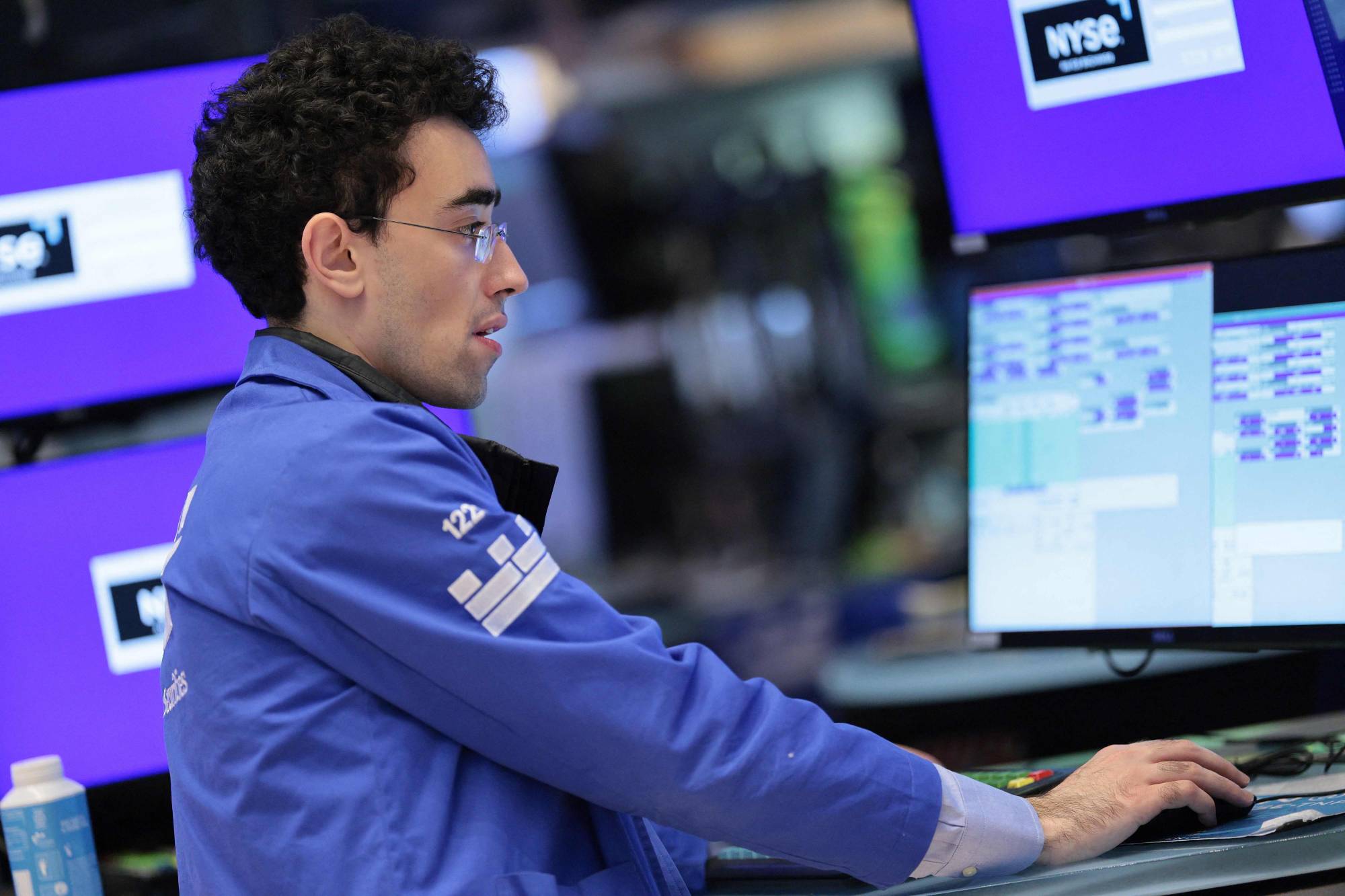
Saudi Tadawul to Open Fully to Direct Foreign Investment from Feb. 1

A view of the Saudi capital Riyadh. (Reuters)
TT

Saudi Tadawul to Open Fully to Direct Foreign Investment from Feb. 1

A view of the Saudi capital Riyadh. (Reuters)

Saudi Arabia’s Capital Market Authority (CMA) announced a landmark reform allowing all categories of foreign investors to invest directly in the Kingdom’s main stock market, Tadawul, starting February 1.

The move signals a strategic repositioning of the Saudi market as a highly competitive global investment destination.

The CMA has scrapped the “qualified foreign investor” requirement and abolished swap agreements, granting international investors full rights to direct share ownership.

The decision is underpinned by strong foreign investment momentum exceeding $157 billion and rising global confidence in the sustainability of Saudi economic growth.

The reform is also expected to increase Saudi Arabia’s weighting in major global indices, including MSCI and FTSE.

Under the new regulatory framework approved by the CMA’s board, the market shifts from “conditional openness” to “full openness.” Non-resident foreign investors will no longer be required to meet prior qualification criteria to access the main market.

The abolition of swap agreements - previously limiting investors to economic benefits without ownership - will allow foreign investors to hold shares directly and exercise full shareholder rights. This is expected to significantly boost liquidity and attract new institutional and individual investors.

According to the CMA, the amendments aim to expand and diversify the investor base, support capital inflows, and strengthen market liquidity.

By the end of the third quarter of 2025, international investors’ ownership in the Saudi market had surpassed SAR 590 billion ($157.3 billion), while foreign investment in the main market reached around SAR 519 billion, up from SAR 498 billion at the end of 2024. The Authority expects the new framework to draw additional international capital.

The steady rise in foreign investment, even before the reforms take effect, points to a potential surge in inflows in 2026 once the decision is implemented.

The announcement builds on earlier steps taken in July 2025, when the CMA eased procedures for opening and operating investment accounts for certain investor categories, including foreign individuals residing in Gulf Cooperation Council (GCC) states or with prior residency in Saudi Arabia or other GCC countries.

The latest changes align with the CMA’s phased approach to market liberalization and follow the publication, in October 2025, of a draft regulatory framework for public consultation.

The Authority said further steps will follow to deepen market openness and strengthen Tadawul’s position as a global financial hub.


China’s Top Diplomat Tours Africa with Focus on Strategic Trade Routes

China's Foreign Minister Wang Yi delivers a speech at the ministerial conference of the 2024 Summit of the Forum on China-Africa Cooperation (FOCAC) in Beijing, China September 3, 2024. (Reuters)
TT

China’s Top Diplomat Tours Africa with Focus on Strategic Trade Routes

China's Foreign Minister Wang Yi delivers a speech at the ministerial conference of the 2024 Summit of the Forum on China-Africa Cooperation (FOCAC) in Beijing, China September 3, 2024. (Reuters)

China’s top diplomat began his annual New Year tour of Africa on Wednesday, focusing on strategic trade access across eastern and southern Africa as Beijing seeks to secure key shipping ​routes and resource supply lines.

Foreign Minister Wang Yi will travel to Ethiopia, Africa's fastest-growing large economy; Somalia, a Horn of Africa state offering access to key global shipping lanes; Tanzania, a logistics hub linking minerals-rich central Africa to the Indian Ocean; and Lesotho, a small southern African economy squeezed by US trade measures, on this year’s trip, which runs until January 12.

Beijing aims to highlight countries it views as model partners of President Xi Jinping's flagship "Belt and Road" infrastructure program and to expand export markets, particularly in young, ‌increasingly affluent ‌economies such as Ethiopia, where the IMF forecasts growth of ‌7.2% ⁠this ​year.

China, ‌the world's largest bilateral lender, faces growing competition from the European Union to finance African infrastructure, as countries hit by pandemic-era debt strains now seek investment over loans.

"Foreign Minister Wang's visit aims to deepen political and mutual trust," a ministry spokesperson said, adding that the trip would "strengthen exchanges and mutual understanding between the two great civilizations of China and Africa."

Wang opened 2025 by visiting Namibia, the Republic of Congo, Chad and Nigeria.

FIRST DIPLOMATIC MISSION TO SOMALIA IN DECADES

His upcoming visit ⁠to Somalia will be the first by a Chinese foreign minister since the 1980s and is expected to provide Mogadishu ‌with a diplomatic boost after Israel became the first ‍country to formally recognize the breakaway ‍Republic of Somaliland, a northern region that declared itself independent in 1991.

Beijing, which reiterated its ‍support for Somalia after the Israeli announcement in December, is keen to reinforce its influence around the Gulf of Aden, the entrance to the Red Sea and a vital corridor for Chinese trade transiting the Suez Canal to Europe.

Further south, Tanzania is central to Beijing's plan to secure access to ​Africa's vast copper deposits. Chinese firms are refurbishing the Tazara Railway that runs through the country into Zambia. Li Qiang made a landmark trip ⁠to Zambia in November, the first visit by a Chinese premier in 28 years.

The railway is widely seen as a counterweight to the US and European Union-backed Lobito Corridor, which connects Zambia to Atlantic ports via Angola and the Democratic Republic of the Congo.

CHINA CHAMPIONS FREE TRADE IN LESOTHO

By visiting the southern African kingdom of Lesotho, Wang aims to highlight Beijing's push to position itself as a champion of free trade.

Last year, China offered tariff-free market access to its $19 trillion economy for the world's poorest nations, fulfilling a pledge by Chinese President Xi Jinping at the 2024 China-Africa Cooperation summit in Beijing.

Lesotho, one of the world's poorest nations with a gross domestic product of just over $2 billion, was among the countries hardest ‌hit by US President Donald Trump's sweeping tariffs last year, facing duties of up to 50% on its exports to the United States.


Morocco to Ban Frozen Sardine Exports from February

Passengers walk in front of Fes Railway Station, decorated with Africa Cup of Nations (AFCON) theme colors and flags, in the Moroccan city of Fes, January 5, 2026. (Reuters)
TT

Morocco to Ban Frozen Sardine Exports from February

Passengers walk in front of Fes Railway Station, decorated with Africa Cup of Nations (AFCON) theme colors and flags, in the Moroccan city of Fes, January 5, 2026. (Reuters)

Morocco will halt exports of frozen sardines from February ​1 to protect domestic supplies and contain prices, the cabinet member in charge of fisheries, Zakia Driouich, said.

Sardines are a staple for ‌Moroccan households, ‌and ‌the country ⁠is ​the ‌world's top exporter of the fish, thanks to its long Atlantic and Mediterranean coastlines.

The decision was triggered by a noticeable ⁠drop in supply, Driouich told ‌members of parliament ‍late on ‍Tuesday, without specifying how ‍long the ban would last.

Pelagic species such as sardines account for around 80% ​of Morocco's coastal fish resources, compared with 20% ⁠for white fish, she said.

The national canned-sardine industry (UNICOP) urged authorities in June to act against illegal fishing after reporting falling catches.

Morocco's sardine landings dropped 46% in 2024 to 525,000 metric tons, according ‌to official data.
