
Enayati to Asharq Al-Awsat: Saudi Arabia is a Pivotal Partner, Relations Are ‘Shielded’

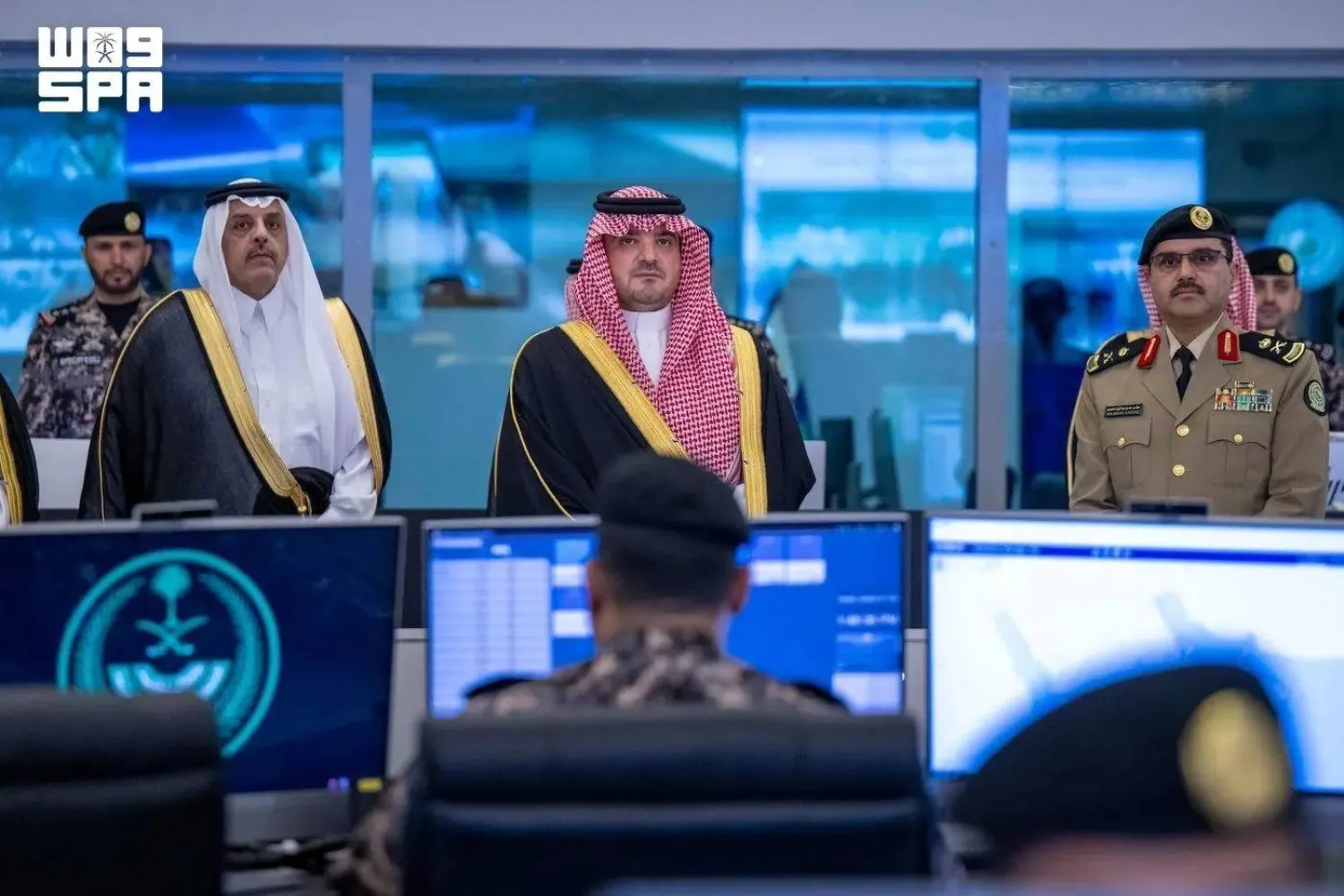
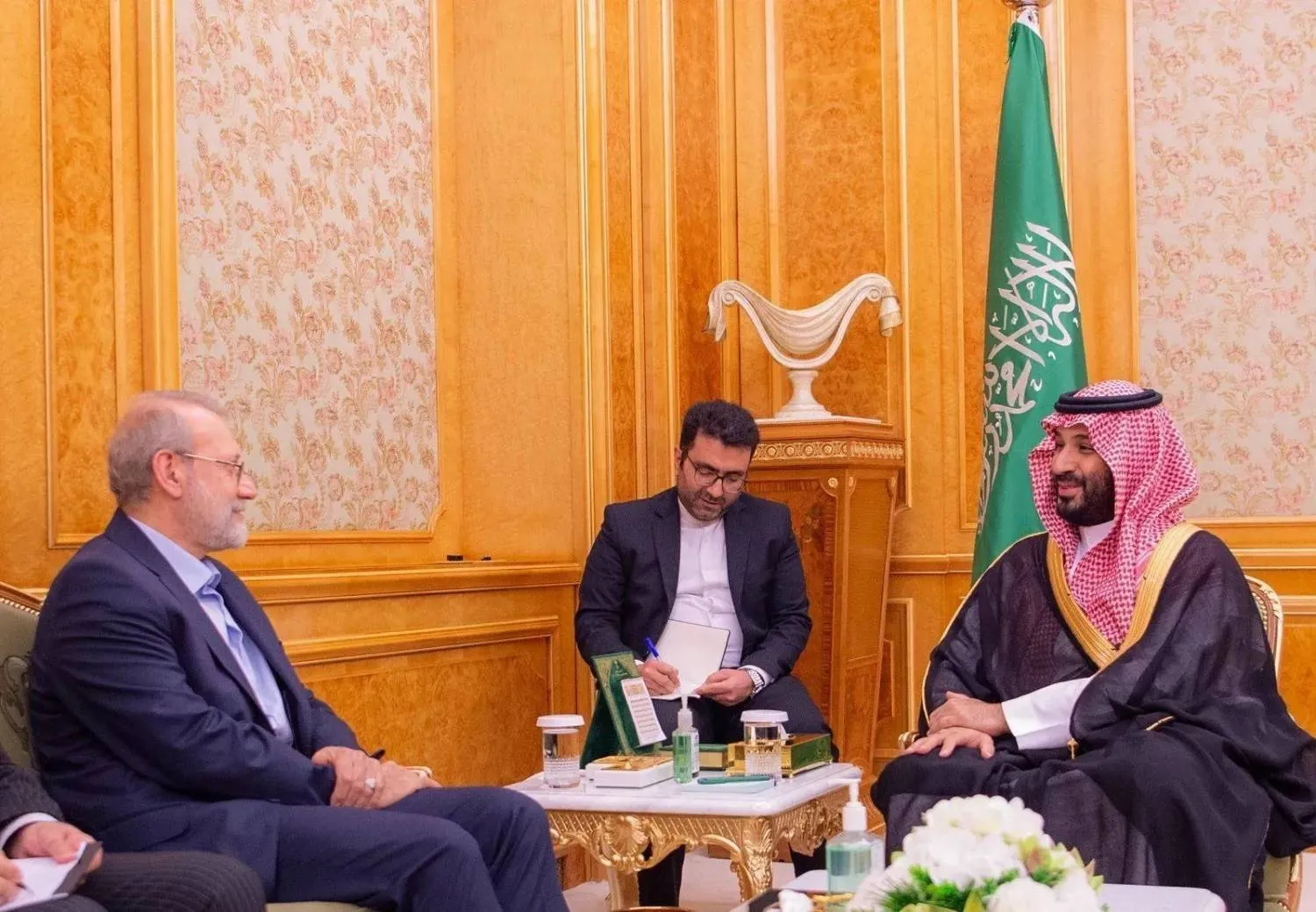
The Saudi Crown Prince during his reception of the Secretary General of Iran’s Supreme National Security Council in September (SPA)
TT

Enayati to Asharq Al-Awsat: Saudi Arabia is a Pivotal Partner, Relations Are ‘Shielded’

The Saudi Crown Prince during his reception of the Secretary General of Iran’s Supreme National Security Council in September (SPA)

The Iranian ambassador to Riyadh said relations with Saudi Arabia are “shielded” and cannot be undermined, stressing that both countries share a commitment to regional security and stability, and to avoiding escalation that could unsettle the region.

In remarks to Asharq Al-Awsat, Alireza Enayati said there is ongoing coordination between the two countries, including visits and meetings, some public and others conducted away from the spotlight.

“We must recognize the sensitivity of the current situation amid recurring threats facing the region and the risk of sliding into unprecedented escalation,” Enayati said.

“The Islamic Republic of Iran believes that regional stability serves the interests of all countries. This has been repeatedly affirmed during our meetings and discussions with Saudi officials.”

A senior Saudi official had told Asharq Al-Awsat on Saturday that reports circulated by some media outlets about a shift in the Kingdom’s stance on regional escalation were inaccurate.

The official said Saudi Arabia supports efforts to reach peaceful solutions to all outstanding issues between the United States and Iran through dialogue and diplomacy, stressing the Kingdom’s rejection of the use of its airspace or territory for any military action against Iran.

Saudi Arabia as a Pivotal State

The Iranian diplomat emphasized that Tehran considers Saudi Arabia a pivotal and influential country in the region, noting that cooperation between the two sides on issues of mutual interest contributes to strengthening regional security and stability.

He said Iran and Saudi Arabia are keen on maintaining the region’s security and stability and stress the importance of avoiding escalation that could disturb regional calm.

He added that consultations are underway, based on a strategic conviction shared by both sides that serves their respective interests and those of the region as a whole.

According to Enayati, the Kingdom views Iran as a reliable partner, while Iran regards Saudi Arabia as an important and effective regional actor. Cooperation between the two countries on shared concerns, he said, helps reinforce regional security and stability.

“Shielded” Relations

Enayati said these relations are shielded and cannot be compromised, thanks to the leaderships of both countries and their understanding of the inevitability and importance of maintaining and developing these ties, with positive implications for all parties.

He recalled Saudi Arabia’s supportive stance toward Iran during the recent Israeli war, saying Tehran welcomed the Kingdom’s position, which strongly condemned the Israeli aggression. The diplomat added that any harm to Iran affects the security of the entire region, a reality reflected in constructive regional positions, including that of Saudi Arabia.

Negotiating Framework with Washington

On reports of a negotiating framework taking shape between Iran and the United States, Enayati said Iran entered negotiations in 2015 and again in 2025 with full seriousness, but that Washington withdrew and handled the process inconsistently.

“If the United States is serious about an equal dialogue without preconditions, Iran welcomes that,” he said, adding that Iranian officials have repeatedly affirmed this position.

He noted that while recent statements suggest work is ongoing on a framework for talks, negotiations cannot begin with predetermined outcomes. Results, he said, must emerge from the negotiating process itself, not be imposed in advance.

Last week, Saudi Crown Prince Mohammed bin Salman reaffirmed during a phone call with Iranian President Masoud Pezeshkian the Kingdom’s support for efforts to resolve differences through dialogue in a way that enhances regional security and stability.

The Crown Prince stressed Saudi respect for Iran’s sovereignty and its refusal to allow the use of Saudi airspace or territory for any military actions against Iran.

Pezeshkian, in turn, thanked the Kingdom for its firm stance on respecting Iran’s sovereignty and territorial integrity and praised the Crown Prince’s efforts to promote regional security and stability.

EU, Gulf States Urge Iran to End Attacks Threatening 'Global Security'

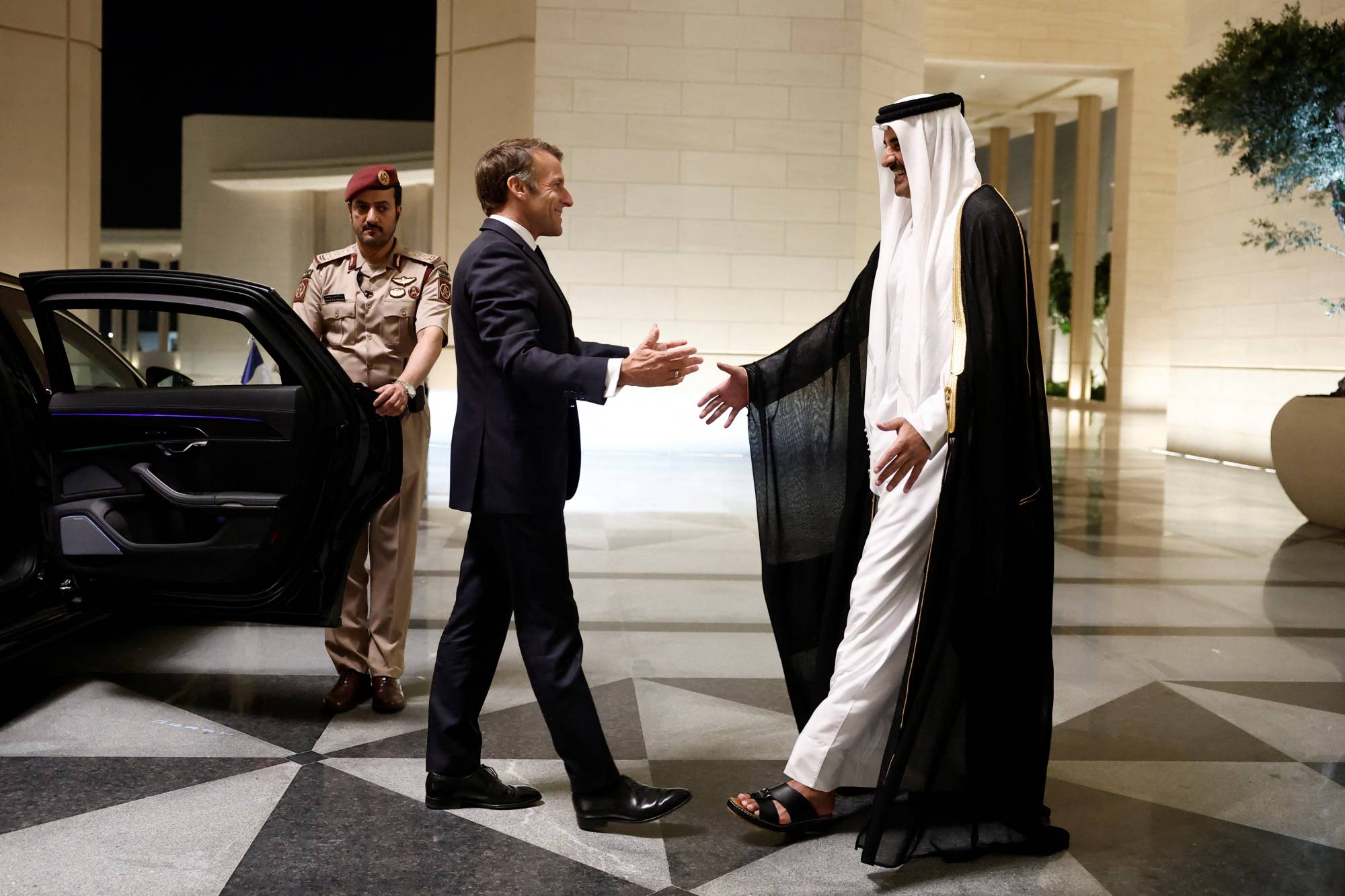
EU and Gulf ministers called following crisis talks Thursday for Iran to immediately end "indiscriminate" attacks across the region (EU)
TT

EU, Gulf States Urge Iran to End Attacks Threatening 'Global Security'

EU and Gulf ministers called following crisis talks Thursday for Iran to immediately end "indiscriminate" attacks across the region (EU)

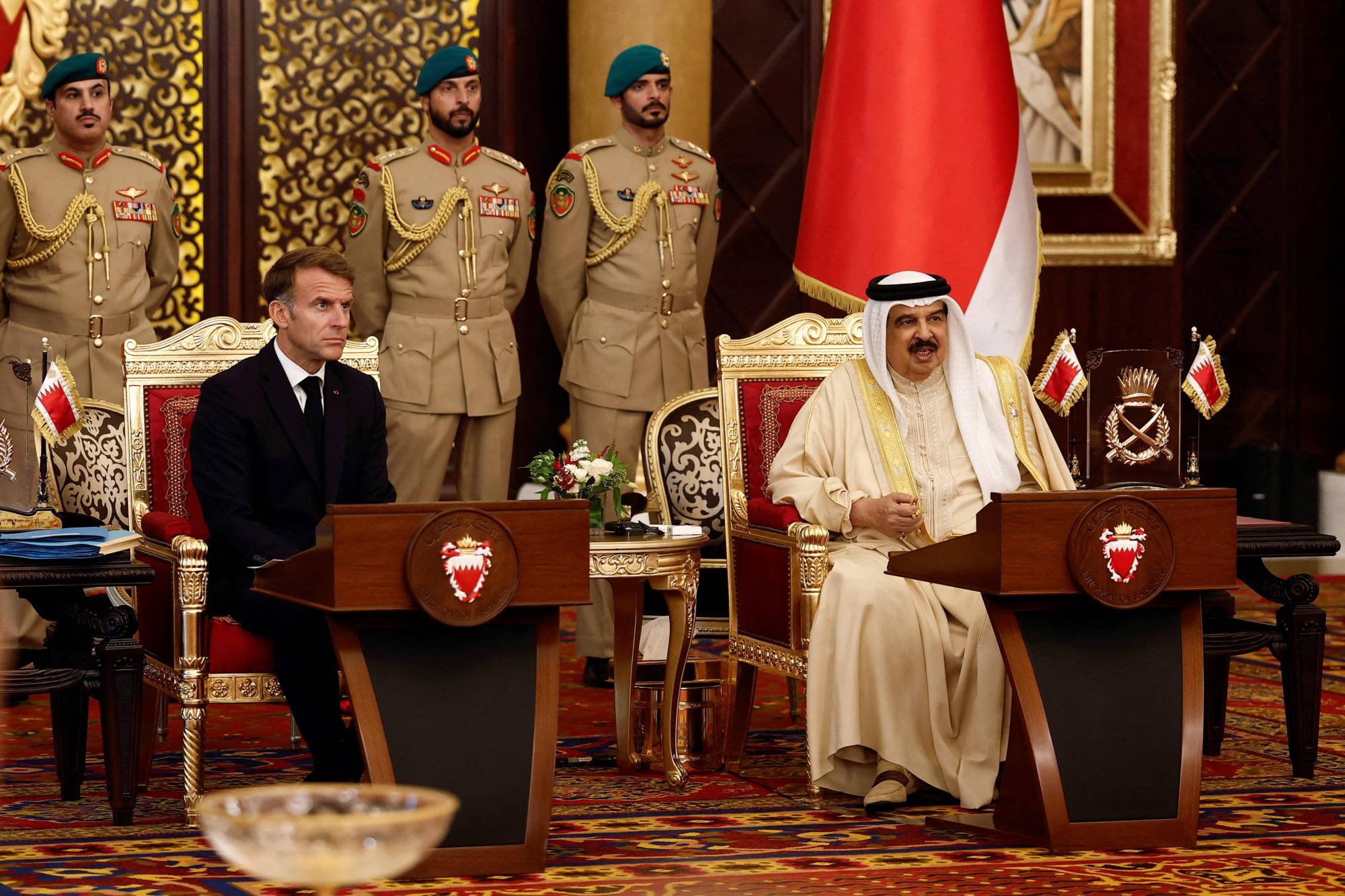
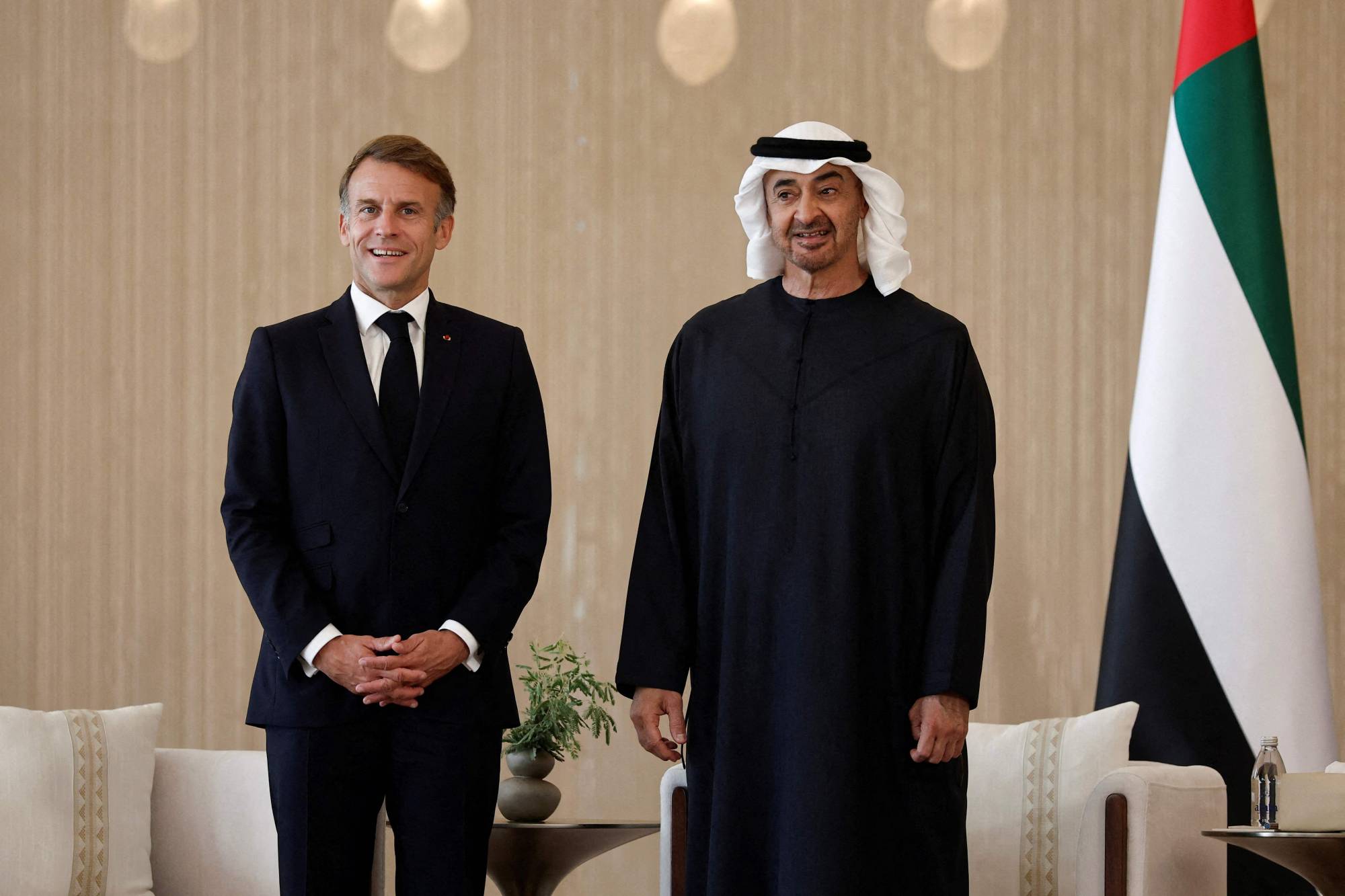
EU and Gulf ministers called following crisis talks Thursday for Iran to immediately end "indiscriminate" attacks across the region in retaliation for US-Israeli attacks, warning global security was at stake.

The foreign ministers met by video link as Iran stepped up attacks on countries of the Gulf Cooperation Council.

"The ministers strongly condemned the unjustifiable Iranian attacks against the GCC countries which threaten regional and global security and called on Iran to cease immediately its attacks," said a joint statement issued afterwards, AFP reported.

Addressing the fallout of "indiscriminate" Iranian attacks, they also "affirmed that the GCC states have the right to take all necessary measures" to defend themselves.

EU and Gulf ministers jointly reaffirmed their "unwavering commitment to dialogue and diplomacy" as a means to resolve the crisis.

They pledged "joint diplomatic efforts" for a lasting solution to prevent Iran from acquiring a nuclear weapon and for it to "cease production and proliferation" of ballistic missiles and drones.

EU foreign policy chief Kaja Kallas, who chaired the talks, earlier said the bloc was looking to help Gulf nations fend off Iranian drone strikes, but warned supplies of relevant kit might be limited.

Speaking ahead of the talks, Kallas warned production of drone interceptors would struggle to keep up with high demand both in Ukraine and now the Middle East.

"Everybody has the need for air defense... So there is really a problem with production," she told journalists in Brussels, adding Europe needed to "speed up" production.

"I'm worried that the capabilities are limited," she said.


Saudi Arabia Strongly Condemns Iranian Attempts to Target Türkiye, Azerbaijan

The Saudi Ministry of Foreign Affairs logo
TT

Saudi Arabia Strongly Condemns Iranian Attempts to Target Türkiye, Azerbaijan

The Saudi Ministry of Foreign Affairs logo

The Saudi Ministry of Foreign Affairs strongly condemned on Thursday Iran's attempts to target Türkiye and Azerbaijan.

The Kingdom stressed that “these cowardly attempts and Iran's repeated blatant aggression against countries in the region reveal a hostile approach that cannot be justified.”

This behavior “clearly violates international laws, norms, and the principles of good neighborliness while pushing the region toward further escalation,” the ministry said.

The Kingdom expressed its full solidarity with the governments and peoples of Türkiye and Azerbaijan, affirming their right to protect their security, airspace, territorial integrity, and citizens, and commended their efforts to avoid escalation and maintain regional security and stability.


6 Injured in Abu Dhabi by Debris from Intercepted Drone

FILE PHOTO: Smoke billows from Zayed port after an Iranian attack in Abu Dhabi, United Arab Emirates, March 1, 2026. REUTERS/Abdelhadi Ramahi/File Photo
TT

6 Injured in Abu Dhabi by Debris from Intercepted Drone

FILE PHOTO: Smoke billows from Zayed port after an Iranian attack in Abu Dhabi, United Arab Emirates, March 1, 2026. REUTERS/Abdelhadi Ramahi/File Photo

Falling debris from an intercepted drone injured six people in the Emirati capital Abu Dhabi on Thursday, the UAE's media office said.

"Authorities in the Emirate of Abu Dhabi responded to an incident involving falling debris at two locations in the ICAD 2 area, following the successful interception of a drone by air defenses.

The incident resulted in six minor to moderate injuries to Pakistani and Nepalese nationals," Abu Dhabi media office said in a statement.