
Ethiopia is hosting a secret camp to train thousands of fighters for the paramilitary Rapid Support Forces in neighboring Sudan, Reuters reporting has found, in the latest sign that one of the world’s deadliest conflicts is sucking in regional powers from Africa and the Middle East.
The camp is the first direct evidence of Ethiopia’s involvement in Sudan’s civil war, marking a potentially dangerous development that provides the RSF a substantial supply of fresh soldiers as fighting escalates in Sudan’s south.
Eight sources, including a senior Ethiopian government official, said the United Arab Emirates financed the camp’s construction and provided military trainers and logistical support to the site, a view also shared in an internal note by Ethiopia’s security services and in a diplomatic cable, reviewed by Reuters.
The news agency could not independently verify UAE involvement in the project or the purpose of the camp. In response to a request for comment, the UAE foreign ministry said it was not a party to the conflict or “in any way” involved in the hostilities.
Reuters spoke to 15 sources familiar with the camp's construction and operations, including Ethiopian officials and diplomats, and analyzed satellite imagery of the area. Two Ethiopian intelligence officials and the satellite images provided information that corroborated details contained in the security memo and cable.
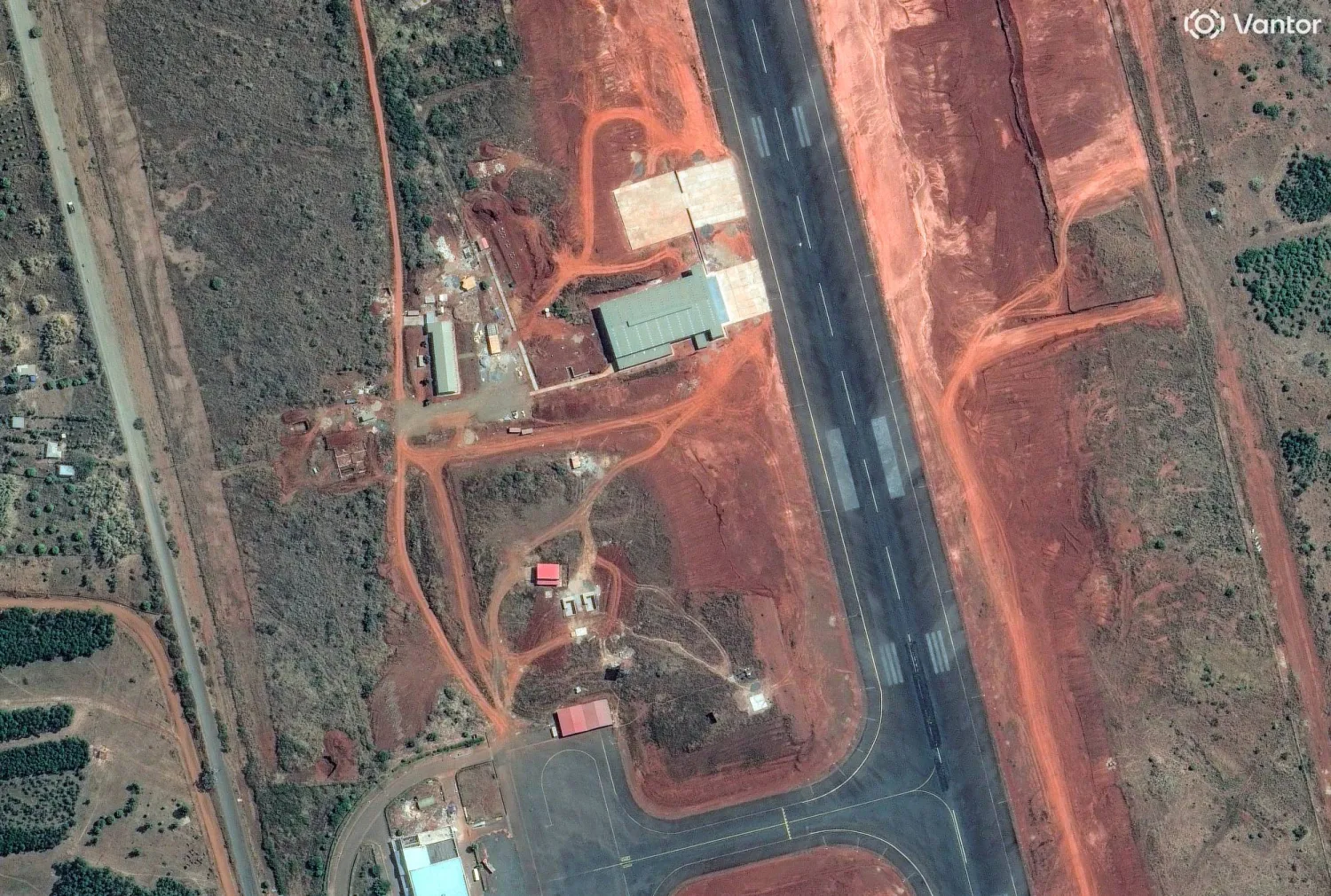
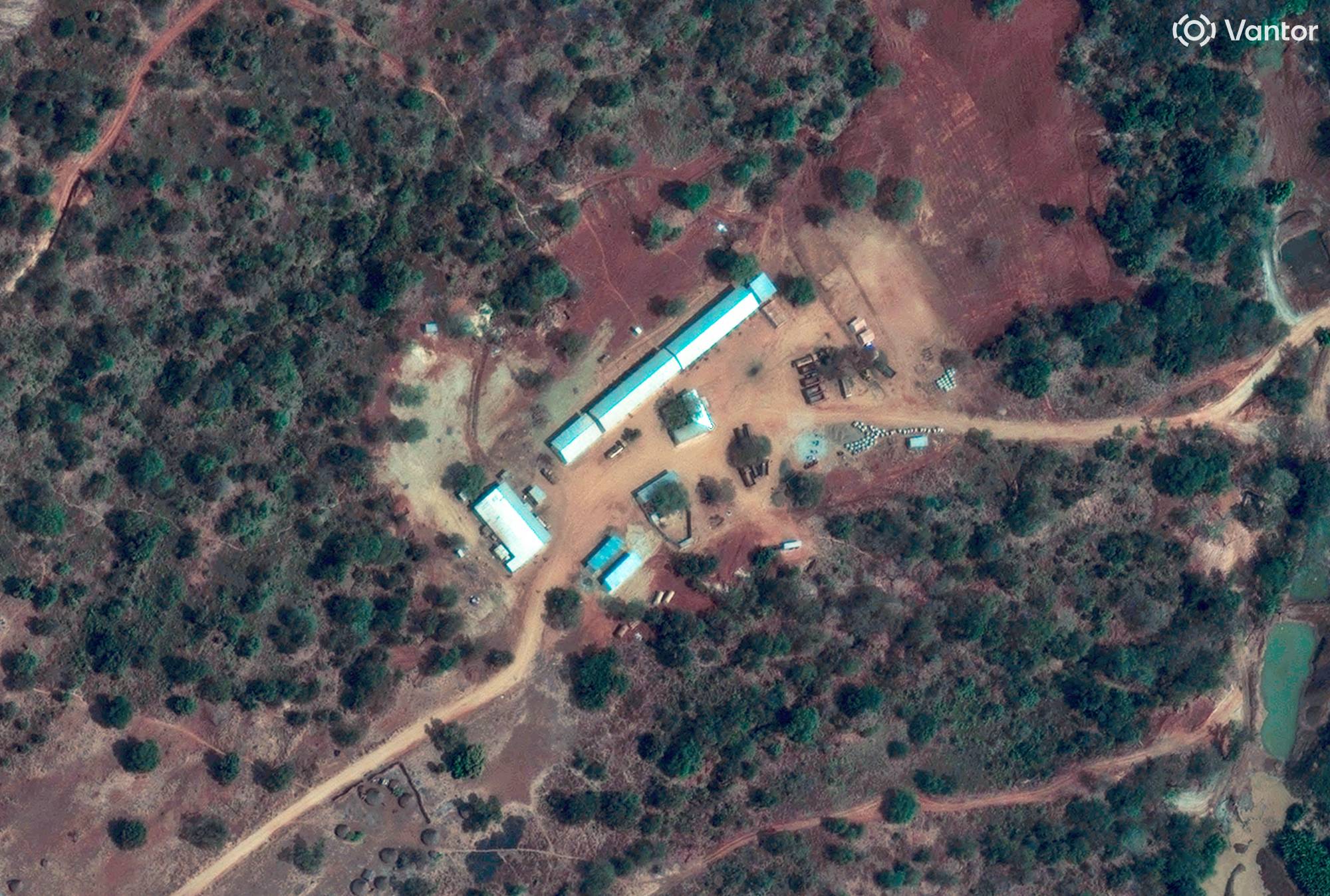
The location and scale of the camp and the detailed allegations of the UAE’s involvement have not been previously reported. The images show the extent of the new development, as recently as in the past few weeks, along with construction for a drone ground control station at a nearby airport.
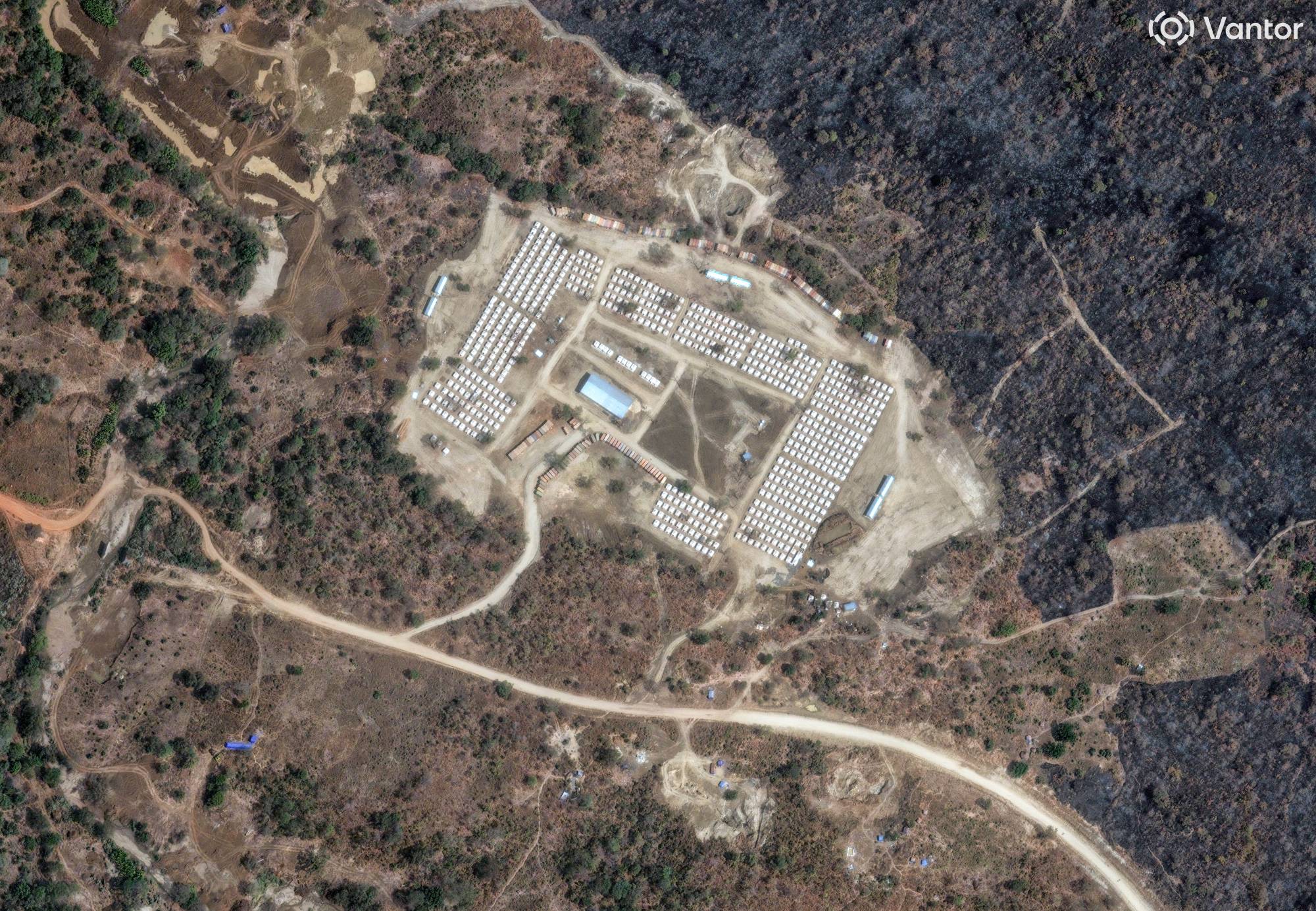
Activity picked up in October at the camp, which is located in the remote western region of Benishangul-Gumuz, near the border with Sudan, satellite images show.
Ethiopia’s government spokesperson, its army and the RSF did not respond to detailed requests for comment about the findings of this story.
On January 6, UAE and Ethiopia issued a joint statement that included a call for a ceasefire in Sudan, as well as celebrating ties they said served the defense of each other’s security.
The Sudanese Armed Forces did not respond to a request for comment.
As of early January, 4,300 RSF fighters were undergoing military training at the site and “their logistical and military supplies are being provided by the UAE,” the note by Ethiopia’s security services seen by Reuters read.
Sudan's army has previously accused the UAE of supplying the RSF with weapons, a claim UN experts and US lawmakers have found credible.
The camp’s recruits are mainly Ethiopians, but citizens from South Sudan and Sudan, including from the SPLM-N, a Sudanese rebel group that controls territory in Sudan’s neighboring Blue Nile state, are also present, six officials said.
Reuters was unable to independently establish who was at the camp or the terms or conditions of recruitment.
A senior leader of the SPLM-N, who declined to be named, denied his forces had a presence in Ethiopia.
The six officials said the recruits are expected to join the RSF battling Sudanese soldiers in Blue Nile, which has emerged as a front in the struggle for control of Sudan. Two of the officials said hundreds had already crossed in recent weeks to support the paramilitaries in Blue Nile.
The internal security note said General Getachew Gudina, the Chief of the Defense Intelligence Department of the Ethiopian National Defense Force, was responsible for setting up the camp. A senior Ethiopian government official as well as four diplomatic and security sources confirmed Getachew’s role in launching the project.
Getachew did not respond to a request for comment.
The camp was carved out of forested land in a district called Menge, about 32 km from the border and strategically located at the intersection of the two countries and South Sudan, according to the satellite imagery and the diplomatic cable.
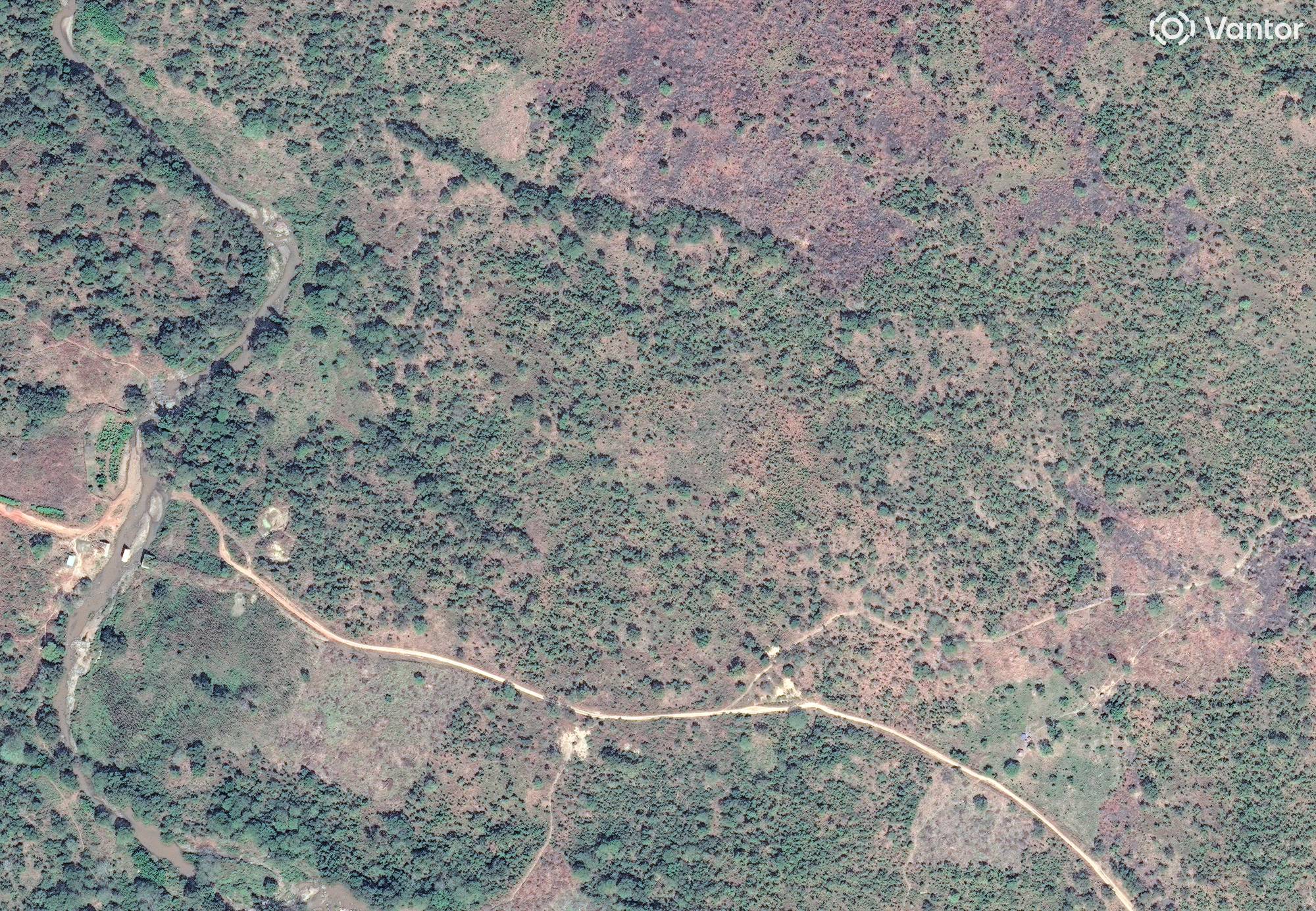
The first sign of activity in the area began in April, with forest clearing and the construction of metal-roofed buildings in a small area to the north of what is now the area of the camp with tents, where work began in the second half of October.
The diplomatic cable, dated November, described the camp as having a capacity of up to 10,000 fighters, saying activity began in October with the arrival of dozens of Land Cruisers, heavy trucks, RSF units and UAE trainers. Reuters is not revealing the country that wrote the cable, to protect the source.
Two of the officials described seeing trucks with the logo of the Emirati logistics company Gorica Group heading through the town of Asosa and towards the camp in October. Gorica did not respond to a request for comment.
The news agency was able to match elements of the timeframe specified in the diplomatic cable with satellite imagery. Images from Airbus Defense and Space show that after the initial clearing work, tents began filling the area from early November. Multiple diggers are visible in the imagery.
An image taken by US space technology firm Vantor on November 24 shows more than 640 tents at the camp, approximately four meters square. Each tent could comfortably house four people with some individual equipment, so the camp could accommodate at least 2,500 people, according to an analysis of the satellite imagery by defense intelligence company Janes.
Janes said it could not confirm the site was military based on their analysis of the imagery.
New recruits were spotted travelling to the camp in mid-November, two senior military officials said.
On November 17, a column of 56 trucks packed with trainees rumbled through dirt roads of the remote region, the officials, who witnessed the convoys, told Reuters, with each truck holding between 50 and 60 fighters, the officials estimated.
Two days later, both officials saw another convoy of 70 trucks carrying soldiers driving in the same direction, they said.
The November 24 image shows at least 18 large trucks at the site. The vehicles’ size, shape and design match those of models frequently used by the Ethiopian military and its allies to transport soldiers, according to Reuters analysis.
Development continued in late January, the Vantor images show, including new clearing and digging in the riverbed just north of the main camp and dozens of shipping containers lined around the camp visible in a January 22 image. A senior Ethiopian government official said construction on the camp was ongoing but did not elaborate on future building plans.
Sudan’s civil war erupted in 2023 after a power struggle between the Sudanese army and the RSF ahead of a planned transition to civilian rule.