


Gulf Defenses Destroy 12 Ballistic Missiles, 50 Drones as 3 Soldiers Wounded in Kuwait

Smoke rises above Dubai on March 13, 2026. (AFP)
TT

Gulf Defenses Destroy 12 Ballistic Missiles, 50 Drones as 3 Soldiers Wounded in Kuwait

Smoke rises above Dubai on March 13, 2026. (AFP)

Defenses in the Gulf downed on Saturday 12 ballistic missiles and 50 drones fired at civilian locations and vital facilities in Saudi Arabia, the United Arab Emirates, Bahrain and Kuwait as the US-Israeli war on Iran entered its third week.

Meanwhile, two drone attacks on the Ahmed Al-Jaber Base in Kuwait wounded three members of the armed forces and left material damage.

Saudi Arabia

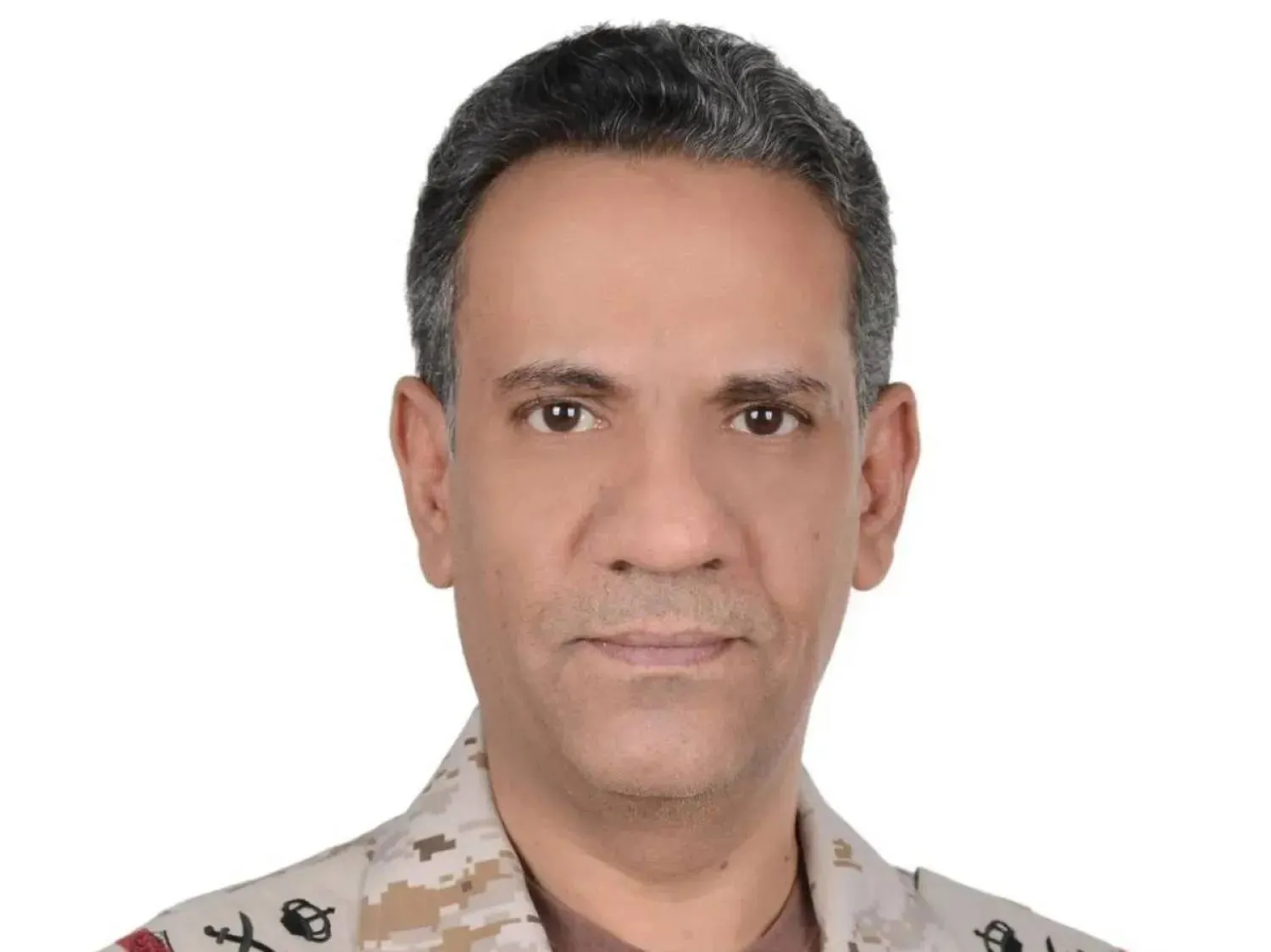
Saudi defense destroyed 12 drones in the Eastern Region and one in each of the Empty Quarter and al-Jawf, said official Defense Ministry spokesman Turki Al-Malki.

UAE

The United Arab Emirates reported a new missile attack Sunday morning, a day after Iran called for the evacuation of three major UAE ports, threatening for the first time a neighboring country’s non-US assets.

Tehran accused the United States of using “ports, docks and hideouts” in the UAE to launch strikes on Kharg Island, home to the main terminal handling Iran’s oil exports, without providing evidence, as the war showed no signs of ending.

Earlier, UAE defenses intercepted nine ballistic missiles and 33 drones fired from Iran.

The attacks have left six people dead, including Emiratis and nationals from Pakistan, Nepal and Bangladesh. A total of 141 injuries have been reported among citizens and residents.

The Defense Ministry stressed that the armed forces were on the highest alert level to handle any threats and firmly confront anything that may harm the country’s security, in order to protect its sovereignty, stability and national interests.

The UAE strongly condemned the unprovoked terrorist drone attack that targeted the UAE Consulate General in the Kurdistan Region of Iraq for the second time in a week.

The attack resulted in injuries to two security personnel and damage to the consulate building.

In a statement, the Ministry of Foreign Affairs stressed that targeting diplomatic missions and premises constitutes a flagrant violation of international norms and laws, particularly the Vienna Convention on Diplomatic Relations, which guarantees the inviolability of diplomatic premises and the protection of diplomatic personnel. Such acts represent a dangerous escalation and a threat to regional security and stability.

The UAE has called on the Iraqi government and the government of the Kurdistan Region of Iraq to investigate the circumstances surrounding this attack, identify those responsible, and take all necessary measures to ensure that the perpetrators are held accountable.

The Ministry reiterated the UAE’s firm rejection of terrorist attacks aimed at undermining security and stability, emphasizing the need to protect diplomatic premises, missions, and their personnel in accordance with international laws and norms.

UAE Attorney-General Dr. Hamad Saif Al Shamsi ordered the arrest of 25 individuals of various nationalities for publishing misleading content on digital platforms that harms national defense measures and glorifies acts of military aggression against the State.

They have been referred for an expedited trial.

The move follows rigorous monitoring of digital platforms to combat the spread of fabricated information and artificial content intended to incite public disorder and undermine general stability.

Al Shamsi said that exploiting cyberspace to circulate misleading content and footage that harms public security or compromises the state’s defensive capabilities is a criminal offense. This is particularly critical given the military aggression currently faced by the state, and such behavior will be met with firm legal action.

Kuwait

Drones hit Kuwait’s international airport. The drone attack Saturday night hit the airport’s radar system, Kuwait’s Civil Aviation Authority said in a statement.

Flights there have been halted since the start of the war.

Three members of the Kuwaiti army sustained minor injuries when two drones damaged the Ahmed Al-Jaber air base on Saturday, a spokesperson for the Defense Ministry said in a statement.

Kuwait’s air defense system intercepted another three drones, and two drones fell outside what the ministry called “the threat area” and posed no danger.

Early in the war, three American fighter jets were mistakenly downed by friendly Kuwaiti fire during an Iranian attack. Kuwait is also where six US soldiers were killed in a drone strike on a command center.

Bahrain

Bahrain announced that it has intercepted 124 missiles and 203 drones since the start of the conflict.

Three rockets and 10 drones were downed on Saturday.

Authorities urged people to stay at home and that they should leave only when necessary. They must steer clear of damaged location or any suspicious objects. They are also prohibited from filming or photographing military operations or locations where debris and shrapnel have landed.

Qatar

Qatari’s Interior Minister Sheikh Khalifa bin Hamad bin Khalifa Al Thani underscored the stability and stability of the country.

The safety of anyone residing in the country is a “red line” and a “priority in every step we take,” he added during a televised interview on Friday.


Saudi, UK Defense Ministers Discuss Strategic Defense Relations

Saudi Minister of Defense Prince Khalid bin Salman bin Abdulaziz. (Asharq Al-Awsat)
TT

Saudi, UK Defense Ministers Discuss Strategic Defense Relations

Saudi Minister of Defense Prince Khalid bin Salman bin Abdulaziz. (Asharq Al-Awsat)

Saudi Minister of Defense Prince Khalid bin Salman bin Abdulaziz held on Wednesday a phone call with United Kingdom Secretary of State for Defense Wes Streeting for talks on strategic defense relations between their countries.

They also discussed joint efforts to address regional developments.

They reaffirmed their support for measures that promote regional security and stability and exchanged views on issues of mutual concern.


Saudi Arabia: No Compromise in Protecting our Security, Will Respond Firmly to Any Threat

Prince Mohammed bin Salman bin Abdulaziz Al Saud, Crown Prince and Prime Minister, delivers the annual Royal Address as he inaugurates the third year of the Shura Council's ninth session on Wednesday. (SPA)
TT

Saudi Arabia: No Compromise in Protecting our Security, Will Respond Firmly to Any Threat

Prince Mohammed bin Salman bin Abdulaziz Al Saud, Crown Prince and Prime Minister, delivers the annual Royal Address as he inaugurates the third year of the Shura Council's ninth session on Wednesday. (SPA)

Prince Mohammed bin Salman bin Abdulaziz Al Saud, Crown Prince and Prime Minister, stressed on Wednesday that Saudi Arabia was “making every possible effort to reduce escalation and support diplomatic solutions, without the slightest compromise when it comes to safeguarding our security.”

“We will not hesitate to respond firmly to any threat or attack that seeks to undermine it,” he declared as he delivered the annual Royal Address as he inaugurated the third year of the Shura Council's ninth session on behalf of Custodian of the Two Holy Mosques King Salman bin Abdulaziz Al Saud.

Upon arrival at the Shura Council headquarters, the Crown Prince was received by Governor of Riyadh Region Prince Faisal bin Bandar bin Abdulaziz, Deputy Governor of Riyadh Region Prince Mohammed bin Abdulrahman bin Abdulaziz, and Speaker of the Shura Council Sheikh Dr. Abdullah bin Mohammed bin Ibrahim Al Al-Sheikh.

He was greeted by Deputy Speaker of the Shura Council Dr. Mishal Al-Sulami, Assistant Speaker of the Shura Council Dr. Hanan Al-Ahmadi, Secretary-General of the Shura Council Mohammed Al-Mutairi, and the chairs of the council's specialized committees.

Continuing the Royal Address, the Crown Prince said: “We take pride in our valiant heroes for confronting all forms of threats and for their vigilance and constant readiness, so that security continues to protect our country, stability serves as its shield, and prosperity remains its course.”

Saudi Arabia “possesses highly capable human and military resources that are fully able, by the grace of Allah, to confront and deter threats from any source.”

“The attacks targeting the Gulf Cooperation Council (GCC) states underscore that Gulf security and stability are indivisible,” he stressed.

“We are working with our brothers to safeguard Gulf security, pursue strategic cooperation and economic integration, and continue implementing the vision of the Custodian of the Two Holy Mosques for strengthening joint Gulf action, in order to achieve the GCC's goals and meet the aspirations of its citizens,” continued the Crown Prince.

“As part of our efforts to strengthen regional stability, avert the consequences of tension and conflict, and coordinate action, the Makkah Joint Defense Agreement was concluded between Saudi Arabia, Türkiye, and Pakistan,” he added.

“It stems from our shared commitment to fulfilling our role in enhancing regional security and stability. In this regard, we appreciate the support shown to the Kingdom by brotherly and friendly nations and their contributions to bolstering regional peace and stability,” he stated.

Members of the Shura Council at the inauguration of the third year of its ninth session. (SPA)

Strengthening int’l cooperation

Moreover, he remarked: “Today, the world is facing an energy crisis with uncertain outcomes. In this crisis, the Kingdom has served as a safeguard for global energy security by providing oil supplies to international markets despite the escalation.”

“The Kingdom also took the initiative to establish the Multinational Maritime Defense Alliance to enhance maritime security, protect shared interests in international sea lanes, and prevent their exploitation as a tool of political or economic pressure,” he noted.

“The Kingdom is making every effort, together with its partners, to strengthen international cooperation to maintain security, reduce escalation, and defuse tensions in pursuit of regional and international stability. We also stress the need for the international community to swiftly fulfill its responsibilities to ensure the safe flow of essential goods and humanitarian assistance,” he said.

“We strongly condemn the continued brutal attacks by the Israeli occupation authority against the Palestinian people in the Gaza Strip, as well as its repeated violations of Al-Aqsa Mosque. We call on the international community, and the Board of Peace in particular, to play its anticipated role in reaching a lasting political solution,” he urged.

“The Kingdom's commitment to the rights of the Palestinian people is a firm position and an ongoing endeavor that will not cease until the Palestinian people obtain their legitimate rights, including the establishment of their independent state in accordance with international terms of reference,” stressed the Crown Prince.

“In Yemen, the Kingdom reaffirms its comprehensive support, through the Coalition to Restore Legitimacy in Yemen, for the Yemeni government to extend its authority throughout the country, restore stability, and confront the attacks of the terrorist Houthi militias, which have chosen chaos and destruction and the threatening of the Yemeni people and the region as their course of action,” he remarked.

“The Kingdom also reaffirms its firm support for Sudan's unity and stability, the preservation of its legitimate institutions, and sparing its people the tragedies of war and destruction,” he added.

93 percent of targets achieved

On domestic affairs, Crown Prince Mohammed said: “Allah has honored our state by entrusting it with the service and development of the Two Holy Mosques and the care of their visitors. This is an extension of our inherited commitment in this regard, reflecting our pride in this great honor with which Allah has distinguished us.”

“Ten eventful years of Vision 2030 have seen the performance indicators for its programs and strategies achieve 93% of their targets, thanks to Allah and then to the performance and efficiency of Saudi men and women, who have been the foundation of every success,” he told the Shura Council.

“Non-oil exports grew by 155% compared with 2016, reflecting the growing presence of products from this sector. The private sector’s contribution to the economy rose to 51%, while the transport and logistics ecosystem demonstrated its ability to respond to changes in supply chains and maintain the smooth flow of goods and services,” he noted.

“The Public Investment Fund has embarked on its strategy for the next five years, focusing on building highly competitive domestic economic ecosystems in pivotal partnership with the private sector, enhancing local content to achieve economic transformation and, at the same time, generating sustainable financial returns,” he continued.

“The National Development Fund is also contributing to the development of numerous sectors, supported by annual financing that ensures the achievement of their targets,” he said.

Moreover, he highlighted that the Kingdom “is advancing globally across many indicators, ranking first in the Digital Readiness Framework, the ICT Development Index and the cybersecurity indicator, and second in the GovTech Maturity Index. It has also entered the list of the 10 jurisdictions most attractive for mining investment.”

“We have designated 2026 as the ‘Year of Artificial Intelligence,’ reaffirming our commitment to making the Kingdom a global leader in developing applications and artificial intelligence solutions, using them to increase productivity, improve the quality of services, and train Saudi talent,” added Crown Prince Mohammed.

Prince Mohammed bin Salman bin Abdulaziz Al Saud, Crown Prince and Prime Minister, arrives at the Shura Council. (SPA)

Adapting to change

“Current events in the region show that long-term planning does not mean rigidity or stagnation; it means the ability to adapt to changing circumstances,” he went on to say.

“Amid the successive transformations the world is witnessing, the importance of the reforms that have diversified our economy has become clear. These reforms have strengthened Saudi Arabia's resilience in times of crisis and enabled it to turn threats into opportunities to reinforce its standing and pursue its development priorities efficiently and sustainably,” he stressed.

“Current conditions attest to the resilience of the national economy, the maturity of its business sector, the strength of state institutions, and the economy's fiscal sustainability,” he pointed out.

“At the core of the Kingdom's economic policies are developing national capabilities, empowering promising sectors, attracting local and international investment, and directing resources toward the areas with the greatest economic and social impact. This approach safeguards our ability to fund development priorities and sustains our achievements for future generations,” he added.

“The fundamental goal of everything the state does is the advancement and prosperity of the nation and a better quality of life for its people,” he stressed.

“Education and healthcare remain at the forefront of our priorities and receive significant allocations in the state budget. The General Education Law was enacted to raise the quality of education to a globally advanced level, while the healthcare transformation is progressing rapidly to ensure the highest quality of service and comprehensive coverage for all citizens,” said the Crown Prince.

“Building on our success in reducing unemployment, we are investing in human capital to maximize citizens' opportunities to enter the labor market, enabling them to compete and excel in all fields as the driving force of development,” he noted.

“Real estate reforms have provided citizens with diverse options, improved market efficiency, and raised homeownership rates. We remain committed to addressing the sector's challenges and taking decisive steps that benefit citizens in all aspects of their lives, without compromising development or the resources of future generations, while safeguarding the state's financial and economic stability,” he vowed.


Di Maio Tells Asharq Al-Awsat: Saudi Summit to Drive More Ambitious Gulf-EU Partnership

Geopolitical shifts call for stronger cooperation between Europe and Gulf states, Di Maio says (Gulf Research Center)
TT

Di Maio Tells Asharq Al-Awsat: Saudi Summit to Drive More Ambitious Gulf-EU Partnership

Geopolitical shifts call for stronger cooperation between Europe and Gulf states, Di Maio says (Gulf Research Center)

The upcoming Gulf-EU summit in Saudi Arabia carries added weight amid regional turmoil, with both sides seeking a stronger partnership spanning security, defense, the economy, new technologies and artificial intelligence, said Luigi Di Maio, the European Union’s special representative for the Gulf region.


Speaking to Asharq Al-Awsat on Wednesday at the Saudi-European Foresight Dialogue in Riyadh, organized by the Gulf Research Center and the EU, Di Maio said European leaders’ attendance would underscore the importance both sides placed on their ties.


It would also signal solidarity and political support for countries in the region, particularly Saudi Arabia, amid current developments.


Riyadh will host the second Gulf-EU summit in October, bringing together monarchs and heads of state and government from both sides.


Di Maio said regional conditions made the summit all the more important, with European leaders’ participation demonstrating both the strength of the relationship and support for Gulf countries, especially Saudi Arabia.


High ambitions


The summit comes two years after the first meeting of the Gulf Cooperation Council and EU leaders in Brussels, which set the stage for regular summits.


Di Maio said that the meeting established a two-year cycle, with Saudi Arabia set to host the second summit.


He declined to disclose the main agenda items while preparations and negotiations were underway, but said both sides wanted a highly ambitious summit.


Geopolitical upheaval


Di Maio linked closer Gulf-EU ties to rapid shifts in the international order, saying the two regions faced shared security challenges that demanded stronger cooperation.


He described a new era in which the world was moving from multilateralism toward a multipolar order, exposing Europe and the Gulf to upheaval from accelerating geopolitical changes.


Both regions would be better placed to confront those challenges together, he said, with each needing stronger cooperation with the other.


From defense to AI


Di Maio said the scope for cooperation extended well beyond politics and security, encompassing the economy, defense, ties between people and modern technologies.


He called for stronger partnerships across those fields, including the race in artificial intelligence, as well as closer links between universities and businesses in the two regions.


Many initiatives were already underway among European and Gulf institutions, companies and communities, he said.


The time had come to bring them into a more structured, integrated partnership, building on the strategic partnership for peace and prosperity agreed by leaders at the first summit.


Greater European involvement


Abdulaziz bin Sager, chairman of the Gulf Research Center, called for Gulf-EU agreement on key regional issues.


He pointed to France’s support for Saudi efforts toward a two-state solution and work to advance it in New York, alongside several countries’ recognition of a Palestinian state.


In a separate interview with Asharq Al-Awsat, bin Sager said priorities included building a shared understanding of Gulf security and addressing Iranian attacks on regional countries, the closure of the Strait of Hormuz and Tehran’s use of proxies to obstruct shipping through the Bab al-Mandab Strait.


Those actions affected the global economy, freedom of navigation and political positions, he said.


He called for commitments to translate into active participation in safeguarding maritime navigation. The European Aspides mission was a capable force, he said, but needed to double its capabilities.


“Europeans also benefit from the security of maritime routes. Protecting navigation is an international responsibility, not Saudi Arabia’s alone,” he said.