
Lebanese Displaced by War Fill Beirut’s Streets, Upending City Life

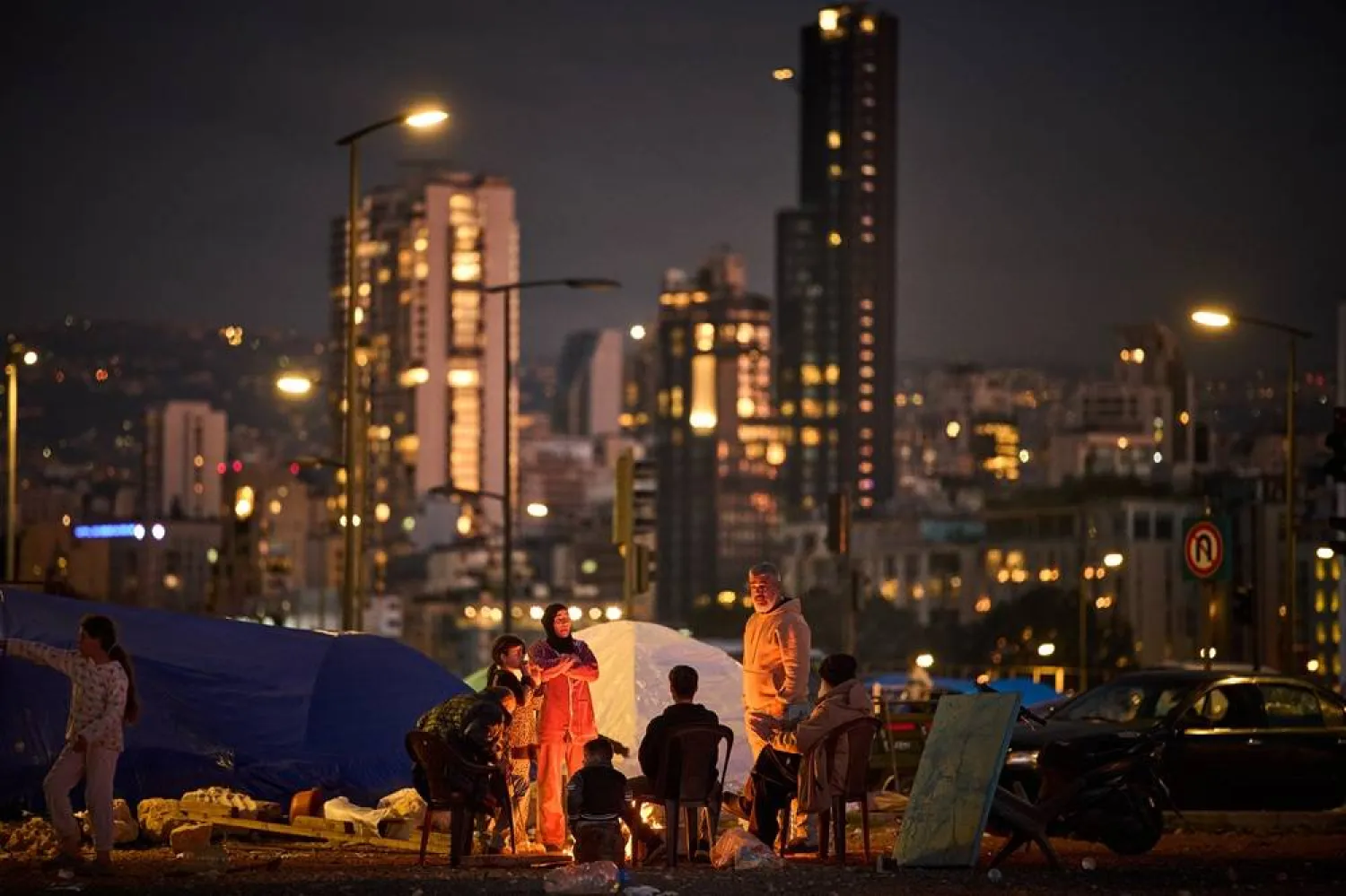
 Members of a family who fled Israeli shelling in southern Lebanon warm themselves by a bonfire next to tents used as shelters in Beirut, Lebanon, Tuesday, March 31, 2026. (AP)
Members of a family who fled Israeli shelling in southern Lebanon warm themselves by a bonfire next to tents used as shelters in Beirut, Lebanon, Tuesday, March 31, 2026. (AP)
TT

Lebanese Displaced by War Fill Beirut’s Streets, Upending City Life

 Members of a family who fled Israeli shelling in southern Lebanon warm themselves by a bonfire next to tents used as shelters in Beirut, Lebanon, Tuesday, March 31, 2026. (AP)
Members of a family who fled Israeli shelling in southern Lebanon warm themselves by a bonfire next to tents used as shelters in Beirut, Lebanon, Tuesday, March 31, 2026. (AP)

Beirut is bursting.

It's been a month since Hezbollah fired rockets into Israel after the US-Israeli attack on its patron, Iran, triggering Israeli bombardment of Lebanon and a ground invasion. Since then, more than 1 million people from southern and eastern Lebanon and Beirut's southern suburbs have fled. Many have crammed into the ever-tighter spaces of the country's capital where the bombs have not yet fallen.

Israel's attacks and evacuation orders — unprecedented in scope, covering what humanitarian agencies estimate to be 15% of this tiny country — have emptied villages in south Lebanon and pushed almost the entire population of the southern suburbs into Beirut, shifting the city's center of gravity, reshaping its geography and stirring fears about its future.

A huge tent encampment has sprouted up in the grassy field between a yacht club and nightlife venue, transforming the Beirut waterfront. Some families squat in storefronts, live in mosques and sleep in the cars they drove here, double- and triple-parking convoys on thoroughfares. Others huddle in tents pulled together from sheets of tarp along the curving coastal corniche or around Horsh Beirut, a park of pine trees on the outskirts of an area of the southern suburbs known as Dahieh.

"It's horrid because we feel this tension, that we're not wanted here," said Nour Hussein, who settled at the waterfront in early March after fleeing the first Israeli airstrikes on Dahieh. She watched a stream of well-to-do joggers navigate a maze of tents and soiled mattresses, her three youngest children clambering onto her lap.

"We don’t want to be here," she said. "We have nothing here and nowhere to go."

Experts say this displacement is unprecedented

Waves of displacement have upended this city before, most recently during the 2024 Israel-Hezbollah war. But experts struggle to recall such a dramatic exodus — about 20% of the country’s population, according to government statements — hitting Beirut so fast.

"The scale and intensity of this is just unprecedented," said Dalal Harb, the spokesperson for the United Nations refugee agency in Lebanon. She said the figure of 1 million displaced is almost certainly an undercount because it misses anyone who has not formally registered as displaced with the Ministry of Social Affairs.

The government has converted hundreds of public schools into shelters and pitched tents for displaced families beneath the bleachers of the city's main sports stadium. Charities have scrambled to help, with one refashioning an abandoned slaughterhouse destroyed in Beirut's 2020 port explosion into a dormitory for almost 1,000 displaced people.

But urban researchers note a staggering number of people on the streets compared with past conflicts, making it difficult for ordinary residents to block out the war and the misery it has wrought.

"This is relatively new, that you have so many people spending time in these open spaces, who are very vulnerable, living in very precarious conditions," said Mona Harb, a professor of urban studies at the American University of Beirut. "You have to confront this visually when you’re coming and going to work, to school ... and there are strong, mixed feelings associated with this presence that’s unregulated."

Families say they’ve struggled to find space at government-run shelters in Beirut and would rather brave the elements than travel north to cities where they might find better accommodations but where they have no relatives or connections.

"The further away we go, the more we'll lose hope about finding our way back," said Hawraa Balha, 42, when asked why her family of four was squeezing into the small car they drove from the devastated southern border village of Duhaira rather than sleeping in an available shelter further north. "We don't want to move again."

Residents of the suburbs of Dahieh have largely opted to remain in Beirut. That way, every so often, they can retrieve belongings and check whether their homes are still standing, albeit in furtive dashes under the threat of bombardment. Hussein said her kids grew so desperate for a shower after nearly a month without a bathroom that they rushed home to wash up last week despite the incessant buzz of Israeli drones.

Lebanon's sectarian balance is at risk

The prospect of hundreds of thousands of Shiites on the move has inflamed Lebanese sensitivities about the country’s fragile sectarian balance. Ever since its bloody 15-year civil war, Lebanon has relied on a power-sharing agreement to accommodate the interests of Christians, Shiite Muslims and Sunni Muslims, the country's largest religious groups, which make up roughly equal shares of the population.

"It's generating anxieties in Beirut, where the bulk of the displacement is, that this may cause a significant transformation in the demographic balance within the country, or within certain spaces and cities," said Maha Yahya, director of the Beirut-based Carnegie Middle East Center.

Each day that passes, more tents appear at the waterfront settlement. Children have started to complain of skin rashes. Heavy rainfall recently flooded the grassy lot and seeped into tents, leaving a trail of soggy clothes and sore throats. A fight broke out last week as volunteers arrived to distribute donations.

"We're not used to living like this — we had a house, we had normal lives," said Lina Shamis, 51, warming herself by a fire at the foot of a billboard advertising luxury watches. She, her three adult daughters and their small children set up camp here after heeding Israeli evacuation orders for Dahieh in a panic, carrying almost nothing with them.

"Now the kids are out of school and hungry, and our neighborhood is gone," she said. "All I feel is despair."

With Israel thrusting deeper into Lebanon and threatening to seize Lebanese territory as far as the Litani, a river 20 miles (30 kilometers) north of the Israeli border, the situation of displaced people in Beirut "will be even worse than what we’re seeing now," warned Harb, from the UN refugee agency.

"The needs will continue to increase," she said. "It's an imminent humanitarian catastrophe."


Sudan’s Day Laborers Struggle to Survive as War Devastates Livelihoods

Farmers harvest arugula in Khartoum on Oct. 5, 2026. (AP)
TT

Sudan’s Day Laborers Struggle to Survive as War Devastates Livelihoods

Farmers harvest arugula in Khartoum on Oct. 5, 2026. (AP)

In Khartoum, where life is struggling to regain its rhythm after years of war, many doors remain closed to day laborers who once lived on each day's earnings.

A day without work can leave a family without food, a child without money for school or a patient forced to stop treatment because medicine is out of reach.

On sidewalks, in markets and at workshops, day laborers search for any job to get them through the day. More people are competing for fewer jobs, while rising prices and a weakening Sudanese pound erode their wages.

As the gap between earnings and living costs widens, many face a stark choice: accept less pay or go home empty-handed.

Compounding burdens

Labor unionist Abdullah Youssef says the vast majority of workers "lost their jobs because of war, displacement and homelessness." Daily work available before the war is now scarce.

Most workers support families with five or six children at different stages of schooling, he told Asharq Al-Awsat. Economic hardship has pushed some families into debt. Some people have been jailed for failing to meet their financial obligations.

For day laborers, a wage is measured not just in hours worked but in the needs of an entire family. With food and service prices climbing, their earnings have lost much of their purchasing power before they reach home.

Babiker Khalifa, a day laborer and father of three, says the war "destroyed the economy." His family gets by mainly on small meals of fava beans and lentils. Meat, fruit and vegetables are beyond their reach much of the time.

His children need money each day for school, but there is not enough food at home to meet their needs, he told Asharq Al-Awsat. On some nights, they "cry from hunger."

Babiker al-Taher faces much the same hardship. He fled to Gedaref after the war broke out, then returned to Khartoum to find even harsher economic conditions.

"Sometimes we eat, and other times we don't," he said of his family, which includes four children. Rising prices and inflation have sharply cut the real value of a day laborer's pay.

With more people seeking work, laborers often have to accept lower wages to avoid returning to their families empty-handed, he said.

“We need a miracle”

Even tradespeople and craftspeople still in work face shrinking purchasing power and rising living and production costs.

Abdul Karim Ibrahim, a tailor supporting two sons and two daughters, says his daily earnings no longer meet his family's needs.

The economic situation "needs a miracle," he said. Food is now unaffordable for many families, and medical treatment adds to the burden.

Young barber Othman Ali says rising prices and a weakening currency have left his income insufficient for basic needs.

Long power outages and disruptions to the banking apps his customers use for transfers also make it harder to collect payments.

The war forced Ali to leave secondary school and work to help support his large family. He is part of a generation whose education has paid a direct price for the conflict.

The war is no longer the only source of pressure on citizens, Youssef said. Higher levies and fees, a higher exchange rate used to calculate customs duties and bans on some imported goods have compounded the strain and widened the gap in markets, he said.

He called for higher wages and better conditions for pensioners. Some employees receive very little pay, while some retirees receive sums that do not reflect their years of service, he said.

Youssef urged the government to act quickly to help workers and their families. The persistent gap between wages and prices is leaving millions of families facing severe hardship, he said.

“The most vulnerable”

Day laborers are among those hardest hit by Sudan's war, economist Mohammed al-Nayer said. Halted construction and declining craft activity have stripped large numbers of their livelihoods.

"These groups face extremely difficult living conditions amid lost job opportunities and unprecedented increases in the prices of goods and services, alongside a decline in the national currency's value and rising inflation, unemployment and poverty," he told Asharq Al-Awsat.

A comprehensive reconstruction program could employ large numbers of day laborers in construction and related activities, he said. But they remain among the hardest hit as their sources of income remain disrupted.

Al-Nayer said the state must fulfill its responsibility to protect vulnerable and poor people. He called for a comprehensive social protection program to address current economic challenges and support those most affected by the war.

These accounts echo International Labor Organization warnings about the war's deep impact on Sudan's labor market: lost jobs, shrinking economic activity and disrupted livelihoods. Workers in the informal economy are among the most vulnerable.


Olive Trees in S. Lebanon Under Israeli Fire: Deprivation of Harvest Seasons Erodes Village Memory

Lebanese farmers pick olives in the southern Lebanese village of Zawtar al-Gharbiyah, near the neighboring village of Zawtar al-Sharqiyah, where Israeli forces are stationed, in southern Lebanon, 10 October 2026. EPA/WAEL HAMZEH
TT

Olive Trees in S. Lebanon Under Israeli Fire: Deprivation of Harvest Seasons Erodes Village Memory

Lebanese farmers pick olives in the southern Lebanese village of Zawtar al-Gharbiyah, near the neighboring village of Zawtar al-Sharqiyah, where Israeli forces are stationed, in southern Lebanon, 10 October 2026. EPA/WAEL HAMZEH

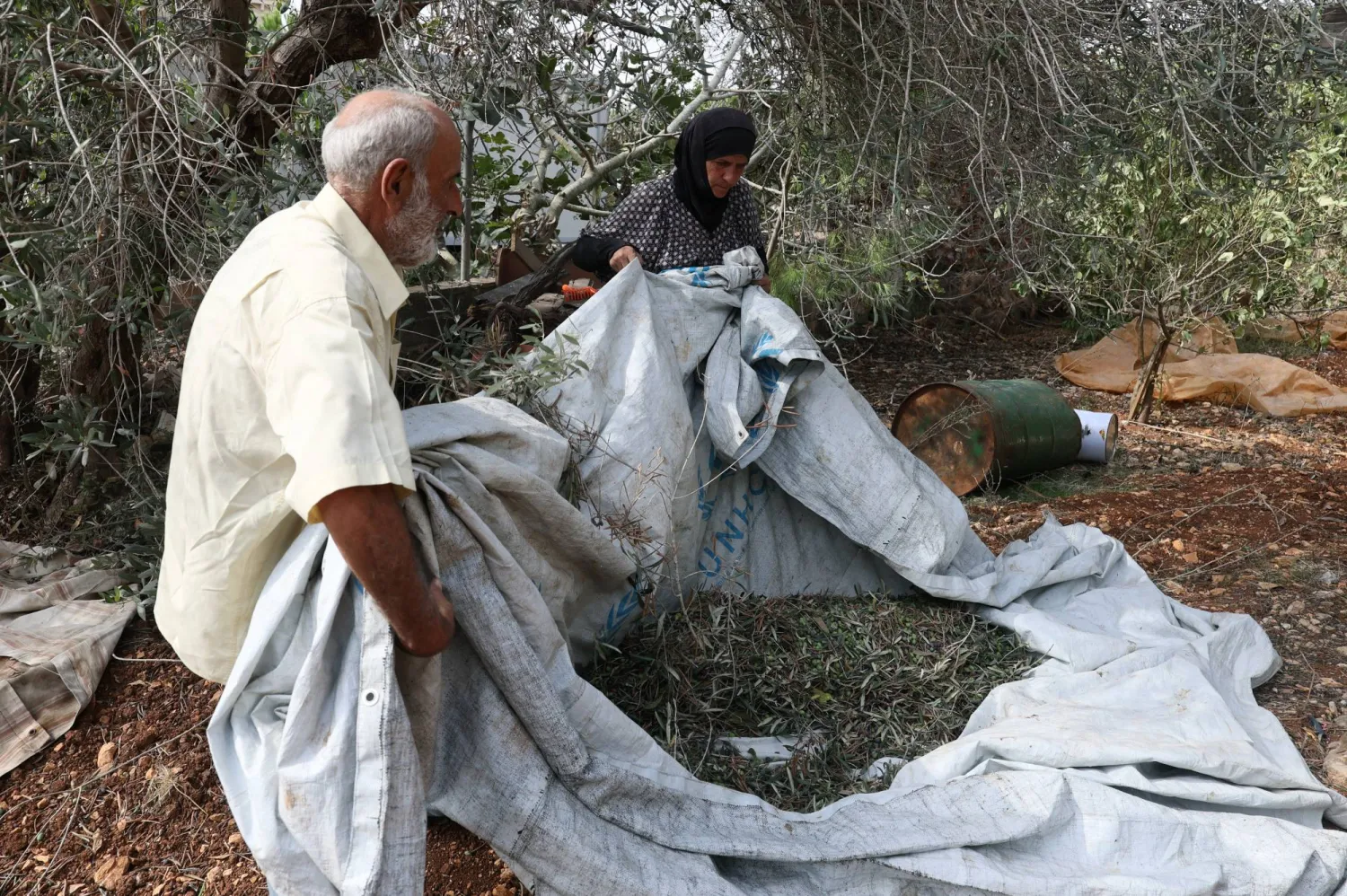
The killing of a retired Lebanese Army chief warrant officer by Israeli tank fire in Yater has underscored the perilous reality for southern farmers. Targeted while inspecting his home and olive grove, his death has turned this year's harvest season into a stark symbol of the dangers facing those attempting to reach their land.

The incident comes as residents of border villages continue to be deprived of their harvests for nearly three years. It also coincides with a lawsuit filed in France accusing the Israeli military of uprooting around 600 ancient olive trees in Zawtar al-Sharqiyah. Local officials warn of economic and social repercussions that extend far beyond the loss of crops.

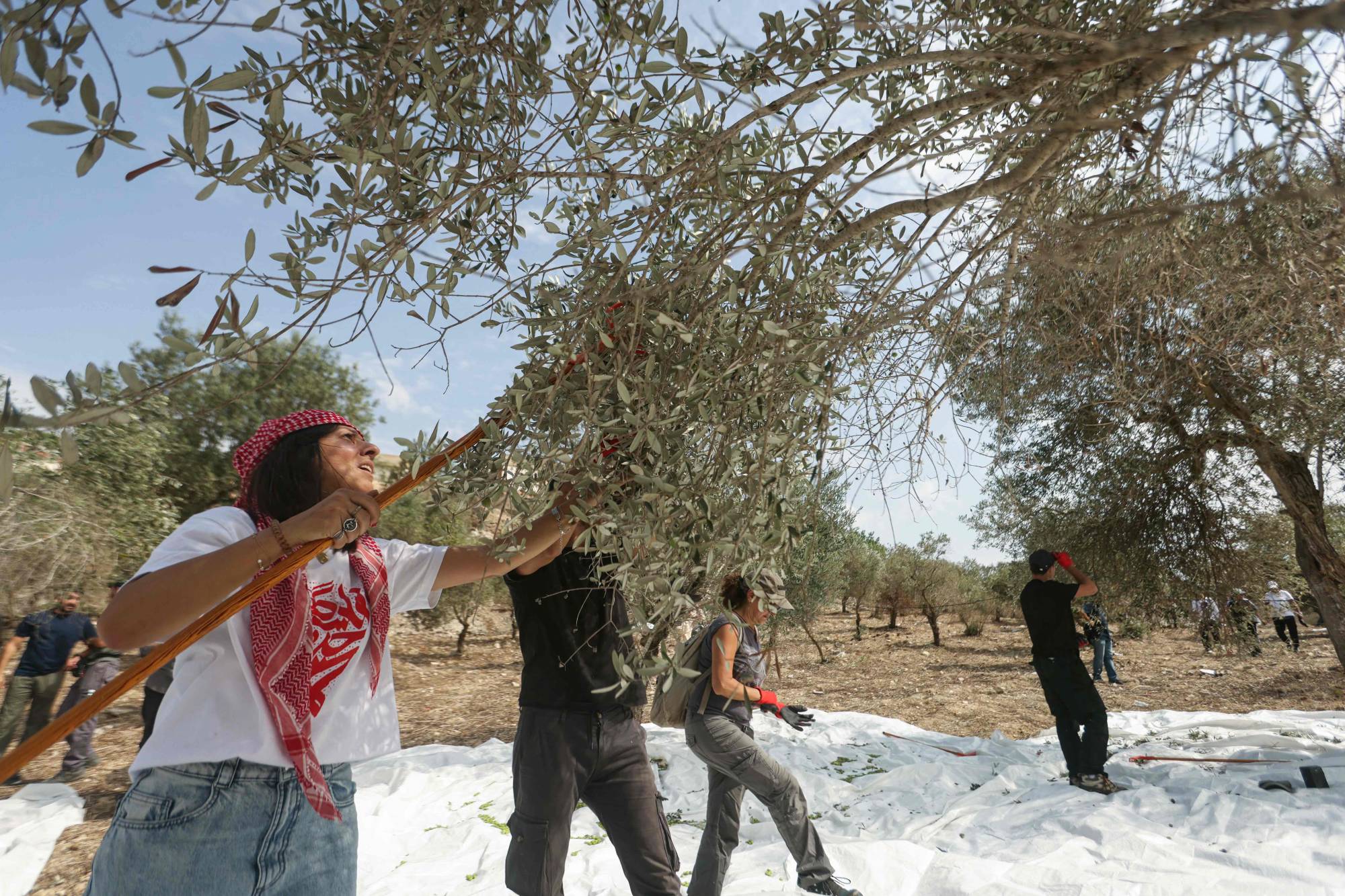
Volunteers from Lebanon's northernmost province of Akkar and the city of Sidon take part in an olive-picking initiative in the southern Lebanese village of Jibshit near Nabatieh on October 11, 2026, in a show of solidarity with Southern Lebanon and its farmers. (Photo by MAHMOUD ZAYYAT / AFP)

Targeted While Inspecting His Land

The Lebanese Army announced on Sunday the death of retired Chief Warrant Officer Ali Abdel Hassan Sweidan after being directly targeted by Israeli tank fire while inspecting his property in Yater in the Bint Jbeil district.

The army said a military unit supervised the recovery of his body after contact with him was lost. The municipality of Yater stated that he had been checking on his home and olive grove on the outskirts of the town when he came under fire from the direction of Sarbine, warning residents against approaching unsafe areas.

The incident once again highlights the obstacles facing farmers during a season when families traditionally head to their groves to gather their harvests, as access to parts of agricultural land has become fraught with ongoing security risks.

600 Trees at the Center of a Lawsuit

In Paris, a 37-year-old French businessman of Lebanese origin filed a complaint against unknown persons on September 22, accusing the Israeli military of uprooting roughly 600 olive trees from his family's land in Zawtar al-Sharqiyah.

According to his lawyers, cited by Agence France Presse (AFP), some of the trees are approximately 500 years old, while the family has cultivated the land for about 250 years.

The complaint includes allegations of theft, destruction, and damage to property as potential war crimes. The complainant suspects that the trees were transported to Israel, though this has not been established judicially. He stated that his family home was destroyed in an Israeli strike in April, before the trees were uprooted following Israeli control of the area.

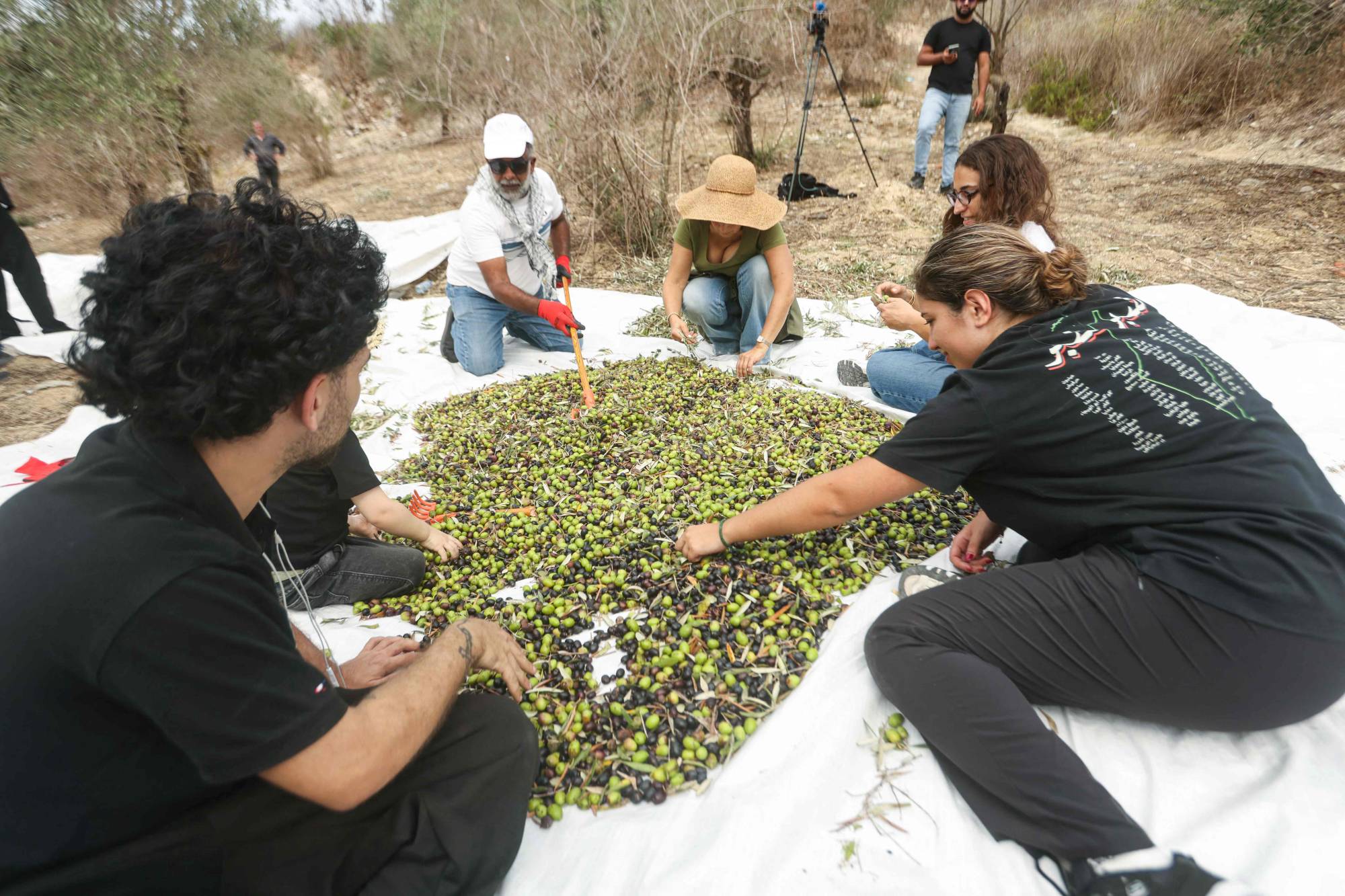
Volunteers from Lebanon's northernmost province of Akkar and the city of Sidon sort olives during an olive-picking initiative in the southern Lebanese village of Jibshit near Nabatieh on October 11, 2026, in a show of solidarity with Southern Lebanon and its farmers. (Photo by MAHMOUD ZAYYAT / AFP)

Half the Fields Out of Reach

Hanna Al-Amil, head of the municipality of Rmeish, told Asharq Al-Awsat that since the beginning of the war nearly three years ago, residents have been deprived of access to a large part of their olive fields “because most of them lie along the border, where security conditions do not permit locals to reach them and harvest their crops.”

“Even today, we do not know whether we will be able to harvest olives this year, especially since the season has not yet started and security risks continue to prevent access to the land."

He explained that roughly three-quarters of Rmeish's territory lies along the border and that more than 50 percent of its olive groves have remained unharvested for the past three years.
This deprives families of a basic source of income, he added.

Al-Amil stressed that agricultural losses are not limited to olives but also affect tobacco cultivation, the town's primary agricultural activity. "This year's tobacco production reached only about 60 percent of pre-war levels, meaning families have lost a significant portion of the income on which they relied."

A Memory Shared by Families and Generations

Mohammad Ismail, head of the municipality of Zawtar al-Sharqiyah, told Asharq Al-Awsat that the town's olive groves are “more than just trees or a source of income. They are heritage, history, and the memories of generations. They embrace the hills and fields, shade the alleys of Zawtar, and provide cool breezes that ease the summer heat."

He noted that olive trees also provide heating wood for many residents.

According to Ismail, the olive harvest is an annual occasion that brings entire families together. "Not merely to gather the crop, but to renew their connection to the land and to the ancestors who planted and cared for these trees, keeping a shared memory alive across generations."

"Today, the occupier seeks to strip us of our spirit and sever our connection to history, our ancestors, and life itself. It seeks to erase the traces of life from our hearts and minds and wipe away its fragrance from our memory,” he said.

"What is happening is not merely the uprooting of trees. It is the uprooting of hearts from chests and an attempt to erase the people's memory and their bond with the land,” he added.

Olive Trees as Part of Southern Identity

Ibrahim Sweidan, deputy head of the municipality of Yater, told Asharq Al-Awsat that "olive groves have become part of the identity of southern Lebanon. For southerners, the olive tree is not merely a tree but part of who they are and their attachment to the land."

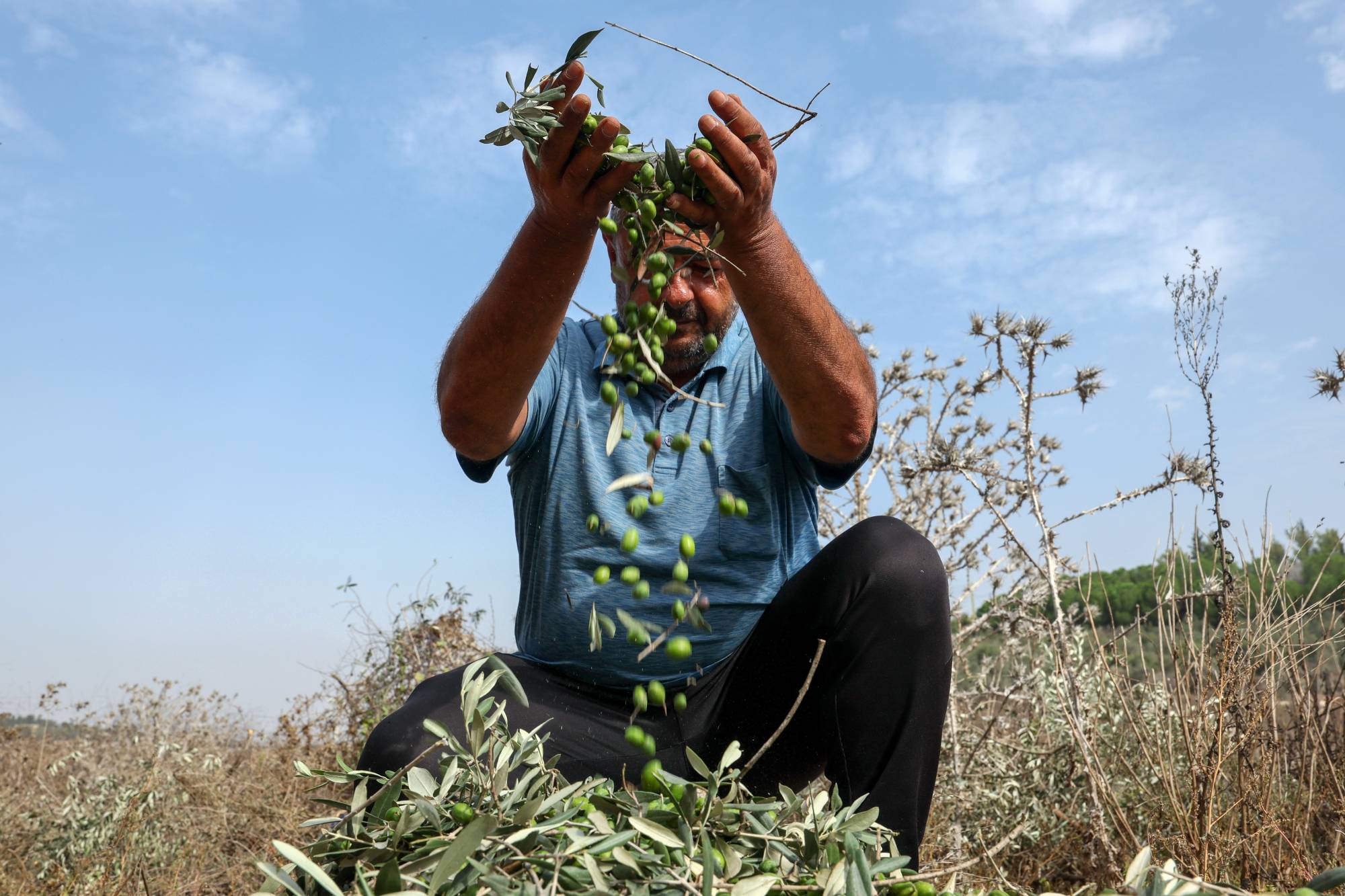
A Lebanese farmer shows harvested olives in the southern Lebanese village of Zawtar al-Gharbiyah, near the neighboring village of Zawtar al-Sharqiyah, where Israeli forces are stationed, in southern Lebanon, 10 October 2026. EPA/WAEL HAMZEH

He said the strongest evidence of that attachment is the return of residents to their villages and homes despite difficult security conditions and their determination to remain on their land.

According to Sweidan, attacks on agricultural land, public facilities, and homes all form part of the same pattern: "A strategy aimed at undermining the foundations that allow people to remain in their villages and weakening everything that connects southerners to their land and identity."


Al-Haddad Predicted an 80-Day Israeli War... Saad Called for It to End

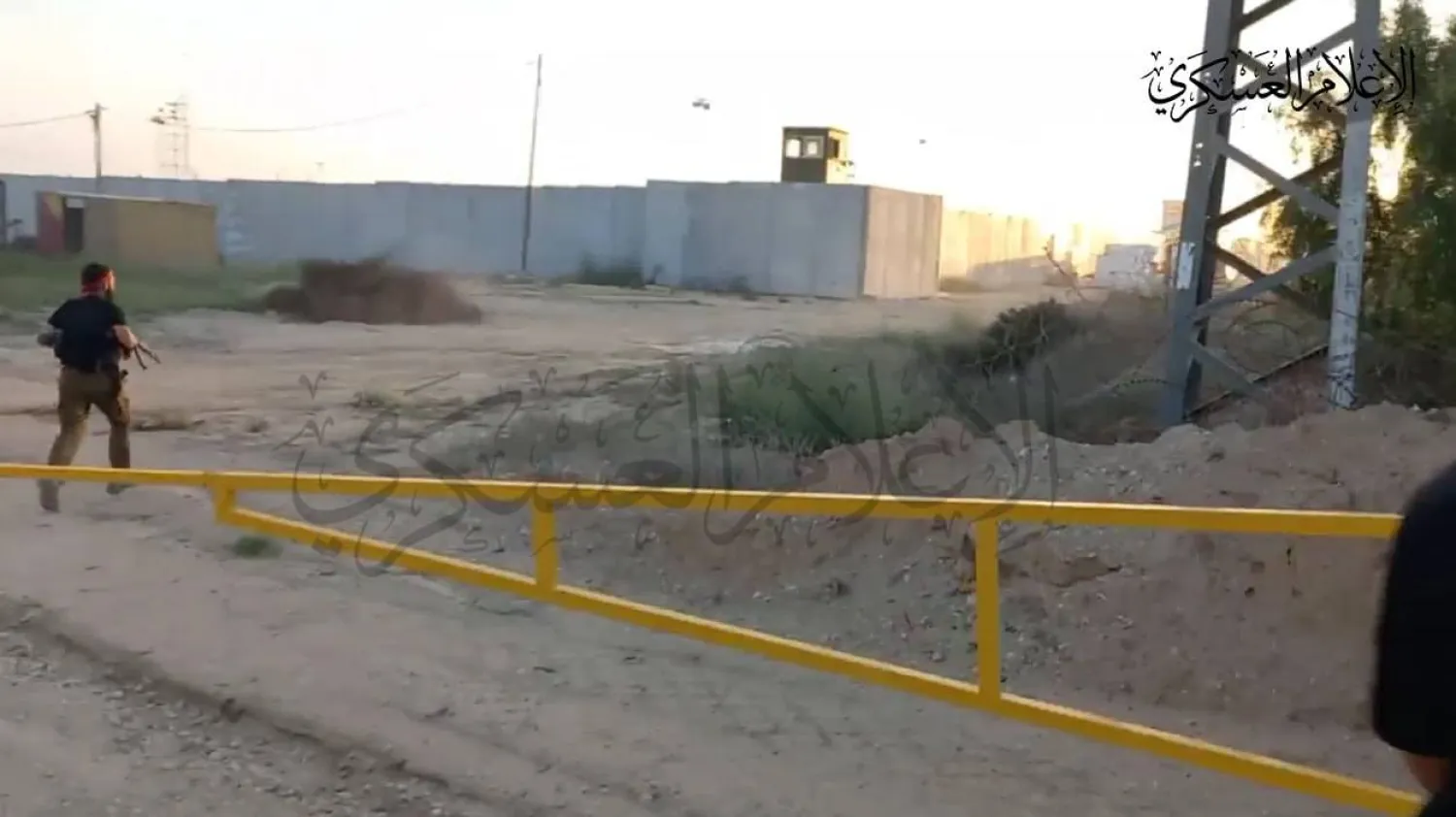
Qassam Brigades fighters infiltrated Israeli territory in an unprecedented attack on Israel, dubbed “Al-Aqsa Flood.” (File photo: Qassam Brigades website)
TT

Al-Haddad Predicted an 80-Day Israeli War... Saad Called for It to End

Qassam Brigades fighters infiltrated Israeli territory in an unprecedented attack on Israel, dubbed “Al-Aqsa Flood.” (File photo: Qassam Brigades website)

Details and behind-the-scenes accounts of the October 7, 2023, attack continue to emerge day by day, although many secrets were buried with those who planned the attack and whom Israel pursued and ultimately killed. They include Yahya Sinwar, the former head of Hamas’s political bureau; his brother Mohammed, one of the most prominent commanders of the Qassam Brigades; the brigades’ commander-in-chief, Mohammed Deif; and other figures.

Last July, Israeli intelligence agencies disclosed the contents of a letter they claimed belonged to Sinwar, reportedly seized from Hamas premises in Gaza. In it, he allegedly anticipated a major Israeli response to the attack, including the possibility of using nuclear weapons to strike Gaza. New Palestinian information is now emerging about the planning behind the attack and expectations of Israel’s response.

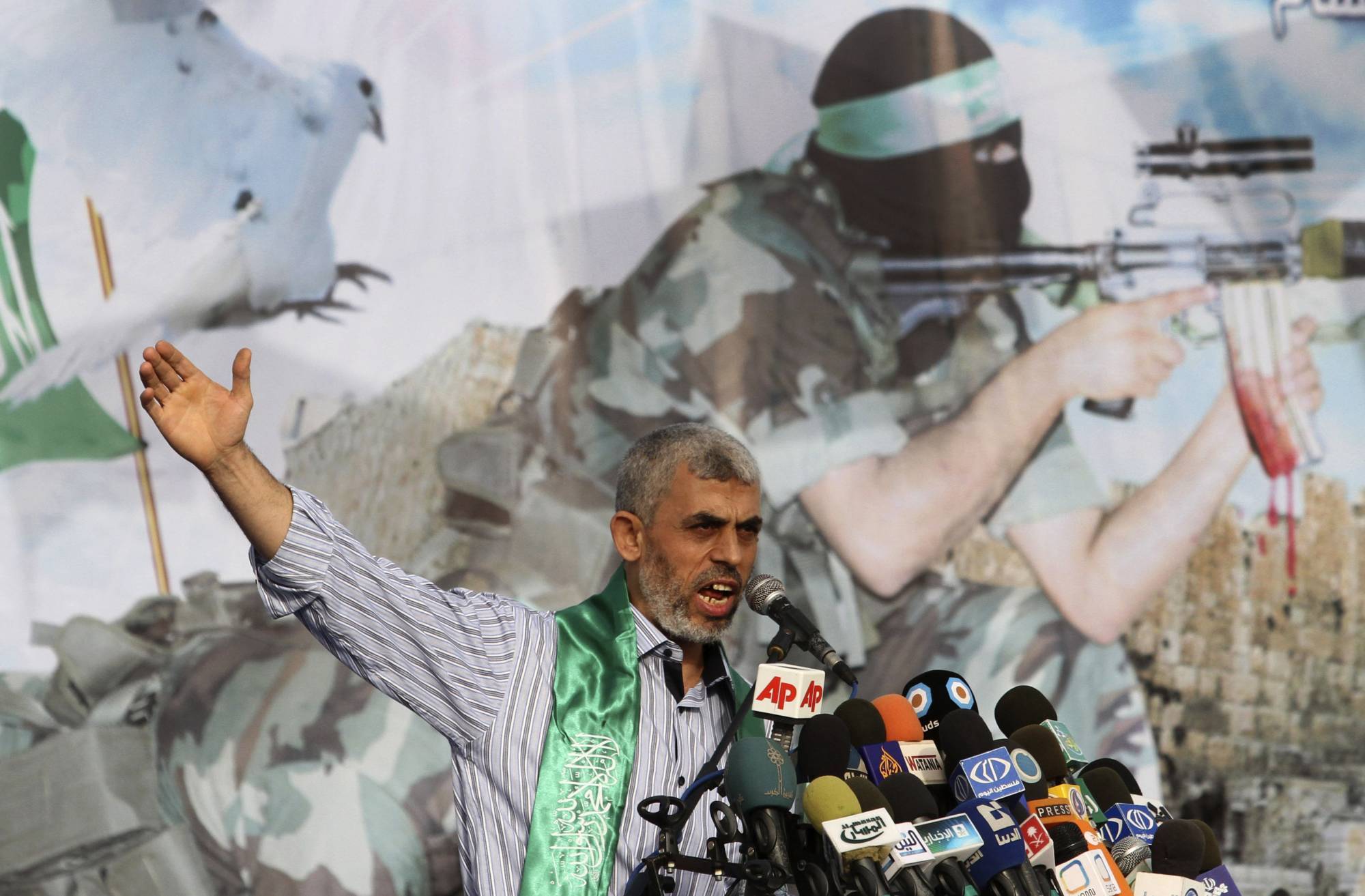
Yahya Sinwar in an archive photo taken in Gaza on October 21, 2011. (AP)

Ezzedine Al-Haddad

Two Hamas sources in Gaza told Asharq Al-Awsat that Ezzedine al-Haddad, the commander of the Qassam Brigades who assumed responsibility for the brigades after the assassinations of Mohammed Deif and Yahya Sinwar, had predicted in a message sent on the first day of the war that it would last only 80 days, after which an agreement would be reached to exchange prisoners and secure Israel’s withdrawal from the Gaza Strip.

According to one source, al-Haddad, who was among the planners and overseers of the attack, had assigned defensive tasks to certain field commanders, instructing them not to exceed specific limits during their participation in the assault on the morning of October 7. However, the sudden collapse of the Gaza Division prompted Qassam fighters to expand their incursion and reach areas that the brigade leadership had not expected them to reach inside the Israeli communities surrounding Gaza. The leadership had overseen the operation from several command centers.

The source said some units had been tasked with advancing deep into Israeli territory and disrupting Israeli forces, while others had been assigned limited objectives before withdrawing to take up defensive positions later. However, the plan did not unfold as intended in several respects because of the collapse of Israeli defenses.

Another source noted that the deaths of numerous field commanders during clashes or in the intense Israeli bombardment in the attack’s opening hours undermined the defensive plan prepared for parts of Gaza Governorate, where al-Haddad was then responsible for a brigade.

The source said al-Haddad was one of the figures who had the greatest influence on the execution of the October 7 attack. He had overseen efforts to increase production of the Yasin 105 launcher for defensive as well as offensive operations. He also authorized field commanders to launch the operation just hours before it began. They had not been briefed on the plan or informed about the attack in advance. During the operation, he had urged them to capture as many Israelis as possible to secure the release of Palestinian prisoners held in Israeli jails.

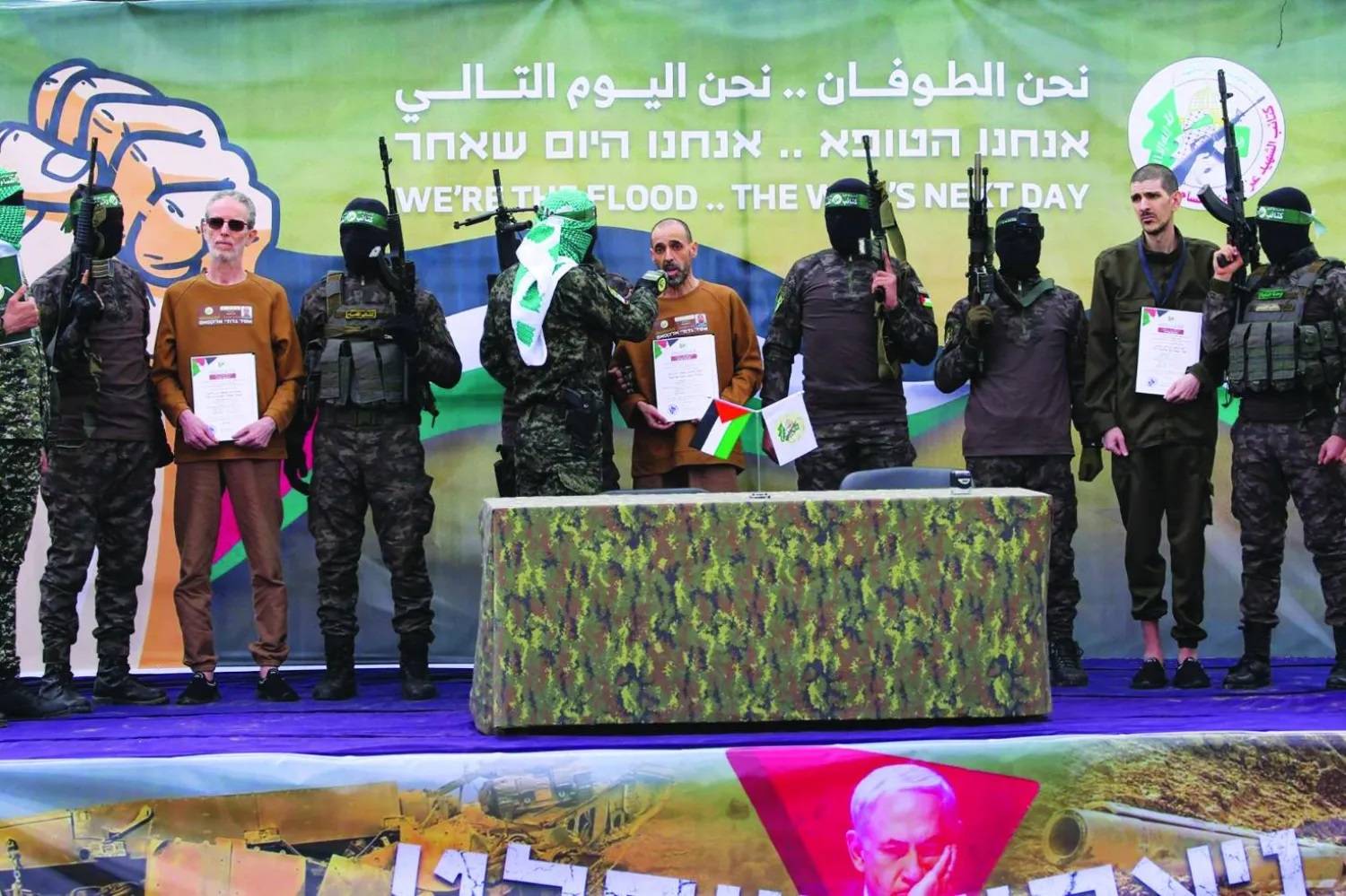
A Hamas banner bearing the slogan “We Are the Flood... We Are the Day After” during the handover of a group of Israeli hostages. (File photo: AFP)

​​​​​​​The Defensive Plan

The source explained that al-Haddad was responsible for defending Gaza City and the northern Gaza Strip. He led the defensive plan alongside field commanders and did not leave the northern part of the territory after Israel separated it from central and southern Gaza. He continued moving among his fighters at the most advanced positions where clashes with Israeli forces were taking place, while also focusing on protecting Israeli hostages.

Assessments within the Hamas and Qassam Brigades leadership that the war could last several months reflected a more optimistic expectation of Israel’s response, given that the group held hostages. However, observers believe these assessments failed to account for the scale of the events, particularly after Israel felt that its security and national pride had been wounded and that it had been humiliated. This prompted Israel to seek revenge by every means available and to continue the war to this day.

A third source said the collapse of the defensive plan forced al-Haddad to find replacements quickly among the leadership. However, the limited experience of some of them led the Qassam commander to adopt a strategy of launching surprise attacks while allowing Israeli forces to advance deep into areas where fighters had set up ambushes. The aim was to inflict unexpected casualties on the Israeli military and focus on capturing soldiers to undermine their morale.

One aspect al-Haddad appears to have failed to anticipate in his defensive plan for northern Gaza was Israel’s ability to reach certain military positions and weapons, missile, and drone storage facilities quickly.

At the same time, the sources believe that al-Haddad and prominent field commanders succeeded in thwarting what became known as the “Generals’ Plan.” The plan aimed to carry out a very large-scale military operation in northern Gaza after separating it from the center and south of the Strip. It involved coordinated attacks by air, land, and sea; taking control of hospitals, shelters, and other facilities; killing, wounding, and arresting hundreds of people and transferring them into Israel; and displacing residents to the southern part of the Strip.

However, after more than 107 days, the plan had failed, and Israel withdrew from those areas amid fierce surprise attacks that killed dozens of Israeli troops.

Raed Saad

Another revelation from behind the scenes of the war concerns divisions within Hamas and the Qassam Brigades leadership over ceasefire proposals. According to one source, prominent Qassam Brigades commander and military council member Raed Saad called in the early months of the war for efforts to end the fighting at any cost.

According to several sources, Saad was among the leaders taken by surprise by the October 7 attack and did not know when it would be carried out, despite being one of the commanders who had helped develop the plan. Israel calls the plan “Jericho Wall,” based on intelligence it had obtained years earlier. Saad was then responsible for operations and had drawn up the plan in 2016. Its implementation was postponed several times over the following years.

According to the first source, Saad sent a written message to the military council leadership during the first four months of the war, urging it to reach an agreement and accept a ceasefire. He stressed that continuing the war did not serve Hamas or the Qassam Brigades, particularly given the high number of fatalities and the possibility that the toll would rise over time.

However, Israel’s repeated rejection of proposals and insistence on continuing the war sidelined those voices, and the fighting continued, the source told Asharq Al-Awsat.

The source added that Saad oversaw numerous areas of responsibility and tasks during the war that strengthened the Qassam Brigades’ ability to withstand the fighting. He continued supporting field commanders in combat and remained in close and regular contact with al-Haddad and other leaders to determine military operations, confront Israeli forces, and keep Israeli hostages in a way that could help secure a prisoner-exchange deal.