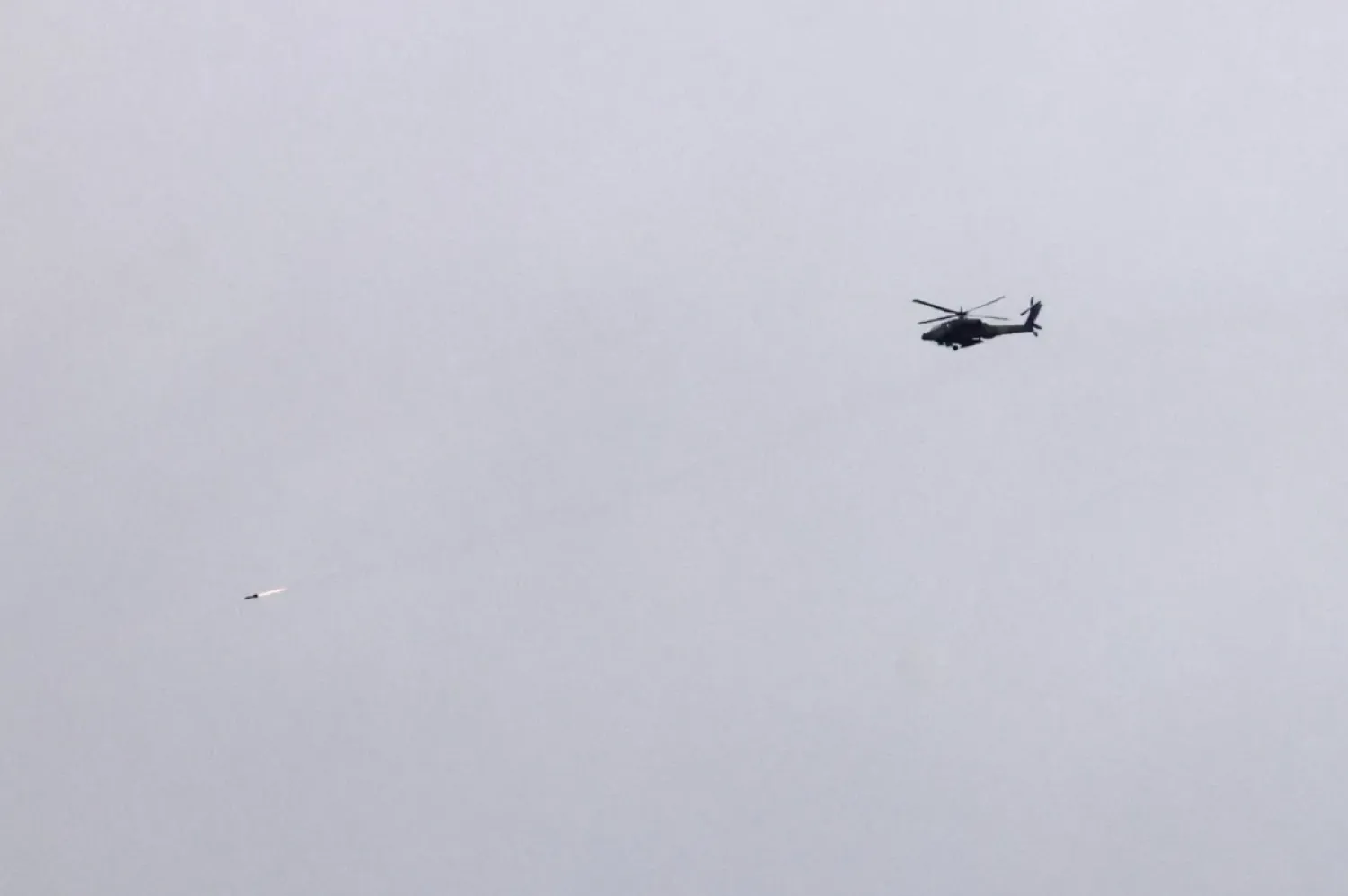

Hezbollah has, in recent days, activated the use of surface-to-air missiles to target Israeli drones, in addition to firing them at helicopters and fighter jets, according to statements it issued. It reported the downing of several drones in southern Lebanon and damage to a helicopter, while experts say these announcements are “directed inward to suggest that Israel does not have air superiority over Lebanon’s skies, a claim that is illusory.”
While the group had used this type of missile in the previous war in 2024, it has recently intensified their use, with five such operations recorded last Wednesday, raising questions about the types of missiles it possesses and their ability to alter the course of the battle, given Israel’s air superiority, which remains a decisive factor in favor of Tel Aviv.
Notably, last week the group announced that it had engaged an Israeli warplane over Beirut using a surface-to-air missile, in the first operation of its kind over the capital. This raised concerns about civil aviation, as the launch took place from the vicinity of Beirut International Airport.
Hezbollah has focused on using surface-to-air missiles in the southern border area, specifically in attempts to target and down Israeli helicopters during the evacuation of dead or wounded Israeli soldiers.
What Missiles Is the Group Using?
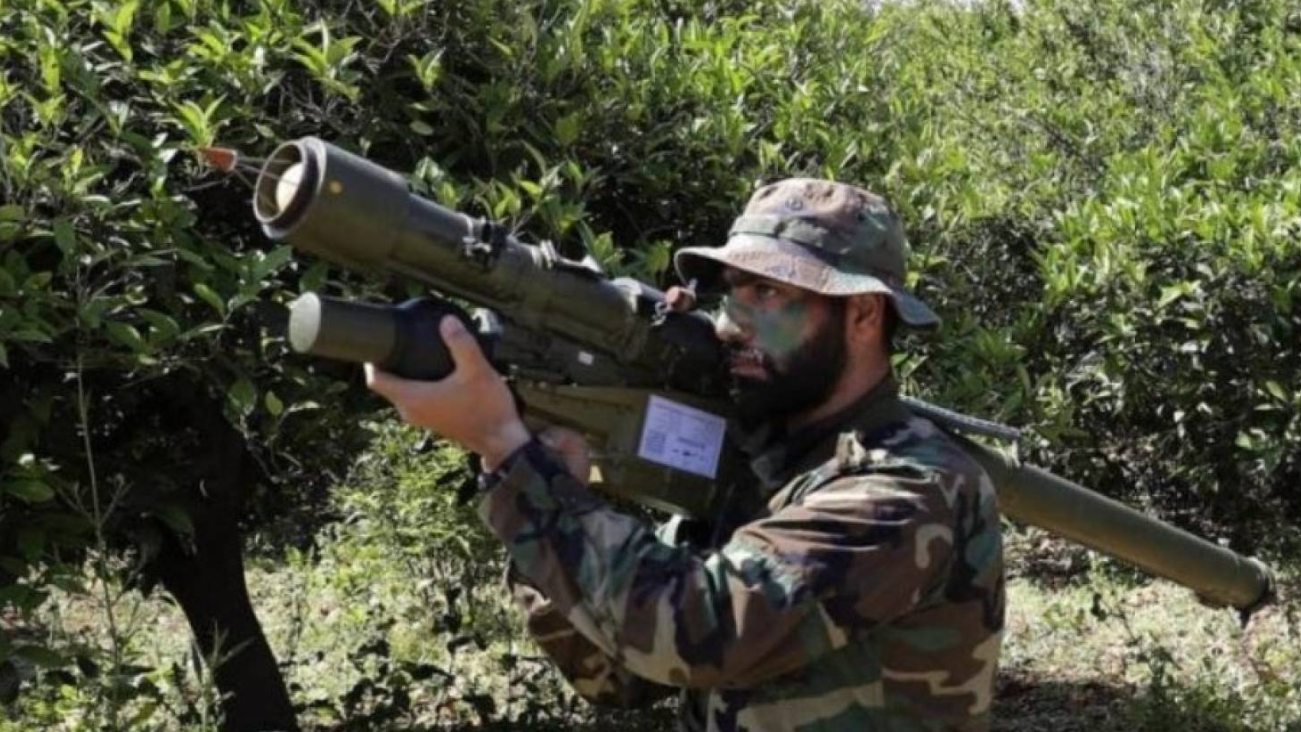
Regarding the type of missiles used, Dr. Riad Kahwaji, a researcher and writer on security and defense affairs, said: “These missiles are shoulder-fired and are of the Misagh type, a modified and upgraded model similar to the Russian SAM-7. Hezbollah used them in the previous war and downed a number of drones with them.”
He added that the group announces such operations to claim that Israel does not have air superiority and that it possesses air defenses capable of confronting aircraft, in order to create an illusion for its audience.
“In reality, the maximum capability of these missiles is limited to targeting some drones, nothing more, given that Israeli fighter jets have overcome the advanced Russian S-300 air defense system, which is a highly advanced system.”
Kahwaji told Asharq Al-Awsat that “the air defenses possessed by the group do not pose any threat whatsoever, near or far, to Israeli aircraft, which enjoy complete air superiority over the skies of Lebanon and Iran.”
Types of Surface-to-Air Missiles
Misagh-2 missiles are relatively modern and effective against low-altitude targets. They track the heat signature of an aircraft or helicopter engine and are fired from the shoulder by a single soldier, with a range of between 5 and 6 kilometers. By contrast, the Russian S-300 is an integrated air defense system and one of the most well-known and most powerful long-range systems in the world, with a range of between 75 and 200 kilometers. Iran possesses the Russian S-300 system as well as the long-range Bavar-373 system, but it has not succeeded in downing any fighter jet during the ongoing US-Israeli war.
Hezbollah Operations
Hezbollah announced last week that it had launched a surface-to-air missile toward an Israeli warplane over Beirut. It also said it targeted an Israeli helicopter on Tuesday over the town of Yaroun with two surface-to-air missiles, stating that its fighters “achieved a confirmed hit.”
The group also said on Wednesday that it had downed an Israeli military drone of the Hermes 450 (Zik) type over the town of Aita al-Shaab using a surface-to-air missile. It added that its fighters also engaged an Israeli warplane on Wednesday over the town of Jouaiya using a surface-to-air missile.