


Islamic Ministers’ Executive Council Condemns Iran’s Attacks on the Region

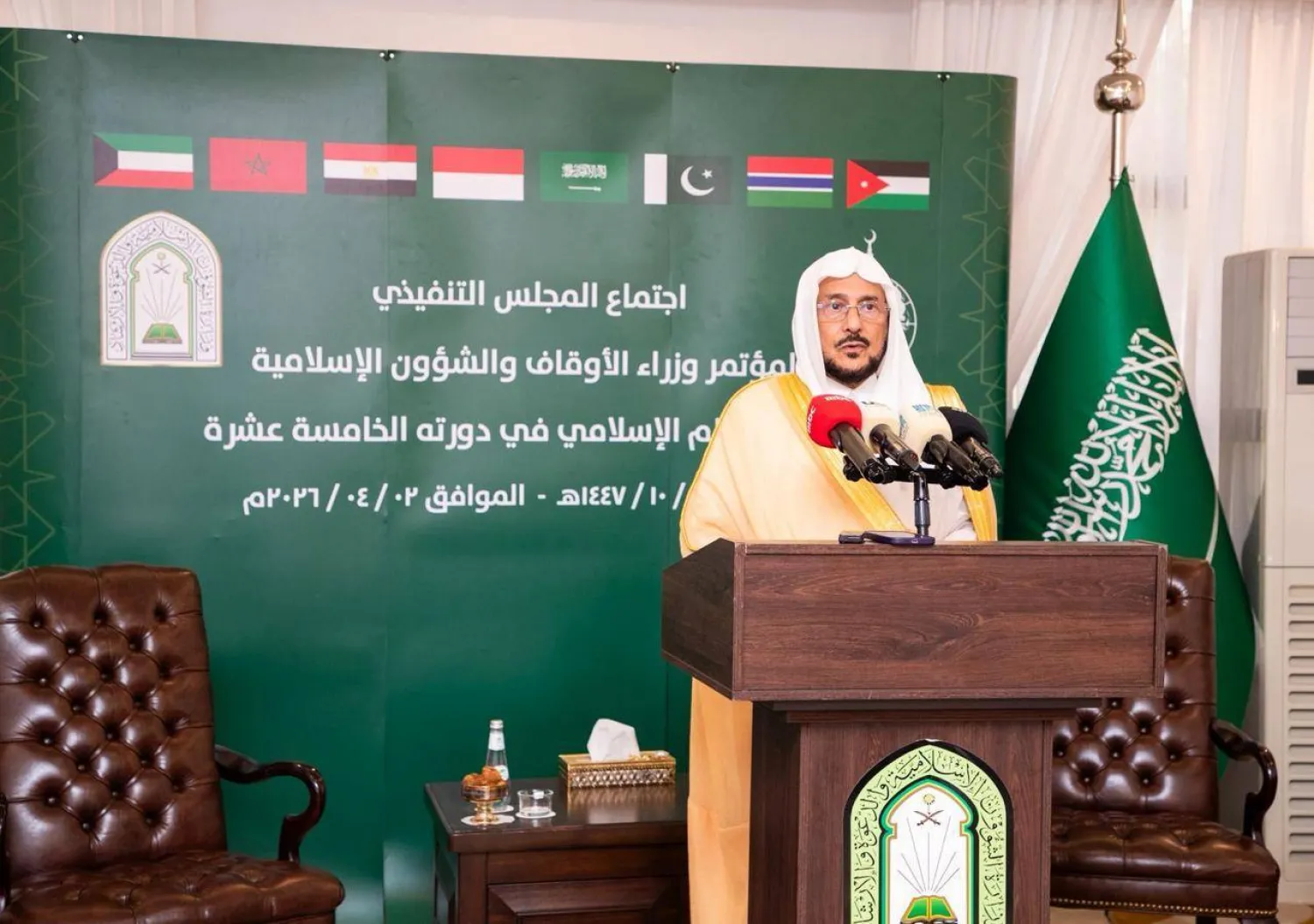
Saudi Minister of Islamic Affairs, Dawah and Guidance Sheikh Dr. Abdullatif Al Alsheikh addresses the conference. (Asharq Al-Awsat)
TT

Islamic Ministers’ Executive Council Condemns Iran’s Attacks on the Region

Saudi Minister of Islamic Affairs, Dawah and Guidance Sheikh Dr. Abdullatif Al Alsheikh addresses the conference. (Asharq Al-Awsat)

The Executive Council of the Conference of Ministers of Awqaf and Islamic Affairs condemned the deliberate Iranian attacks on Saudi Arabia, the Gulf and Jordan, accusing Tehran of seeking to destabilize the region, terrorize civilians, kill innocents and target homes, infrastructure, desalination plants, airports and diplomatic missions.

In a statement after a virtual meeting in Jeddah, Saudi Arabia, the council said the attacks violated Islamic values and principles, good neighborliness, international treaties and international law, and posed a threat to international peace and security.

The council said the attacks could not be justified under any pretext and called on Iran to halt them immediately and stop supporting, funding or arming affiliated militias.

Saudi Minister of Islamic Affairs, Dawah and Guidance and Chairman of the council Sheikh Dr. Abdullatif Al Alsheikh urged condemnation of the heinous attacks by Iran and its militias on Saudi Arabia, Gulf Cooperation Council states and Jordan.

He said the attacks violated Islamic principles and international laws, undermined regional security and reflected a reckless attempt to push the region toward chaos and strife.

Alsheikh said Saudi Arabia and its leadership were capable of defending the country, protecting Islamic holy sites and confronting any threat to its security and resources.

The Kingdom had strengthened national unity, with citizens rallying behind the leadership and supporting its decisions, he added.

In remarks to Asharq Al-Awsat, the minister said the meeting came at a time of “abnormal circumstances” in the Muslim world marked by rising aggression.

He accused Iran of carrying out daily hostile acts, including launching drones and missiles without justification toward Saudi Arabia, Gulf states and Jordan, and said those countries remained steadfast, strong and aware of their responsibilities toward their religion, leadership and nations.


King Salman Invites Qatar’s Emir to Participate in Second GCC-EU Summit

Qatar's Emir Sheikh Tamim bin Hamad Al Thani receives the Saudi ambassador in Doha (QNA).
TT

King Salman Invites Qatar’s Emir to Participate in Second GCC-EU Summit

Qatar's Emir Sheikh Tamim bin Hamad Al Thani receives the Saudi ambassador in Doha (QNA).

Custodian of the Two Holy Mosques King Salman bin Abdulaziz Al Saud sent a written message to Emir of Qatar Sheikh Tamim bin Hamad Al Thani, inviting him to participate in the second Gulf Cooperation Council (GCC)-European Union (EU) Summit, which Saudi Arabia will host in October.

The message was delivered by Saudi Ambassador to Qatar Prince Saad bin Mansour bin Saad during the Emir's reception of him at his office at Lusail Palace, SPA reported.

The ambassador conveyed to the Emir the greetings of the Custodian of the Two Holy Mosques, along with his wishes for continued health and happiness and for the Qatari people to enjoy further progress and prosperity.

For his part, the Qatari Emir asked the ambassador to convey his greetings to his brother, the Custodian of the Two Holy Mosques, along with his wishes for continued health and well-being and for the Saudi people to enjoy continued prosperity and progress.

During the reception, the two sides reviewed the fraternal relations between the two countries and ways to develop and strengthen them.


Saudi Arabia Provides $59.7 Million to Support Yemen's Budget, Salaries

Custodian of the Two Holy Mosques King Salman bin Abdulaziz Al-Saud and Prince Mohammed bin Salman, Crown Prince and Prime Minister. (SPA)
TT

Saudi Arabia Provides $59.7 Million to Support Yemen's Budget, Salaries

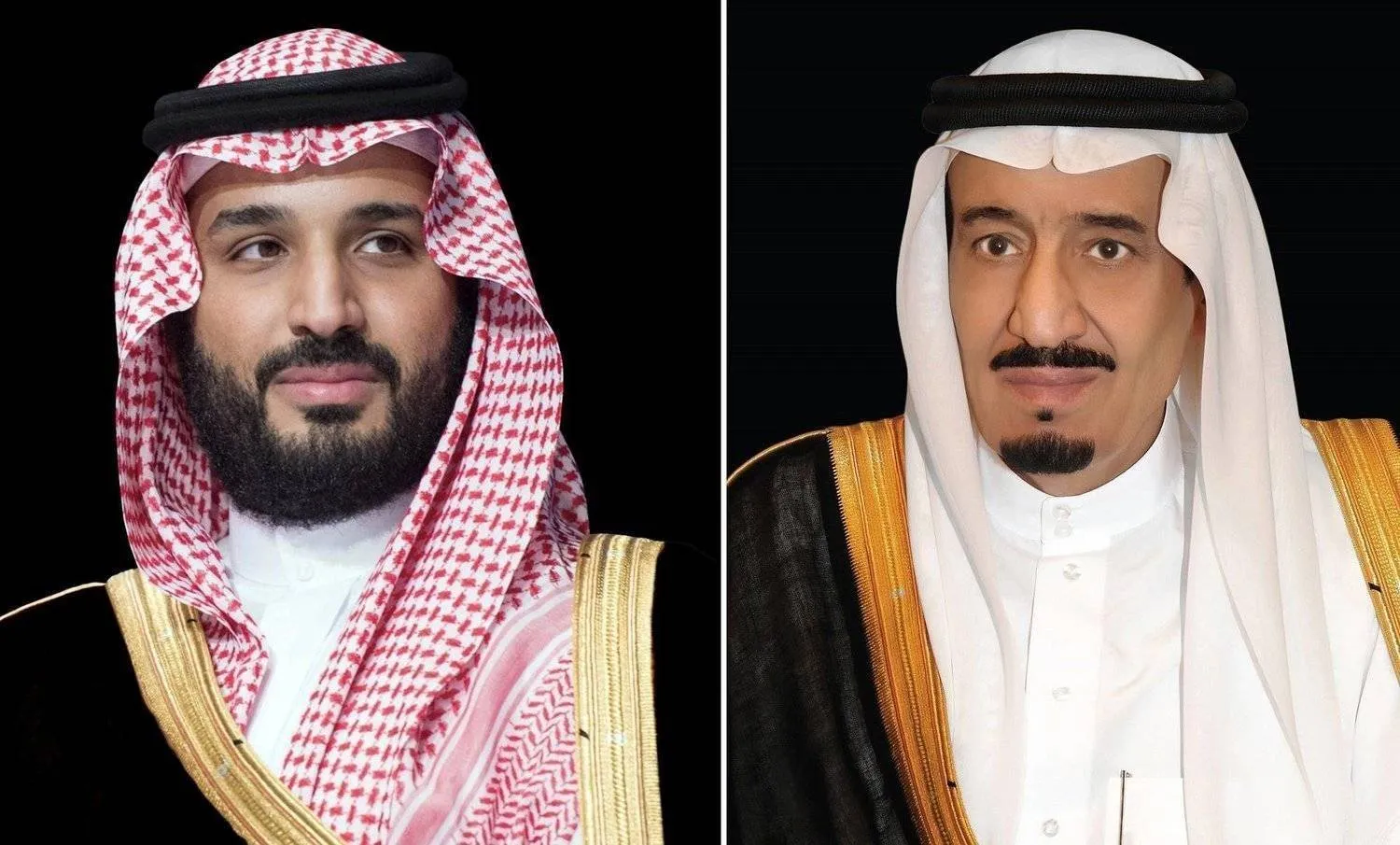
Custodian of the Two Holy Mosques King Salman bin Abdulaziz Al-Saud and Prince Mohammed bin Salman, Crown Prince and Prime Minister. (SPA)

Under the leadership's directives, the Kingdom of Saudi Arabia, through the Saudi Development and Reconstruction Program for Yemen (SDRPY), has provided a new financial installment of more than $59.7 million to support the Yemeni state budget.

The funding is designated to cover operational expenses and salaries, reflecting the Kingdom's ongoing commitment to supporting stability and development for the brotherly Yemeni people.

The support aims to ensure the regular flow of government funds and salary payments and to improve the efficiency of fiscal policy, putting economic and social development on a more sustainable path. It is also expected to boost purchasing power, stabilize household incomes, and revive commercial markets.

Saudi Arabia is Yemen's largest supporter across the humanitarian, development, and economic fields. Its development and economic interventions totaled more than $12.6 billion between 2012 and 2026. These interventions include deposits and grants to the Central Bank of Yemen aimed at achieving fiscal balance and supporting macroeconomic stability. They have been a cornerstone in strengthening Yemeni institutions' capacity to continue delivering services and easing economic and social pressures.

To date, SDRPY has implemented 300 development projects and initiatives across eight vital sectors in Yemen, upgrading infrastructure, improving public services, building local institutional capacity, and creating job opportunities.


Coalition to Asharq Al-Awsat: Houthi Claims about Targeting Riyadh Are Misleading

Coalition official spokesman Major General Turki Al-Malki. (Coalition to Restore Legitimacy in Yemen)
TT

Coalition to Asharq Al-Awsat: Houthi Claims about Targeting Riyadh Are Misleading

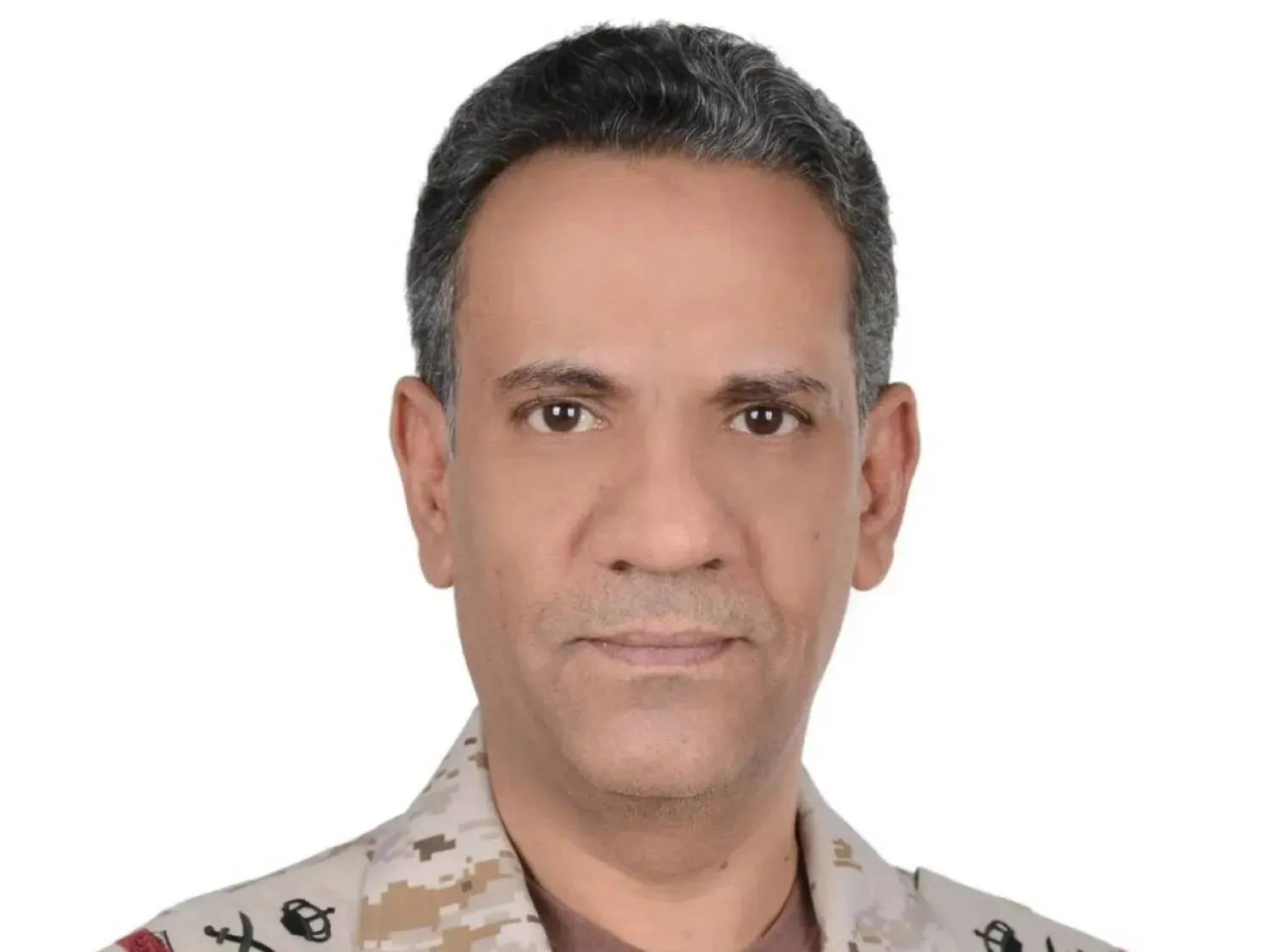
Coalition official spokesman Major General Turki Al-Malki. (Coalition to Restore Legitimacy in Yemen)

The Saudi-led Coalition to Restore Legitimacy in Yemen dismissed on Saturday as “misleading” Houthi claims that they targeted the Saudi capital Riyadh.

Coalition official spokesman Major General Turki Al-Malki told Asharq Al-Awsat that “what the Houthis are facing in Taiz, and the human losses suffered by the group's members at the hands of the heroes of the Yemeni Armed Forces and the Popular Resistance on all fronts drives them to seek illusory victories.”

The Houthis are “attempting to divert attention from the scale of the losses and the growing public anger against them,” he added, while stressing that their “ties to external agendas that have brought chaos and devastation to Yemen.”

The Iran-backed group claimed it had targeted Riyadh at a time when unified Yemeni forces are fighting battles to repel the group's attempts to secure positions it attacked on the West Coast.

Recent Yemeni reports said the group has lost around 5,000 fighters within a week, while the Yemeni Armed Forces are carrying out a series of aerial and ground military operations across various fronts targeted by the Houthis.

Spokesperson for the Yemeni Armed Forces Colonel Majid Al-Nuzaili announced in a statement the execution of 257 precision targeting operations against Houthi military positions, movements, and capabilities, utilizing fighter jets, drones, artillery, missiles, and rocket launchers.

The operations covered Sanaa, Midi (northwest), and Baqim (Saada), the fronts of Al-Jawf, Marib, Al-Bayda, and Lahij, with operational efforts concentrated on the Taiz fronts, targeting command and control centers, troop gatherings and mobilizations, combat reserves, weapons and ammunition depots, as well as military supply lines and means, he added.

According to preliminary field estimates, the operations resulted in the neutralization of at least 700 militants and destruction of 170 combat vehicles, stated Al-Nuzaili.

This had a direct impact on the militias' combat capacity and limited their ability to continue their assaults against civilians in their homes and villages, he went on to say.