Qatar FM Urges US, Iran to be Open to Mediation in Call with Iranian FM

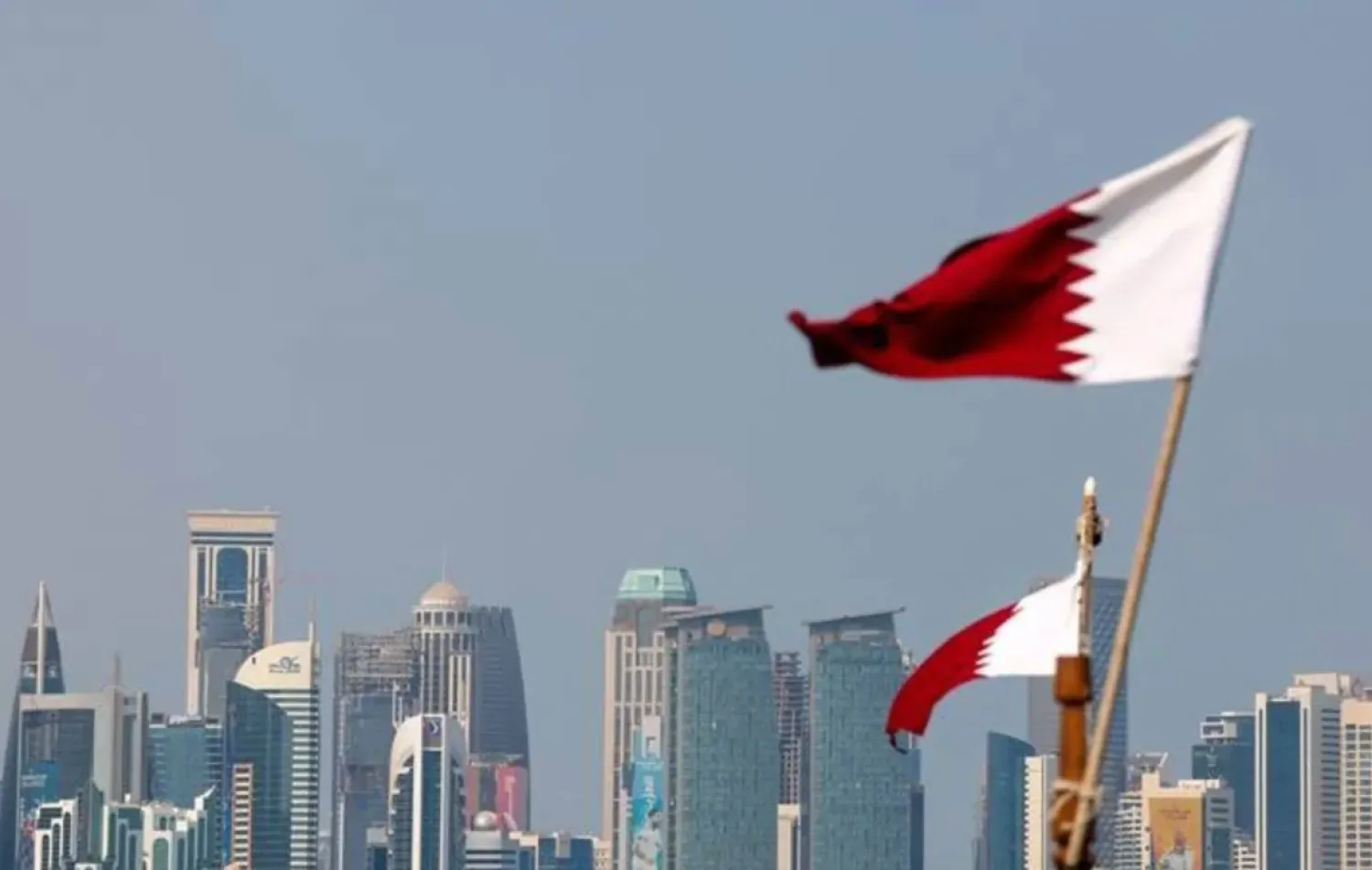
Qatari flag flutters in Doha - AAWSAT/File
TT

Qatar FM Urges US, Iran to be Open to Mediation in Call with Iranian FM

Qatari flag flutters in Doha - AAWSAT/File

Qatar's foreign minister told his Iranian counterpart on Monday that Iran and the United States should engage positively with mediation efforts, warning that maritime routes must not be used as "bargaining tools".

Qatari Foreign Minister and Premier Sheikh Mohammed bin Abdulrahman Al Thani "stressed the importance of all parties responding positively to the ongoing mediation efforts," in a call with Abbas Araghchi, AFP reported.

"He also emphasized the need to open maritime routes, guarantee freedom of navigation, and refrain from using them as a tool for pressure or bargaining," according to a statement released by the foreign ministry.


Saudi-Pakistani Ties Shift from Coordination to Shaping Stability

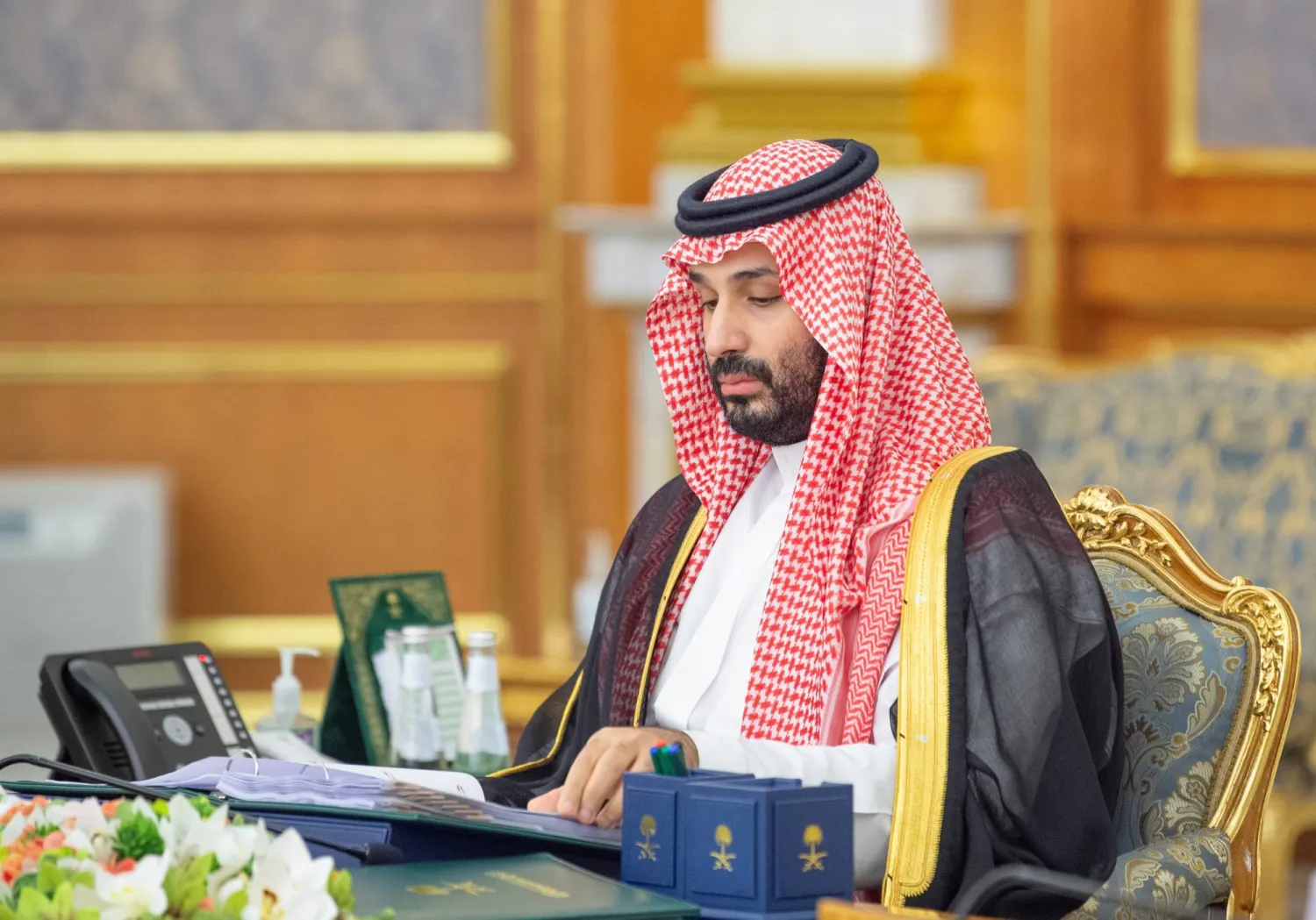
Saudi Crown Prince Mohammed bin Salman receives Pakistani Prime Minister Shehbaz Sharif in Jeddah on Wednesday (SPA)
TT

Saudi-Pakistani Ties Shift from Coordination to Shaping Stability

Saudi Crown Prince Mohammed bin Salman receives Pakistani Prime Minister Shehbaz Sharif in Jeddah on Wednesday (SPA)

Analysts said Saudi-Pakistani ties have moved beyond partnership to actively shaping stability and peace, describing Pakistani Prime Minister Shehbaz Sharif’s visit to the Kingdom as evidence of deep strategic alignment on fast-moving regional developments.

Speaking to Asharq Al-Awsat, they said the visit comes amid intensified consultations to de-escalate tensions and push toward an agreement to end the Iran war, with the aim of securing regional stability.

In Jeddah on Wednesday, Saudi Crown Prince Mohammed bin Salman and Sharif held talks on regional developments and the US-Iran negotiations, which are being hosted by Islamabad.

Aligning positions

Ali Awadh Asseri, Saudi Arabia’s former ambassador to Pakistan, said the visit reflects sustained high-level coordination on regional and international issues, underscoring Islamabad’s commitment to close alignment with Riyadh.

Abdullah Al-Rifai, a media professor at Imam Muhammad Ibn Saud University, said the partnership has shifted from coordination to actively shaping stability.

“This is not protocol diplomacy,” he said. “In a volatile region where crises and interests overlap, these moves are reshaping the balance of stability.”

He said repeated visits by Pakistani officials signal a deeper strategic effort to build a unified stance on regional shifts, closely tied to Pakistan’s role in mediation.

Depth of ties

Asseri described the relationship as a durable strategic partnership rooted in shared beliefs.

“It has remained steady and grown stronger with each leadership,” he said.

He added that Pakistan consults Saudi leadership on key issues, including its relations with other states and the war involving Iran, the United States, and Israel.

A two-week truce has been reached, he said, with hopes of an extension and ongoing dialogue that could end the conflict.

Mutlaq Al-Mutairi, a political media professor at King Saud University, said the relationship has evolved into a multidimensional partnership spanning politics, security, and the economy, focused on managing crises, preventing escalation, and building lasting stability.

Frequent visits reflect continuous consultation, not protocol, particularly in a tense regional environment, he said, with discussions covering tensions, maritime security, and energy.

Prioritizing peace

Asseri said Saudi Arabia does not seek war and supports Pakistan’s hosting of US-Iran consultations.

He said Pakistan’s balanced ties position it as a credible mediator, citing its long-standing relationship with the United States since 1971, its role in US-China relations and the Vietnam War, its alliance with Washington in the war on terrorism, its role in the US withdrawal from Afghanistan, and its ties with neighboring Iran.

Al-Rifai said Islamabad is leveraging those ties to push political solutions, backed by Saudi Arabia’s consistent preference for de-escalation.

Al-Mutairi said Riyadh’s support reflects a smart division of roles, combining Pakistan’s links to Washington and Tehran with Saudi Arabia’s global political and economic weight.

Saudi Arabia’s experience shows stability is built through balance, not force, Al-Rifai said, reinforcing its role as a pillar of regional and global stability.

Al-Mutairi added that Saudi efforts also aim to safeguard energy markets, secure trade routes, and support the investment climate.

Strategic vision

Al-Rifai said Saudi Arabia has become a political and economic actor capable of shaping crises and building alliances that strengthen collective security.

“This role is grounded in political weight, a resilient economy, and a clear strategy to make stability lasting,” he said.

On Iran, Asseri described it as a source of regional instability, noting that former US presidents Barack Obama and Joe Biden took different approaches from Donald Trump, who withdrew from the nuclear deal over concerns about Iran’s nuclear ambitions.

Saudi Arabia hopes Iran becomes a stable neighbor that does not threaten the region, he said.

He added that Vision 2030 reflects a peaceful, development-focused approach. Saudi Arabia sought solutions with Iran, including the Beijing agreement, but Iran did not uphold its commitments, he said.

Balanced protection

Asseri said military cooperation dates back to the 1970s, including Pakistani involvement in training Saudi forces and a 1982 agreement.

The recent presence of Pakistani forces in the Kingdom under a joint defense agreement reflects Islamabad’s commitment to Riyadh, he said.

“Pakistan would not abandon Saudi Arabia if it were attacked, even without an agreement,” he said.

Al-Mutairi said the military presence reflects deep-rooted defense ties and mutual trust, within legitimate cooperation between sovereign states.

Al-Rifai said it underscores a security partnership that supports regional stability while avoiding open confrontation.

Deepening economic ties

Al-Rifai said the relationship is expanding into economic cooperation built on shared interests and investment opportunities.

Al-Mutairi said the economic track has become central, driven by Saudi Vision 2030 and Pakistan’s need for investment and energy, with a focus on energy, infrastructure, mining, and agriculture.

Asseri said Saudi support to Pakistan’s central bank includes liquidity support and deferred oil payments, as well as humanitarian aid.

Activating agreements

Asseri said agreements signed during Crown Prince Mohammed bin Salman’s visits to Islamabad must now be implemented.

He pointed to Pakistan’s strengths in defense manufacturing, surgical equipment exports to Europe, and cotton exports to US companies, but said these opportunities are under-marketed to Saudi investors.

He called for stronger engagement between business communities, including visits and forums, noting that more than 120 Pakistani companies already operate in Saudi Arabia.


Saudi Arabia Bolsters Pakistan's Economic Stability with Deposit at Central Bank

Custodian of the Two Holy Mosques King Salman bin Abdulaziz Al Saud and Prince Mohammed bin Salman bin Abdulaziz Al Saud, Crown Prince and Prime Minister of Saudi Arabia.
TT

Saudi Arabia Bolsters Pakistan's Economic Stability with Deposit at Central Bank

Custodian of the Two Holy Mosques King Salman bin Abdulaziz Al Saud and Prince Mohammed bin Salman bin Abdulaziz Al Saud, Crown Prince and Prime Minister of Saudi Arabia.

Reflecting the strong ties and ongoing cooperation between the Kingdom of Saudi Arabia and the Islamic Republic of Pakistan, and in line with the directives of Custodian of the Two Holy Mosques King Salman bin Abdulaziz Al Saud and Prince Mohammed bin Salman bin Abdulaziz Al Saud, Crown Prince and Prime Minister, Saudi Arabia has continued its support to enhance Pakistan’s economic stability by extending the term of an existing $5 billion deposit at the State Bank of Pakistan and announcing an additional deposit of $3 billion.

This assistance aims at supporting Pakistan’s economy and strengthening its resilience amidst evolving global economic challenges, and comes in accordance with the leadership’s directives to strengthen the bonds of brotherhood between the two countries, SPA reported.

This also affirms the Kingdom's commitment to fostering the economic growth of Pakistan, which is expected to reflect positively on the living conditions of Pakistani citizens.


GCC Secretary-General Meets with Top EU Officials in Brussels

Secretary-General of the Gulf Cooperation Council (GCC) Jasem Albudaiwi. SPA
TT

GCC Secretary-General Meets with Top EU Officials in Brussels

Secretary-General of the Gulf Cooperation Council (GCC) Jasem Albudaiwi. SPA

Secretary-General of the Gulf Cooperation Council (GCC) Jasem Albudaiwi met on Thursday with President of the European Parliament Roberta Metsola in Brussels.

Albudaiwi expressed appreciation to the European Parliament for its supportive stance towards the GCC countries, reflecting its firm commitment to the principles of international law.

The meeting addressed regional and international developments, the repercussions of Iranian attacks on Gulf states, and the direct threat these attacks pose to the security and stability of the region, the safety of international maritime navigation, and global energy supplies.

Metsola reiterated the European Parliament's support for the GCC countries against the attacks.

The two sides reviewed the GCC’s proposal for a parliamentary cooperation mechanism involving GCC legislative councils and the European Parliament, aimed at enhancing consultation, coordination, legislative cooperation, and institutional capacity to strengthen relations.

Albudaiwi also met with President of the European Commission Ursula von der Leyen.

During the meeting, the two sides discussed the implications of the regional escalation, emphasizing the importance of de-escalation and a lasting diplomatic solution, in addition to the importance of involving the GCC countries in any negotiation process, as they are a key party and are affected by the developments.

The meeting reviewed key issues, including follow-up on the outcomes of the first GCC-EU summit held in October 2024 in Brussels.

Both sides also discussed enhancing GCC-EU relations and reviewed progress on the Joint Work Program (2022-2027).

In his meetings on Thursday, Albudaiwi called on the European Union to play a more effective diplomatic role in mediating the conflict with Iran.

He stressed that GCC states base their international partnerships on national and strategic interests, maintaining balanced relations with Washington, Brussels, Beijing, and Moscow without aligning with any single bloc.