



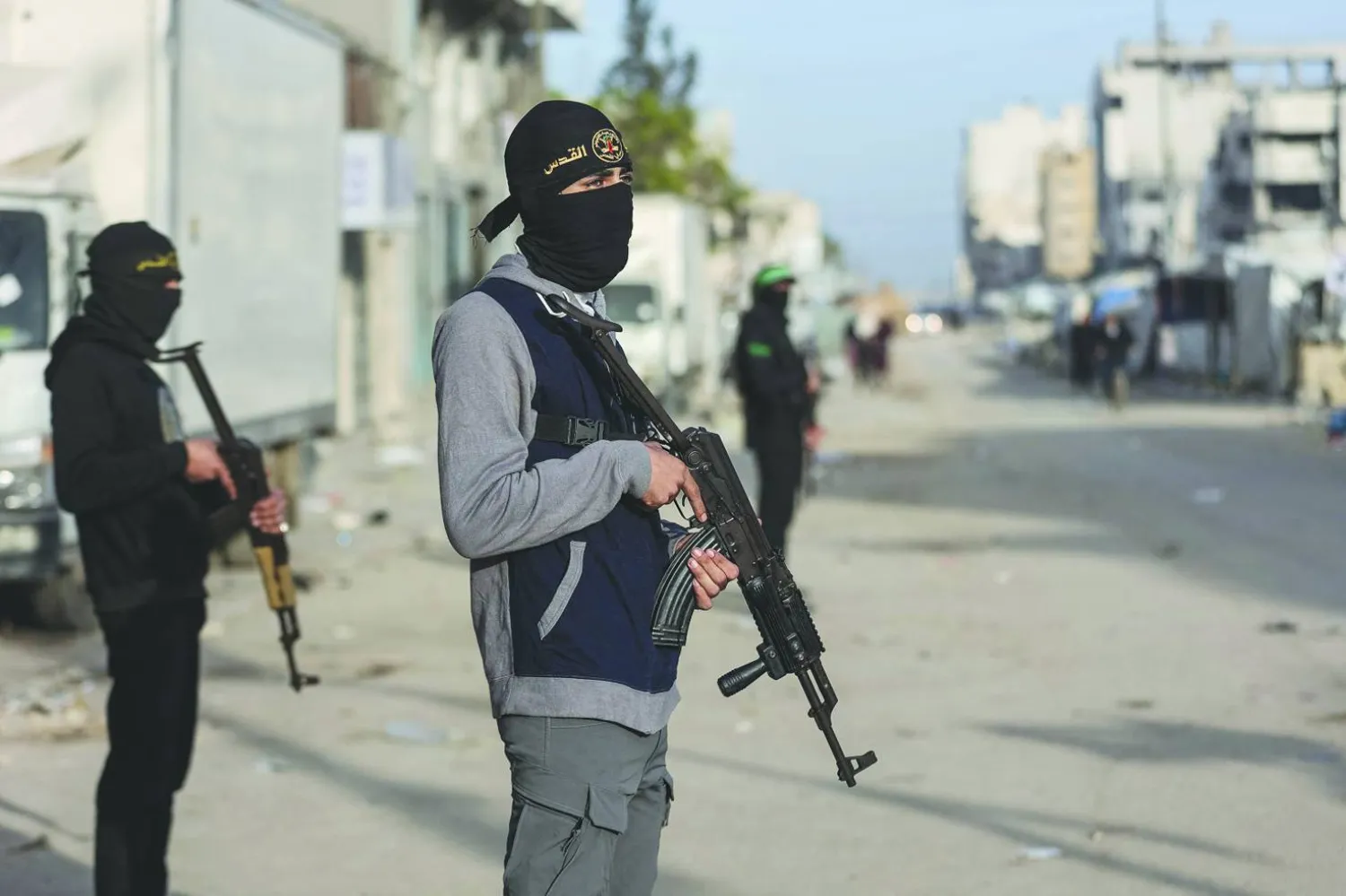

Hamas is facing its strongest pressure yet from mediators and other parties to agree, even in principle, to the “Peace Council” document before negotiating its terms, particularly the plan to disarm factions operating in the Gaza Strip, especially its armed wing, the Qassam Brigades.
Two Hamas sources outside Gaza told Asharq Al-Awsat that some mediating countries are trying to persuade the movement to provide preliminary written approval of the plan, which was presented about two weeks ago by Peace Council High Commissioner Nikolay Mladenov to the group’s leadership, with detailed negotiations to follow at a later stage.
The sources said there are efforts to secure this approval before obtaining clear guarantees obligating Israel to implement the first phase of the ceasefire agreement. They added that the negotiating team is insisting on maintaining its position to ensure full implementation of the first phase before moving on to talks over the second phase.
They said mediators and other parties are pushing for the full implementation of the first phase without exception, in exchange for immediately beginning work on the second phase in parallel, a move that could lead to an agreement.
One source pointed to real concerns within Hamas leadership that Israel and the United States could use any preliminary approval to the phase-two document to pressure the movement into steps it still rejects under the original plan and for which it has requested clear amendments.
The source added that some mediating countries understand Hamas’ position and concerns and are trying to convey reassurances, while internal discussions within the movement and with other Palestinian factions are ongoing.
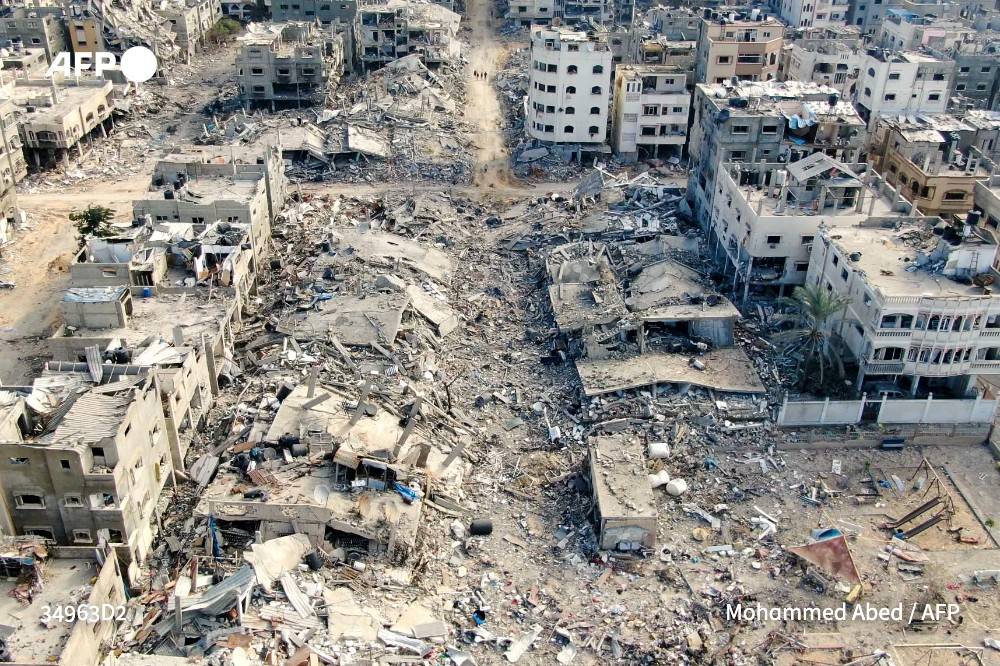
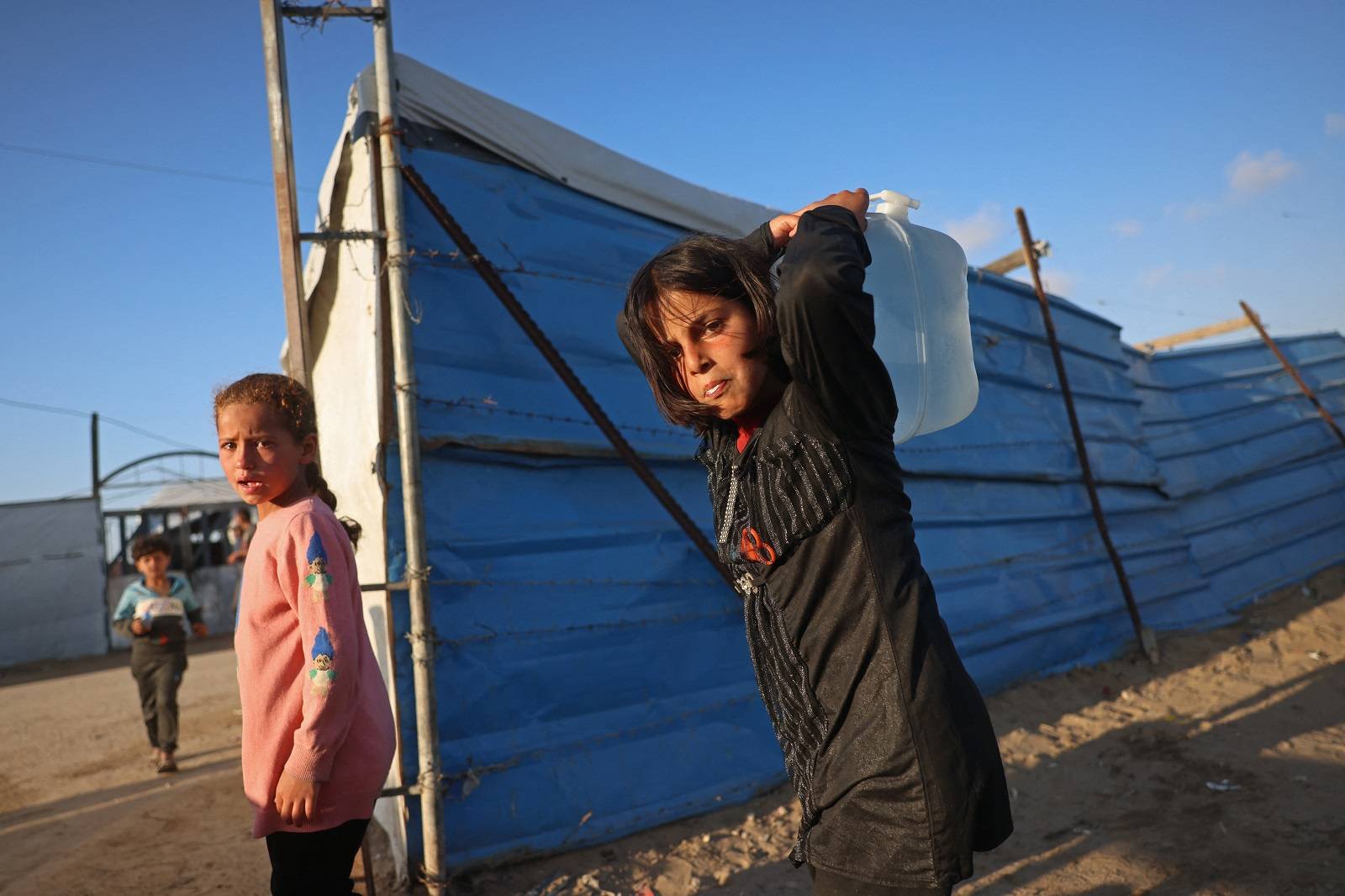
Some factions, with mediator backing, have proposed shortening the second phase from eight months to three or four months to capitalize on any positive progress in improving humanitarian and living conditions in Gaza, particularly by launching the reconstruction phase amid the urgent need for progress, as displaced people whose homes were destroyed continue to live in extremely harsh conditions, according to a factional source.
The same source said the aim of shortening the second phase is to move to more advanced stages that serve all parties, especially Palestinians seeking to reorganize their internal situation, address the population’s needs, and work toward building a comprehensive Palestinian national system. The source added that efforts are also underway, with Arab and Islamic support including from Türkiye, to resume Palestinian national dialogue, but so far there has been no progress indicating an imminent meeting, though efforts continue.
The source noted there is consensus among factions on the issue of limiting weapons, but not in the form currently proposed. Factions want to introduce amendments to the original proposal and will wait to see how ongoing contacts develop before submitting their revisions if serious discussions on the second phase begin.
This comes as Israeli military escalation continues in the Gaza Strip, leading to a rising number of Palestinian casualties.
Four Palestinians were wounded Saturday morning, one critically, after being shot east of Gaza City and east of Jabalia in the northern part of the territory.
On Friday, three Palestinians were killed in a series of Israeli attacks targeting groups of civilians and tents for displaced people in Khan Younis in the south and in areas in the north. Among the victims were two brothers who were driving a desalinated water truck providing services to displaced people with support from UNICEF, which announced it was suspending its activities in northern Gaza following the incident.
The number of Palestinian casualties in the Gaza Strip since the ceasefire took effect on October 10, 2025 has risen to more than 773, with over 2,015 injured. The cumulative total since October 7, 2023 has exceeded 72,500.
