



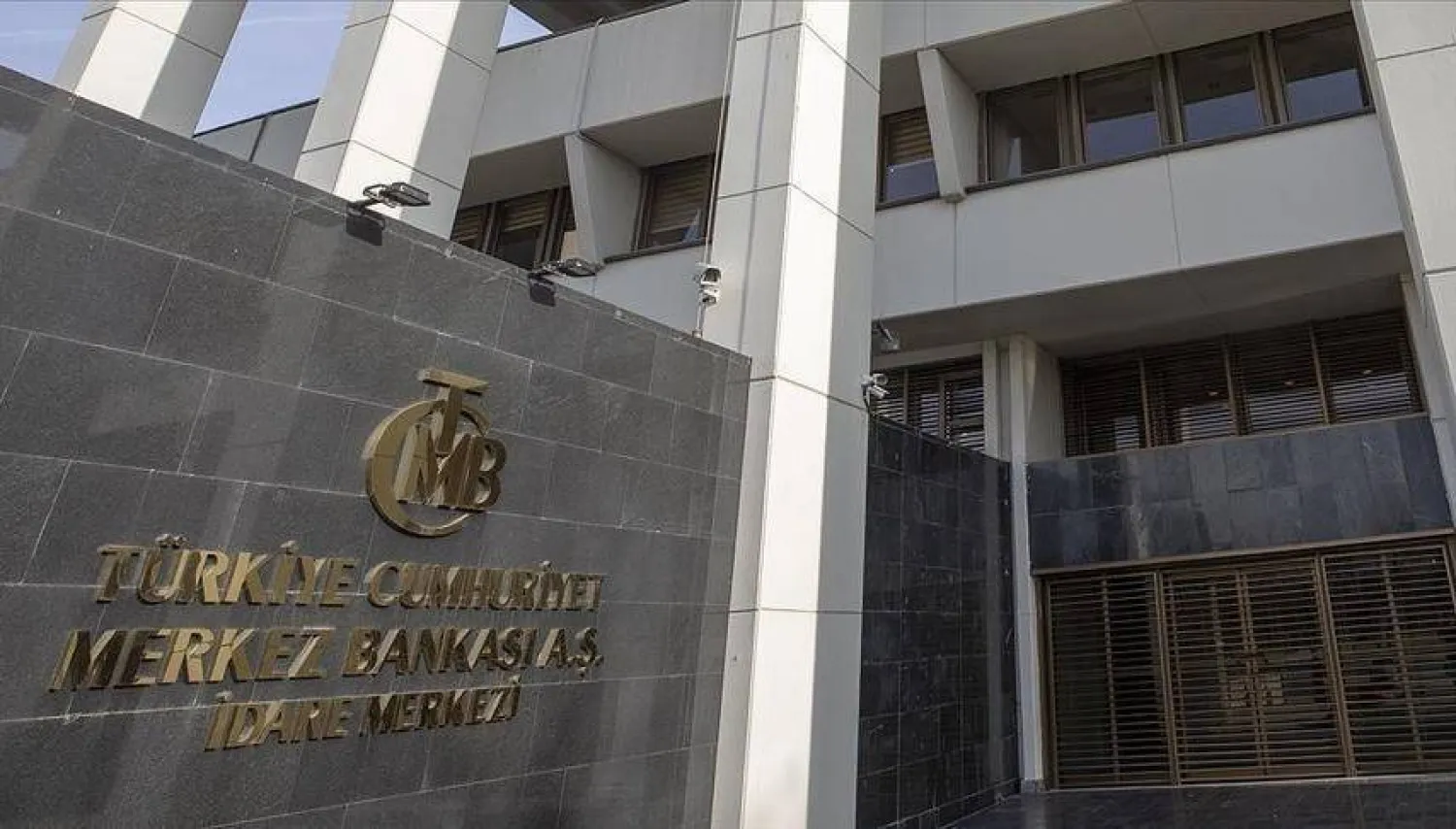

Türkiye's central bank held its key interest rate at 37% as expected on Wednesday, deciding not to hike but warning that fallout from the Iran war could yet change the inflation outlook.
It was the second straight policy meeting at which the bank held steady despite some expectations that it could tighten, suggesting it was preparing to stand pat well into the summer, analysts said.
The central bank also did not adjust its overnight lending and borrowing rates from 40% and 35.5% respectively. Since the war started in late February, it has halted an easing cycle that began in late 2024 and taken other liquidity steps that pushed the lira overnight rate up to the 40% limit - moves that prompted some analysts to predict a 300-point hike this week.
The bank said it is closely monitoring any "potential second-round effects" on inflation, for which "leading indicators suggest a slight increase in the underlying trend in April".
"Amid geopolitical developments and the resulting uncertainties, energy prices remain elevated and exhibit notable volatility," its policy committee added.
In a Reuters poll, 19 of 23 economists predicted no change to borrowing costs, while four forecast a rate hike. The war-related surge in energy prices has rattled import-heavy economies like Türkiye where inflation was 30.87% last month, but where expectations have risen. On Tuesday, US President Donald Trump extended the war ceasefire indefinitely.
The ceasefire allowed the central bank "to refrain from tightening," William Jackson, economist at Capital Economics, said in a note. "So long as energy prices don't spike again, we think the CBRT will opt to leave interest rates on hold for at least a few more months."
Economists generally anticipate that rate cuts may resume in September. The Reuters poll predicted rates would be cut to only 32.75% by year-end. A separate poll found end-2026 consumer price inflation at 27.53%, compared with 25.38% in a previous poll.
In its quarterly inflation report in February - before the war began - the central bank had kept its end-2026 interim inflation target at 16%, while lifting its forecast range to 15-21% from 13-19% previously.
A year ago, the central bank temporarily reversed course and hiked rates in the face of political instability that rattled markets, though it returned to rate cuts by mid-2025.


