




Two Hamas sources told Asharq Al-Awsat the group’s leadership is weighing a temporary suspension of negotiations, citing what one source called “Israel’s lack of seriousness” in taking any steps to stop “its crimes and daily killings in Gaza.”
Talks on the Gaza ceasefire agreement, which took effect last October, are facing fresh complications.
Israel and Hamas remain at odds over how to implement the first-phase terms demanded by Hamas, including humanitarian commitments, and the second phase, which Israel is pressing to activate, especially the clause on “disarming” Gaza.
Israel has stepped up assassinations in Gaza after three days of relative calm requested by mediators, the Board of Peace’s high representative for Gaza, Nickolay Mladenov, and a US official from envoy Jared Kushner’s team.
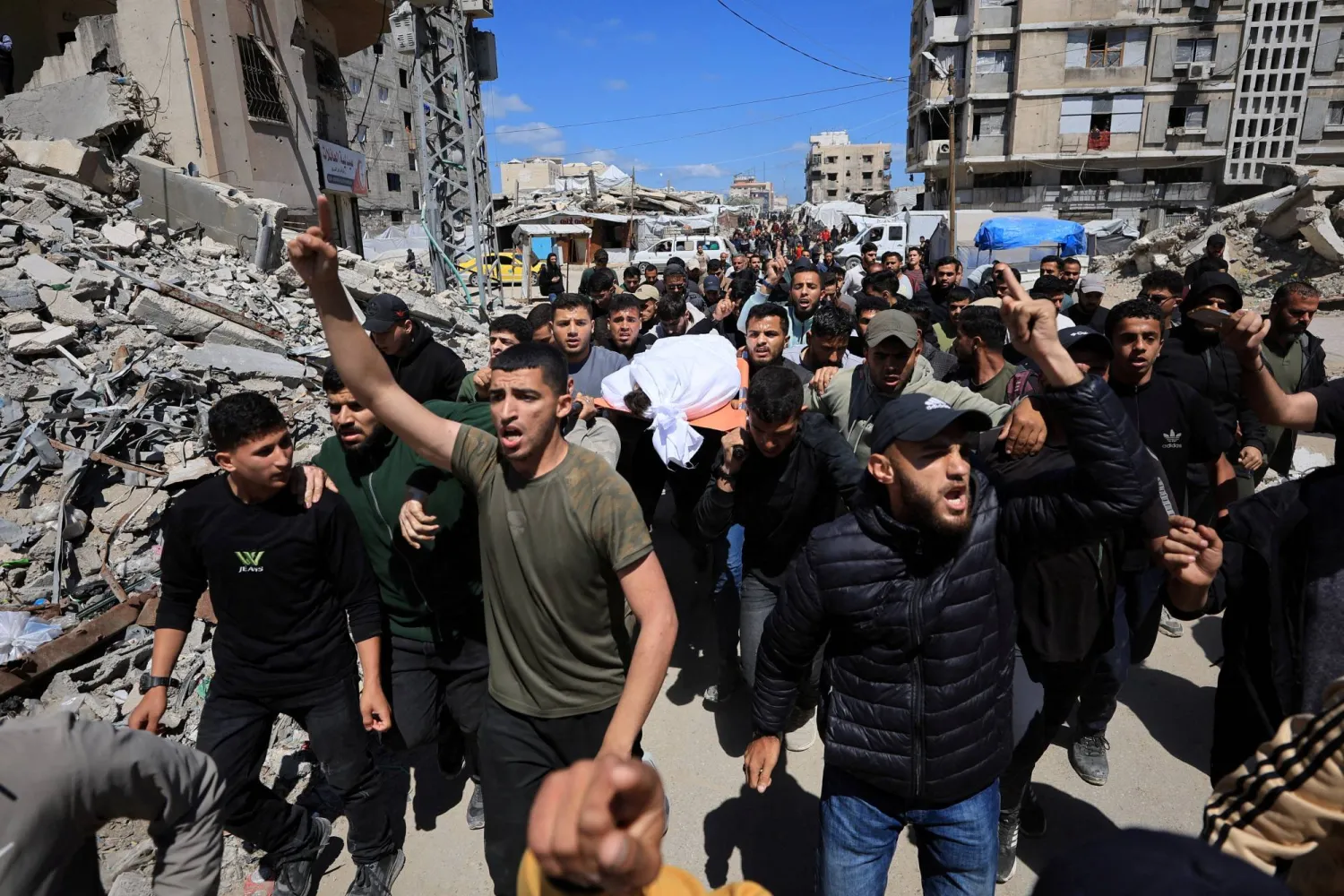
Hamas said Thursday that Azzam al-Hayya, son of its chief negotiator Khalil al-Hayya, had died of wounds sustained in an Israeli attack that targeted him and others in Gaza City on Wednesday evening.
The attack also killed Hamza al-Sharbasi, a field commander in the elite unit of the Qassam Brigades, Hamas’ military wing, in the Shujaiya neighborhood.
Israeli strikes after noon Thursday killed three members of Hamas’ Internal Security Service at the entrance to its headquarters west of Gaza City.
Hamas said in a statement that the killing of Azzam al-Hayya was a failed attempt by Israel to influence the negotiating team and win political concessions.
Azzam’s death means Khalil al-Hayya has lost four sons in separate incidents. Among them was Hammam, Azzam’s twin, who was killed in a strike that targeted his father and several Hamas leaders while they were in Doha in September 2025.
‘The option is on the table, but it is not a response’
The two Hamas sources, both based outside the Palestinian territories, said the group had not made a final decision to suspend talks.
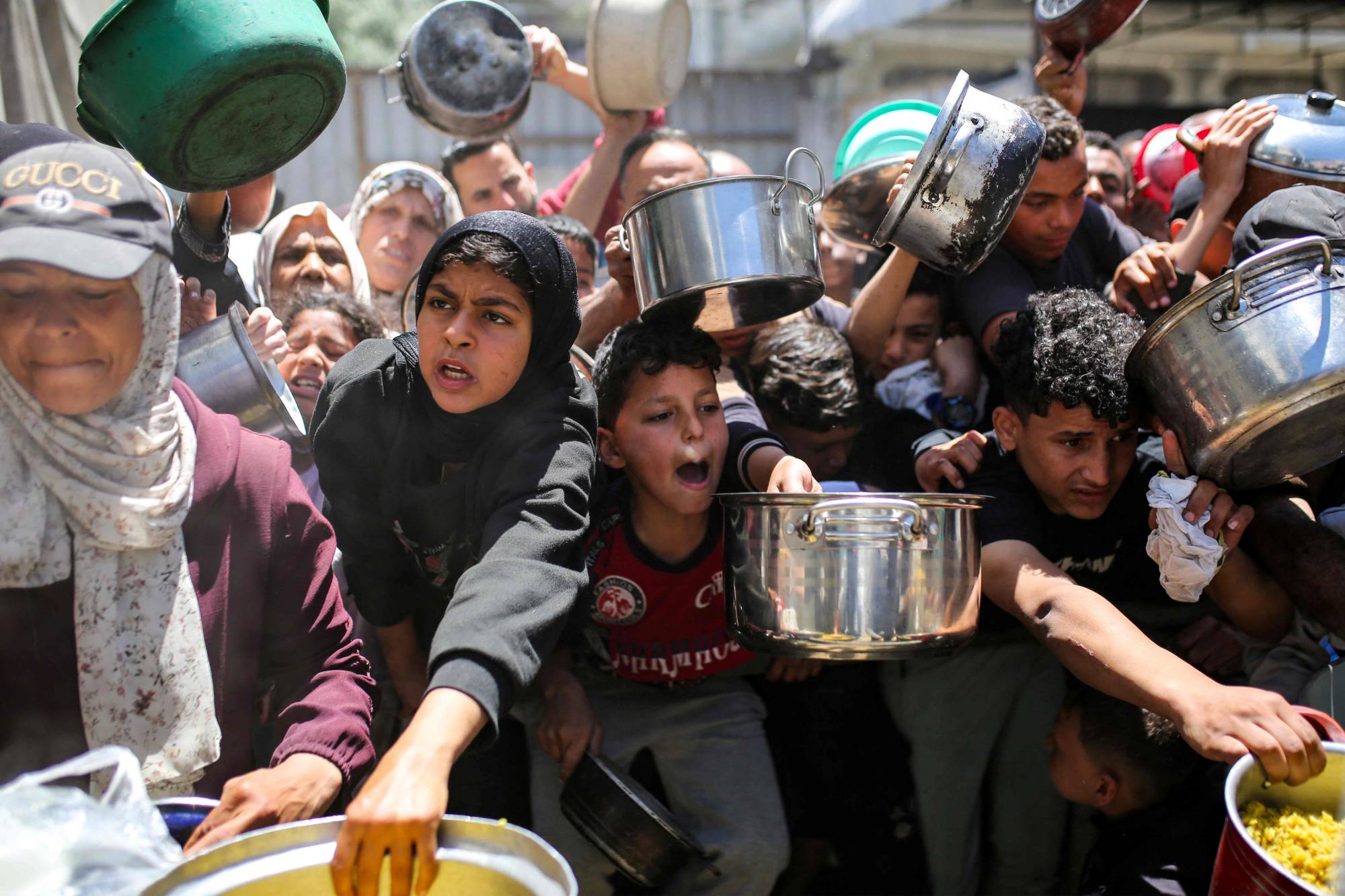
But one said “the option is now strongly on the table,” citing what he described as the mediators’ clear inability, including Mladenov and the US, to force Israel to stop daily violations that he said had killed about 1,000 Palestinians since the ceasefire began last October.
In separate comments, the sources rejected the idea that the possible suspension was a response to the killing of Khalil al-Hayya’s son.
They said the proposal had already been under discussion by the delegation, but had been delayed at the request of mediators and following consultations with factions.
“With the return of intensive assassinations and killings in this manner, it is back on the table again,” one source said.
Sources from Palestinian factions said the killing of al-Hayya’s son would, in any case, automatically pause negotiation contacts because of a mourning period expected to last at least three days.
Despite earlier “positive” signals about progress, Palestinian factions have not received a response following Mladenov’s visit to Israel and his meeting with Israeli Prime Minister Benjamin Netanyahu last Tuesday.
Mladenov left Cairo last Friday for Israel to seek a response to understandings reached in Egypt’s negotiations with Hamas.
He met Netanyahu and described the meeting as “a positive and substantive discussion on the way forward to ensure the implementation of US President Donald Trump’s 20-point plan.”
Mladenov’s delayed response
Asharq Al-Awsat learned that Mladenov left Israel on Wednesday evening for his office in Dubai, although he had been expected in Egypt last Tuesday.
A Hamas source inside Gaza accused the Board of Peace representative of “aligning with Israeli conditions instead of being neutral.”
“What the negotiating delegation hears about ‘positivity’ from Mladenov or some US officials who took part in the meetings was expected to be followed by them compelling Israel or bringing positive responses from it,” the source said. But that did not happen, according to the source.
In an interview with Israel’s i24NEWS, Mladenov reiterated the Board of Peace’s position that Gaza’s reconstruction and Israel’s withdrawal from the strip are essentially tied to full disarmament.
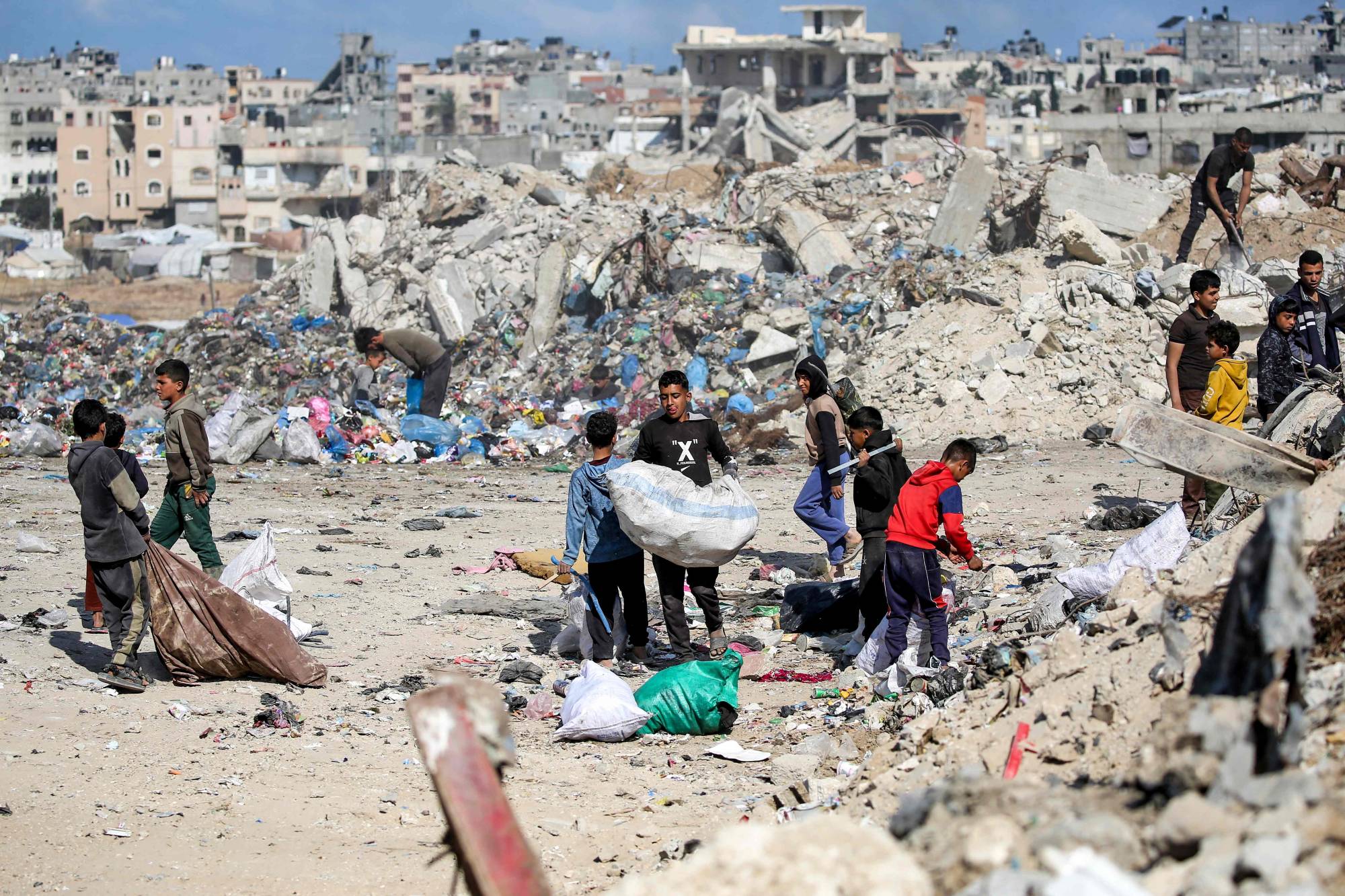
He warned against linking Gaza to geopolitical developments in Iran or Lebanon, calling such voices “irresponsible” toward two million people living in tragic conditions.
Trump’s Gaza plan, accepted by Israel and Hamas, calls for Israeli forces to withdraw from Gaza, reconstruction to begin and Hamas to give up its weapons. But “disarmament” remains a major sticking point in talks to implement the plan and cement the ceasefire.
Senior Hamas sources say the group has told Mladenov it will not enter serious talks on implementing the second phase before Israel meets its first-phase obligations, including a complete halt to attacks.
