


WHO Kicks off Annual Assembly Amid Hantavirus, Ebola Crises

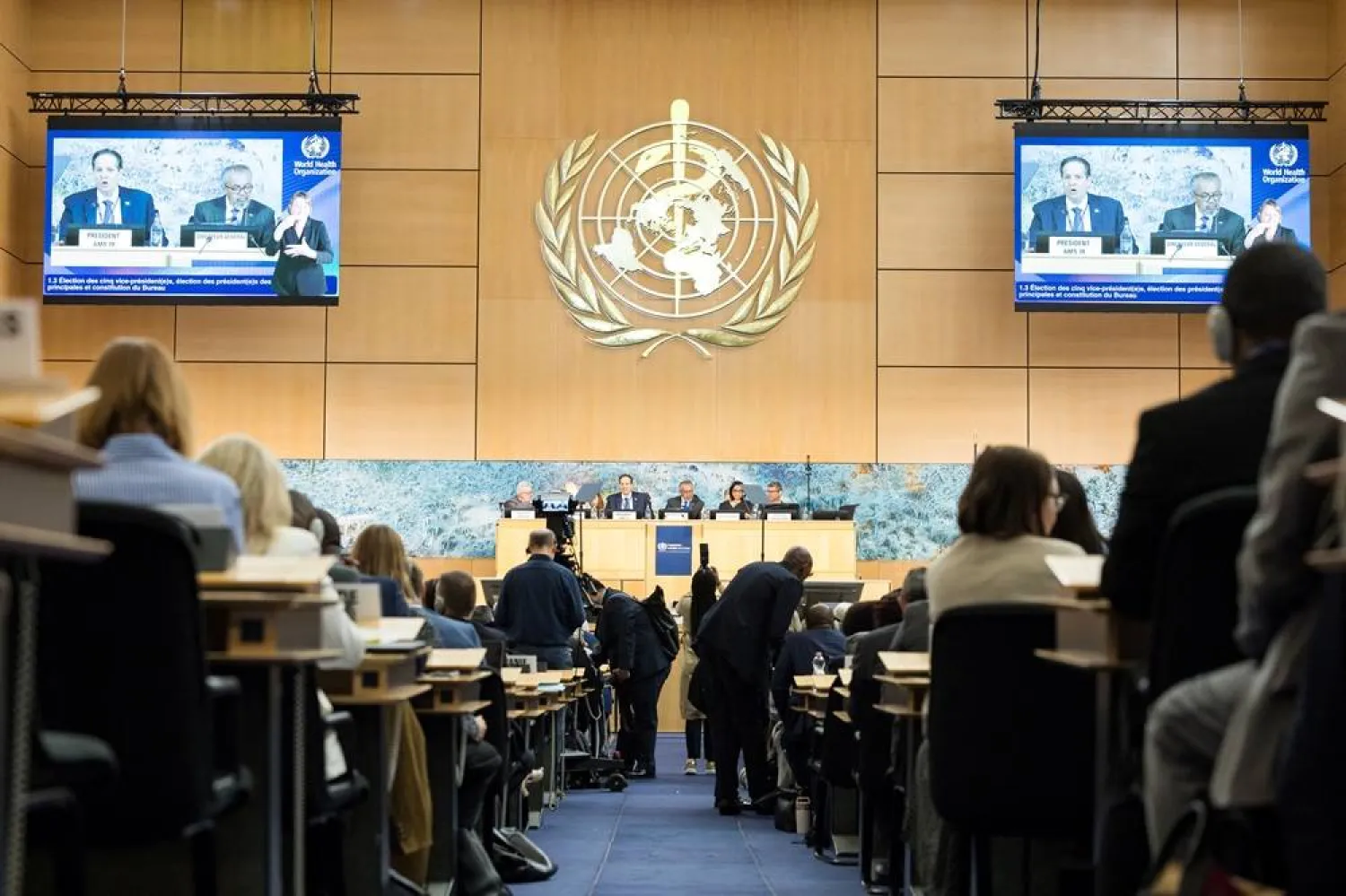
 Delegates attend the 79th World Health Assembly of the World Health Organization (WHO) in Geneva, Switzerland, May 18, 2026. (Reuters)
Delegates attend the 79th World Health Assembly of the World Health Organization (WHO) in Geneva, Switzerland, May 18, 2026. (Reuters)
TT

WHO Kicks off Annual Assembly Amid Hantavirus, Ebola Crises

 Delegates attend the 79th World Health Assembly of the World Health Organization (WHO) in Geneva, Switzerland, May 18, 2026. (Reuters)
Delegates attend the 79th World Health Assembly of the World Health Organization (WHO) in Geneva, Switzerland, May 18, 2026. (Reuters)

World Health Organization member states gather for their annual meeting in Geneva Monday amid concern over deadly hantavirus and Ebola outbreaks and uncertainty over announced US and Argentinian withdrawals.

While the rare hantavirus outbreak on a cruise ship that has gripped global attention is not officially on the agenda, it is expected to feature prominently in the discussions, as is the fresh Ebola outbreak in the Democratic Republic of Congo.

A diplomatic source, who asked not to be identified, said it would be interesting to see how such outbreaks are used by WHO "to promote other things", including "to pressure (the United States and Argentina) not to go".

The meeting of the WHO's annual decision-making assembly, which runs through Saturday, comes after a difficult year for the organization. It has been weakened by the announced US withdrawal and by funding cuts that have forced it to slash its budget and staff numbers.

"We are stable now and moving forward," WHO chief Tedros Adhanom Ghebreyesus insisted at the end of April.

Diplomats and observers agreed.

The situation is "still fragile, but they've been successful in mobilizing most of the funds" required for the next two years, Surie Moon, co-director of the Global Health Centre at the Geneva Graduate Institute, told AFP.

And the hantavirus crisis provided "a clear illustration of why the world needs an effective, trusted, impartial, reliably-funded WHO", she added.

- US, Argentina withdrawals -

But significant divisions persist.

Continued disagreement between wealthy and developing nations has for instance blocked progress on the key missing piece of the WHO's landmark 2025 pandemic treaty, with negotiations now expected to be extended for another year.

It also remains unclear what, if anything, would be decided on the US and Argentinian announced withdrawals.

US President Donald Trump, on his first day back in office in January 2025, handed the WHO his country's one-year withdrawal notice, with Argentina soon following suit.

The WHO, whose constitution does not include a withdrawal clause, has not confirmed either withdrawal.

The United States reserved the right to withdraw when it joined the WHO in 1948 on condition of giving one year's notice and meeting its financial obligations in full for that fiscal year.

While the notice period has expired, Washington has still not paid its 2024 or 2025 dues, owing around $260 million.

When WHO's executive board met in January, Israel submitted a resolution to approve Argentina's withdrawal -- something countries are expected to discuss during the assembly -- but not a word was said about the US leaving.

Diplomats and observers indicated there was broad agreement that it would be better to maintain a grey zone around whether the US was effectively out.

"We hope that it will go past quietly on the US," a European diplomat said on condition of anonymity.

- Election campaign -

The assembly will take place as the process towards next year's election of a new WHO chief heats up.

No one has yet declared their candidacy, but announcements are possible this week ahead of the nomination deadline of September 24.

A number of sensitive resolutions are also on the table, including on Ukraine, the Palestinian territories and Iran, which could spark heated debate.

Much of this week's discussions will center on whether to launch a formal reform process for the so-called "global health architecture" -- a mishmash of organizations that do not always work together and often overlap.

"Among the issues to be explored are what is best done at the global and regional levels... and what is a national responsibility?" Helen Clark, co-chair of The Independent Panel for Pandemic Preparedness and Response and a former New Zealand prime minister, told AFP.

Canadian Health Minister Marjorie Michel told AFP that "this current crisis, with the departure of key players, also allows ... the WHO to re-examine its strategy with its members".

A key focus will be to ensure the process does not see "controversial" issues, such as climate and sexual and reproductive health rights, sacrificed in the context of dwindling international aid funding.

"The objective is to ensure better coordination among health actors, so that no activities or populations are left behind," said a diplomatic source, who asked not to be named.

But Thiru Balasubramaniam of the Knowledge Ecology International NGO, told AFP the WHO had already "scaled down some of their activities, including in terms of sexual and reproductive health".

Iran Executed 18 Protesters in 2026, Says UN

 UN High Commissioner for Human Rights Volker Turk speaks to the media, at the Office of the United Nations High Commissioner for Human Rights (OHCHR) Palais Wilson, in Geneva, Switzerland, Wednesday, June 10, 2026. (Keystone via AP)
UN High Commissioner for Human Rights Volker Turk speaks to the media, at the Office of the United Nations High Commissioner for Human Rights (OHCHR) Palais Wilson, in Geneva, Switzerland, Wednesday, June 10, 2026. (Keystone via AP)
TT

Iran Executed 18 Protesters in 2026, Says UN

 UN High Commissioner for Human Rights Volker Turk speaks to the media, at the Office of the United Nations High Commissioner for Human Rights (OHCHR) Palais Wilson, in Geneva, Switzerland, Wednesday, June 10, 2026. (Keystone via AP)
UN High Commissioner for Human Rights Volker Turk speaks to the media, at the Office of the United Nations High Commissioner for Human Rights (OHCHR) Palais Wilson, in Geneva, Switzerland, Wednesday, June 10, 2026. (Keystone via AP)

Iran has executed at least 40 people, including 18 protesters, on "national security grounds" since the start of 2026, the United Nations said Monday.

UN rights chief Volker Turk said he felt "deeply for the people in Iran, caught between war and cruel repression".

Since the start of the year, the Iranian authorities "have executed at least 40 people on national security grounds... including 18 protesters", he told the UN Human Rights Council.

Iran executes more people annually than any other nation besides China, according to rights groups.

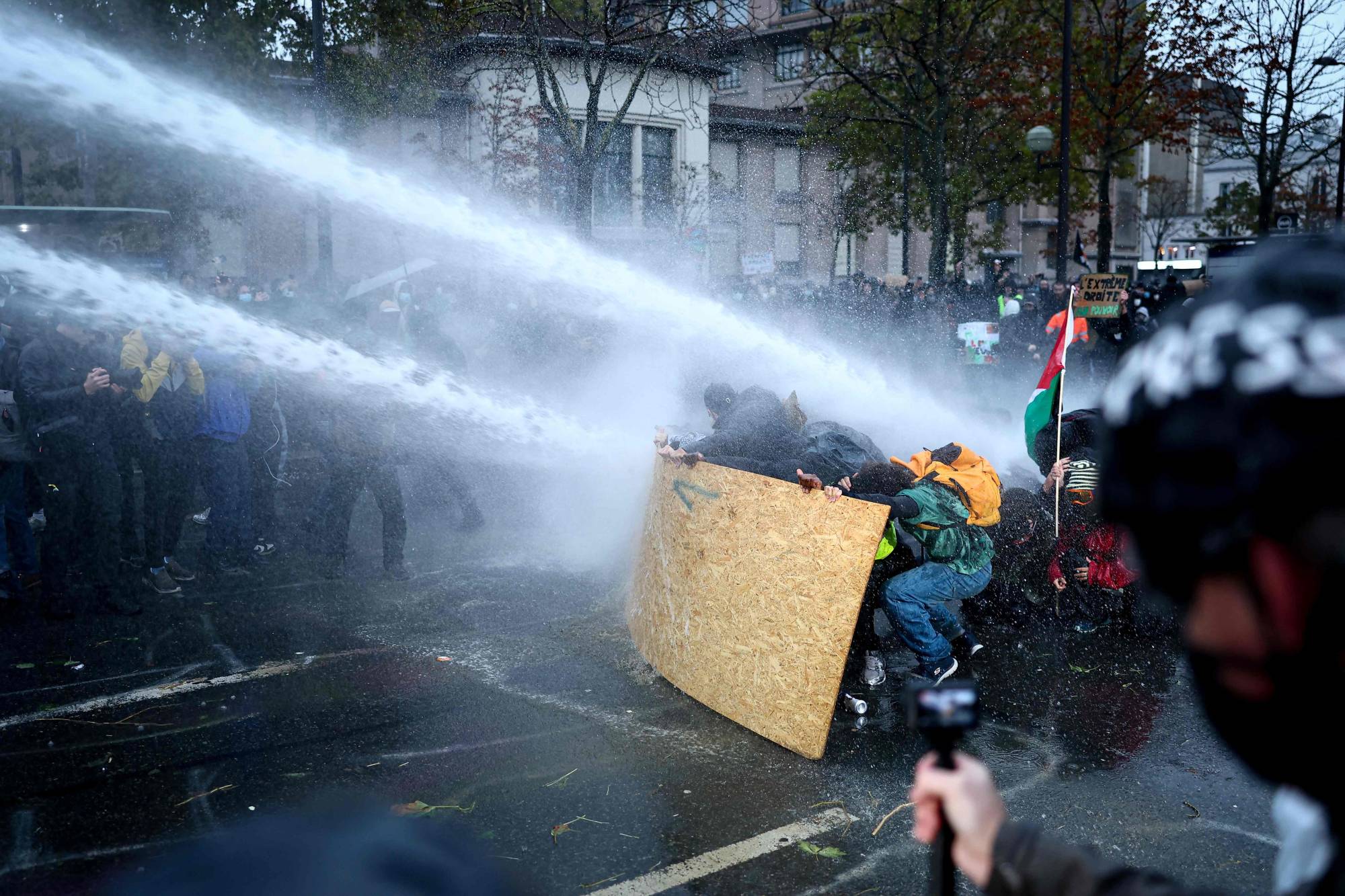
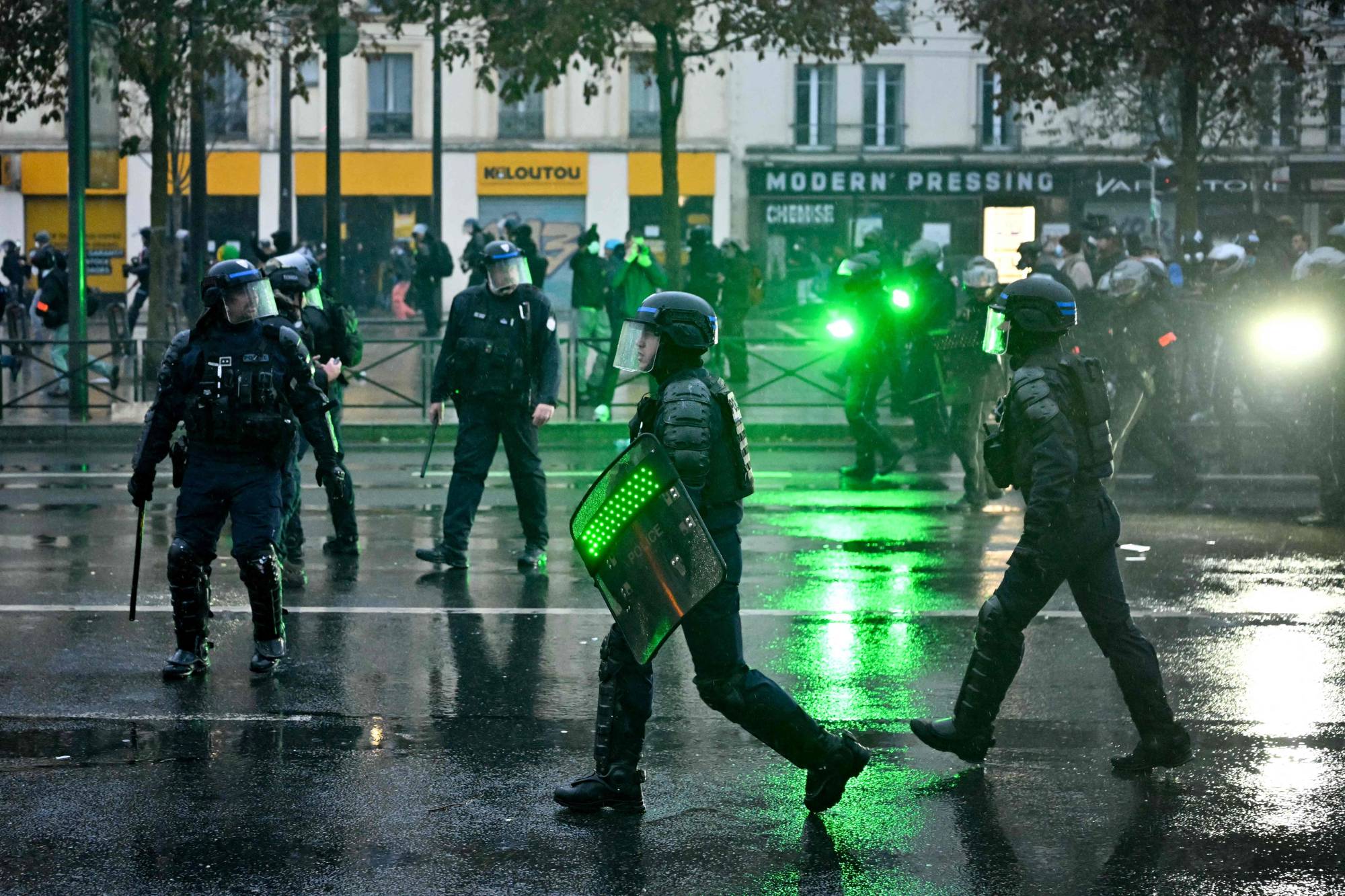
Turk lamented that Tehran had ramped up repression since a deadly crackdown on protests in January, on top of the Middle East war, sparked in February by US and Israeli attacks on Iran.

He welcomed the announcement on Sunday that the United States and Iran had agreed a peace deal, stressing that "it is clear all sides need to exercise maximum restraint and work to implement the agreement reached, quickly and in good faith".

The conflict, he said, "has had a devastating impact on human rights across the region and around the world".

Repression in Iran was dire even before the war.

In late December, a protest movement sparked by economic pains quickly expanded into mass anti-government rallies, which were met by a crackdown that rights groups say killed thousands.

Iranian authorities portrayed the protests as riots backed by the United States and Israel and said the violence killed around 3,000 people.

Rights groups abroad put the toll higher and accused the security forces of firing at demonstrators.

"Since killing thousands of people during the egregious crushing of protests in January, the authorities have intensified their brutal crackdown, arresting thousands and imposing even more severe restrictions on civic space," Turk said.


Congo Reports Record One-Day Increase in Ebola Cases, a Month After Outbreak’s Declaration

Dz'na Lipe Jean‑Marie, secretary of the displacement camp, speaks during an Ebola awareness session as humanitarian agencies intensify efforts to contain a new Ebola outbreak involving the Bundibugyo strain, at Kpangba displacement camp where Ebola cases were observed, Djugu territory in Ituri province, Democratic Republic of Congo, June 13, 2026. (Reuters)
TT

Congo Reports Record One-Day Increase in Ebola Cases, a Month After Outbreak’s Declaration

Dz'na Lipe Jean‑Marie, secretary of the displacement camp, speaks during an Ebola awareness session as humanitarian agencies intensify efforts to contain a new Ebola outbreak involving the Bundibugyo strain, at Kpangba displacement camp where Ebola cases were observed, Djugu territory in Ituri province, Democratic Republic of Congo, June 13, 2026. (Reuters)

Congolese authorities have reported one of the highest increase in Ebola cases in one day, as weak contact tracing, insecurity and funding gaps continue to hinder the response a month after the outbreak was declared.

The Congolese Ministry of Health said Sunday 72 new cases were reported in a 24-hour period, bringing the total number of confirmed cases to 782. This includes 181 confirmed deaths, after 32 new deaths were confirmed.

However, the number of cases in Congo is believed to be higher because the outbreak was confirmed on May 15, weeks after it is suspected to have begun, and the contact tracing coverage rate is at 56%, a sharp decrease from last week.

The latest Ebola outbreak is caused by the rare Bundibugyo virus, which has no approved vaccine or treatment, unlike the Zaire virus, which was responsible for most of Congo’s past 16 outbreaks of the disease.

Fifty-six people have recovered, and the current fatality rate of the outbreak is 23%, the ministry said.

The World Health Organization said Sunday it is intensifying testing and contact tracing and treatment.

Africa's top health body said the same day it is deploying technical expertise and supporting laboratory systems, active case finding and community engagement efforts to accelerate the response to the disease outbreak.

“We remain committed to supporting affected countries until transmission is stopped. We call on partners and donors to urgently mobilize resources to strengthen the response and save lives,” said the head of the Africa Centers for Disease Control and Prevention, or Africa CDC, Jean Kaseya.

The outbreak is concentrated in Congo’s eastern province of Ituri, which accounts for more than 90% of the cases. Cases have also been recorded in the North Kivu and South Kivu provinces, and have spread across the border to Uganda.

Nearly a million people have been displaced by conflict in Ituri, according to the UN humanitarian office, making contact tracing difficult as people flee attacks or move frequently in the vast province with dense forests, poor roads and remote villages that can take days to reach.

Tracing is also difficult among the thousands of artisanal miners who regularly move between remote sites in the mineral-rich region.


Iran's Fars News Agency Says Hormuz Maritime Fees Added to US Deal Last Minute

Vessels at the Strait of Hormuz, as seen from Musandam, Oman, June 14, 2026. REUTERS/Stringer
TT

Iran's Fars News Agency Says Hormuz Maritime Fees Added to US Deal Last Minute

Vessels at the Strait of Hormuz, as seen from Musandam, Oman, June 14, 2026. REUTERS/Stringer

Iran's Fars news agency said on Monday, quoting what it said was an informed source, that Tehran added a clause on imposing maritime service fees to the framework deal with the United States shortly before its announcement.

"In the final moments of the negotiations, the text of the memorandum of understanding was amended to clearly and explicitly emphasize the issue of the Iranian-Omani sovereignty over the Strait of Hormuz," said Fars, citing the unidentified source.

"The use of the term 'maritime services' means that the United States has accepted that fees will be paid to Iran," it added.
