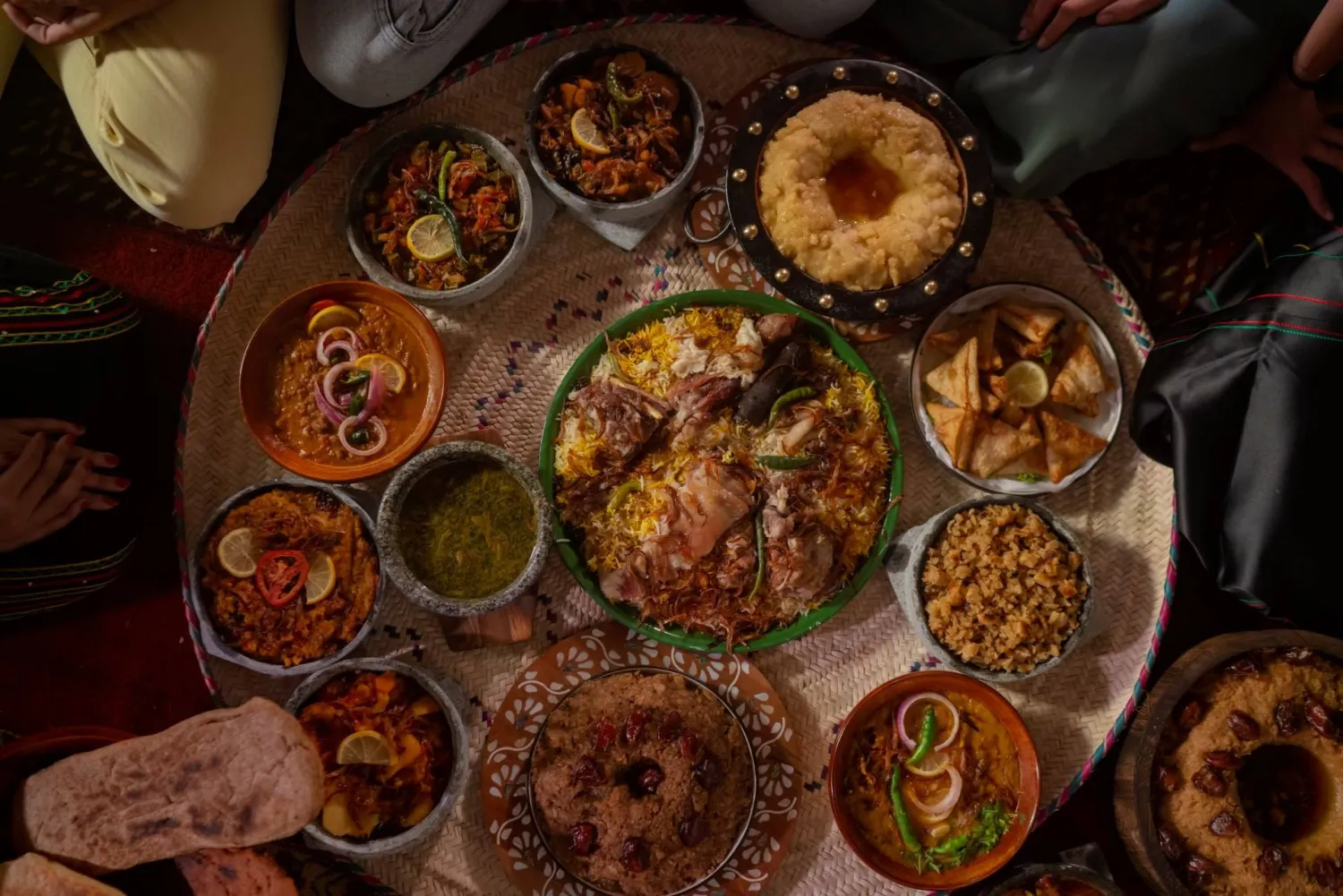

In Saudi Arabia, the smell of liver and muqalqal drifting from family kitchens on the morning of Eid al-Adha has long been part of the holiday ritual, closely tied to the sacrificial feast that follows Eid prayers. For many Saudis, the celebration does not truly begin without these traditional dishes.
“The real taste of Eid starts right after the prayer,” said 25-year-old Nasser Al Ibrahim, who insists the customary breakfast remains an essential part of the holiday. “Today we ate liver and muqalqal prepared from the sacrifice slaughtered this morning. The whole family makes sure we do that because these foods are tied to Eid memories and traditions.”
But across the Kingdom, Eid breakfast tables are beginning to change.
Instead of preparing the familiar dishes, 27-year-old Abir Ahmed chose a more contemporary approach this year, ordering a ready-made cheese platter for her small family. Her choice reflects broader social and culinary shifts quietly reshaping holiday traditions in Saudi Arabia.
In recent years, Eid breakfasts have expanded beyond staples such as liver and muqalqal — a dish of seasoned diced lamb cooked with tomatoes — to include modern options presented in increasingly elaborate and visually appealing ways.
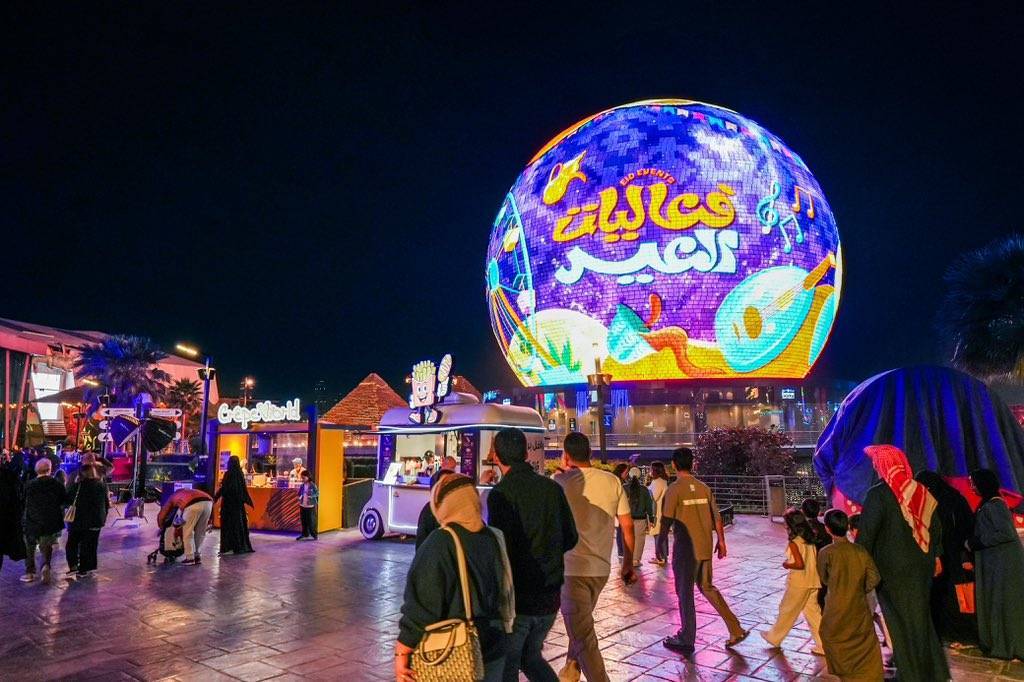
From the first hours of dawn, worshippers across Saudi Arabia gathered at mosques and prayer grounds for Eid al-Adha prayers amid festive scenes filled with families and children. The holiday remains one of the Kingdom’s most important religious and social occasions, marked by rituals that stretch from communal prayers to the first family breakfast.
Yet even those rituals are evolving. Many Saudis say traditional breakfasts are gradually giving way to contemporary dishes shaped by changing lifestyles and the growing influence of social media, where stylish food presentations have become part of the celebration itself.
Others, however, criticize the trend, arguing that many of the new breakfast displays are more about appearance than preserving the spirit of Eid. For them, traditional dishes remain deeply connected to the holiday’s cultural identity and collective memory.
Ahmed said growing competition among families over how Eid breakfasts are presented has encouraged many to turn to modern ready-made platters.
“There are many elegantly arranged breakfast platters served on Eid morning, especially cheese platters, and people have become used to them recently,” she said.
Over the past few years, the cheese platter has become one of the season’s most popular Eid breakfast items. Typically arranged with assorted cheeses, toasted bread, roasted olives, cherry tomatoes and grapes, the platters are often decorated with honey, biscuits, walnuts, rusks and mortadella to create a more festive appearance.
Prices vary depending on the ingredients and presentation, generally starting at around 80 Saudi riyals ($21) and reaching as high as 500 riyals for a single platter in what has become a thriving seasonal market during holidays and family occasions.
The shift extends beyond food. While Saudis traditionally gathered for Eid breakfast at home in large family settings, a growing number now prefer spending the morning at restaurants, cafés and resorts in search of a more celebratory atmosphere for children and relatives.
Despite these changes, the ritual sacrifice remains deeply rooted in Saudi society. Many families continue to perform the rite on behalf of themselves or deceased relatives, honoring family traditions and reinforcing values of charity, kinship and social solidarity that remain central to Eid al-Adha.